Knee Pain Exercises for Seniors
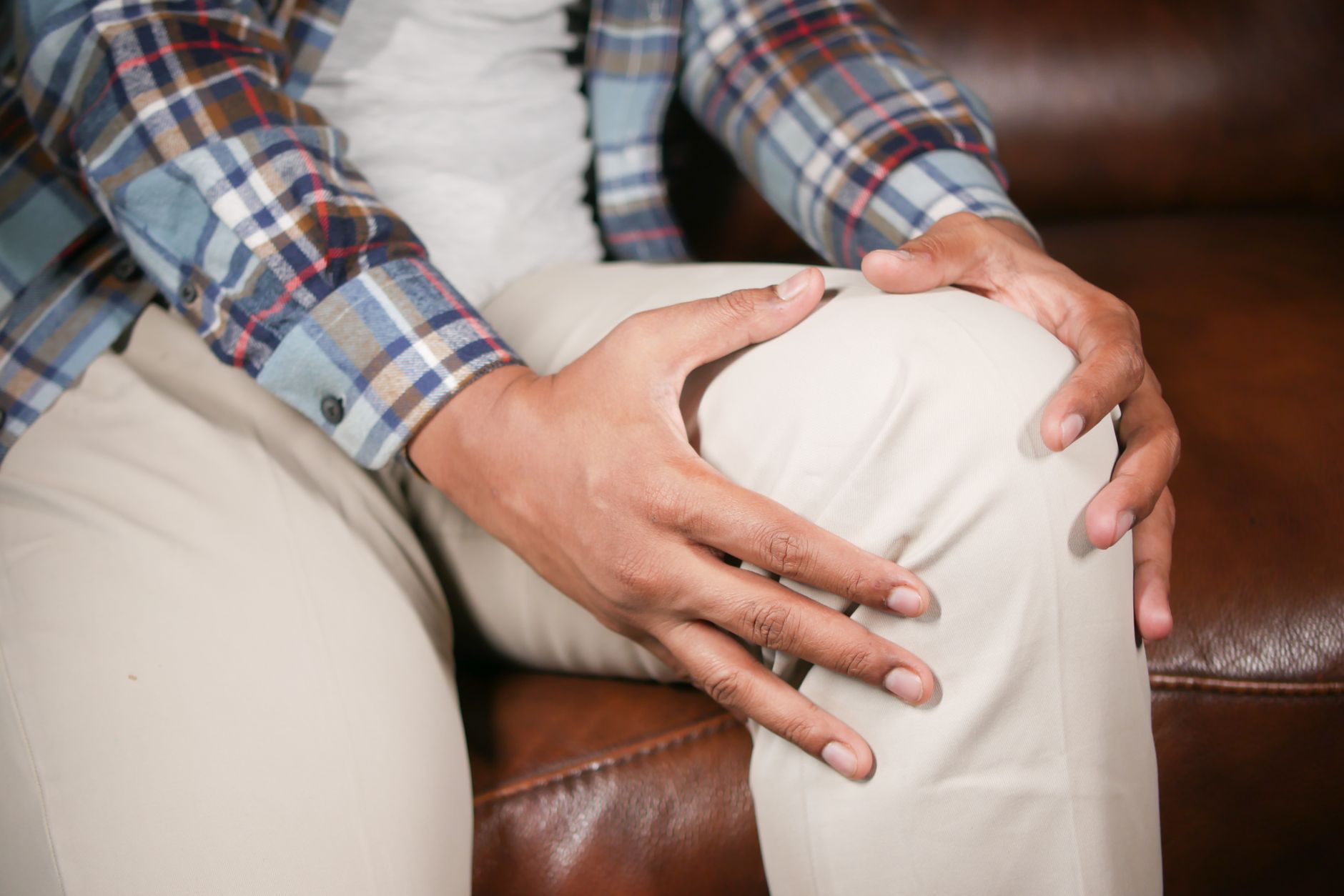
Knee pain affects millions of older adults and is one of the most common reasons for reduced mobility in seniors. According to the Centers for Disease Control and Prevention, approximately 25% of adults over 65 experience persistent knee pain, often related to osteoarthritis, previous injuries, or general wear and tear over decades of use.
Many seniors assume that knee pain inevitably limits activity, but research suggests the opposite may be true. Appropriate exercise can strengthen the muscles supporting the knee joint, potentially reducing pain and improving function. Studies published in the Journal of the American Medical Association indicate that structured exercise programs can produce meaningful improvements in knee pain and mobility for older adults.
Understanding Knee Pain in Older Adults
Several factors contribute to knee discomfort in seniors:
- Osteoarthritis: Degeneration of cartilage between bones causes pain, stiffness, and reduced range of motion
- Previous injuries: Old sports injuries, falls, or accidents can lead to ongoing discomfort
- Muscle weakness: Weak quadriceps and hamstrings fail to adequately support the knee joint
- Weight factors: Excess body weight adds stress to knee joints during movement
- Age-related changes: Reduced flexibility, muscle mass, and joint lubrication
The knee depends heavily on surrounding muscles for stability and shock absorption. When these muscles weaken, the joint bears more direct stress, potentially increasing pain. This understanding underlies the exercise approach to knee pain management.
Before starting any exercise program for knee pain, consult a healthcare provider, especially if pain is severe, accompanied by swelling, or results from a recent injury. Some conditions require medical treatment beyond exercise.
Strengthening Exercises
Leg strengthening exercises are fundamental for knee health. Strong muscles better absorb shock and stabilize the joint during movement.
Straight Leg Raises
This exercise strengthens the quadriceps without bending the knee, making it ideal for those with significant pain.
- Lie on your back with one knee bent and the other leg straight
- Tighten the muscles in the straight leg's thigh
- Slowly lift that leg 12-18 inches off the floor
- Hold for 5 seconds, keeping the leg straight
- Slowly lower back down
- Perform 10-15 repetitions on each leg
This can also be done seated:
- Sit in a sturdy chair with good back support
- Extend one leg straight, tightening the thigh muscle
- Hold for 5 seconds
- Lower and repeat 10-15 times per leg
Wall Sits
This exercise builds leg strength with minimal joint movement.
- Stand with back against a wall, feet about 18 inches from the wall
- Slowly slide down the wall until knees are bent at a comfortable angle
- Start with a slight bend (30 degrees) and gradually increase over weeks
- Hold for 10-30 seconds
- Slowly slide back up
- Repeat 5-10 times
Keep knees aligned over ankles—don't let them cave inward. If full wall sits cause pain, partial wall sits (less knee bend) provide benefit while remaining comfortable.
For those who find standing exercises difficult, chair exercises for seniors offers seated alternatives.
Step-Ups
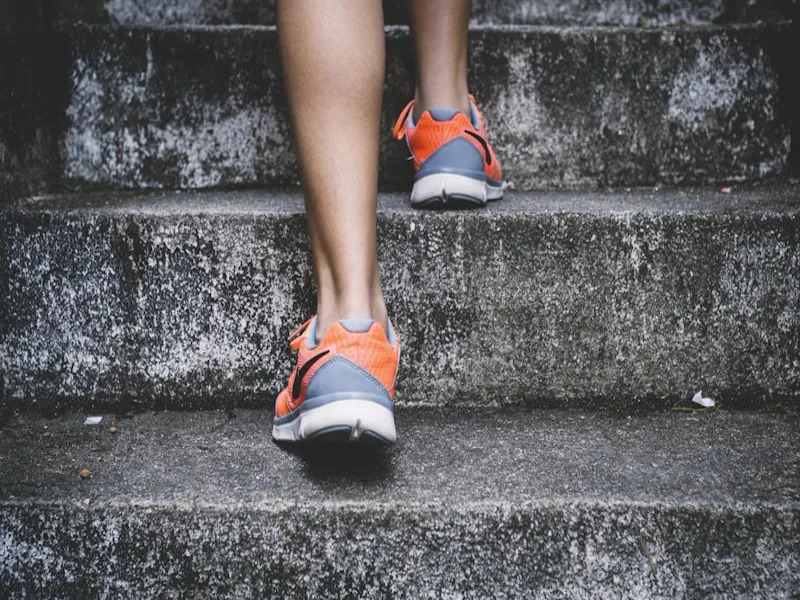
This functional exercise improves knee stability for daily activities like climbing stairs.
- Use a low step or sturdy platform (start with 4-6 inches high)
- Step up with one foot, then bring the other foot up
- Step down with the first foot, then the other
- Repeat 10-15 times, alternating leading foot
- Hold onto a handrail or wall for balance if needed
Progress by gradually increasing step height as strength improves.
Clamshells
This exercise strengthens hip muscles that stabilize the knee during walking.
- Lie on your side with legs bent at about 45 degrees, knees together
- Keep feet touching throughout the movement
- Slowly lift the top knee while keeping feet together (like a clam opening)
- Hold for 2-3 seconds at the top
- Lower back down
- Perform 10-15 repetitions on each side
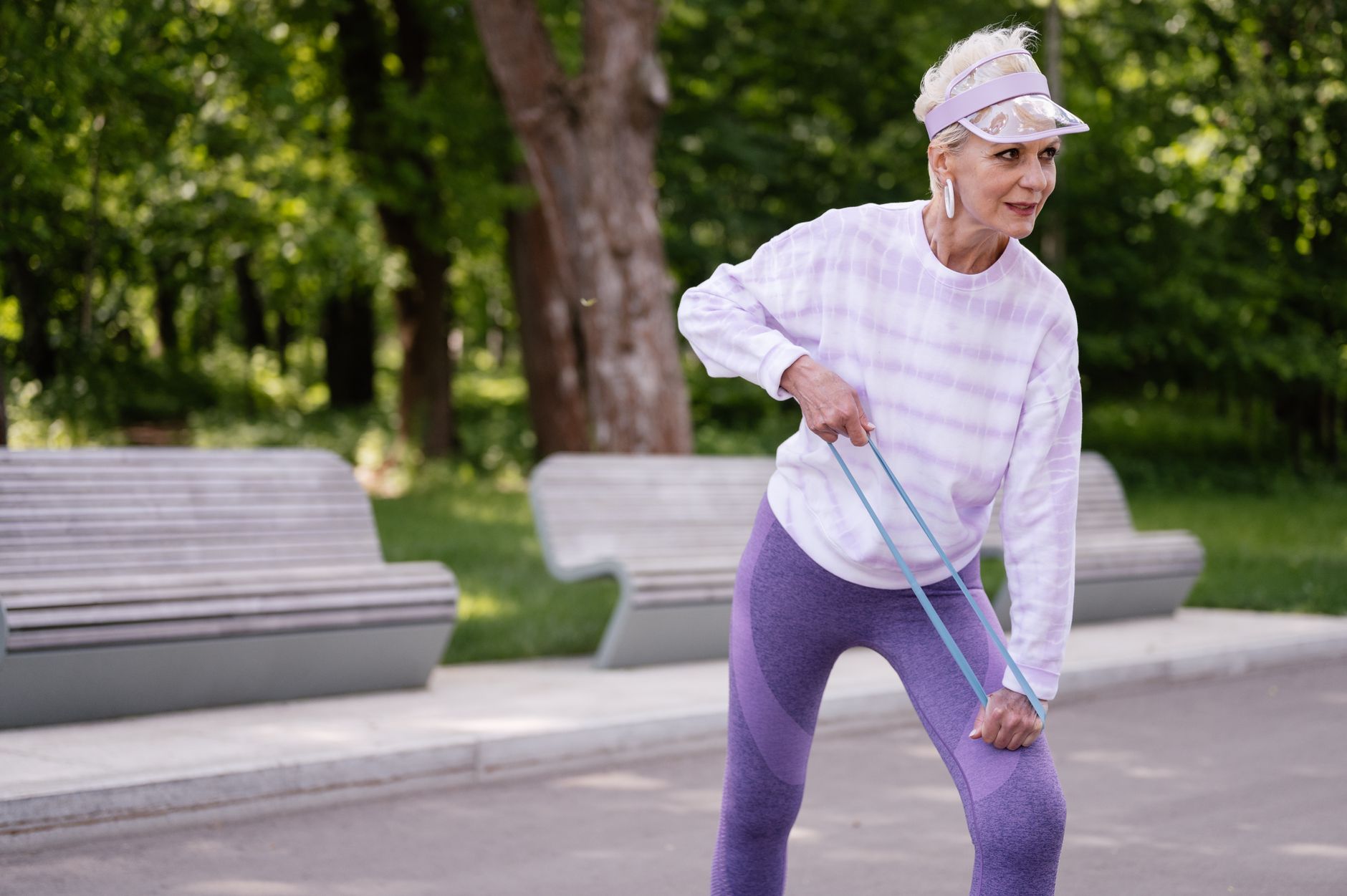
For greater challenge, add a resistance band around the thighs.
Hamstring Curls
Strengthening the back of the thigh balances quadriceps strength and supports knee stability.
- Stand holding onto a chair or wall for balance
- Slowly bend one knee, bringing your heel toward your buttocks
- Keep thighs parallel and don't swing the leg
- Hold briefly at the top
- Lower back down
- Perform 10-15 repetitions on each leg
This can also be performed seated or lying down.
For comprehensive approaches to knee discomfort, workouts for seniors with bad knees provides additional guidance.
Stretching Exercises
Flexibility exercises improve range of motion and reduce stiffness. Stretching exercises for seniors help maintain mobility around painful joints.
Quadriceps Stretch
Tight quadriceps can contribute to knee pain.
Standing version:
- Stand holding onto a wall or chair for balance
- Bend one knee, bringing your foot toward your buttocks
- Grasp your ankle with the same-side hand
- Gently pull until you feel a stretch in the front of your thigh
- Hold for 20-30 seconds
- Repeat 2-3 times on each leg
Seated version:
- Sit on the edge of a sturdy chair
- Extend one leg back, resting the top of your foot on the floor
- Sit tall and press the hip forward slightly
- Hold for 20-30 seconds
Hamstring Stretch
Tight hamstrings affect knee mechanics and walking comfort.
Seated version:
- Sit on the edge of a sturdy chair with one foot flat on the floor
- Extend the other leg straight in front, heel on the floor
- Keeping back straight, lean forward slightly from hips
- Hold for 20-30 seconds
- Repeat 2-3 times on each leg
Calf Stretch
Tight calf muscles can affect knee position during walking.
- Stand facing a wall with hands on the wall for support
- Step one foot back, keeping that leg straight
- Bend the front knee slightly
- Press the back heel into the floor
- Hold for 20-30 seconds
- Repeat 2-3 times on each leg
IT Band Stretch
The iliotibial band runs along the outside of the thigh and can contribute to lateral knee pain when tight.
- Stand with feet crossed, right foot behind left
- Lean your torso to the left
- You should feel a stretch along the outside of your right thigh
- Hold for 20-30 seconds
- Switch foot position and lean right to stretch the left side
For additional targeted stretches, hamstring stretches offers more detailed guidance.
Low-Impact Activities
Beyond specific strengthening and stretching exercises, certain activities provide knee benefits with minimal joint stress.
Swimming and Water Exercise
Aqua Aerobics for Arthritis are ideal for knee pain. Water's buoyancy supports body weight, reducing joint stress while allowing movement.
- Water walking: Walk forward, backward, and sideways in chest-deep water
- Water aerobics: Classes designed for joint conditions offer structured exercise
- Lap swimming: Freestyle or backstroke at moderate pace
- Water cycling: Special aquatic bikes or jogging in place
Water provides 12 times the resistance of air while supporting up to 90% of body weight, making it perfect for knee rehabilitation.
Walking
Is walking good for knee arthritis? Research suggests yes—when done appropriately.
- Start with short distances (10-15 minutes)
- Walk at a comfortable pace—don't push through pain
- Choose flat, even surfaces initially
- Wear supportive, cushioned shoes
- Gradually increase distance as comfort improves
Many seniors find regular walking helps maintain knee mobility and reduces stiffness over time.
Cycling
Stationary cycling provides cardiovascular exercise with minimal knee impact:
- Adjust seat height so knees don't overextend
- Start with light resistance
- Maintain steady, moderate pace
- Recumbent bikes offer additional back support
- Outdoor cycling on flat terrain can be comfortable for some
Tai Chi
This gentle practice improves balance, flexibility, and body awareness:
- Slow, controlled movements don't stress knees
- Weight shifting builds leg strength gradually
- Many classes accommodate those with joint conditions
- Tai Chi for seniors provides comprehensive guidance
For arthritis-specific approaches, exercise for arthritis seniors offers additional strategies.
Tips for Knee Health
Beyond exercise, several factors influence knee comfort and function.
Maintain a Healthy Weight
Each pound of body weight adds approximately 4 pounds of stress to the knee during walking. Weight management through diet and appropriate exercise can significantly reduce knee load.
Wear Supportive Shoes
Proper footwear affects knee alignment during walking. Best walking shoes for seniors with arthritis provides specific recommendations. Key features include:
- Good arch support
- Cushioned soles for shock absorption
- Stable heel counter
- Room for foot expansion during walking
- Proper fit without tightness
Avoid Prolonged Standing
Long periods of standing can increase knee discomfort. If standing is necessary:
- Shift weight frequently between feet
- Take sitting breaks every 20-30 minutes
- Use cushioned mats if standing on hard surfaces
- Wear supportive footwear
Apply Ice for Swelling
Ice can help reduce inflammation after activity:
- Apply ice wrapped in a cloth for 15-20 minutes
- Don't place ice directly on skin
- Use after exercise if knees feel swollen or warm
- Elevate legs while icing for additional benefit
Use Heat for Stiffness
Heat can relax tight muscles before exercise:
- Warm towels or heating pads for 15-20 minutes
- Apply before stretching or exercise
- Never use heat on swollen or inflamed joints
When to Avoid Certain Exercises
Some movements may worsen knee pain and should generally be avoided:
- Deep squats: Bending knees beyond 90 degrees increases joint stress
- High-impact activities: Running, jumping, or plyometric movements
- Twisting under load: Rotating the knee while weight-bearing
- Leg extensions with heavy weight: Machine leg extensions can stress the knee joint
- Prolonged kneeling: Direct pressure on the kneecap can increase discomfort
If any exercise consistently increases pain, stop that movement and consult a healthcare provider or physical therapist for alternatives.
Creating Your Knee Exercise Routine
Consistency matters more than intensity for knee health.
Recommended Weekly Schedule
Daily:
- Gentle stretching (5-10 minutes)
- Brief walks at comfortable pace
3-4 times per week:
- Strengthening exercises (10-15 minutes)
- Low-impact activity like swimming, cycling, or Tai Chi
Weekly:
- One longer session of preferred low-impact activity
Sample Beginner Routine
Warm-up (5 minutes):
- Gentle walking or marching in place
- Light calf stretches
Strengthening (10 minutes):
- Straight leg raises: 2 sets of 10 repetitions per leg
- Wall sits: 2-3 repetitions, 15-20 seconds each
- Hamstring curls: 2 sets of 10 repetitions per leg
Stretching (5 minutes):
- Quadriceps stretch: 2 repetitions, 20 seconds each leg
- Hamstring stretch: 2 repetitions, 20 seconds each leg
- Calf stretch: 2 repetitions, 20 seconds each leg
Cool-down:
- Gentle walking for 2-3 minutes
Progress gradually. Add repetitions before increasing intensity, and increase duration before adding new exercises.
Setting Realistic Expectations
Knee improvement typically occurs gradually. Most seniors notice:
- Reduced stiffness within 2-4 weeks of consistent stretching
- Improved strength within 4-8 weeks of regular strengthening exercises
- Better overall function within 8-12 weeks
Some days will feel better than others, which is normal with chronic knee conditions. The goal isn't eliminating all discomfort but improving function and reducing pain's impact on daily life.
If pain worsens or swelling increases despite consistent exercise, consult a healthcare provider. Some knee conditions require medical intervention beyond exercise.
FAQ
Should I exercise if my knee is swollen?
Generally, avoid strenuous exercise when knees are swollen or inflamed. Light stretching and gentle movement may help, but strengthening exercises should wait until swelling subsides. Apply ice and elevate the leg. If swelling persists or worsens, consult a healthcare provider.
How often should I do knee exercises?
Most benefit from daily gentle stretching and strengthening exercises 3-4 times per week. Consistency matters more than intensity. Allow at least one rest day between more intensive strengthening sessions. Daily light activity like walking helps maintain mobility.
Can exercise make knee pain worse?
Appropriate exercise usually improves knee pain, but inappropriate movements can worsen it. Avoid exercises that cause sharp pain, increase swelling, or consistently worsen discomfort. If exercise exacerbates pain, consult a physical therapist for personalized guidance.
Is walking bad for knee arthritis?
Research suggests that appropriate walking helps many people with knee arthritis. Is walking good for knee arthritis explains how moderate walking maintains joint mobility without causing damage. The key is walking at a comfortable pace, avoiding uneven surfaces, and not pushing through pain.
What shoes are best for knee pain?
Supportive, cushioned shoes help absorb shock and maintain proper alignment. Best walking shoes for seniors with arthritis provides specific recommendations. Key features include good arch support, cushioned soles, and stable heel construction. Avoid worn-out shoes that no longer provide adequate support.
Can water exercises really help knee pain?
Yes, water exercise is excellent for knee pain. Water supports up to 90% of body weight, dramatically reducing joint stress while allowing full movement. Aqua Aerobics for Arthritis describes how water walking, aerobics, and swimming provide effective knee rehabilitation with minimal discomfort.
Should I see a doctor before starting knee exercises?
Yes, especially if pain is severe, results from a recent injury, or is accompanied by significant swelling, redness, or instability. A healthcare provider can diagnose the underlying cause and recommend appropriate treatment. Physical therapists provide expert guidance on specific exercises for your condition.
How long until I see improvement?
Most people notice reduced stiffness within 2-4 weeks and meaningful improvement within 8-12 weeks of consistent exercise. Individual results vary based on the underlying cause, consistency of exercise, overall health, and other factors. Some conditions respond well to exercise; others require additional medical treatment.
References
-
Centers for Disease Control and Prevention. (2024). Osteoarthritis. National Center for Health Statistics.
-
National Institute of Arthritis and Musculoskeletal and Skin Diseases. (2023). Knee Problems. National Institutes of Health.
-
Bennell, K.L., et al. (2014). Effect of physical therapy on pain and function in patients with knee osteoarthritis. JAMA.
-
American Academy of Orthopaedic Surgeons. (2023). Knee Exercises. OrthoInfo.
-
Mayo Clinic. (2024). Knee pain: Symptoms and causes.
-
Wallis, J.A., et al. (2019). Exercise for knee osteoarthritis: A Cochrane systematic review. British Journal of Sports Medicine.
Disclaimer: This information is for educational purposes only and should not replace professional medical advice. Consult healthcare providers for personalized guidance.