Osteoporosis Exercise Guidelines
The diagnosis usually arrives as a single sheet of paper: a DEXA scan, a T-score, the word osteoporosis. After that, ordinary movements get re-evaluated. Bending to tie a shoe, reaching into a low cabinet, lifting a grandchild—each starts to feel like a calculated risk, and many people respond by moving less. The evidence points the other way. According to the National Institute of Arthritis and Musculoskeletal and Skin Diseases, approximately 10 million Americans have osteoporosis, with another 44 million at risk. For seniors diagnosed with this condition, appropriate exercise has a real role in maintaining bone density, improving strength, and reducing fracture risk.
Bone answers a surprisingly simple question: how much load did you give me today? The right activity may help slow bone loss and even build new bone in some individuals. The wrong activity—jumping, loaded twisting, deep forward bending—can generate forces a weakened vertebra cannot absorb. This guide works along that dividing line: which moves load bone productively, and which are off-limits.
Understanding Osteoporosis and Bone Health
Bone is living tissue, and under a microscope it resembles a roadworks project that never closes. Specialized cells carve out sections of old bone while others fill the pits with fresh material. In younger adults the two crews match pace. With age, removal may outrun formation, and density drifts downward.
Several factors influence bone health:
- Age: Bone density typically peaks in early adulthood and declines gradually afterward
- Hormonal changes: Reduced estrogen in women and testosterone in men accelerates bone loss
- Genetics: Family history affects osteoporosis risk
- Nutrition: Calcium, vitamin D, and protein support bone health
- Physical activity: Weight-bearing and resistance exercises stimulate bone formation
- Medical conditions and medications: Some drugs and diseases affect bone metabolism
For nutritional strategies supporting bone health, calcium vitamin D osteoporosis provides comprehensive guidance.
Key Principles of Exercise for Osteoporosis
Three families of movement do three different jobs. Weight-bearing activity loads bone directly, resistance work pulls on it through the muscles, and balance training keeps you upright so the first two ever get used. They are not interchangeable.
Weight-Bearing Exercises
Every time a foot strikes the ground, force travels up through the bone, and the cells that build bone take notice. Research suggests these exercises may help maintain or even modestly increase density in the bones doing the work.
High-impact weight-bearing (appropriate for some seniors with mild osteoporosis):
- Walking, hiking
- Dancing
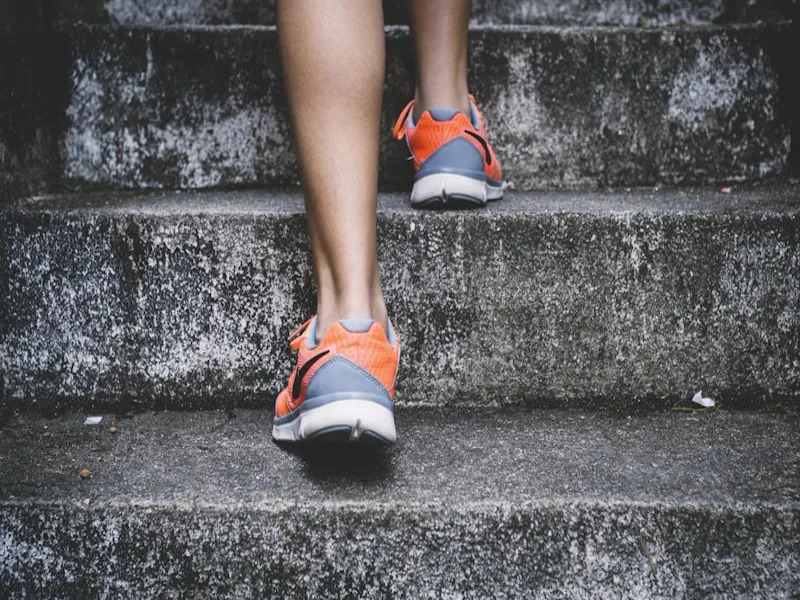
- Stair climbing
- Tennis or racquet sports
Low-impact weight-bearing (generally safer for those with more significant osteoporosis):
- Elliptical training
- Stair-step machines
- Walking at moderate pace
Walking for seniors benefits includes specific guidance on safe walking practices for those with bone health concerns.
Resistance Training
Muscle attaches to bone, and a hard contraction tugs at the attachment point; that tug directly stimulates bone formation, while the added muscle itself cushions a fall. Strength training for seniors provides foundational guidance appropriate for those with osteoporosis.
Key principles include:
- Target major muscle groups: legs, back, chest, arms
- Use moderate resistance rather than heavy weights
- Focus on proper form to avoid injury
- Include both upper and lower body exercises
- Progress gradually over weeks and months
For comparison of exercise types for bone health, strength training vs cardio bone density examines how different activities affect bone strength.
Balance and Flexibility Exercises
Balance work builds no bone at all. Its job sits one step upstream: many osteoporotic fractures begin with a fall, so preventing the fall prevents the fracture. Fall prevention strategies for seniors emphasizes how stability training keeps that chain reaction from starting.
Balance exercises include:
- Tai Chi
- Standing balance exercises
- Weight shifting
- Single-leg stands (with support if needed)
Tai Chi for seniors is particularly recommended for osteoporosis patients. Research shows Tai Chi improves balance and reduces fall risk significantly, while movements are gentle enough to avoid fracture risk.
Recommended Exercises for Osteoporosis
The following exercises are generally safe and beneficial for seniors with osteoporosis. Always consult healthcare providers before starting any new exercise program.
Walking
Walking provides weight-bearing exercise appropriate for most seniors with osteoporosis:
- Start with 10-15 minutes daily
- Gradually increase to 30-45 minutes
- Walk on flat, even surfaces
- Wear supportive, cushioned shoes
- Maintain upright posture throughout
Outdoor miles bring daylight and company; an indoor hallway or treadmill keeps the habit alive on icy days.
Tai Chi
This gentle martial art improves balance, flexibility, and body awareness:
- Slow, flowing movements reduce fall risk
- Weight shifting strengthens legs
- Improved posture reduces spine stress
- Group classes provide social connection
- Beginners can start with Tai Chi for elderly beginners classes
Multiple studies show Tai Chi reduces fall risk by 40-50% in older adults.
Resistance Training with Light to Moderate Resistance
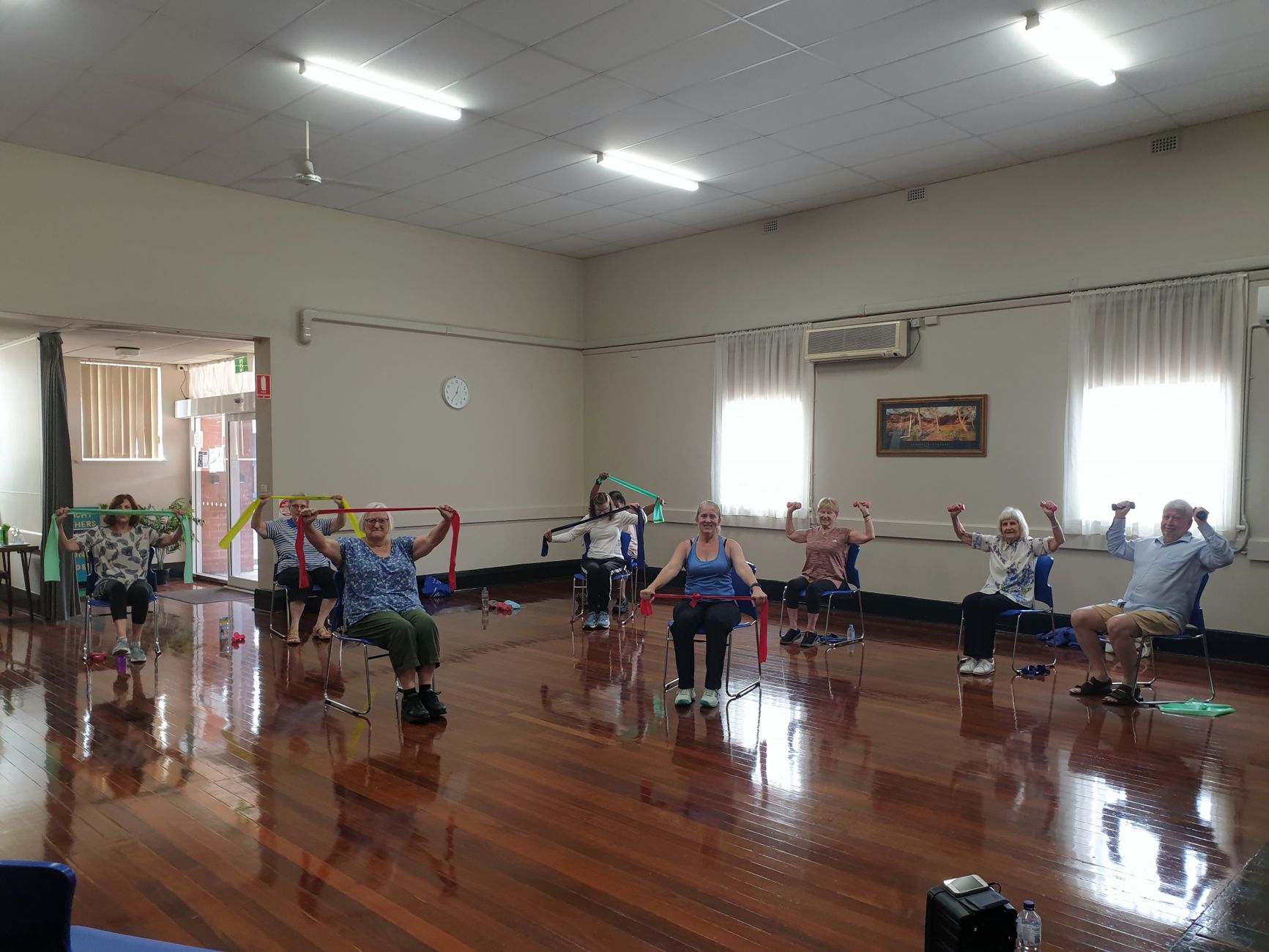
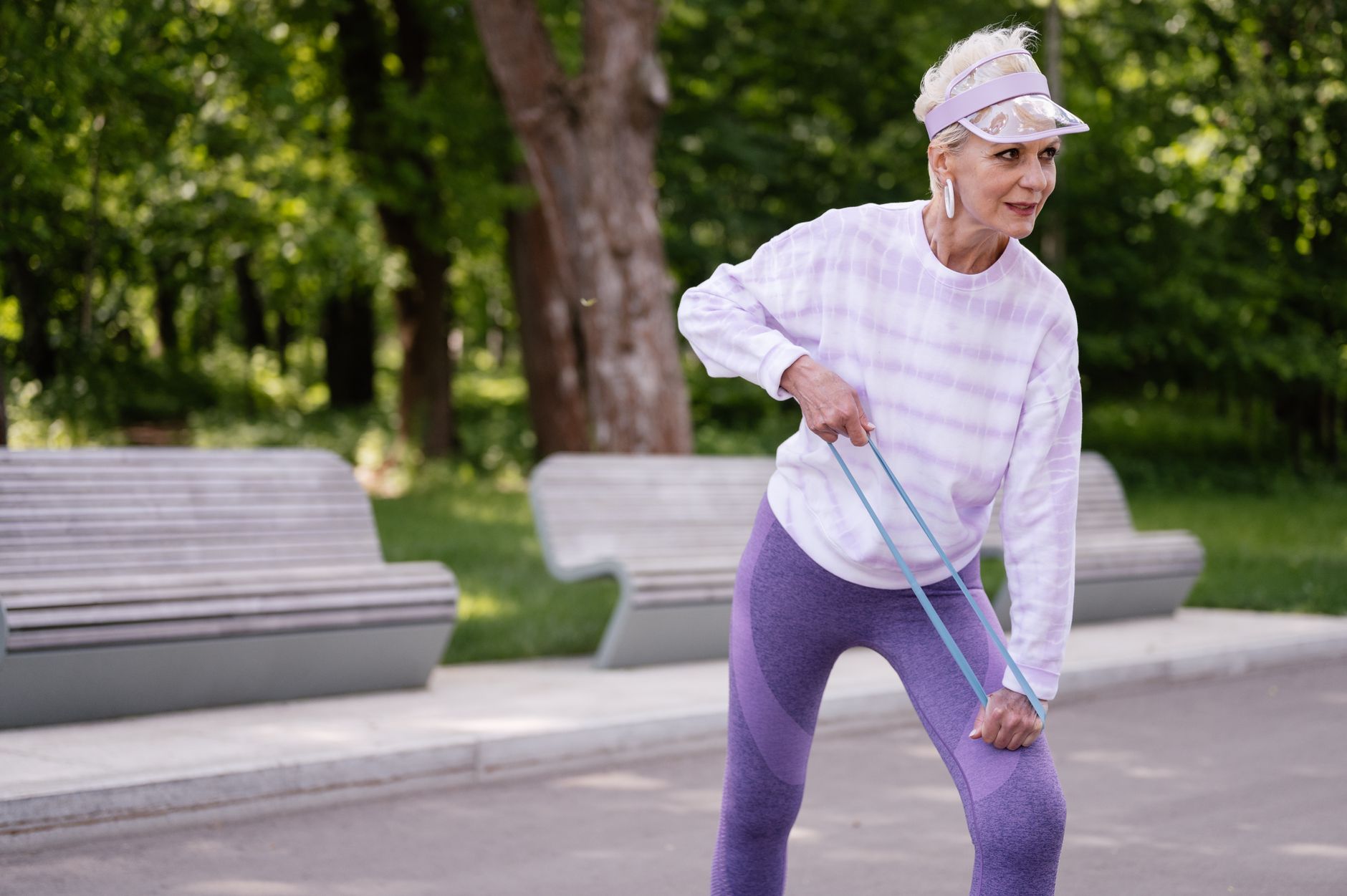
Using resistance bands, light weights, or body weight:
Upper body:
- Bicep curls with light dumbbells (2-5 pounds)
- Shoulder presses with resistance bands
- Wall push-ups (pushing away from wall)
- Seated rows with bands
Lower body:
- Leg lifts while seated or lying
- Hip extensions with bands
- Standing calf raises
- Wall sits with limited depth
Strength training for seniors over 65 provides age-appropriate guidance for resistance work.
Gentle Yoga
Certain yoga poses can benefit those with osteoporosis when practiced carefully:
- Standing poses with support
- Gentle seated stretches
- Breathing exercises
- Modified poses that avoid forward folding
Yoga for seniors beginners classes often emphasize gentle movements appropriate for bone health concerns. Work with instructors familiar with osteoporosis modifications.
Swimming and Water Exercise
Buoyancy cancels the loading, so a pool workout will not build bone. What it offers instead is cardiovascular work and strengthening with joint pain muted:
- Water walking or jogging
- Gentle water aerobics
- Lap swimming
- Water resistance exercises
Water exercise complements weight-bearing activities and provides options for those who cannot tolerate land-based exercise due to pain or other limitations.
Daily Activities
Bone keeps score outside of workout clothes, too:
- Climbing stairs (if safe and comfortable)
- Gardening and yard work
- Housework and cleaning
- Standing rather than sitting for portions of the day
Exercises and Movements to Avoid
Certain exercises and positions can increase fracture risk for those with osteoporosis. These should generally be avoided.
High-Impact Activities
Avoid exercises that involve jumping, bouncing, or sudden forceful movements:
- Running or jogging
- Jump rope or jumping exercises
- High-impact aerobics
- Sports with collision risk
These activities create sudden forces that can exceed weakened bone's capacity.
Forward Bending from the Waist
Flexing the spine forward places significant pressure on vertebral bones, which can cause fractures in osteoporosis patients.
Avoid:
- Toe touches with straight legs
- Sit-ups or crunches
- Forward folds in yoga
- Rowing machine use (unless modified)
- Bending to pick up objects from the floor
Instead, bend from hips and knees, keeping spine straight when lifting objects.
Twisting Movements Under Load
Rotating the spine while bearing weight stresses vertebral bodies unevenly:
- Golf swings
- Tennis serves
- Certain yoga twists (especially seated twists)
- Twisting while carrying objects
If rotation is necessary, move the whole body rather than twisting the spine alone.
Heavy Resistance Training
While moderate resistance is beneficial, heavy weights may create excessive stress:
- Heavy bench presses
- Deep squats with weights
- Overhead presses with heavy weights
- Machine exercises requiring significant force
Stick with light to moderate resistance that allows 10-15 repetitions with good form.
Deep Forward Flexion in Yoga and Pilates
Certain poses specifically stress the spine:
- Downward dog (can be modified)
- Full forward fold
- Plow pose
- Certain Pilates flexion exercises
Work with trained instructors who understand osteoporosis modifications. Many yoga poses can be adapted for bone health safety.
Safety Guidelines for Exercise with Osteoporosis
Following safety principles helps reduce injury risk while exercising.
Posture During Exercise
Maintain proper alignment throughout activities:
- Keep spine in neutral or slightly extended position
- Avoid slouching or forward bending
- Support back during seated exercises
- Keep shoulders back and head aligned
Good posture protects vertebral bones from excessive stress.
Progression
Start conservatively and progress gradually:
- Begin with shorter sessions (10-15 minutes)
- Add intensity slowly over weeks
- Increase repetitions before adding resistance
- Allow recovery between sessions
- Never rush progression
Bone adaptation occurs over months, not days. Patience is safer than rapid advancement.
Breathing and Form
Proper technique prevents unnecessary stress:
- Breathe steadily—don't hold breath
- Move deliberately rather than quickly
- Focus on form rather than intensity
- Stop if anything feels wrong or causes pain
Work with physical therapists or trained instructors initially to establish correct technique.
Environment Safety
Prevent falls during exercise:
- Exercise in well-lit areas
- Clear floor of obstacles
- Use stable surfaces and equipment
- Hold onto supports if balance is uncertain
- Avoid slippery surfaces
Fall prevention balance routine for seniors includes specific strategies for safe exercise environments.
Creating an Exercise Plan
A comprehensive approach combines multiple exercise types throughout the week.
Recommended Weekly Schedule
Most days:
- Weight-bearing activity: 30-45 minutes of walking or similar
- Balance practice: 5-10 minutes of Tai Chi or standing balance exercises
2-3 times per week:
- Resistance training: 20-30 minutes targeting major muscle groups
Daily:
- Gentle stretching: 5-10 minutes maintaining flexibility
- Posture awareness during daily activities
Sample Daily Routine
Morning (optional):
- 5 minutes of gentle stretching
- Posture check and awareness
Midday or afternoon:
- 30-minute walk at comfortable pace
- 5 minutes of standing balance exercises
Twice weekly strength session:
- 5 minutes warm-up (light walking)
- 15-20 minutes resistance exercises
- 5 minutes cool-down stretching
Monitoring Progress
Track improvements safely:
- Note walking duration and comfort
- Observe balance improvements
- Record resistance exercise tolerance
- Pay attention to posture throughout the day
- Note any discomfort or concerns
Regular bone density testing helps assess whether exercise is supporting bone health.
Special Considerations
Spine Fractures History
Those with previous vertebral fractures need particular caution:
- Avoid all forward bending
- Skip exercises that twist the spine
- Focus on extension-based movements
- Work closely with physical therapists
- Consider specialized exercise programs
Severe Osteoporosis
More significant bone loss requires additional care:
- Emphasize low-impact activities
- Prioritize balance training
- Use lighter resistance
- Exercise in supported positions
- Consult specialists for personalized guidance
Posture Awareness
Daily posture affects bone stress throughout the day:
- Sit with back supported
- Use chairs with good lumbar support
- Stand tall, shoulders back
- When lifting, bend knees and keep spine straight
- Consider posture training
Setting Realistic Expectations
Exercise benefits for osteoporosis accumulate gradually. Research suggests:
- 3-6 months: Initial improvements in strength, balance, and posture
- 6-12 months: Potential stabilization of bone density, reduced fall risk
- Long-term: Maintenance of bone health and fracture prevention
Exercise will not dramatically rebuild lost bone. What it does, steadily, is hold the line on current density, slow further loss, and—most importantly—reduce fracture risk through stronger legs, better balance, and taller posture.
Think in years rather than programs. A daily walk and two short weekly strength sessions, kept up for a decade, outperform any single intense month.
FAQ
Can exercise really help osteoporosis?
Yes. Research indicates that appropriate exercise can help maintain bone density, may modestly increase bone mass in some individuals, and importantly reduces fracture risk by improving strength, balance, and posture. Exercise is a cornerstone of osteoporosis management.
What exercises should I absolutely avoid with osteoporosis?
Avoid high-impact activities (running, jumping), forward bending from the waist (toe touches, sit-ups), twisting movements under load, and heavy resistance training. These create forces that can fracture weakened bones. Work with healthcare providers to understand your specific limitations.
Is walking enough exercise for osteoporosis?
Walking provides beneficial weight-bearing exercise, but comprehensive bone health requires multiple exercise types. Add resistance training 2-3 times weekly for muscle strength and bone stimulation, plus balance exercises to reduce fall risk. Walking alone is helpful but incomplete.
Can I do yoga with osteoporosis?
Yes, but with modifications. Avoid poses involving forward folding, deep flexion, or loaded twisting. Focus on standing poses with support, gentle stretches, and breathing exercises. Work with instructors trained in osteoporosis modifications. Yoga for seniors beginners classes often emphasize appropriate modifications.
Should I use weights or resistance bands?
Both can be appropriate. Resistance bands offer adjustable resistance and are often gentler on joints. Light dumbbells (2-5 pounds) work well for upper body exercises. Start with lighter resistance and progress gradually. Strength training safety tips apply to osteoporosis exercise as well.
How often should I exercise for bone health?
Most days should include weight-bearing activity (30+ minutes) and balance practice. Add resistance training 2-3 times per week. Consistency matters more than intensity—regular, moderate exercise produces better results than sporadic intense sessions.
What if I already have spine fractures?
Those with vertebral fractures need specialized guidance. Avoid all forward bending and loaded twisting. Focus on extension exercises, supported movements, and gentle balance work. Work closely with physical therapists familiar with osteoporosis and spinal fractures.
Should I take calcium and vitamin D along with exercising?
Yes. Nutrition and exercise work together for bone health. Calcium vitamin D osteoporosis explains how these nutrients support bone density. Exercise provides mechanical stimulation, while adequate nutrition provides the building materials for bone maintenance.
References
-
National Institute of Arthritis and Musculoskeletal and Skin Diseases. (2023). Osteoporosis. National Institutes of Health.
-
National Osteoporosis Foundation. (2024). Exercise for Strong Bones. NOF Guidelines.
-
Howe, T.E., et al. (2011). Exercise for preventing and treating osteoporosis in postmenopausal women. Cochrane Database of Systematic Reviews.
-
Mayo Clinic. (2024). Osteoporosis: Treatment and self-management.
-
Sinaki, M. (2013). Exercise for patients with osteoporosis: Management of vertebral compression fractures and trunk strengthening for fall prevention. Mayo Clinic Proceedings.
-
American College of Sports Medicine. (2023). Physical Activity and Bone Health. ACSM Position Stand.
Disclaimer: This information is for educational purposes only and should not replace professional medical advice. Consult healthcare providers for personalized guidance.