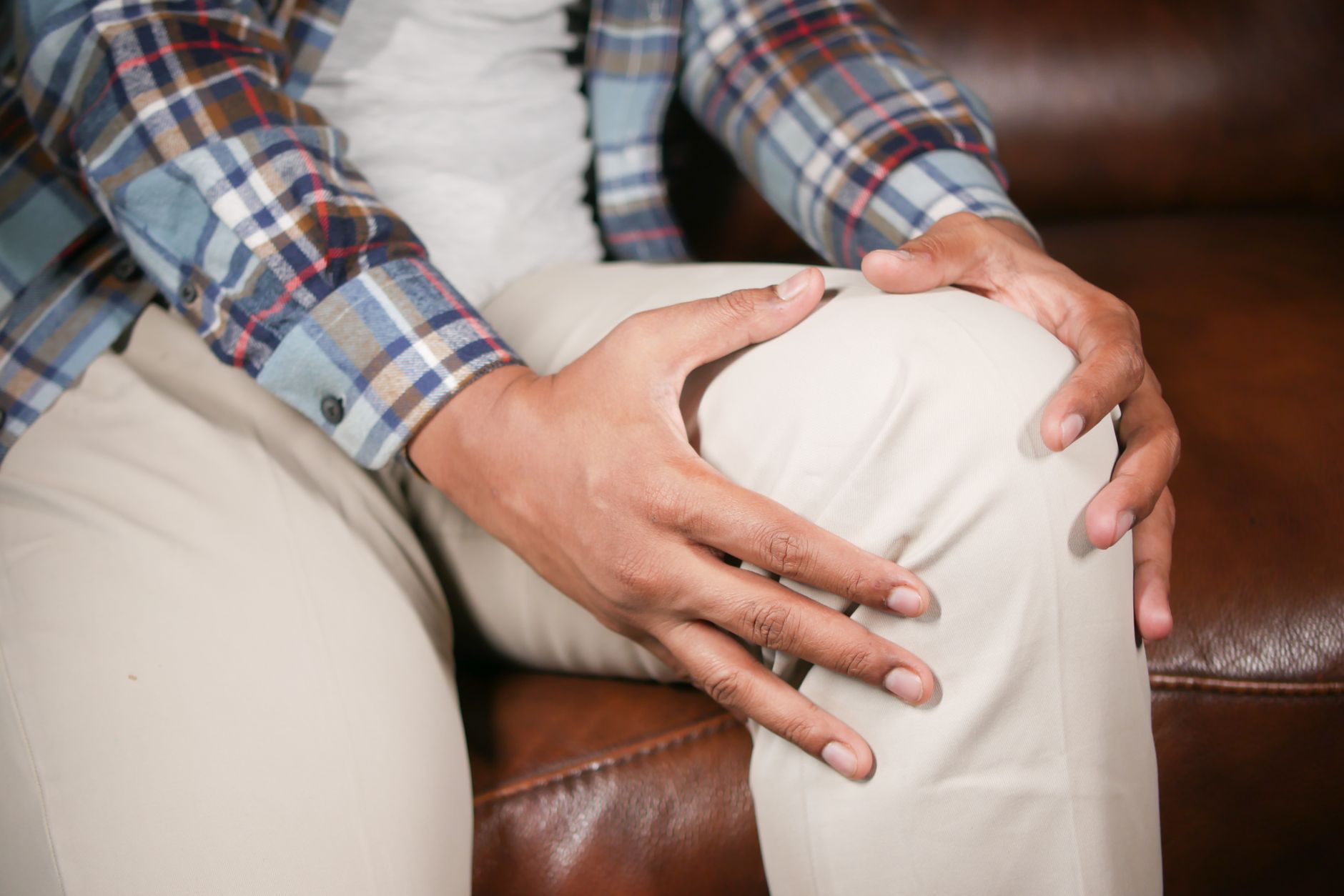
Exercise After Knee Replacement Surgery
Exercise is essential for successful recovery after knee replacement surgery. Proper rehabilitation helps restore strength, flexibility, and function while reducing the risk of complications. Following a structured exercise program under the guidance of your healthcare team is essential for regaining mobility and independence.
Quick Answer
Yes, exercise is critical after knee replacement surgery. Starting gentle exercises within 24-48 hours helps improve circulation, maintain muscle strength, and begin restoring range of motion. A gradual progression from simple movements to more challenging exercises promotes healing and helps you return to daily activities. Always follow your physical therapist's instructions and stop if you feel severe pain.
Who Is This For?
This guide is specifically designed for:
- Seniors recovering from knee replacement surgery
- Individuals preparing for knee replacement (pre-hab exercises)
- Caregivers supporting someone through recovery
- Patients looking to safely return to physical activity
- Anyone seeking comprehensive rehabilitation guidance
Benefits of Post-Surgery Exercise
Physical Benefits
- Improved mobility: Regain knee range of motion
- Stronger muscles: Build strength in quadriceps, hamstrings, and calves
- Better balance: Reduce fall risk during recovery
- Increased endurance: Gradually return to daily activities
- Faster recovery: Promote healing and reduce complications
- Reduced stiffness: Maintain joint flexibility
Mental and Emotional Benefits
- Reduced anxiety: Stay active and engaged during recovery
- Improved mood: Physical activity releases endorphins
- Increased confidence: Achieve recovery milestones
- Greater independence: Regain ability to perform daily tasks
Recovery Timeline Overview
| Phase | Timeframe | Focus | Key Exercises |
|---|---|---|---|
| Phase 1 | Weeks 1-2 | Mobility & Circulation | Ankle pumps, straight leg raises, heel slides |
| Phase 2 | Weeks 3-6 | Strength & Flexibility | Standing exercises, resistance training |
| Phase 3 | Weeks 7-12 | Function & Endurance | Walking, cycling, swimming |
| Phase 4 | 3+ Months | Maintenance & Activity | Full range of low-impact activities |
Phase 1: Early Recovery (Weeks 1-2)
Goals
- Improve circulation to prevent blood clots
- Maintain muscle tone
- Begin gentle range of motion
- Reduce swelling and pain
Key Exercises
Ankle Pumps
- Sit or lie comfortably
- Slowly point toes downward
- Pull toes upward toward shin
- Repeat 10-15 times
- Do 2-3 sets daily
- Focus on smooth movements
Straight Leg Raises
- Lie on back with legs straight
- Tighten thigh muscle (quadriceps)
- Lift leg 6-12 inches off floor
- Hold for 5 seconds
- Lower slowly
- Repeat 10-15 times per leg
- Keep knee straight throughout
Heel Slides
- Lie on back with knees bent
- Slide heel toward buttocks
- Keep other foot flat on floor
- Return to starting position
- Repeat 10-15 times per leg
- Keep movements slow and controlled
Seated Knee Extension
- Sit tall in sturdy chair
- Extend one leg forward
- Hold for 3 seconds
- Lower slowly
- Repeat 10-15 times per leg
- Keep knee cap pointing up
Quadriceps Sets
- Lie on back with legs straight
- Tighten thigh muscle
- Push back of knee into bed/floor
- Hold for 5 seconds
- Relax slowly
- Repeat 10-15 times
Activity Guidelines
- Use walker or crutches as directed
- Keep knee elevated when sitting
- Apply ice for 15-20 minutes after exercise
- Avoid putting full weight on operated leg initially
- Keep knee straight when standing
Phase 2: Building Strength (Weeks 3-6)
Goals
- Increase muscle strength
- Improve knee stability
- Begin standing exercises
- Increase weight-bearing
Key Exercises
Standing Leg Raises
- Stand holding support
- Lift one leg to side
- Keep knee straight
- Hold for 3 seconds
- Lower slowly
- Repeat 10-12 times per leg
- Keep movements controlled
Step-Ups
- Use low step or sturdy box
- Step up with operated leg first
- Push through heel to stand
- Step down with non-operated leg first
- Repeat 10-12 times
- Keep movements controlled
Seated Leg Press
- Sit with feet flat on floor
- Press feet firmly into floor
- Hold for 3 seconds
- Release slowly
- Repeat 10-15 times
- Focus on pushing through heels
Wall Slides
- Stand with back against wall
- Slide down into squat position
- Keep knees over ankles
- Hold for 5 seconds
- Slide back up
- Repeat 10-12 times
- Keep back flat against wall
Clamshell Exercise
- Lie on side with knees bent
- Keep feet together
- Open top knee like a clamshell
- Hold for 3 seconds
- Close slowly
- Repeat 10-12 times per side
- Focus on hip abductor activation
Activity Guidelines
- Gradually increase weight-bearing as directed
- Begin short walks with assistance
- Continue using assistive devices as needed
- Attend physical therapy sessions regularly
- Apply ice after longer exercise sessions
Phase 3: Functional Recovery (Weeks 7-12)
Goals
- Improve walking endurance
- Increase knee flexibility
- Return to daily activities
- Begin low-impact exercise
Key Exercises
Walking Program
- Start with 5-10 minutes twice daily
- Increase by 5 minutes each week
- Focus on proper posture and gait
- Use cane if needed for balance
- Walk on flat, even surfaces
Stationary Cycling
- Adjust seat height for comfort
- Start with low resistance
- Pedal forward and backward
- Aim for 10-15 minutes daily
- Gradually increase duration
Swimming/Water Aerobics
- Excellent low-impact cardio
- Water provides natural resistance
- Improves flexibility and strength
- Start with walking in shallow water
- Progress to swimming laps
Resistance Band Exercises
- Leg extensions with band resistance
- Clam shells with resistance band
- Standing hip abduction with band
- Glute bridges with band above knees
- Focus on controlled movements
Stretching Routine
- Hamstring stretch (seated)
- Quadriceps stretch (standing)
- Calf stretch (wall stretch)
- Hold each stretch 15-30 seconds
- Stretch gently, no bouncing
Activity Guidelines
- Gradually return to daily tasks
- Avoid high-impact activities (jumping, running)
- Use proper lifting techniques (bend at knees)
- Continue attending physical therapy
- Follow up with surgeon regularly
Phase 4: Long-Term Maintenance (3+ Months)
Goals
- Maintain strength and mobility
- Stay active with low-impact exercise
- Prevent future joint issues
- Enjoy an active lifestyle
Recommended Activities
Low-Impact Cardio
- Brisk walking (30-45 minutes daily)
- Cycling (stationary or outdoor)
- Swimming or water aerobics
- Elliptical training
- Dancing (ballroom, line dancing)
Strength Training
- Resistance band exercises
- Light dumbbell training
- Chair exercises for maintenance
- Bodyweight exercises (squats, lunges)
- Focus on major muscle groups
Balance and Flexibility
- Yoga (gentle or chair yoga)
- Tai Chi classes
- Daily stretching routine
- Balance exercises
- Core strengthening
Activity Guidelines
- Aim for 150 minutes of moderate exercise weekly
- Include strength training 2-3 times weekly
- Stay active daily with walking or light movement
- Listen to your body and rest when needed
- Maintain healthy weight to protect new knee
Important Guidelines for All Phases
What to Avoid
- High-impact activities (running, jumping, tennis)
- Deep knee bends beyond 90 degrees initially
- Lifting heavy objects (over 25 lbs initially)
- Twisting or pivoting on the operated leg
- Prolonged standing without breaks
When to Stop
- Severe pain (sharp, stabbing pain)
- Swelling or redness around the incision
- Dizziness or lightheadedness
- Difficulty breathing
- Increased warmth around the knee joint
Safety Tips
- Always have support nearby when standing
- Use assistive devices as recommended
- Wear supportive, non-slip shoes
- Keep exercise area well-lit
- Drink water before and after exercise
- Exercise at a comfortable pace
- Never push through severe pain
- Apply ice after exercise if swelling occurs
When to Contact a Healthcare Professional
Contact your surgeon or physical therapist if you:
- Experience severe pain that doesn't improve with medication
- Notice swelling, redness, or warmth around the incision
- Have difficulty breathing or chest pain
- Feel dizzy or lightheaded during exercise
- Notice instability or "giving way" in the knee
- Have questions about specific exercises
- Want to return to higher-impact activities
- Need guidance on progressing your routine
Working with Your Healthcare Team
Physical Therapy
- Attend all scheduled sessions
- Ask questions about proper form
- Follow home exercise program
- Communicate concerns or pain
- Track progress and celebrate milestones
Occupational Therapy
- Learn adaptive techniques for daily tasks
- Get recommendations for assistive devices
- Modify home environment for safety
- Practice dressing, bathing, and grooming independently
Surgeon Follow-Up
- Attend all post-op appointments
- Report any unusual symptoms
- Discuss returning to specific activities
- Get clearance before resuming high-impact exercise
Quick Reference Checklist
Daily Recovery Checklist
- Did my exercises as prescribed
- Walked for recommended time
- Used assistive devices correctly
- Applied ice to reduce swelling
- Took medications as directed
- Drank plenty of water
- Got adequate rest
Weekly Progress Checklist
- Increased exercise duration/repetitions
- Improved walking distance
- Experienced less pain/swelling
- Progressed to next phase (as approved)
- Attended physical therapy sessions
- Followed all safety guidelines
FAQ
Q: When can I start exercising after knee replacement? A: You'll start gentle exercises in the hospital within 24-48 hours after surgery. Your physical therapist will guide you through early movements.
Q: How long does full recovery take? A: Most patients return to normal activities within 3-6 months. Complete healing and strength building may take up to a year.
Q: Can I walk up stairs after knee replacement? A: Yes, but you'll need to learn the proper technique (good leg first going up, operated leg first going down). Your physical therapist will teach you.
Q: What exercises should I avoid forever? A: Avoid high-impact activities like running, jumping, and contact sports. Consult your surgeon about specific activities.
Q: Can I return to gardening after knee replacement? A: Yes, but modify activities to avoid excessive kneeling or squatting. Use kneeling pads or raised garden beds.
Q: How often should I exercise during recovery? A: Aim for daily gentle exercises, with 3-5 days of more structured strength training once you're in Phase 2.
Q: Is swimming good after knee replacement? A: Yes, swimming is excellent! It's low-impact and helps build strength without stressing the new knee.
Q: When can I drive after knee replacement? A: Most patients can drive within 4-6 weeks, but check with your surgeon. You need good leg strength and reaction time.
Key Takeaways
- Exercise is essential for successful knee replacement recovery
- Follow your healthcare team's guidance throughout all phases
- Progress gradually from gentle movements to more challenging exercises
- Avoid high-impact activities to protect your new knee
- Stay consistent with your exercise program
- Listen to your body and stop if you feel severe pain
- Celebrate milestones as you regain strength and mobility
- Maintain an active lifestyle with low-impact activities long-term
Related Articles
Exercise & Fitness
- The Ultimate Senior Exercise Guide — Back to main guide
- Exercise After Hip Replacement
- Knee Pain Exercises for Seniors
- Leg Strengthening Exercises for Seniors
- Chair Exercises for Seniors
- Gentle Yoga Stretches for Seniors
- Fall Prevention Strategies for Seniors
- Balance Exercises for Seniors
Medically Reviewed Sources
- American Academy of Orthopaedic Surgeons. (2024). Knee Replacement Recovery. AAOS.org
- Mayo Clinic. (2024). Knee Replacement Surgery. MayoClinic.org
- American Physical Therapy Association. (2024). Post-Knee Replacement Rehabilitation. APTA.org
- National Institute of Arthritis and Musculoskeletal and Skin Diseases. (2024). Knee Replacement. NIAMS.nih.gov
- OrthoInfo. (2024). Knee Replacement Recovery Guide. OrthoInfo.org
- Journal of Orthopaedic & Sports Physical Therapy. (2023). Post-Operative Knee Rehabilitation.
- American College of Sports Medicine. (2024). Exercise Guidelines for Joint Replacement Patients.
Disclaimer: This information is for educational purposes only and should not replace professional medical advice. Consult healthcare providers for personalized guidance before starting any exercise program, especially after surgery.