📌Key Takeaways
- Exercise is important at every age
- The right exercises can help you stay independent
- You're never too old to start exercising
- Consistency matters more than intensity
Why Exercise After 60 Matters
At 45, a five-minute walk was the warm-up. At 65, the warm-up may be the most carefully done part of the whole session—and the workout that follows goes better because of it. That shift isn't decline; it's a change in accounting. Tissues take longer to get ready, and the list of daily things that depend on staying strong keeps getting longer.
The National Institute on Aging puts exercise among the most effective ways to keep doing the small mechanics of an ordinary day—rising from a low chair, catching a stumble before it becomes a fall, carrying a laundry basket up the stairs. Regular physical activity can also help prevent chronic disease and hold onto muscle mass. Even if you haven't been active in years, starting now brings real changes.
Benefits of Exercise After 60
Exercise helps maintain muscle mass, improve balance, boost mood, and reduce the risk of heart disease, diabetes, and other conditions. Studies show that regular physical activity can also help manage arthritis pain and improve sleep quality.
Understanding Age-Related Changes
The changes are specific, not vague. Muscle mass drifts downward—a process called sarcopenia. Bone density may decline, particularly in women after menopause. Joints give up range of motion, and balance gets fussier. The change people underestimate most is recovery: a session a 45-year-old shakes off by dinner can leave a 70-year-old mildly sore for two days, which is why back-to-back hard days stop making sense.
None of this is a reason to sit things out. Regular movement slows much of this drift. The trick is choosing the right kinds of exercise and progressing at a pace that leaves you recovered by the next session.
Best Exercises for Seniors Over 60
Recommended Exercises
These exercises are safe and effective for seniors over 60.
- •Walking: simple, accessible, and beneficial
- •Strength training: use light weights or resistance bands
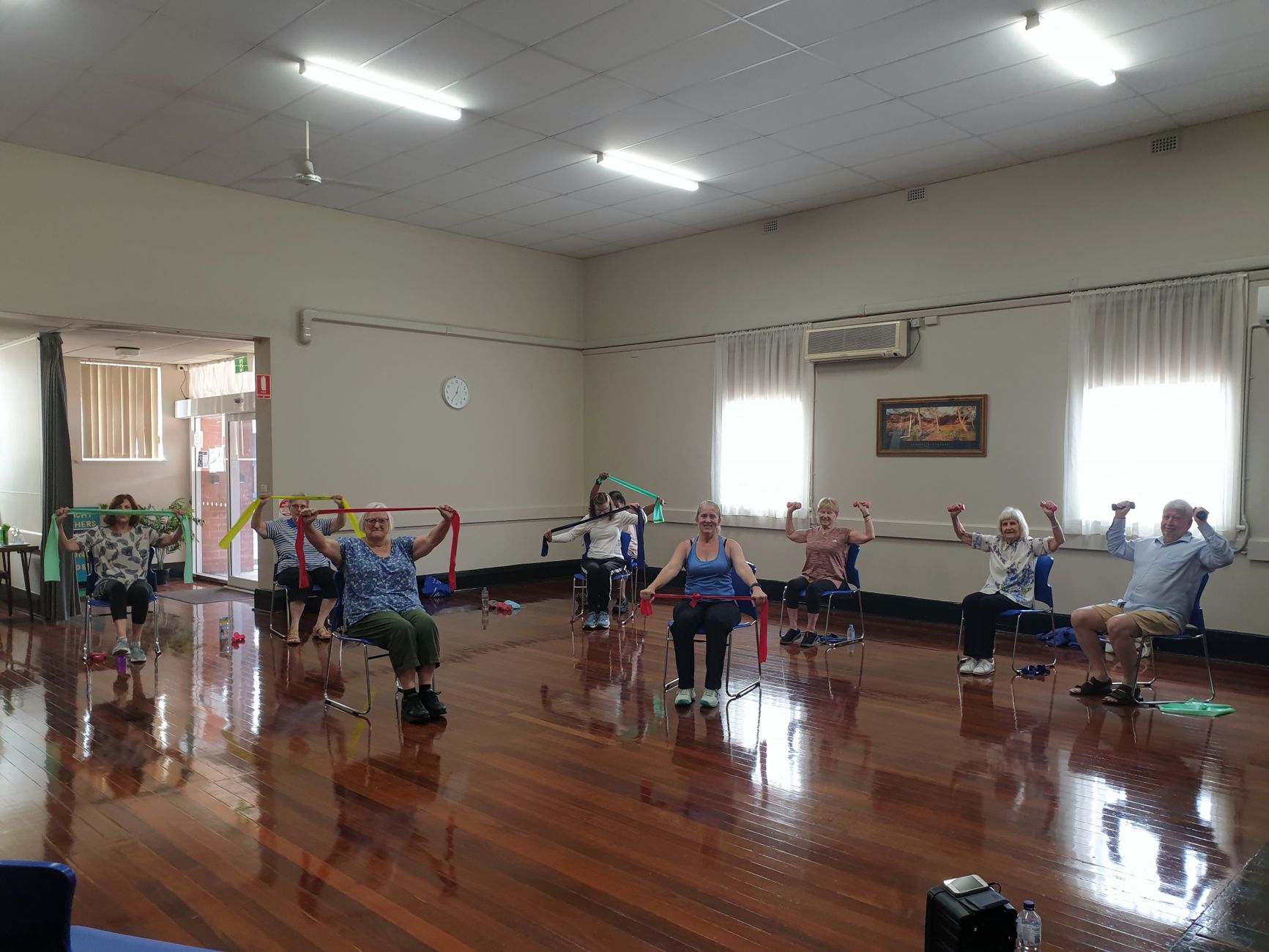
- •Chair exercises: perfect for those with limited mobility
- •Balance exercises: reduce fall risk
- •Yoga or Tai Chi: improve flexibility and calm
Aerobic Exercise for Heart Health
Cardio is the work that makes a flight of stairs matter less to your heart rate. The American Heart Association recommends at least 150 minutes of moderate-intensity aerobic activity per week for older adults.
Walking is perhaps the most accessible form of aerobic exercise for seniors. It requires no special equipment, can be done almost anywhere, and can be easily adjusted to your fitness level. Start with 10-15 minute walks and gradually increase duration.
Swimming and water aerobics are excellent options for those with joint pain or arthritis. The water supports your weight, reducing stress on joints while providing resistance for muscle strengthening.
Cycling, either outdoors or on a stationary bike, offers another low-impact cardio option. Stationary bikes are particularly safe for beginners and those with balance concerns.
Strength Training for Independence
Strength training matters more after 60, not less. Research shows that muscle strength declines about 3% per year after age 60, but regular resistance training can help maintain and even build muscle mass.
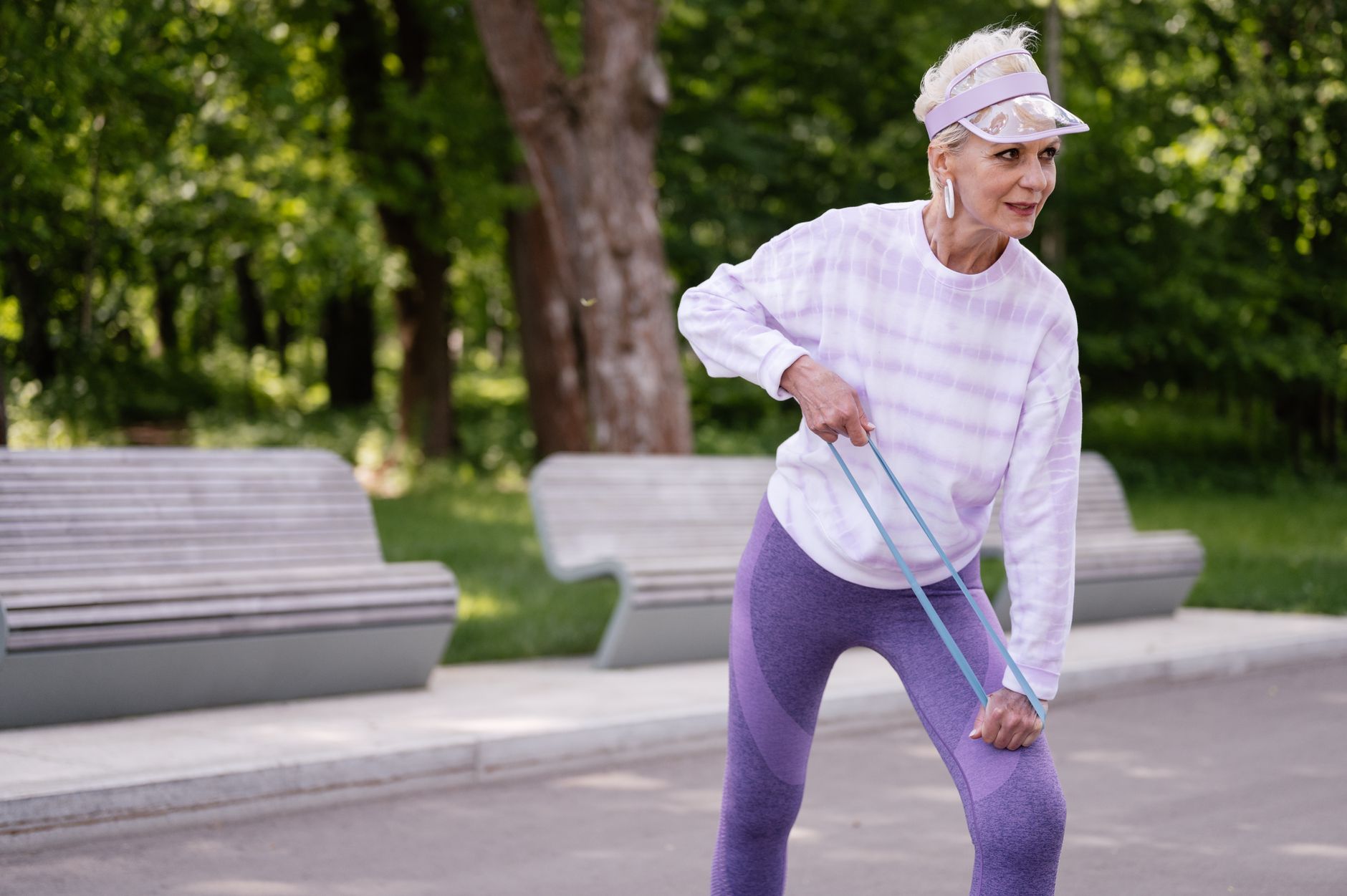
You don't need expensive equipment to strength train. Resistance bands, light dumbbells, or even your own body weight can provide effective resistance. Consider trying resistance bands designed for seniors if you're new to strength training.
Focus on major muscle groups: legs, hips, back, chest, abdomen, shoulders, and arms. The National Institute on Aging recommends strength training exercises at least twice per week.
Balance and Flexibility Exercises
Balance work is what decides whether a clipped curb or a wet patch of floor turns into an incident. Falls remain a leading cause of injury in older adults, and simple exercises—standing on one foot, walking heel-to-toe, practicing Tai Chi—can significantly improve balance.
Tai Chi has gained recognition for its benefits for seniors. This gentle practice combines slow, flowing movements with deep breathing and has been shown to improve balance, flexibility, and mental well-being.
Yoga offers similar benefits and can be adapted for all fitness levels. Chair yoga is an excellent option for those with limited mobility or balance concerns. Many seniors find that yoga helps with stress management while improving flexibility.
Tips for Starting Exercise After 60
| Tip | Description |
|---|---|
| Check with your doctor | Especially if you have health concerns |
| Start slowly | Don't push yourself too hard |
| Choose activities you enjoy | You're more likely to stick with them |
| Exercise with friends | Makes it more fun and motivating |
| Listen to your body | Stop if you feel pain |
Creating a Safe Exercise Routine
Start with a conversation with your healthcare provider. This is especially important if you have chronic conditions like heart disease, diabetes, or arthritis. Your doctor can help identify any exercises to avoid and suggest modifications.
Begin slowly and progress gradually. Give the warm-up real time and attention—after 60, it isn't the preamble to the workout, it's one of the workout's main events. If you've been inactive, start with just 5-10 minutes of activity and build up. Rushing into vigorous exercise raises injury risk and invites the kind of two-day soreness that talks people into quitting.
Pay attention to your body's signals. Some muscle soreness is normal when starting, but sharp pain, dizziness, or shortness of breath are warning signs to stop and rest.
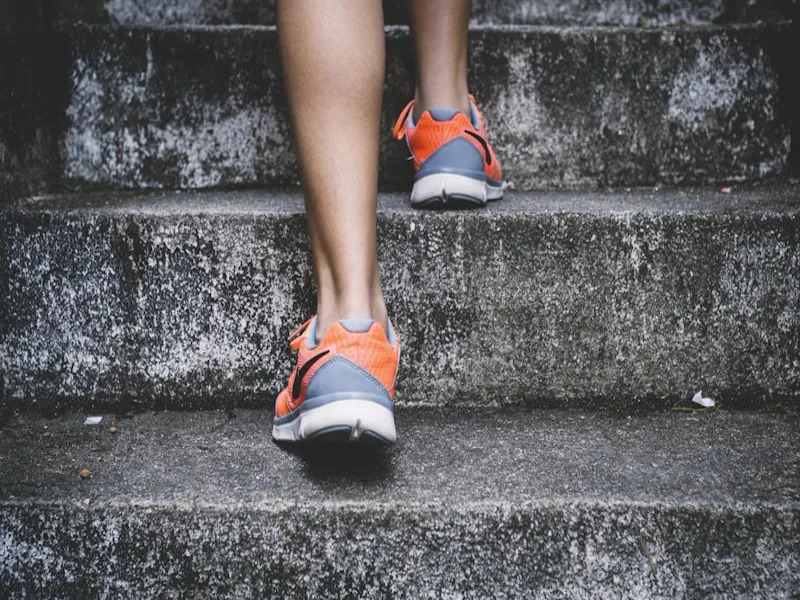
Stay hydrated and dress appropriately. Older adults may be less aware of thirst, so drink water before, during, and after exercise. Wear comfortable, supportive footwear—consider walking shoes designed for seniors if you're walking regularly.
Making Exercise a Habit
Consistency beats intensity when you're building a habit—three easy sessions this week outperform one heroic one. Research suggests that it takes about 66 days for a new behavior to become automatic.
Schedule exercise like you would any important appointment. Many seniors find that morning exercise works best—it's done before the day gets busy and can help establish a healthy morning routine.
Consider exercising with a friend or joining a class. Social support can help you stay motivated and make exercise more enjoyable. Many community centers and senior centers offer exercise classes specifically designed for older adults.
It's Never Too Late
Many seniors start exercising after 60 and see great results. You're never too old to improve your health. Studies show that even people who begin exercising in their 70s and 80s can experience significant health benefits.
Getting Started
📝Step-by-Step Guide
- 1Consult your healthcare provider
- 2Start with 10-15 minutes of activity
- 3Choose low-impact exercises first
- 4Gradually increase duration and intensity
- 5Make exercise a daily habit
- 6Celebrate your progress
Week-by-Week Progression
Week 1-2: Focus on establishing the habit. Walk for 10-15 minutes at a comfortable pace, or try a beginner's exercise video. The goal is simply to move your body regularly.
Week 3-4: Gradually increase duration. Add 5 minutes to your walks, or try adding a second type of exercise, such as gentle stretching or balance exercises.
Week 5-8: Introduce variety. Add strength training twice per week using resistance bands or light weights. Continue your aerobic and flexibility exercises.
Week 9-12: Build toward recommended levels. Aim for at least 150 minutes of moderate aerobic activity per week, plus strength training twice weekly.
Tracking Your Progress
Keeping track of your exercise can help you stay motivated and notice improvements. Consider using a fitness tracker designed for seniors to monitor steps, heart rate, and other metrics.
Many older adults find that keeping a simple exercise journal helps them stay accountable. Note what exercises you did, how long, and how you felt afterward. Over time, you'll be able to look back and see your progress.
When to Seek Professional Help
Consider working with a physical therapist or certified fitness professional who specializes in older adults if:
- You're recovering from an injury or surgery
- You have significant joint pain or mobility limitations
- You have multiple chronic health conditions
- You're unsure how to exercise safely with your health concerns
A professional can create a personalized exercise plan that addresses your specific needs and goals while ensuring your safety.
Frequently Asked Questions
Q: How often should seniors exercise? A: The recommended amount is at least 150 minutes of moderate-intensity aerobic activity per week, plus strength training twice a week. However, any amount of physical activity is better than none. Start where you are and gradually increase.
Q: Is it safe for seniors to lift weights? A: Yes, strength training is safe and beneficial for most seniors when done correctly. Start with light weights and proper form. Consult your doctor before beginning, especially if you have health conditions.
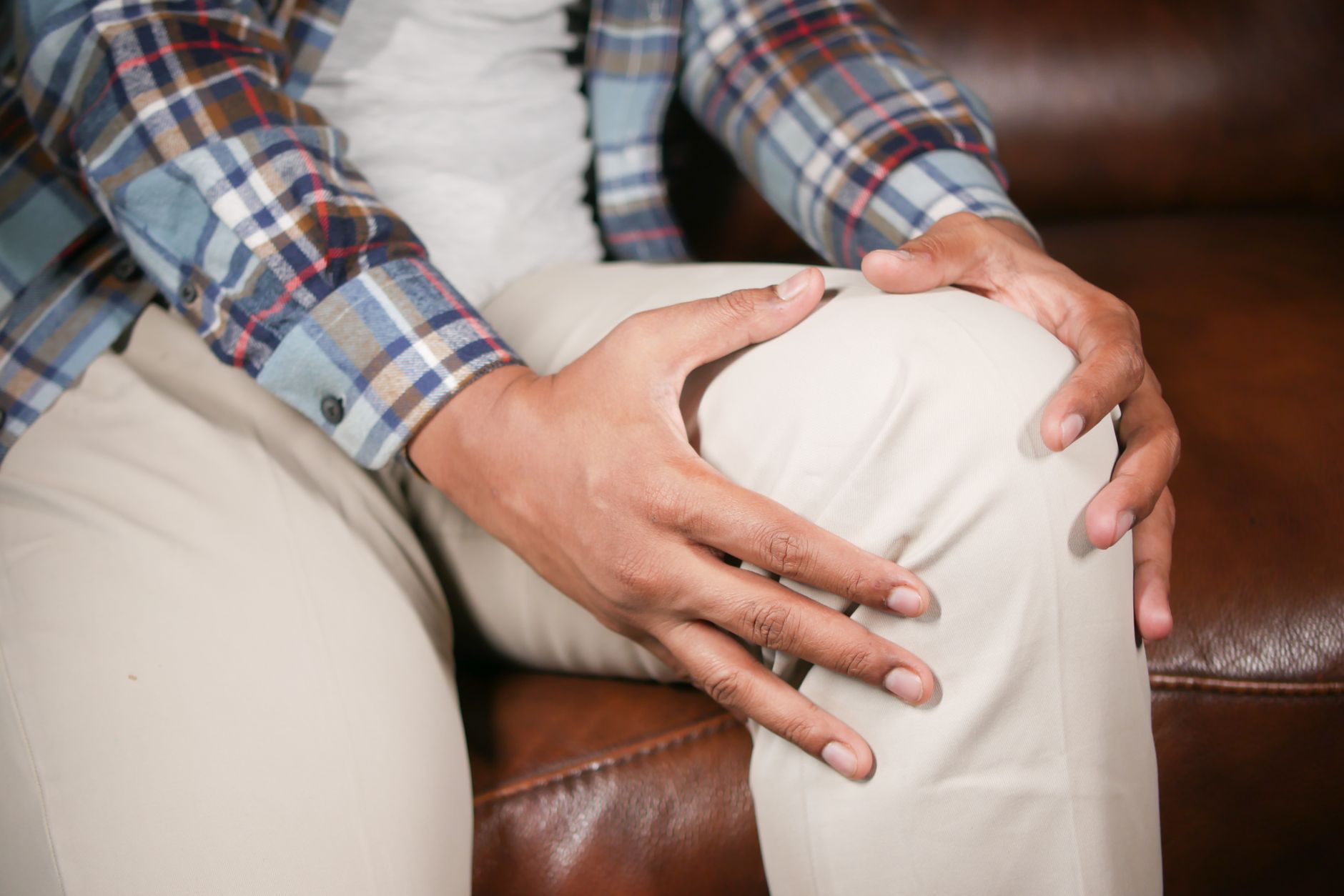
Q: What if I have arthritis or joint pain? A: Low-impact exercises like swimming, water aerobics, and cycling are excellent options. Gentle stretching and range-of-motion exercises can help maintain joint flexibility. Consult your doctor or a physical therapist for personalized recommendations.
Q: How can I exercise if I have limited mobility? A: Chair exercises are a great option for those with limited mobility. Many exercises can be adapted to be done seated, including strength training, stretching, and even some cardio movements.
Q: Should I exercise if I feel tired? A: It depends. If you're just feeling a bit sluggish, light exercise might actually boost your energy. However, if you're experiencing persistent fatigue, it's worth checking with your doctor to rule out underlying issues.
Q: How do I know if I'm exercising at the right intensity? A: The "talk test" is a simple way to gauge intensity. During moderate exercise, you should be able to carry on a conversation but not sing. If you can't talk comfortably, you're working too hard. If you can sing, you could work a bit harder.
Q: Can exercise help with balance problems? A: Yes, specific balance exercises can significantly improve stability and reduce fall risk. Tai Chi, in particular, has strong evidence for improving balance in older adults. Learn more about balance problems in older adults.
Q: What should I do if I experience pain during exercise? A: Stop immediately. Some muscle soreness after exercise is normal, but sharp or persistent pain during exercise is not. If pain continues, consult your healthcare provider before resuming exercise.
Conclusion
Fitness after 60 is mostly an accounting problem: warm up like you mean it, leave enough in the tank to recover before the next session, and show up again when that session comes around. Done consistently, that approach outperforms occasional heroic efforts, whether you're starting fresh or coming back after a long break.
Any movement is better than none, including the five minutes you nearly skipped. The only step that has to happen today is the first one.
Age is Just a Number
Your 60s and beyond can be some of your most active years. Start today!
References
-
National Institute on Aging. (2024). Exercise and Physical Activity for Older Adults. Retrieved from https://www.nia.nih.gov/health/exercise-and-physical-activity/exercise-and-physical-activity-older-adults
-
American Heart Association. (2023). Recommendations for Physical Activity in Older Adults. Retrieved from https://www.heart.org/en/healthy-living/fitness/fitness-basics/aha-recs-for-physical-activity-in-older-adults
-
Centers for Disease Control and Prevention. (2023). Physical Activity and Health: Older Adults. Retrieved from https://www.cdc.gov/physicalactivity/basics/older_adults/index.htm
-
U.S. Department of Health and Human Services. (2018). Physical Activity Guidelines for Americans, 2nd edition. Washington, DC: U.S. Department of Health and Human Services.
-
McPhee, J. S., et al. (2016). Physical activity in older age—implications for health and function. The Journal of Physiology, 594(8), 2131-2152.
-
American College of Sports Medicine. (2023). Exercise and Physical Activity for Older Adults. Retrieved from https://www.acsm.org/education-resources/trending-topics-resources/resource-library/resource-library-detail?id=c4e0c4fd-3d01-4bb8-b6d3-0c75a04a51be
Always consult with your healthcare provider before starting any new exercise program.