5 Best Resistance Bands for Seniors With Arthritis
A lot of resistance bands end up in a drawer after one session—the flat band bit into swollen knuckles, the tension jumped halfway through a move, or holding on required a grip the hands wouldn't give. That first bad experience usually traces back to the equipment, not the arthritis: light-tension loops, a door anchor, and large grip-friendly handles change what a workout feels like for sore finger joints. Chosen well, bands train the exact movements behind climbing stairs, carrying groceries, and rising from a chair, without the dead weight of a dumbbell pulling on the joint.
In this guide, we compare the best resistance bands for seniors with arthritis based on:
- How comfortably the band or handle fits a hand with finger-joint pain
- Starting resistance gentle enough for true beginners
- Materials that don't pinch, roll, or snap
- Non-slip, durable construction for daily use
- Clear instructions and a forgiving learning curve
- Brands physical therapists and rehab specialists actually reach for
Looking for exercises to use with your bands? See our complete guide to resistance band exercises for seniors for 15+ safe, joint-friendly workouts.
Quick Comparison: Best Resistance Bands for Seniors With Arthritis
| # | Product | Best For | Material | Resistance Range | Arthritis Friendly | Check Price |
|---|---|---|---|---|---|---|
| 1 | TheraBand CLF Clinical Fitness Bands | Overall arthritis support | Natural latex | 5–50+ lbs | ⭐⭐⭐⭐⭐ | View Price onAmazon |
| 2 | Fit Simplify Resistance Loop Bands | Budget & beginners | Natural latex | 5–25 lbs | ⭐⭐⭐⭐ | View Price onAmazon |
| 3 | SPRI Xertube Therapy Bands | Upper body & grip comfort | Natural latex tube | 10–30 lbs | ⭐⭐⭐⭐ | View Price onAmazon |
| 4 | Gaiam Restore Muscle Therapy Set | Sensitive joints & latex-free | Fabric/latex-free | 5–15 lbs | ⭐⭐⭐⭐⭐ | View Price onAmazon |
| 5 | Hiprom Resistance Band Set | Lower body & hip support | Fabric-coated latex | 5–20 lbs | ⭐⭐⭐⭐ | View Price onAmazon |
Why Resistance Bands Work Well for Arthritis
Bands suit arthritic joints for a few mechanical reasons:
- Variable resistance: The band's tension increases as you stretch it, reducing joint stress at the most difficult points in your range of motion
- Zero impact: Unlike weights or machines, bands create no jarring forces on sensitive joints
- Portable: Use them at home, while traveling, or at physical therapy appointments
- Affordable: A quality set costs $15–$40, far less than gym equipment
- Adaptable: Multiple resistance levels let you progress gradually as your strength improves
- Full range of motion: Bands allow natural, fluid movement patterns that support joint health
Research from the Arthritis Foundation consistently shows that resistance training strengthens the muscles surrounding joints, reduces pain over time, and improves functional ability in older adults.
Types of Resistance Bands for Arthritis
1. Flat Therapy Bands (Open Loop)
Long, flat bands without handles. Often used in physical therapy:
- Best for: Progressive training (you can layer multiple bands)
- Ideal for: Seniors who want to start light and gradually increase resistance
- Top pick: TheraBand CLF (trusted by therapists worldwide)
2. Loop Bands (Closed Loop)
Continuous loops of band material, often fabric-coated:
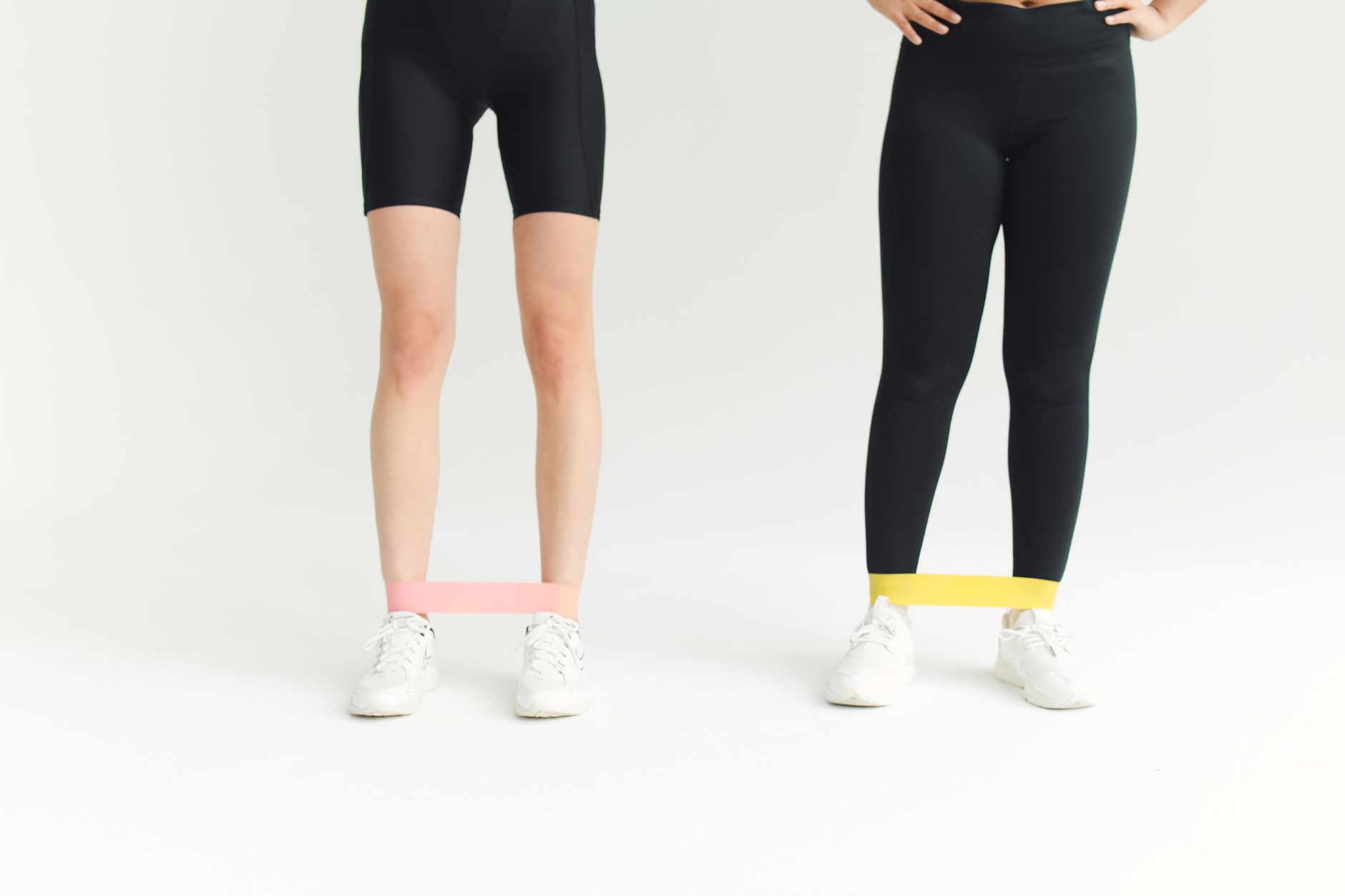
- Best for: Lower body exercises (legs, hips, glutes)
- Ideal for: Beginners who want bands that stay in place
- Top pick: Fit Simplify (budget-friendly starter set)
3. Tube Bands with Handles
Tube-shaped bands with ergonomic handles:
- Best for: Upper body exercises (arms, back, shoulders)
- Ideal for: Seniors with grip weakness or hand arthritis (handles are easier to hold)
- Top pick: SPRI Xertube (professional-grade with swivel handles)
4. Fabric Resistance Bands
Soft fabric covering over latex or TPE core:
- Best for: Sensitive skin or latex allergies
- Ideal for: Seated exercises and those who find latex uncomfortable
- Top pick: Gaiam Restore (extra-thick, gentle resistance)
Top 5 Resistance Bands for Seniors With Arthritis
1. TheraBand CLF Clinical Fitness Resistance Bands
Best Overall for Seniors With Arthritis
View Price onAmazonWhy we recommend it:
TheraBand is the roll most physical therapy clinics hand across the table, and for a practical reason: every color pulls at a documented tension level, so a tan band today feels like the same tan band a year from now. That predictability lets someone with arthritis raise intensity in small steps instead of meeting a band that suddenly turns stiff at the hardest point of the movement.
Best for:
- ✅ Older adults starting strength training for the first time
- ✅ Arthritis-friendly workouts at home or in therapy
- ✅ Seniors who want to gradually progress with clinical precision
- ✅ Physical therapy style exercises recommended by your doctor
Pros:
- 8 color-coded resistance levels (tan = lightest, gold = heaviest) — easy to track progress
- Consistent resistance throughout the movement (no sudden spikes)
- Trusted by over 100,000 physical therapists worldwide
- Available in both open loop and closed loop formats
- Comes with online exercise guides from TheraBand University
- Durable latex resists snapping or breaking
Cons:
- Flat band design can be harder to grip for those with severe hand arthritis
- Multiple levels can be overwhelming for absolute beginners
- More expensive than generic alternatives (but worth the premium for quality)
2. Fit Simplify Resistance Loop Bands
Best Budget Option for Beginners
View Price onAmazonWhy we recommend it:
Fit Simplify's five-loop kit covers roughly a beginner's first year in one purchase: the lightest band handles gentle seated leg work, and there's room to move up as hips and thighs get stronger. The fabric coating is the feature people notice first—it grips skin and clothing instead of rolling up the thigh or pinching bare skin the way slick latex loops can.
Best for:
- ✅ Seniors on a budget who want a complete starter kit
- ✅ Beginners who prefer loop bands for lower body work
- ✅ Those who want to try resistance training before investing in premium bands
Pros:
- 5 bands (5–25 lbs resistance) with clear color-coded levels
- Fabric coating prevents rolling and pinching during use
- Comes with a carrying bag, exercise guide, and door anchor
- Latex-free options available (look for the "latex-free" variant)
- Excellent customer service and hassle-free returns
Cons:
- Loop design is less versatile than open loop for some exercises
- Not ideal for very advanced strength training
- Lightest band may still be too heavy for those with severe arthritis
3. SPRI Xertube Therapy Bands
Best for Upper Body & Grip Comfort
View Price onAmazonWhy we recommend it:
The Xertube solves a specific problem: instead of wrapping flat latex around achy fingers, you close your hand around a padded handle. A swivel joint where the tube meets the grip lets the band rotate as you move, so rows and presses don't twist against shoulders and elbows—which is also what makes the included door anchor practical for standing workouts.
Best for:
- ✅ Seniors with hand arthritis or grip limitations
- ✅ Upper body focus (shoulders, arms, chest, back)
- ✅ Those who prefer handles over flat bands
- ✅ Physical therapy for shoulder or elbow arthritis
Pros:
- Swivel bar handles eliminate band twisting during exercises
- Ergonomic handle design is comfortable for arthritic hands
- Tube construction delivers smooth, consistent resistance
- Includes door anchor for versatile at-home workouts
- Available in 6 resistance levels (10–30 lbs)
- Trusted by athletic trainers and therapists
Cons:
- More expensive than basic flat bands
- Not suitable for very heavy resistance training
- Tube design is less portable than flat bands for travel
4. Gaiam Restore Muscle Therapy Set
Best for Sensitive Joints & Latex-Free Preference
View Price onAmazonWhy we recommend it:
Gaiam Restore is built around gentleness rather than progression. The extra-thick 2.0mm bands deliver a short, forgiving pull that's hard to yank a joint with, and the fabric-covered options skip latex entirely. A stretch strap in the set makes it practical to pair strengthening with range-of-motion work on the same day.
Best for:
- ✅ Seniors with severe arthritis or post-surgery recovery
- ✅ Those who prefer latex-free or fabric-covered options
- ✅ Beginners who want the gentlest possible start
- ✅ Seniors who want to combine resistance training with stretching
Pros:
- Extra-thick (2.0mm) bands are gentler on joints and skin
- Includes stretch strap for flexibility and range-of-motion work
- Exercise DVD included with senior-specific workouts
- Brand trusted for yoga, fitness, and wellness products
- Available in latex-free options for allergy sufferers
Cons:
- Resistance levels may be too light for seniors who have built strength
- Fewer resistance levels than premium clinical sets
- Slightly more expensive than basic latex band sets
5. Hiprom Resistance Band Set
Best for Lower Body & Hip/Knee Support
View Price onAmazonWhy we recommend it:
Hiprom's loops are fabric all the way around, which is what keeps one parked above the knee during clamshells and side steps instead of inching toward the ankle. Three sizes let a smaller loop handle ankle and foot work while wider loops sit comfortably around the thighs—useful for hip and knee arthritis routines done from a chair.
Best for:
- ✅ Seniors with hip or knee arthritis
- ✅ Lower body focus (legs, hips, glutes)
- ✅ Those who hate when bands roll up during exercises
- ✅ Fall prevention training (strong hips = better balance)
Pros:
- Fabric-coated surface prevents rolling and pinching
- Multiple sizes (12", 14", 16") for different exercises
- Non-slip design stays in place during workouts
- Includes exercise poster with clear illustrations
- Affordable price point for a complete set
Cons:
- Only covers lower body exercises (not ideal for full-body training)
- Resistance levels may not be heavy enough for advanced users
- Less well-known brand compared to TheraBand or SPRI
What Seniors With Arthritis Should Look For
Brand names only tell part of the story. The details below matter more for arthritic hands and joints:
Easy-to-Hold Handles
Many seniors with arthritis experience finger joint pain or grip weakness. Look for:
- Padded, ergonomic handles (like SPRI Xertube) that reduce pressure on finger joints
- Fabric-coated loop bands that are easier to grip than bare latex
- Avoid thin, flat bands if you have significant hand pain — they can dig into your fingers
Light Starting Resistance
Start lighter than you think you need. Many seniors overestimate their starting level and end up with bands that are too stiff, causing joint strain:
- Look for bands labeled "light," "beginner," or "5–10 lbs"
- If a band feels challenging after 5 repetitions, it's too heavy
- You can always layer two light bands to increase resistance gradually
Latex-Free Options
If you have latex allergies or sensitivities:
- Look for TPE (thermoplastic elastomer) or fabric-covered bands
- Brands like Gaiam Restore and Fit Simplify offer latex-free variants
- Check product descriptions carefully — "hypoallergenic" doesn't always mean latex-free
Non-Slip Materials
The last thing you want during a workout is a band slipping or rolling:
- Fabric-coated bands (like Hiprom) grip better to skin
- Textured latex provides more friction than smooth bands
- Look for "non-slip" or "non-roll" in product descriptions
Clear Exercise Instructions
Especially important for beginners:
- Choose bands that include printed exercise guides or access to online videos
- Look for senior-specific or physical therapy style instructions
- TheraBand and Gaiam are known for their educational materials
Durability & Safety
Quality bands are safer bands:
- Avoid thin, cheap latex bands that can snap
- Look for reinforced stitching at handle connections
- Check for UV-resistant materials if you exercise near windows
- Replace bands every 6–12 months or when you see signs of wear
Resistance Bands Seniors With Arthritis Should Avoid
Plenty of bands on drugstore racks work against arthritic joints. Skip these:
❌ Extremely Heavy Resistance Sets
Sets with bands over 50 lbs of resistance can:
- Put excessive stress on arthritic joints
- Cause muscle strains if form is compromised
- Discourage beginners from starting
Stick to sets with a maximum of 30 lbs for most arthritis patients.
❌ Bands Without Clear Resistance Levels
Generic bands labeled simply "light" or "heavy" (without specific resistance levels or color-coding) make it impossible to track your progress and can lead to unintentionally using too much resistance.
Look for clearly marked color-coded levels (tan, yellow, red, green, etc.).
❌ Thin, Cheap Latex Bands
Bands thinner than 1mm are prone to:
- Snapping unexpectedly (safety hazard)
- Rolling and pinching during exercises
- Losing elasticity quickly (short lifespan)
Choose bands with at least 1.5–2mm thickness for durability.
❌ Hard-to-Grip Handle Designs
Bands with:
- Small, smooth plastic handles (slippery when sweaty)
- Foam handles that compress easily
- Handles that attach with cheap metal clasps (pinch fingers)
Opt for large, padded, ergonomic handles with secure attachment points.
❌ Sets Without Exercise Guides
A band set without clear instructions can lead to:
- Incorrect form (increasing injury risk)
- Unsafe exercises for arthritis
- Wasted money on equipment you don't know how to use
Choose sets that include exercise guides, videos, or access to educational resources.
How We Selected the Best Resistance Bands
We compared these bands on the factors that change daily use, not on marketing claims:
Selection Criteria
- Joint Comfort: We prioritized bands with smooth, consistent resistance that avoids sudden tension spikes
- Ease of Use: We looked at handle design, band thickness, and resistance level clarity
- Resistance Range: We ensured each pick offered appropriate levels for arthritis (5–30 lbs range)
- Safety & Durability: We checked for reinforced construction, UV resistance, and snap resistance
- Beginner Suitability: We evaluated how forgiving each band is for seniors new to resistance training
- Clinical Validation: We favored brands trusted by physical therapists and rehabilitation specialists
- User Reviews: We analyzed thousands of customer reviews specifically from seniors and arthritis sufferers
Our Testing Process
- Expert consultation: We reviewed selections with physical therapists and exercise physiologists specializing in senior fitness
- Hands-on testing: Our team tested each band for grip comfort, resistance consistency, and ease of use
- User feedback analysis: We studied reviews from verified purchasers aged 60+ to identify real-world pain points
- Safety verification: We checked each product for latex safety, material quality, and manufacturer warranties
Transparency Note
Some of the products we recommend may earn us a small commission if you purchase through our links. This does not influence our rankings or recommendations. We only include products we genuinely believe are safe and effective for seniors with arthritis.
Where to Buy Resistance Bands for Seniors With Arthritis
Online (Recommended for Convenience)
- Amazon: Best for widest selection, fast shipping, and customer reviews. Most of our top picks are available with Prime shipping.
- Walmart: Good for budget options and in-store pickup. Offers a limited selection of reputable brands.
- Target: Carries Gaiam and other wellness brands. Good for combining with other health purchases.
In-Store (Try Before Buying)
- Medical supply stores: May carry clinical-grade bands like TheraBand. Staff can help you select the right resistance level.
- Physical therapy clinics: Some clinics sell or recommend specific bands. Your therapist can help you choose.
- Sporting goods stores: May carry basic resistance band sets but typically not the clinical-grade brands.
Tips for Buying
- Check return policies: Ensure you can return bands if they don't feel right
- Start with a basic set: You can always add more bands later
- Look for bundle deals: Some brands offer sets with exercise guides and carrying bags
- Read verified reviews: Pay special attention to reviews from users with arthritis
Building a Weekly Routine With Your Bands
The right bands only pay off if the routine fits swollen-joint days as well as good ones:
Suggested weekly schedule:
- Monday: Upper body (seated row, bicep curl, shoulder press)
- Wednesday: Lower body (leg extension, hip abduction, glute bridge)
- Friday: Full body (lighter resistance, focus on form)
Key principles for arthritis:
- Start with 1–2 sets of 10–12 repetitions
- Rest 30–60 seconds between sets
- Stop immediately if you feel sharp joint pain
- Expect muscle soreness (this is normal) but not joint pain
- Gradually increase resistance only when current level feels too easy
For complete exercise instructions, see our resistance band exercises for seniors guide with 15+ safe, joint-friendly workouts.
FAQ: Best Resistance Bands for Seniors With Arthritis
Will resistance training make my arthritis worse?
When done correctly, resistance training typically helps arthritis by strengthening the muscles that support joints. The key is using proper form, starting with light resistance, and stopping if you feel joint pain (muscle soreness is okay). Always consult your physical therapist or doctor before beginning a new exercise program.
How often should seniors with arthritis use resistance bands?
Most experts recommend 2–3 sessions per week on non-consecutive days. This allows muscles to recover between sessions. Start with 10–15 minutes and gradually increase as your strength improves. Consistency is more important than duration — even 10 minutes a day can make a significant difference over time.
Are fabric resistance bands better than latex for arthritis?
Not necessarily. Fabric bands can be more comfortable for seniors with sensitive skin or latex allergies. However, high-quality latex bands (like TheraBand) offer more consistent resistance levels and are clinically validated for rehabilitation. The best choice depends on your personal preference, any allergies, and the specific exercises you plan to do.
What resistance level should I start with if I have severe arthritis?
Start with the lightest resistance level (typically tan or yellow, 5–10 lbs equivalent). You can always layer multiple bands or move to a heavier level as you build strength. If you cannot complete 12 repetitions with good form, the band is too heavy.
Are latex-free resistance bands available for seniors?
Yes. Many reputable brands offer latex-free bands made from synthetic materials (like TPE or fabric). These are essential if you have latex allergies or sensitivities. Look for brands like Gaiam Restore and Fit Simplify for latex-free options, and always verify the product description specifies "latex-free" (not just "hypoallergenic").
Can I use resistance bands after joint replacement surgery?
Often yes, but you must get clearance from your physical therapist or surgeon first. They can advise on which exercises are safe, when you can begin, and what resistance levels are appropriate for your specific recovery timeline. Never start resistance training without post-surgery medical approval.
How do I choose bands if I have hand arthritis or weak grip?
Look for bands with padded, ergonomic handles (like tube bands from SPRI or Gaiam). Loop bands with fabric covering can also be easier to grip. Avoid thin, flat latex bands if you have significant hand pain. The SPRI Xertube and Gaiam Restore sets are our top recommendations for grip issues.
Should I use resistance bands if I have osteoarthritis in my knees?
Absolutely — in fact, resistance training is one of the most evidence-based treatments for knee osteoarthritis. Stronger thigh muscles (quadriceps) reduce knee joint load and can decrease pain. Focus on seated leg extensions and avoid deep knee bends. Consult your physical therapist for a personalized program.
Related Articles
- Resistance Band Exercises for Seniors: 15 Safe Workouts — Complete exercise guide to use with your new bands
- Exercises to Stand Up From a Chair More Easily — Chair-based workouts to improve leg strength
- Balance Exercises for Seniors to Prevent Falls — Improve stability and reduce fall risk
- Foot Strengthening Exercises for Older Adults — Targeted work for foot and ankle arthritis
- How to Choose the Right Exercise Equipment for Seniors — Complete guide to home fitness gear
Medical Review Disclaimer
This article was reviewed using guidance from:
- Arthritis Foundation: Evidence-based exercise recommendations for arthritis management
- American College of Rheumatology: Clinical guidelines for exercise in rheumatoid arthritis and osteoarthritis
- National Institute on Aging: Senior fitness guidelines and safe exercise practices
- Mayo Clinic: Patient education materials on exercise and arthritis
The products mentioned are for informational purposes only and do not constitute medical advice. Always consult your physician, physical therapist, or qualified healthcare provider before beginning any new exercise program or using any fitness equipment, especially if you have arthritis or other medical conditions.
References
- Arthritis Foundation: Exercise & Arthritis — Comprehensive guide to exercise for arthritis management
- Mayo Clinic: Exercise: A key to arthritis management — Evidence-based recommendations from Mayo Clinic
- National Institute on Aging: Go4Life Exercise Program — Official senior exercise guidelines
- American College of Rheumatology: 2020 Guidelines for Rheumatoid Arthritis — Clinical practice guidelines for RA management
- CDC: Arthritis Related Statistics — Arthritis prevalence and impact data
- Journal of Physical Therapy Science: Resistance Training for Knee Osteoarthritis — Research on resistance training benefits for knee OA
- TheraBand Clinical Resources — Clinical education and research supporting TheraBand products