📌Key Takeaways
- Blood pressure monitors help track cardiovascular health
- Hearing aids improve communication and quality of life
- Medical alert systems provide emergency response
- Fitness trackers encourage physical activity
- Pulse oximeters monitor oxygen levels
- Regular monitoring supports proactive health management
Walk through a home where someone has managed chronic conditions for a decade, and you will often find a shelf of single-purpose devices: a blood pressure cuff used twice a day, a pulse oximeter still in the bag from a hospital stay, an alert pendant resting in its charger. According to the Centers for Disease Control and Prevention, chronic conditions such as hypertension, hearing loss, and heart disease become more common with age, and the right equipment can help seniors monitor their health and stay safe at home.
The useful distinction is between what gets used daily and what was prescribed or bought once and then parked in a drawer. The device that fits an existing habit always outperforms the more impressive one that never leaves the box. This guide covers the medical equipment categories seniors actually live with, what to look for in each, when to rent instead of buy, and how Medicare may share the cost.
How We Evaluated Medical Equipment for Seniors
Our recommendations consider the unique needs of older adults. Each category was assessed against four core criteria:
- Safety and reliability — Devices should meet recognized standards (such as FDA clearance) and perform consistently. For diagnostic devices, we prioritized clinically validated models.
- Ease of use — Large buttons, clear displays, and intuitive menus matter most for seniors managing vision, dexterity, or cognitive changes.
- Medicare and insurance coverage — Equipment that may be covered as Durable Medical Equipment (DME) under Medicare Part B carries practical value for seniors on fixed incomes.
- Total cost of ownership — We weighed upfront cost, ongoing monitoring fees, warranty, and expected lifespan rather than the sticker price alone.
This guide draws on guidance from the CDC, the National Institute on Aging (NIA), and the American Heart Association (AHA). For a broader view of home safety planning, see our Aging in Place Checklist.
Quick Picks: Find Your Medical Equipment
| Need | Top Pick | Price Range | Best For | Start Here |
|---|---|---|---|---|
| Blood pressure monitoring | Omron Platinum BP5450 | $80–$120 | Clinically validated accuracy | Best Blood Pressure Monitors |
| Hearing improvement | Oticon Intent | $1,500–$3,000+ | AI-powered noise reduction | Best Hearing Aids for Seniors |
| Emergency response | Medical Guardian | $29.95+/mo | 24/7 monitoring and fall detection | Best Medical Alert Systems |
| Activity tracking | Fitness tracker | $50–$200 | Step and heart rate tracking | Fitness Trackers for Seniors |
| Oxygen monitoring | Masimo MightySat | $100–$300 | Respiratory conditions | Best Pulse Oximeters |
| Respiratory support | Compact nebulizer | $50–$300 | COPD and asthma | Best Nebulizers for COPD |
| Sleep apnea therapy | CPAP machine | $500–$1,000 | Obstructive sleep apnea | Best CPAP Machines for Sleep Apnea |
| Mobility support | Walker or rollator | $50–$500 | Stability indoors and outdoors | Best Mobility Aids for Seniors |
Blood Pressure Monitors
Why it matters for seniors
Hypertension is often called the "silent" condition because it typically has no obvious symptoms. The CDC reports that nearly half of adults aged 65 and older have hypertension, and uncontrolled high blood pressure may increase the risk of stroke, heart attack, and kidney disease. Home monitoring may help older adults track trends and share meaningful data with their healthcare team.
Types of Blood Pressure Monitors
- Upper Arm Monitors: Most accurate and recommended for seniors
- Wrist Monitors: More portable but less accurate
- Smart Monitors: Connect to smartphones for data tracking
What to look for
- Clinically validated accuracy (look for ESH, AHA, or STRIDE BP validation)
- Upper arm cuff design, which is generally more accurate than wrist models for older adults
- Large, backlit display with oversized digits
- Multi-user memory (at least 60 readings per user)
- Irregular heartbeat detection
- Cuff sized to your arm — measure upper-arm circumference before buying
Omron Platinum Wireless BP5450 Upper Arm Blood Pressure Monitor
Wireless upper arm blood pressure monitor with large backlit display, irregular heartbeat detection, multi-user memory, and smartphone syncing for easy tracking at home.
Read more: Best Blood Pressure Monitors for Seniors
Hearing Aids
Why it matters for seniors
Age-related hearing loss affects approximately one in three adults between the ages of 65 and 74, and nearly half of those 75 and older, according to the NIA. Untreated hearing loss is associated with social isolation and may contribute to cognitive decline. Hearing aids may help older adults stay engaged in conversations and maintain social connections.
Types of Hearing Aids
- Behind-the-Ear (BTE): Most visible but easiest to handle
- In-the-Ear (ITE): Custom fit, moderate visibility
- In-the-Canal (ITC): Smaller, less visible
- Completely-in-Canal (CIC): Virtually invisible
What to look for
- Rechargeable batteries (easier than replacing small button cells)
- Bluetooth streaming for phone calls and television audio
- Noise reduction and directional microphones
- Adjustable programs for different listening environments
- A clear trial period and warranty
Oticon Intent
Rechargeable behind-the-ear hearing aid with Bluetooth streaming, AI-powered noise reduction, and discreet design for clear conversations in any environment.
Read more: Best Hearing Aids for Seniors
Medical Alert Systems
Why it matters for seniors
Falls are the leading cause of injury among older adults, according to the CDC, and the danger compounds when nobody is home to help up. For seniors living alone, one button that reaches a trained response agent at any hour shortens the time between a fall and treatment — and gives a family caregiver a way to be reached without waiting by the phone.
Types of Medical Alert Systems
- Home-Based Systems: Landline or cellular connection
- Mobile Systems: GPS-enabled for outdoor use
- Smart Watches: Integrated with fitness tracking
What to look for
- 24/7 professional monitoring center
- Automatic fall detection (accelerometer-based)
- Cellular connectivity (no landline required)
- Waterproof pendant or wristband — most falls occur in the bathroom
- GPS location tracking for mobile use
- No long-term contract requirement
Read more: Best Medical Alert Systems for Seniors
Fitness Trackers
Why it matters for seniors
Regular physical activity may help older adults maintain strength, balance, and cardiovascular health. The CDC recommends at least 150 minutes of moderate-intensity activity per week for older adults. Fitness trackers provide gentle motivation by visualizing daily steps, heart rate, and sleep patterns, which may encourage more consistent movement over time.
What to look for
- Large, high-contrast display
- Simplified interface with fewer taps and menus
- Heart rate and blood oxygen (SpO2) sensors
- Step counting with adjustable daily goals
- Long battery life (5 or more days)
- Fall detection on select models
Read more: Fitness Trackers for Seniors
Pulse Oximeters
Why it matters for seniors
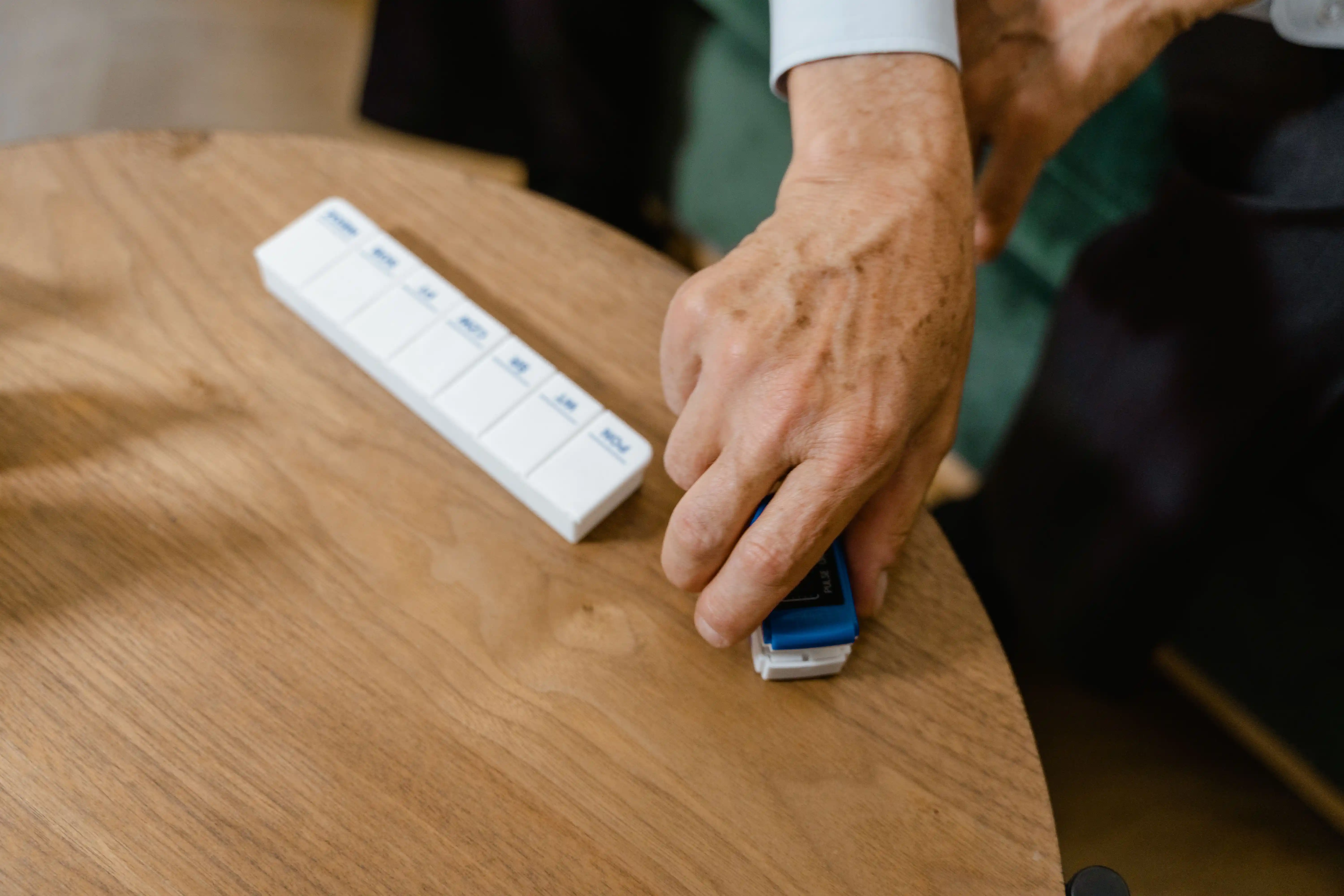
Pulse oximeters measure blood oxygen saturation (SpO2). Low oxygen levels can signal respiratory issues that may require medical attention, particularly for seniors managing COPD, asthma, or sleep apnea. The U.S. Food and Drug Administration notes that pulse oximeters are useful for at-home respiratory monitoring, though they should not replace professional evaluation when symptoms appear.
What to look for
- FDA-cleared device (not all consumer oximeters are medical-grade)
- Large OLED display showing SpO2 and pulse rate
- Fast readings (under 10 seconds)
- Bluetooth syncing for trend tracking
- Accommodates a range of finger sizes
Masimo MightySat Finger Pulse Oximeter
Fingertip pulse oximeter with accurate oxygen saturation and pulse rate readings, large OLED display, and Bluetooth syncing for respiratory health monitoring at home.
Read more: Best Pulse Oximeters
Respiratory and Mobility Support
Three more categories earn their space in the homes of seniors managing chronic conditions:
- CPAP machines deliver continuous airway pressure during sleep for seniors diagnosed with obstructive sleep apnea. Learn more in our Best CPAP Machines for Sleep Apnea guide.
- Nebulizers convert liquid medication into a fine mist for inhalation, used for COPD and asthma management. See Best Nebulizers for COPD.
- Mobility aids such as walkers, rollators, and canes may help reduce fall risk and conserve energy. Compare options in Best Mobility Aids for Seniors.
Medicare and Insurance Coverage
Insurance is where a $2,000 wheelchair and a $30 pill organizer end up in completely different financial categories. Worth knowing before anyone swipes a card:
Medicare Part B and Durable Medical Equipment (DME)
Medicare Part B covers Durable Medical Equipment (DME) when prescribed by a doctor and deemed medically necessary. Covered items typically include walkers, wheelchairs, hospital beds, CPAP machines, nebulizers and oxygen equipment, blood glucose monitors, and commode chairs.
After the Part B deductible is met, Medicare generally pays 80% of the Medicare-approved amount. The beneficiary is responsible for the remaining 20% coinsurance.
A prescription is required
For DME coverage, a doctor must prescribe the equipment and document the medical necessity. Equipment must be supplied by a Medicare-enrolled supplier, who bills Medicare directly.
What Original Medicare typically does not cover
- Hearing aids and fitting exams
- Routine eye exams and eyeglasses
- Standard home blood pressure monitors (unless part of a Remote Patient Monitoring program)
- Medical alert systems (some Medicare Advantage plans may offer this as a supplemental benefit)
Medicare Advantage (Part C) plans may offer expanded benefits, including coverage for hearing aids, fitness programs, and over-the-counter health items. Check with your plan provider for specifics. For official details, see Medicare.gov coverage of Durable Medical Equipment.
Where to Buy Medical Equipment for Seniors
Several channels offer medical equipment, each with distinct advantages:
Online retailers (Amazon, Walmart, Best Buy)
- Broad selection and competitive pricing
- Customer reviews help assess real-world usability
- Best for: pulse oximeters, fitness trackers, blood pressure monitors, OTC hearing aids
Local pharmacies (CVS, Walgreens, independent pharmacies)
- Hands-on advice from pharmacists
- Easy returns and exchanges
- Best for: walking canes, shower chairs, basic pill organizers
Durable Medical Equipment (DME) suppliers
- Medicare-enrolled suppliers can bill Part B directly
- Professional fitting and setup for walkers, wheelchairs, and hospital beds
- Best for: prescribed DME such as CPAP machines, oxygen equipment, and powered mobility devices
Always verify that a supplier is Medicare-enrolled before purchase if you intend to seek reimbursement.
Renting vs. buying
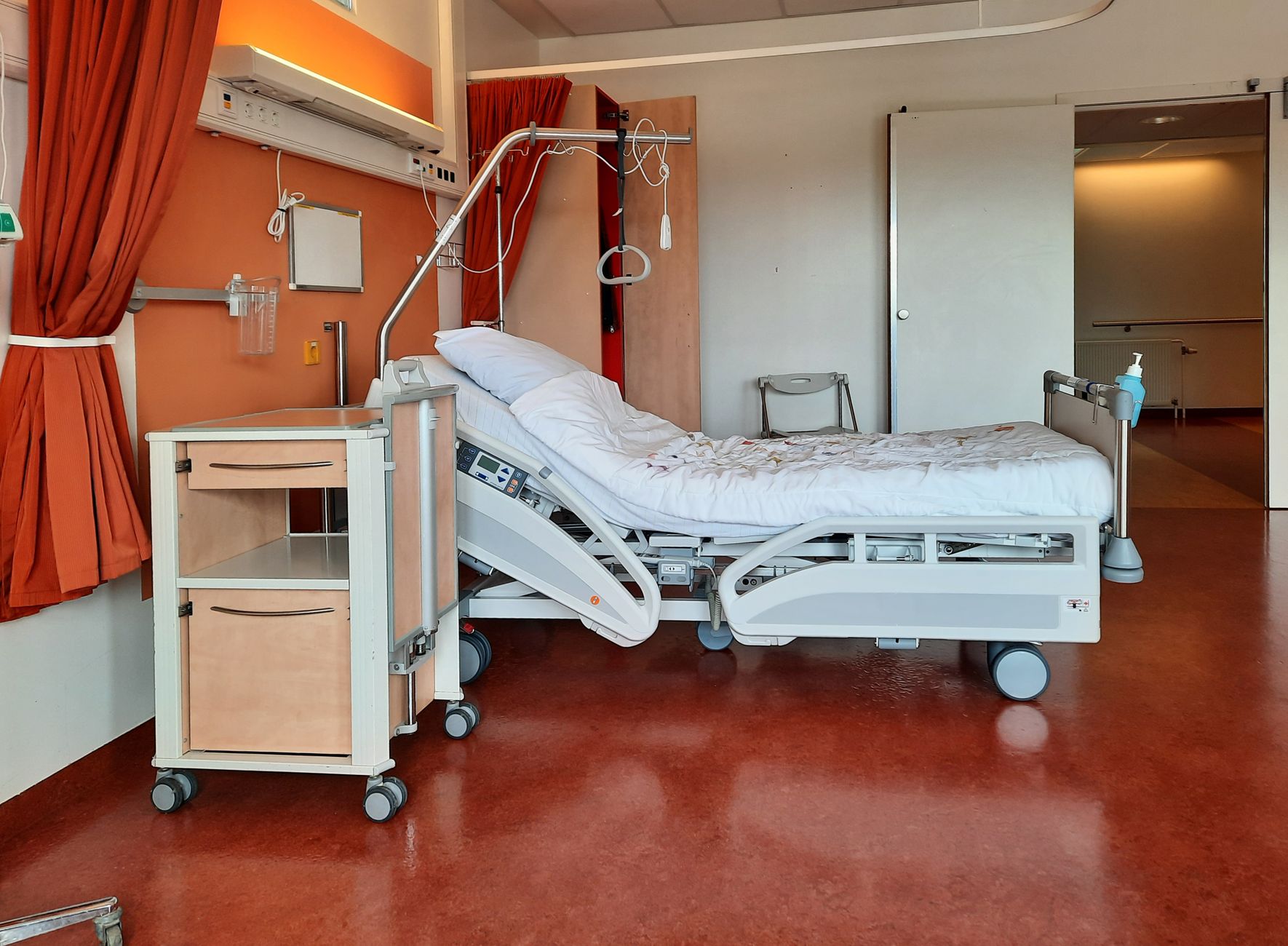
The rent-or-buy question tracks how long the need will last. Equipment for a finite recovery — hospital beds, wheelchairs, and knee walkers after surgery — is commonly rented month to month through a DME supplier, with repairs and maintenance someone else's problem and often a path to Medicare billing. Items you reach for daily, such as a blood pressure cuff, hearing aids, or a walker that lives by the front door, are almost always cheaper to own. If a prescribed device is only needed for a few weeks, ask the supplier or discharge planner about rental before committing to a purchase.
Safety Tips for Using Medical Equipment at Home
A device in the closet cannot help anyone, and a device used wrong can mislead. Setup, upkeep, and routine are what turn hardware into useful monitoring:
- Read the manual — Each device has specific setup instructions. Skipping this step may lead to inaccurate readings or unsafe operation.
- Calibrate regularly — Blood pressure monitors and pulse oximeters should be checked against professional equipment annually.
- Replace batteries proactively — Low batteries can cause inaccurate readings. Replace them on a schedule, not when they fail.
- Position correctly — Blood pressure cuffs must sit at heart level. Pulse oximeters need warm, steady fingers for accurate readings.
- Share data with your doctor — Bring printed or app-synced readings to appointments. Trends matter more than single readings.
- Do not rely solely on home devices — Home monitoring supports but does not replace professional medical evaluation.
Common Mistakes to Avoid When Buying Medical Equipment
❌ Buying without consulting a healthcare provider — A doctor or occupational therapist can help prioritize purchases and avoid unnecessary spending.
❌ Choosing the cheapest option — Lower price often means fewer features, less accuracy, or a shorter lifespan. Consider long-term value.
❌ Ignoring fit and sizing — A blood pressure cuff that is too small can overstate readings. A hearing aid that does not fit can cause discomfort.
❌ Overlooking Medicare coverage — Many seniors pay out of pocket for items that may be covered under Part B with a prescription.
❌ Buying technology you will not use — Smart features are valuable only if you or a caregiver will actually use them. A simpler device used daily beats a complex one left in a drawer.
❌ Not testing before committing — For hearing aids and medical alert systems, take advantage of trial periods before finalizing your choice.
Frequently Asked Questions
How do I know which medical equipment my aging parent actually needs?
Start with their primary care provider, who can prioritize devices based on diagnoses, medications, and fall risk. An occupational therapist can also perform a home safety assessment to recommend targeted equipment.
Can I use my FSA or HSA to pay for medical equipment?
Yes. FSAs and HSAs generally cover eligible medical equipment such as blood pressure monitors, pulse oximeters, and hearing aids. Keep receipts and check your plan's eligible list, since rules vary.
What is the difference between a medical alert system and a smartwatch with fall detection?
A medical alert system connects to a professional 24/7 monitoring center with two-way communication and caregiver features. A smartwatch with fall detection can call emergency contacts but lacks professional monitoring unless paired with a subscription, and battery life is typically shorter.
Are over-the-counter (OTC) hearing aids as good as prescription hearing aids?
OTC hearing aids, regulated by the FDA since 2022, are designed for adults with perceived mild to moderate hearing loss. Prescription hearing aids are still recommended for severe loss or when custom fitting and audiology support are required.
Related Articles
Medical Equipment
- Best Blood Pressure Monitors for Seniors
- Best Hearing Aids for Seniors
- Best Medical Alert Systems for Seniors Living Alone
- Fitness Trackers for Seniors
- Best Pulse Oximeters
- Best Nebulizers for COPD
- Best CPAP Machines for Sleep Apnea
Related Clusters
- Best Mobility Aids for Seniors — Mobility Cluster
- Aging in Place Checklist — Home Safety Cluster
- The Ultimate Senior Exercise Guide — Exercise Cluster
- The Ultimate Healthy Aging Guide — Back to main guide
References
-
Centers for Disease Control and Prevention. (2024). Older Adult Fall Prevention. Injury Center.
-
National Institute on Aging. (2024). Aging in Place: Growing Older at Home. U.S. Department of Health and Human Services.
-
Medicare.gov. (2024). Durable Medical Equipment (DME) Coverage. Centers for Medicare & Medicaid Services.
-
U.S. Food and Drug Administration. (2024). Pulse Oximeters.
-
American Heart Association. (2024). Understanding Blood Pressure Readings.
Disclaimer: This information is for educational purposes only and is not a substitute for professional medical advice. Always consult a healthcare provider before purchasing or using medical equipment, especially for managing diagnosed conditions.