📌Key Takeaways
- Aging in place means staying in your home safely as you grow older
- Start with an assessment checklist to prioritize home modifications
- Bathroom safety is most critical—grab bars, shower chairs, non-slip surfaces
- Lighting is essential throughout the home—install motion sensors and night lights
- Technology like medical alert systems adds an extra layer of safety
- Download our free printable checklist for your home safety assessment
What Is Aging in Place?
Aging in place means remaining in your own home and community as you grow older, rather than moving to a nursing home or assisted living facility. According to the National Institute on Aging, over 90% of older adults prefer to stay in their current homes for as long as possible.
It is important to note that a large share of those aging in place do so alone. U.S. Census Bureau data show that roughly 28% of Americans age 65 and older live alone, and in many rural counties the figure climbs toward one in three — often because younger family members have moved away and older adults have stayed behind. Living alone does not mean someone is unsafe, but it does mean there may be no one else in the household to call for help during a fall, fire, or medical emergency, which makes home modifications and emergency response systems especially important.
It involves creating an environment that supports safety, comfort, and independence through home modifications, assistive technology, and support services. Aging in place maintains autonomy, preserves familiar surroundings, and is often more cost-effective than institutional care.
However, falls are the leading cause of injury among older adults, making home safety modifications essential for successful aging in place.
The Aging in Place Checklist: 21 Essential Steps
Below is a comprehensive room-by-room checklist to make your home safe and comfortable for aging in place.
🏠 Bathroom Safety
Bathrooms are high-risk areas due to wet, slippery surfaces. Focus on these key modifications:
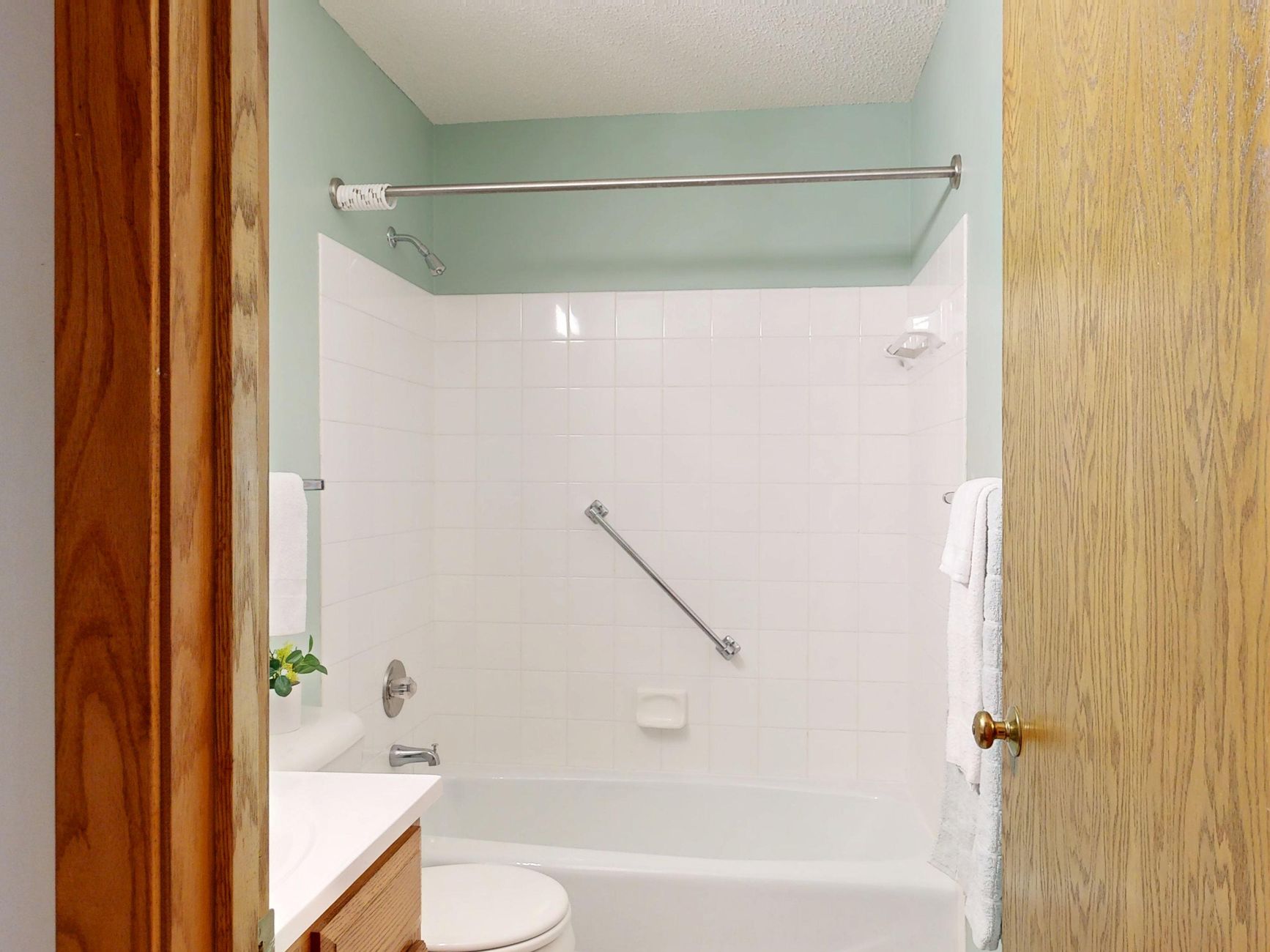
☐ Install grab bars near the toilet and in the shower. Wall-mounted bars (screwed into studs) provide maximum stability.
Learn more: Bathroom Safety for Seniors
☐ Use a shower chair with back support and non-slip feet for safe bathing.
Learn more about choosing a safe bathing solution: Best Shower Chairs for Seniors
☐ Add non-slip mats in the shower and on bathroom floors to prevent slips.
Learn more: Best Non-Slip Mats for Seniors
☐ Raise toilet height with a seat riser or comfort-height toilet to make sitting and standing easier.
☐ Improve lighting with bright overhead lights and motion-activated night lights for nighttime visits.
🛏️ Bedroom Safety
Create a safe, comfortable retreat:
☐ Adjust bed height to 20-24 inches from the floor for easy sitting and standing.
☐ Install bed rails for support when getting in and out of bed. Fold-down rails offer flexibility.
☐ Add night lights along the path from bed to bathroom using motion-activated sensors.
☐ Clear pathways by removing clutter and ensuring nightstands are within easy reach.
☐ Improve closet accessibility with lower shelves, pull-out drawers, and LED lighting.
🍳 Kitchen Safety
Make cooking safer and more accessible:
☐ Organize for easy access by storing frequently used items at waist height.
☐ Install safety features including grab bars near the sink, anti-scald valves, and non-slip mats.
☐ Improve lighting with under-cabinet lights and bright, even illumination throughout.
☐ Keep safety tools accessible like a fire extinguisher and carbon monoxide detector.
🛋️ Living Room & Common Areas
These spaces should support daily activities safely:
☐ Remove fall hazards by securing rugs, clearing clutter, and keeping pathways open.
☐ Choose supportive seating with firm seats and armrests. Lift chairs can help those with mobility issues.
Learn more: Best Lift Chairs for Seniors
☐ Add supportive features like grab bars near seating and lever-style door handles.
☐ Enhance lighting with bright, warm lights and dimmers for adjustable illumination.
🌳 Outdoor Areas
Don't overlook outdoor spaces:
☐ Improve walkways with smooth, level surfaces and handrails on stairs and ramps.
☐ Enhance entryways with motion-activated lights and non-slip treads on steps.
☐ Maintain landscaping by keeping walkways clear and using raised garden beds for easier gardening.
Aging in Place Assessment Checklist
Before making modifications, assess your current abilities and home environment to prioritize changes:
Mobility Assessment
□ Can I move safely between rooms without assistance?
□ Can I climb stairs without holding onto a railing?
□ Can I get up from a seated position without using my arms?
□ Can I walk for 10 minutes without resting?
Bathroom Assessment
□ Can I shower or bathe without assistance?
□ Can I get on and off the toilet independently?
□ Is there a non-slip surface in the shower/tub?
□ Are there grab bars or supports available when needed?
Emergency Assessment
□ Can someone reach me quickly in an emergency?
□ Do I have a phone within easy reach at all times?
□ Is there a clear path to exit the home in case of fire?
□ Do I have emergency contacts programmed into my phone?
Daily Living Assessment
□ Can I prepare meals safely?
□ Can I reach items in cabinets without assistance?
□ Can I manage medications independently?
□ Can I use the telephone or video call family members?
Technology for Aging in Place
Technology can support independence and safety for seniors aging in place:
-
Medical alert systems: 24/7 emergency access with the push of a button
Learn more: Best Medical Alert Systems for Seniors -
Smart home devices: Voice-controlled lighting, thermostats, and locks for easier daily living
Learn more: Smart Home Devices for Seniors -
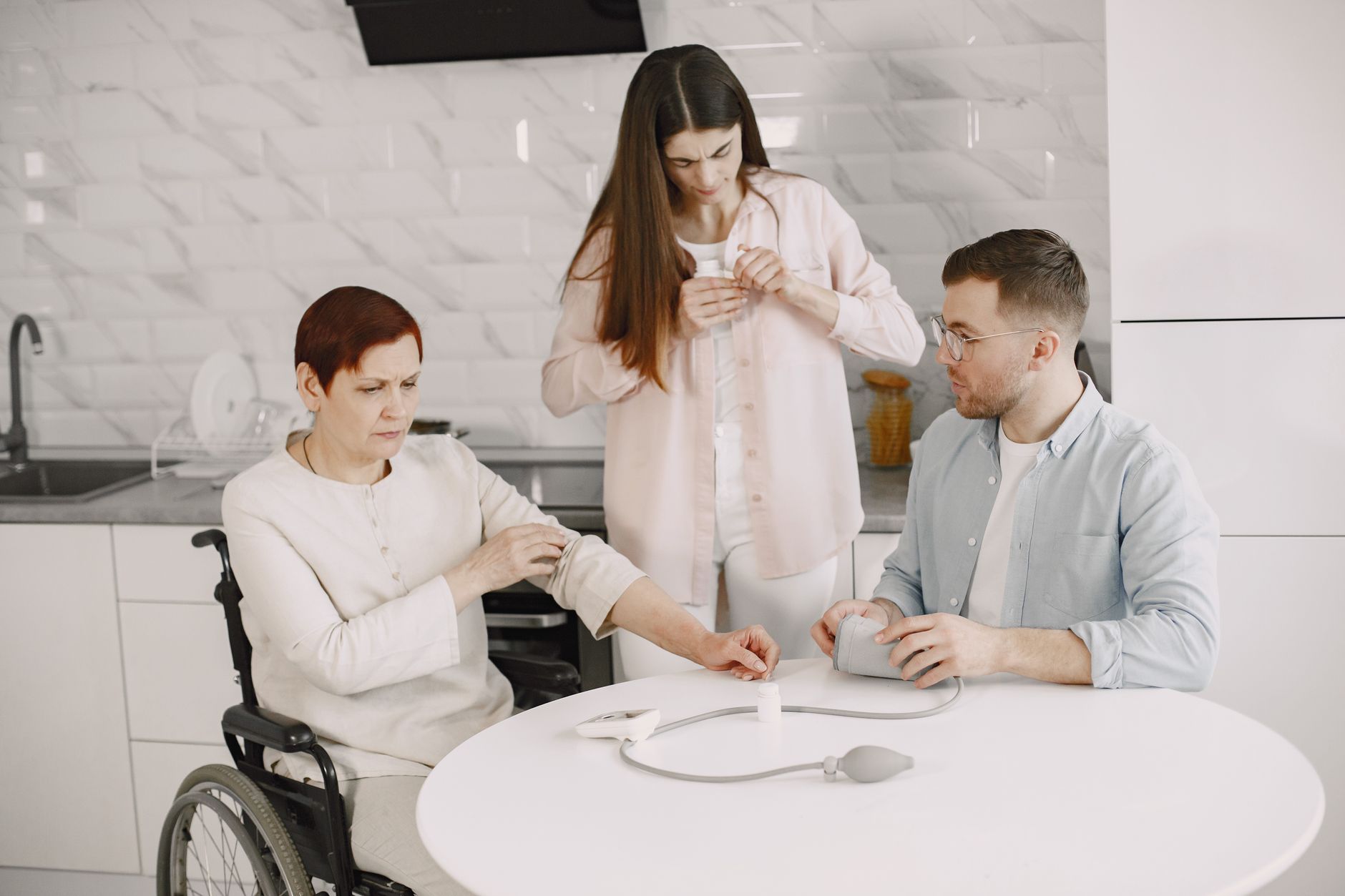
Health monitoring tools: Blood pressure monitors, medication reminders, and activity trackers to stay on top of health.
Emergency Planning
Prepare for unexpected situations with essential safety measures:
☐ Create an emergency kit with 3-7 days of food, water, medications, first aid supplies, a flashlight, and important documents.
☐ Identify emergency exits and evacuation routes. Designate a meeting place for family members.
☐ Keep emergency contacts posted near phones and create a medical information sheet with medications, conditions, and doctor contact information.
Download Your Free Aging in Place Checklist PDF
Ready to start making your home safer? Download our comprehensive printable checklist to guide your home safety assessment.
Download Free Aging in Place Checklist PDF
When to Consider Professional Help
If you're unsure where to start or need help with complex modifications, consider:
- Occupational Therapists: Can assess your home and recommend modifications
- Certified Aging-in-Place Specialists (CAPS): Trained professionals who specialize in home modifications
- Physical Therapists: Can recommend mobility aids and exercise programs
- Local Aging Services: Many communities offer free home safety assessments
How Much Does Aging in Place Cost?
Home modifications can range from affordable to substantial:
| Modification | Cost Range |
|---|---|
| Grab bars | $30-$150 |
| Shower chair | $50-$300 |
| Non-slip mats | $20-$50 |
| Bed rails | $50-$200 |
| Toilet seat riser | $30-$100 |
| Night lights | $10-$30 each |
| Stair lift | $2,500-$15,000+ |
| Walk-in tub | $5,000-$15,000+ |
| Home elevator | $20,000-$50,000+ |
Financial Assistance Options
- Medicaid Waivers: Some states offer home modification grants
- VA Benefits: Available for eligible veterans
- Local Nonprofits: Many organizations offer grants or low-cost modifications
- Home Equity Loans: Use home equity for financing
- Reverse Mortgages: For homeowners 62+ who need funds for modifications
Common Mistakes to Avoid
❌ Ignoring the Bathroom: The bathroom is where most falls occur—don't skip these modifications.
❌ Using Suction-Cup Grab Bars: While convenient, they're not suitable for full weight bearing. Always install wall-mounted bars.
❌ Poor Lighting: Inadequate lighting is a major fall risk. Install bright lights with motion sensors.
❌ Cluttered Pathways: Remove rugs, cords, and furniture that block walking paths.
❌ Not Planning for the Future: Consider future needs—what works today may not work in 5 years.
❌ DIY Without Expertise: For complex modifications like stair lifts or walk-in tubs, hire professionals.
FAQ
Does Medicare pay for aging in place modifications?
A: Original Medicare generally does NOT cover most home modifications. However, some Medicare Advantage plans may offer coverage. Medicaid waivers in some states may help with costs. Check with your provider for specifics.
Can seniors age in place alone?
A: Many seniors can age in place alone with proper home modifications and support systems. Key factors include physical health, cognitive abilities, social support, and access to emergency services. Medical alert systems can provide added security.
What modifications increase home value?
A: Certain modifications like bathroom updates, kitchen accessibility improvements, and safety features can increase home value. However, specialized modifications like stair lifts or walk-in tubs may have limited resale appeal. Consult a real estate professional for guidance.
How often should I update my home safety plan?
A: Review and update your home safety plan annually, or whenever there's a significant change in health status or living situation.
Can I get help paying for home modifications?
A: Yes, there are several options including Medicaid waivers, VA benefits for veterans, local nonprofits, home equity loans, and reverse mortgages for homeowners 62+. Contact your local aging services agency for more information.
Related Guides
Mobility Aids
- Best Mobility Aids for Seniors — Complete guide to walkers, rollators, and more
- Best Walkers for Seniors — Stability and support
- Best Rollators for Seniors — Wheeled walkers with seats
- Best Stair Lifts for Seniors — Safe stair navigation
Bathroom Safety
- Bathroom Safety for Seniors — Complete bathroom guide
- Best Shower Chairs for Seniors — Safe bathing
- Best Grab Bars for Elderly Bathrooms — Essential support
- Best Non Slip Mats for Seniors — Prevent slips
- Best Walk-In Tubs for Seniors — Accessible bathing
Safety & Emergency
- Best Medical Alert Systems for Seniors — 24/7 protection
- Fall Prevention Master Guide — Comprehensive fall prevention
- Home Safety Checklist for Elderly — Room-by-room safety
Healthy Aging Hub
- The Ultimate Healthy Aging Guide — Main resource center
References
-
National Institute on Aging. (2024). Aging in Place. U.S. Department of Health and Human Services.
-
Centers for Disease Control and Prevention. (2024). Falls Among Older Adults. Injury Center.
-
AARP. (2024). Aging in Place: A Guide to Modifying Your Home.
-
National Association of Home Builders. (2024). Certified Aging-in-Place Specialists.
-
Administration on Aging. (2024). Home and Community-Based Services.
-
U.S. Census Bureau. (2024). American Community Survey (ACS). Household living arrangement data showing that roughly 28% of U.S. adults age 65 and older live alone.
-
Embrace Age Prepared. (2024). The Geography of Aging Alone in Oregon. Analysis of rural-urban variation in senior solo-living rates and the implications for aging-in-place safety and support.
Disclaimer: This information is for educational purposes only. Consult with healthcare professionals and certified aging-in-place specialists for personalized recommendations. Home modifications should be done by qualified professionals to ensure safety and compliance with building codes.