📌Key Takeaways
- Walkers provide maximum stability for severe balance issues
- Rollators offer mobility with wheels and seats for longer walks
- Canes work best for mild balance support
- Stair lifts enable safe navigation of multi-story homes
- Lift chairs assist with standing from sitting positions
- Bathroom safety equipment reduces fall risk in the most hazardous room
Check the top shelf of many hall closets and you'll find the graveyard: a folding cane bought after one shaky week, a walker left over from surgery, a rollator that never fit through the bathroom door. Each one failed because it was bought for "mobility" in general instead of for the ground it would actually cover. The Centers for Disease Control and Prevention reports that approximately one-third of adults over 65 experience difficulty walking or climbing stairs—and the right tool depends on terrain, distance, and how much balance support you actually need.
That mismatch is why people resist these aids, and why the right one changes their minds. A cane matched to the situation doesn't mark decline; it keeps the morning walk, the grocery aisle, and the front steps within reach.
Quick Picks: Find Your Mobility Aid
| Need | Best Product | Price Range | Start Here |
|---|---|---|---|
| Walking longer distances | Rollator | $150–$500 | Best Rollators for Seniors |
| Maximum walking stability | Standard Walker | $80–$250 | Best Walkers for Seniors |
| Mild balance support | Cane | $20–$100 | Best Canes for Seniors |
| Stair navigation | Stair Lift | $2,500–$15,000 | Best Stair Lifts for Seniors |
| Standing from chair | Lift Chair | $400–$2,000 | Best Lift Chairs for Seniors |
| Bathroom fall prevention | Grab Bars | $30–$100 | Bathroom Safety Equipment |
| Long-distance outdoor | Mobility Scooter | $600–$3,000 | Best Mobility Scooters |
| Bed safety/transfer | Bed Rails | $50–$200 | Best Bed Rails for Seniors |
When to Consider a Mobility Aid
A few patterns usually show up before people start shopping:
- Balance concerns: Feeling unsteady while walking or standing
- Frequent falls or near-falls: Multiple incidents of losing balance
- Difficulty with stairs: Struggling to navigate steps safely
- Fatigue during walking: Tiring quickly during normal distances
- Fear of falling: Anxiety about movement that limits activity
- Medical conditions: Arthritis, stroke recovery, Parkinson's disease, or other conditions affecting movement
- Recovery from surgery: Temporary need during rehabilitation
Fall prevention strategies for seniors emphasizes that mobility aids are one component of comprehensive fall prevention, complementing exercise, home modifications, and health management.
Types of Mobility Aids by Need
For Walking Difficulty
The first question isn't cane versus walker—it's how much support the walk actually requires. Whatever you choose, pair it with shoes that fit and grip; see our guide to Best Shoes for Seniors for recommendations.
Canes
A cane is for mild trouble—a wobbly moment off a curb, or one knee or hip that hurts more than the other. It shifts some weight off the weak or painful leg and into your arm.
Single-point canes:
- Most common type
- Lightweight and portable
- Provide minimal support
- Appropriate for minor balance issues
- Best canes for seniors offers specific recommendations
Quad canes (four-point):
- Four legs provide broader base of support
- More stable than single-point canes
- Can be bulkier and heavier
- Appropriate for moderate balance concerns
- Some models have offset bases for better weight distribution
Choosing a cane:
- Height should allow elbow bend of 20-30 degrees
- Handle should feel comfortable in grip
- Rubber tips must be intact and replaced when worn
- Use on opposite side of weakness or pain
HurryCane Freedom Edition Foldable Walking Cane
Folding cane with a freestanding quad base that stands upright on its own, adjustable height, and a comfortable handle for everyday balance support. Folds compactly for travel.
Walkers
When you've started holding the wall or the furniture to cross a room, a walker picks up where a cane can't. Best walkers for seniors walks through the choices in detail.
Standard walkers:
- Four legs, no wheels
- Maximum stability
- Require lifting for each step
- Can be tiring for extended use
- Best for those needing maximum support
Front-wheeled walkers:
- Two wheels on front legs
- Easier to push forward
- Still provide good stability
- Back legs must be lifted slightly
- Good balance of support and mobility
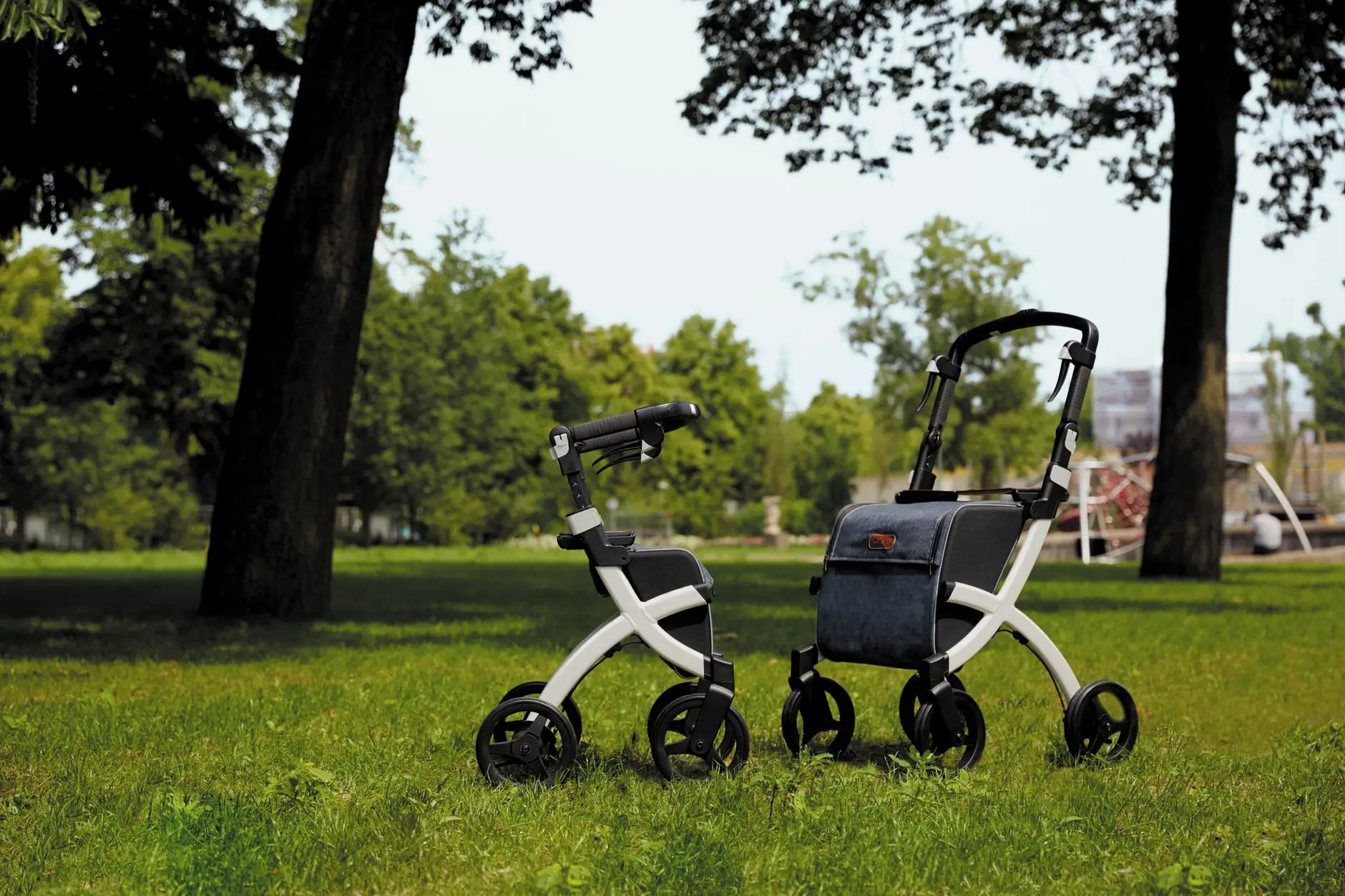
Four-wheeled walkers (rollators):
- Wheels on all four legs
- Often include seat and storage
- Easier to push continuously
- Hand brakes for safety
- Best rollators for seniors reviews top options
Medline Empower
Four-wheel rollator with padded seat, backrest, locking hand brakes, and a storage pouch for safe longer walks and a place to rest when needed. Adjustable handle height.
Walker vs. Rollator: Not sure which is right for you? Read our detailed comparison: Walker vs Rollator: Which Mobility Aid Is Right for You?
Walker features to consider:
- Height adjustability
- Weight and portability
- Hand grip comfort
- Brake mechanism (for wheeled models)
- Seat availability (for rollators)
- Storage pouches or baskets
Drive Medical 2-Button Standard Foldable Walker
Folding standard walker with four legs for maximum stability, height-adjustable handles, and lightweight aluminum frame that folds flat for transport and storage.
For Stair Difficulty
Stairs are one of the most dangerous areas for seniors. According to CDC data, falls on stairs account for over 25% of all fall injuries among older adults.
Stair Lifts
Stair lifts are motorized chairs that travel along a rail mounted on the stairs, safely transporting seniors up and down.
Key benefits:
- Eliminates the risk of falling on stairs
- Allows continued access to all levels of the home
- Battery backup for power outages
- Foldable design to allow others to use stairs
Types:
- Straight rail: For standard straight staircases ($2,500-$6,000)
- Curved rail: For staircases with turns or landings ($5,000-$15,000+)
- Outdoor: Weather-resistant for exterior steps
Learn more:
- Best Stair Lifts for Seniors
- Stair Lift Cost in 2026
- Does Medicare Cover Stair Lifts?
- Stair Lift vs Home Elevator
Alternative Options
If a stair lift isn't right for you:
- Home elevator: More expensive but accommodates wheelchairs
- First-floor bedroom conversion: Rearrange living space to avoid stairs
- Single-level housing: Consider downsizing
For Standing Difficulty
Getting up out of a deep seat gets harder when leg muscles weaken, joints ache, or balance isn't what it used to be.
Lift Chairs
Lift chairs are motorized recliners that gently tilt forward to help users stand safely and independently.
Key features:
- Motorized lifting mechanism
- Multiple reclining positions
- Padded seats and backrests
- Some include heat and massage
Types:
- 2-position: Upright and fully reclined ($400-$800)
- 3-position: Upright, TV position, and fully reclined ($600-$1,200)
- Infinite position: Unlimited positions including Trendelenburg ($1,000-$2,500)
Learn more: Best Lift Chairs for Seniors
Bed Rails
Bed rails provide support when getting in and out of bed, reducing fall risk and improving safety.
Types:
- Fixed: Permanent installation
- Fold-down: Can be folded when not needed
- Adjustable: Customizable height
Learn more: Best Bed Rails for Seniors
For Bathroom Safety
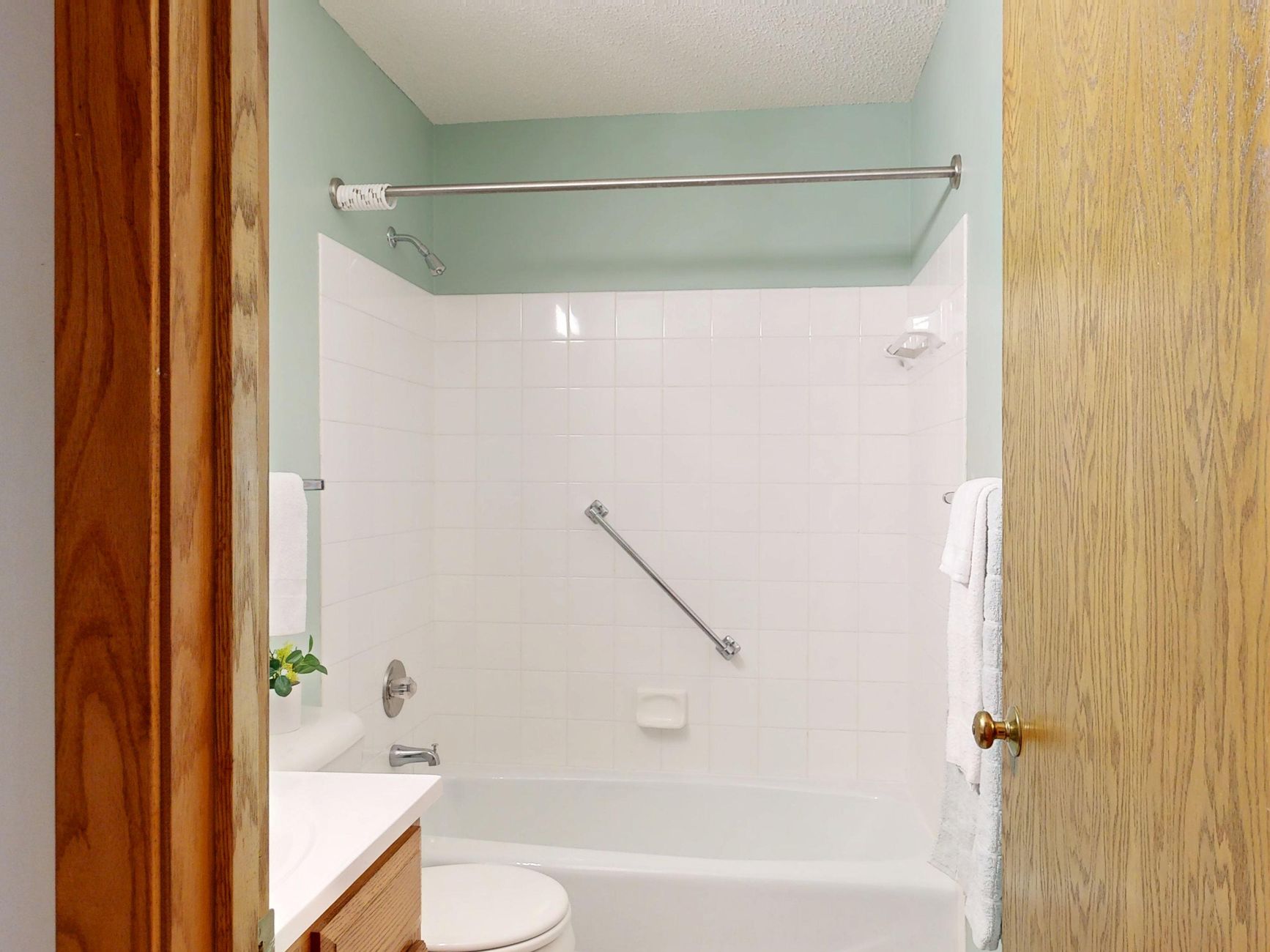
The bathroom is where most falls happen due to wet, slippery surfaces and limited space.
Grab Bars
Grab bars give you something solid and stationary to pull or lean against when your feet are wet.
Types:
- Wall-mounted: Screwed into wall studs for maximum stability
- Suction cup: Temporary, no drilling required (not for full weight bearing)
- Floor-to-ceiling: Tension-mounted for full-length support
Placement:
- Near toilet: Horizontal bar 12-18 inches from floor
- In shower: Vertical bars for entering/exiting, horizontal bars for stability
- Around bathtub: Along the tub wall
Shower Chairs
A shower chair takes standing out of bathing, removing fatigue and slip risk at the same time.
Types:
- Standard: Four legs with rubber feet
- With back: Provides back support
- With arms: Easier to sit and stand
- Transfer bench: Extends outside tub for safe entry
Learn more: Bathroom Safety Equipment for Seniors
For Long-Distance Mobility
For the distance you can't walk—the mall, the airport, a long park loop.
Mobility Scooters
Mobility scooters are battery-powered devices with a seat, handlebars, and storage.
Key features:
- Range: 5-30+ miles per charge
- Weight capacity: 250-500 lbs
- Turn radius: Tight turning for indoor use
Learn more: Best Mobility Scooters
Wheelchairs
Wheelchairs take over when walking any meaningful distance isn't realistic or comfortable.
Types:
- Manual: Propelled by user or caregiver
- Transport: Designed to be pushed by caregiver
- Power: Battery-powered with joystick control
Learn more: Best Wheelchairs for Seniors
How to Choose the Right Mobility Aid
Start from the situation, not the catalog.
Assessment Factors
Physical abilities:
- Balance and stability
- Leg and arm strength
- Coordination and endurance
- Pain or discomfort levels
- Any specific medical conditions
Daily activities:
- Home layout (stairs, doorways, flooring)
- Typical walking distances
- Need for transport (car travel, public spaces)
- Outdoor activity requirements
- Social engagement needs
Personal preferences:
- Comfort with device appearance
- Portability requirements
- Budget considerations
- Learning curve acceptance
Professional Guidance
Consult healthcare professionals before purchasing:
- Physical therapists: Assess mobility needs and recommend appropriate devices
- Occupational therapists: Evaluate how aids fit with daily activities
- Physicians: Address medical aspects and prescription needs
- Medical equipment suppliers: Provide fitting and training
Height and technique make or break these devices, which is why a professional fitting session pays off.
Trying Before Buying
Whenever possible, test mobility aids before purchasing:
- Borrow or rent devices temporarily
- Try different types at medical supply stores
- Attend mobility aid demonstrations
- Work with therapists to test options
Ten minutes of actual use answers questions a spec sheet can't.
Using Mobility Aids Safely
The right device still works badly when used wrong.
Cane Technique
- Hold cane on opposite side of weakness or pain
- Advance cane and weak leg together
- Strong leg follows
- Keep cane close to body, not far ahead
- Rubber tip must be intact
Walker Technique
Standard walker:
- Lift walker and place it forward
- Step into walker space
- Don't push walker too far ahead
- Keep body upright, not leaning forward
Wheeled walker:
- Push walker forward steadily
- Use brakes when stopping
- Walk within the walker's frame
- Don't lean heavily on walker while moving
Stair Lift Safety
- Always use the seat belt
- Keep feet on footrest
- Use controls at a slow pace
- Ensure lift is fully stopped before getting on/off
- Keep the lift serviced on schedule
Lift Chair Safety
- Keep space behind chair for reclining
- Use remote control carefully
- Ensure power cord is out of the way
- Test battery backup periodically
Common Mistakes to Avoid
Using Wrong Height
A device at the wrong height works against the body it's supposed to help:
- Canes too high cause shoulder strain
- Canes too low provide inadequate support
- Walkers too high strain shoulders
- Walkers too low cause bending
A professional fitting settles all four of these.
Improper Technique
Common errors include:
- Pushing walkers too far ahead
- Leaning forward excessively
- Holding canes on the wrong side
- Not using brakes on rollators
- Moving too quickly for conditions
Training from physical therapists ensures proper technique.
Using Inappropriate Device
The most common mismatch is accepting too little help:
- Using cane when walker is needed
- Avoiding needed aids due to stigma
- Choosing based on appearance over function
- Using old, worn devices
The goal is appropriate support, not minimal support.
Ignoring Maintenance
Small, worn parts cause most equipment failures:
- Worn rubber tips on canes and walkers
- Loose wheels or brakes
- Damaged frames
- Fading battery power in powered devices
A monthly once-over catches these problems before they cause a fall.
Supporting Independence with Mobility Aids
The payoff shows up in ordinary plans, not in the equipment itself.
Maintaining Social Connections
With appropriate support:
- Continue attending social events
- Visit family and friends
- Participate in community activities
- Enjoy outdoor spaces
- Travel with greater ease
Continuing Daily Activities
Mobility aids support:
- Shopping and errands
- Religious services and events
- Medical appointments
- Recreational activities
- Household tasks
Emotional Benefits
Proper mobility support can:
- Reduce fear of falling
- Increase confidence in movement
- Maintain sense of independence
- Preserve dignity and self-esteem
- Support mental health through continued activity
Cost and Insurance Coverage
Price Ranges
- Canes: $20-100 for basic models
- Walkers: $50-300 depending on features
- Rollators: $100-500
- Manual wheelchairs: $100-1,000
- Power scooters: $1,000-5,000+
- Stair lifts: $2,000-10,000+
- Lift chairs: $400-1,500
- Grab bars: $20-150
- Shower chairs: $30-300
Insurance Coverage
- Medicare Part B: Covers some mobility equipment with doctor's prescription and medical necessity documentation
- Medicaid: Coverage varies by state
- Private insurance: Policies differ; check with provider
- Veterans benefits: VA covers equipment for eligible veterans
Documentation must show medical necessity. Healthcare providers can assist with paperwork.
Financial Assistance
- Nonprofit organizations offer grants or low-cost equipment
- Some medical supply companies provide financing
- Used equipment markets offer reduced prices
- Community programs may loan equipment
Our Approach
At VitalsPage, we follow guidelines from leading health organizations when evaluating and recommending mobility aids:
- Centers for Disease Control and Prevention (CDC): Falls prevention and mobility safety recommendations
- National Institute on Aging (NIA): Mobility devices and safe use guidelines
- American Geriatrics Society (AGS): Clinical practice guidelines for mobility
- American Physical Therapy Association (APTA): Choosing and using mobility aids
- Mayo Clinic: Expert guidance on walkers, canes, and other aids
We evaluate products based on:
- Safety features: Stability, brakes, weight capacity
- User comfort: Ergonomic design, padding, adjustability
- Ease of use: Assembly, folding, maneuverability
- Durability: Construction quality, materials
- Value: Price versus features and benefits
Related Guides
Walking Aids
- Best Walkers for Seniors
- Best Rollators for Seniors
- Best Rollators for Outdoor Walking
- Best Canes for Seniors
- Best Canes for Seniors with Weak Legs
- Walker vs Rollator: Which Mobility Aid Is Right for You?
Stair Lifts
- Best Stair Lifts for Seniors
- Stair Lift Cost in 2026
- Does Medicare Cover Stair Lifts?
- Stair Lift vs Home Elevator
Standing & Transfers
Bathroom Safety
Home & Wheelchairs
- Best Mobility Scooters
- Best Electric Tricycles for Seniors — Three-wheeled e-trikes for outdoor rides and errands
- Best Wheelchairs for Seniors
- Best Transport Chairs
Fall Prevention
Footwear
- Best Shoes for Seniors — Supportive walking shoes
- Best Shoes for Balance Problems — Stability and traction
Sleep & Bedroom
- Best Mattresses for Seniors — Supportive sleep surfaces
- Best Adjustable Beds for Seniors — Customizable positioning
- Best Night Lights to Prevent Falls — Nighttime safety
Healthy Aging Hub
- The Ultimate Healthy Aging Guide — Back to main guide
FAQ
How do I know if I need a cane or walker?
A cane provides mild support for minor balance issues or one-sided weakness. A walker offers substantial support for more significant balance or strength concerns. Physical therapists can assess your needs and recommend appropriate devices. Generally, if you're holding walls or furniture for balance, a walker may be appropriate.
Will using a mobility aid make me weaker?
Used appropriately, mobility aids don't cause weakness. They enable continued activity that maintains strength. However, relying solely on aids without any exercise may reduce strength over time. Combine mobility aid use with appropriate exercises for seniors to maintain strength.
Can I use a walker outside?
Yes, many walkers work outdoors. Rollators (four-wheeled walkers) are particularly suited for outdoor use on smooth surfaces. Choose models with appropriate wheels and brakes. Avoid uneven terrain unless the walker is designed for it. Best rollators for outdoor walking reviews options suited for varied surfaces.
How do I properly adjust the height?
Stand naturally with arms relaxed. For canes and walkers, the handle should be at wrist level when arms hang naturally, allowing 20-30 degrees of elbow bend when gripping. Most devices have adjustable heights. Physical therapists can ensure proper fitting.
Does Medicare cover mobility aids?
Medicare Part B may cover mobility equipment deemed medically necessary with appropriate documentation from healthcare providers. Coverage requires prescription and proof of medical need. Some aids qualify for coverage; others don't. Check with Medicare and your healthcare provider for specifics.
Should I feel embarrassed about using a mobility aid?
No. Mobility aids enable continued independence and activity—they represent problem-solving, not decline. Many active seniors use aids to maintain their lifestyles. The alternative—limiting activity due to fear of falling—often causes greater decline. Using appropriate support demonstrates wise self-care.
Can I use multiple mobility aids?
Yes, many seniors benefit from different aids for different situations. A cane might suffice for familiar indoor spaces, while a walker supports longer outdoor walks, and a scooter enables extended outings. Using appropriate support for each situation is sensible, not excessive.
How often should mobility aids be checked?
Inspect aids monthly for wear, loose parts, or damage. Check rubber tips on canes and walkers weekly—they wear quickly and are crucial for safety. Have powered devices serviced according to manufacturer recommendations. Replace worn or damaged equipment promptly.
What's the best mobility aid for stairs?
A stair lift is the safest option for regular stair use. If stairs are only occasionally difficult, consider asking for assistance or using a handrail. Avoid using walkers or rollators on stairs—they are not designed for that purpose.
How much do stair lifts cost?
Straight stair lifts typically cost $2,500-$6,000 installed. Curved lifts are significantly more expensive at $7,000-$15,000+. Stair Lift Cost in 2026 provides detailed pricing information.
Does Medicare cover stair lifts?
Medicare typically does NOT cover stair lifts. However, some Medicare Advantage plans may offer partial coverage, and Medicaid waivers in some states may help with costs. Does Medicare Cover Stair Lifts? has more details.
References
-
Centers for Disease Control and Prevention. (2024). Mobility Limitations Among Older Adults. National Center for Health Statistics.
-
Centers for Disease Control and Prevention. (2024). Falls Among Older Adults. Injury Center.
-
National Institute on Aging. (2023). Mobility Devices and Safe Use. U.S. Department of Health and Human Services.
-
Bateni, H., & Maki, B.E. (2005). Assistive devices for balance and mobility: Benefits, demands, and adverse consequences. Archives of Physical Medicine and Rehabilitation.
-
Mayo Clinic. (2024). Canes and walkers: How to use them correctly.
-
American Physical Therapy Association. (2023). Choosing and Using Mobility Aids. APTA Guidelines.
-
Liu, H.H., et al. (2016). Effects of walking aids on walking performance and stability in older adults. Journal of Geriatric Physical Therapy.
-
American Geriatrics Society. (2023). Clinical Practice Guideline for Falls in Older Persons.
Related Articles
Exercise & Fitness
- The Ultimate Senior Exercise Guide — Build strength and balance to reduce mobility needs
- Balance Exercises for Seniors — Improve stability alongside mobility aids
- Fall Prevention Master Guide — Comprehensive fall prevention strategies
Always consult healthcare providers before using any mobility aid. Proper fitting and training are essential for safe use.