Best Shoes for Seniors 2026: 8 Top Picks for Walking, Arthritis, Balance & Foot Pain

Looking for the best shoes for seniors in 2026? Our pillar guide features 8 top picks for walking, arthritis, balance problems, swollen feet, plantar fasciitis, bunions & diabetes.
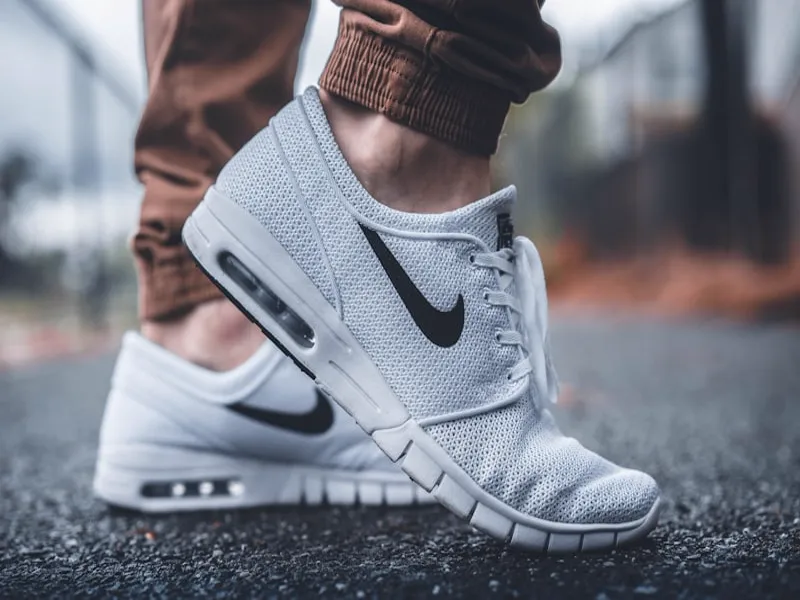
Best Shoes for Seniors 2026: 8 Top Picks for Walking, Arthritis, Balance & Foot Pain - health article image
Written by Vitals Editorial TeamReviewed by Vitals Health Review Team2026-07-16Updated: 2026-08-1015 min read
Share:
best shoes for seniorswalking shoes for elderlycomfortable shoes for seniorsshoes for older adultssenior footwearsupportive shoes for seniorssafe walking shoesarthritis shoes for seniorsbalance shoes for elderly

πŸ“ŒKey Takeaways

  • Shoe choice directly impacts fall risk and joint health in seniors
  • Look for stability, cushioning, and proper fit
  • Wide toe boxes accommodate swollen feet and bunions
  • Non-slip soles can help improve traction on wet surfaces
  • Different needs require different shoe types

Medically reviewed for accuracy. Recommendations follow clinical guidance from the American Podiatric Medical Association (APMA), CDC STEADI fall-prevention protocols, and the Arthritis Foundation. Always consult your podiatrist or physician for personalized recommendations.

Scope of this article: This is the pillar guide for senior footwear β€” a hub linking out to 7 in-depth sub-guides covering specific needs (arthritis, balance, foot pain, wide toe box, diabetes, walking, slip-on). For your specific need, jump to Best Shoes for Your Need below. This article is informational and not a substitute for medical advice.

Best Shoes for Seniors (2026)

Finding the right shoes is one of the most important decisions seniors can make for their health and safety. Your choice of footwear affects everything from your balance and fall risk to joint comfort and walking confidence.

This comprehensive guide covers everything you need to know about senior footwear, including top recommendations, what features to look for, and the best types of shoes for every senior need.


πŸ›’ Top 3 Quick Picks (Buyer's Shortlist)

πŸ† BEST OVERALL

Brooks Addiction Walker

"The most versatile senior shoe β€” stability for balance, cushioning for joints, slip-resistant for safety, and Medicare-approved."

Check Price on Amazonβœ“ Free Returns

βœ“ Stability + Cushioning + Slip Resistance

🦢 BEST FOR FOOT PAIN & ARTHRITIS

Orthofeet Coral

"Built-in orthotic + extra depth + wide toe box β€” solves plantar fasciitis, bunions, and arthritis pain in one shoe."

Check Price on Amazonβœ“ Free Returns

βœ“ Multiple Widths Β· βœ“ Plantar Fasciitis Friendly

πŸ“ BEST FOR WIDE FEET

New Balance 928

"Up to 4E width with Rollbar motion control β€” fits swollen, wide, or deformed feet without sacrificing stability."

Check Price on Amazonβœ“ Free Returns

βœ“ Up to 4E Width Β· βœ“ Medicare-Approved


Quick Self-Check: Which Senior Shoe Guide Do You Need?

πŸ‘‰ Tap to find your guide in 30 seconds

What's your main concern?

Decision: Wide toe box vs regular? β†’ Wide Toe Box vs Regular Shoes Decision: Diabetic vs regular? β†’ Diabetic Shoes vs Regular Shoes


Quick Picks: Best Shoes for Seniors by Category

Best ForRecommended TypeTop BrandsSub-Guide
Best OverallSupportive Walking ShoesBrooks, New BalanceWalking Shoes Guide
Arthritis PainCushioned Shoes With Wide Toe BoxOrthofeet, RykaArthritis Shoes Guide
After Hip ReplacementHands-Free Slip-On ShoesSkechers Hands Free, KizikSlip-On Shoes Guide
Balance ProblemsStable Walking ShoesBrooks, VionicBalance Shoes Guide
Foot Pain (Plantar Fasciitis, Bunions)Orthotic-Friendly ShoesOrthofeet, VionicFoot Pain Shoes Guide
Swollen Feet / BunionsExtra Wide Toe BoxNew Balance, OrthofeetWide Toe Box Guide
Indoor SafetySupportive House ShoesOrthofeet, VionicHouse Shoes Guide
Diabetic Foot CareDiabetic-Friendly ShoesOrthofeet, Dr. ComfortDiabetic Shoes Guide
Knee SupportCushioned Walking ShoesBrooks, AsicsAfter Knee Replacement

Editor's Picks: Top 8 Shoe Recommendations

After extensive research and analysis, here are our top 8 recommendations for senior footwear:

ProductBest ForKey Features
Brooks Addiction WalkerStability & Fall PreventionRollbar, slip-resistant outsole, Medicare-approved
Orthofeet CoralArthritis & Foot PainOrthotic insole, extra depth, multiple widths
New Balance 928Wide Feet & Motion ControlUp to 4E width, Rollbar, Abzorb cushioning
Hoka BondiMaximum CushioningThick, plush cushioning for impact absorption
New Balance 990v5Premium WalkingMultiple width options, durable construction
Skechers Hands Free Slip-insEasy WearingHands-free design, no bending required
Vionic Walk MaxArch Support & Plantar FasciitisBuilt-in orthotic, deep heel cup
SAS Journey MeshPremium ComfortHandcrafted quality, Tripad comfort system

Why Seniors Need Different Shoes

As we grow older, our feet and bodies change in ways that make proper footwear essential:

Balance and Stability

According to the Centers for Disease Control and Prevention (CDC), falls are the leading cause of injury among seniors, with approximately 36 million falls occurring each year in the U.S. among adults aged 65+. Footwear plays a critical role in fall prevention. For a comprehensive approach to staying safe at home, see our Fall Prevention Master Guide. The right shoes can:

  • Improve balance by providing a stable base
  • Help improve traction on wet and slippery surfaces
  • Support proper gait alignment
  • Increase confidence when walking

Joint Stress Reduction

Every step sends impact forces through your body. As joints age and conditions like arthritis develop, these forces become more problematic. Proper cushioning and support may help:

  • Reduce impact forces on the knees and hips during walking
  • Alleviate foot pain from plantar fasciitis
  • Support arch structure to prevent fatigue
  • Improve walking comfort and endurance

Confidence and Mobility

When seniors feel confident in their footwear, they're more likely to stay active. Regular walking is one of the best exercises for healthy aging, offering benefits like:

  • Improved cardiovascular health
  • Better mood and mental health
  • Stronger muscles and bones
  • Enhanced cognitive function

However, uncomfortable or unstable shoes can discourage walking and lead to a cycle of reduced activity.

Foot Shape Changes

Feet undergo natural changes with age:

  • Ligaments stretch, causing feet to widen
  • Arches may flatten
  • Swelling becomes more common
  • Sensitivity increases

These changes mean seniors often need wider sizes, more depth, and different support than they did in their younger years.


Features That Matter Most

Not all shoes are created equal when it comes to senior needs. Here are the key features to prioritize:

Stability and Balance Support

1. Wide, Stable Base

  • Shoes with a wider sole provide more surface area for balance
  • Firm heel counters help prevent foot rolling and ankle instability
  • Low heel height (less than 1 inch) keeps weight evenly distributed

2. Non-Slip Traction

  • Rubber soles with moderate tread patterns
  • Slip-resistant properties can help improve traction on wet surfaces
  • Avoid smooth leather soles that may slide easily

Comfort and Fit

3. Roomy Toe Box

  • Round or wide toe shapes to accommodate bunions and swelling
  • Extra depth for comfort and orthotic inserts
  • Shoes that allow toes to spread naturally

4. Proper Arch Support

  • Shoes that support your natural arch type (flat, normal, or high)
  • Removable insoles for custom orthotics
  • Avoid completely flat shoes with no support

5. Adjustable Fit

  • Laces, straps, or hook-and-loop closures
  • Elastic laces for those with limited hand dexterity
  • Shoes that can be loosened as feet swell

Cushioning and Support

6. Shock Absorption

  • Thick midsoles with gel or foam cushioning
  • EVA foam for lightweight shock absorption
  • Proper cushioning may help protect knees, hips, and back

7. Lightweight Construction

  • Heavy shoes increase leg fatigue
  • Modern synthetic materials offer support without weight
  • Shoes should feel comfortable, not burdensome

Special Considerations

8. Breathability

  • Mesh or leather uppers that allow air circulation
  • Moisture-wicking materials to help prevent foot odor

9. Durability

  • Quality construction that lasts
  • Shoes that maintain support and cushioning over time
  • Properly reinforced heel and toe areas
βœ…

Shoe Shopping Checklist

Use this checklist when shopping for senior shoes:

  • β€’Non-slip rubber outsole
  • β€’Wide toe box
  • β€’Firm heel support
  • β€’Cushioned midsole
  • β€’Lightweight design
  • β€’Easy closure (Velcro or elastic laces)
  • β€’Removable insoles
  • β€’Breathable upper material

Best Shoes for Different Senior Needs

Every senior has unique needs. Here are the best types of shoes for common senior concerns:

Best Walking Shoes for Seniors

Best for: Everyday walking, exercise, and general activity

Walking shoes are the most versatile option for seniors. They typically provide:

  • Good stability for balance
  • Excellent cushioning for impact absorption
  • Supportive structure for all-day wear
  • Variety of widths for proper fit

Top Recommendations:

  • Brooks Addiction Walker
  • New Balance 990v5
  • Asics Gel-Nimbus

Learn more about the best walking shoes for seniors

Check Current Prices β†’


Best Shoes for Arthritis

Best for: Seniors with joint pain, arthritis, or sensitive feet

Arthritis-friendly shoes address the specific needs of those with joint inflammation:

  • Extra cushioning to help reduce impact on arthritic joints
  • Roomy toe boxes for swollen feet
  • Soft materials that don't irritate sensitive skin
  • Supportive structure for proper alignment

Top Recommendations:

  • Orthofeet Coral
  • Ryka Devotion Plus 3
  • SAS Journey

Learn more about the best shoes for arthritis

Check Current Prices β†’


Best Slip-On Shoes for Seniors

Best for: Seniors with limited mobility, hip issues, or back pain

Slip-on shoes eliminate the need to bend down:

  • Easy to put on without assistance
  • Elastic panels for a secure fit
  • Ideal for hip replacement recovery
  • Great for those with back pain or limited flexibility

Top Recommendations:

  • Skechers Hands Free Slip-ins
  • Kizik Athens
  • Easy Spirit Traveltime

Learn more about the best slip-on shoes for seniors

Check Current Prices β†’


Best Shoes After Hip Replacement

Best for: Seniors recovering from hip replacement surgery

Recovery shoes support post-surgery needs:

  • Easy to put on without bending
  • Stable support for balance during recovery
  • Cushioning to protect new joints
  • Non-slip soles for safety

Top Recommendations:

  • Skechers Hands Free Slip-ins
  • Kizik Athens
  • Orthofeet Coral

Learn more about the best shoes after hip replacement


Best Shoes After Knee Replacement

Best for: Seniors recovering from knee replacement surgery

These shoes provide:

  • Excellent cushioning for impact absorption
  • Stability for physical therapy walking
  • Support for proper alignment
  • Comfort for extended wear

Top Recommendations:

  • Brooks Addiction Walker
  • New Balance 928v3
  • Asics Gel-Nimbus

Learn more about the best shoes after knee replacement


Best Shoes for Balance Problems

Best for: Seniors with balance problems or fall risk

These shoes prioritize stability features:

  • Extra-wide base for better balance
  • Enhanced traction for slippery surfaces
  • Ankle support to help prevent rolling
  • Firm heel counters for lateral stability

Top Recommendations:

  • Brooks Addiction Walker
  • Vionic Walk Max
  • New Balance 928v3

Learn more about the best shoes for balance problems

For seniors with more significant balance concerns, combining proper footwear with mobility aids can provide complete stability. See our guide to best walkers for seniors for additional support options.

Check Current Prices β†’


Best Wide Toe Box Shoes for Seniors

Best for: Seniors with bunions, hammertoes, or swollen feet

Wide toe box shoes accommodate foot shape changes:

  • Ample room for toes to spread naturally
  • Pressure relief for bunions and corns
  • Extra depth for orthotics or thick socks
  • Ideal for diabetics with foot sensitivity

Top Recommendations:

  • New Balance 990v5 (Wide widths)
  • Orthofeet Coral
  • Brooks Addiction Walker

Learn more about the best wide toe box shoes for seniors


Best Diabetic Shoes for Seniors

Best for: Seniors with diabetes or neuropathy

Diabetic shoes are designed for foot protection:

  • Extra depth to accommodate swelling
  • Seamless interiors to help prevent irritation
  • Soft materials that don't cause pressure points
  • Removable insoles for custom orthotics

Top Recommendations:

  • Orthofeet Coral
  • Dr. Comfort Annie
  • New Balance 928v3

Learn more about the best diabetic shoes for seniors

Check Current Prices β†’


Best House Shoes for Seniors

Best for: Indoor comfort and safety

House shoes provide comfort without sacrificing safety:

  • Non-slip soles for indoor traction
  • Supportive structure for walking around the house
  • Warm and comfortable for everyday wear
  • Some styles offer outdoor versatility

Top Recommendations:

  • Orthofeet Charlotte
  • Vionic Relax
  • UGG Scuff II

Learn more about the best house shoes for seniors

Check Current Prices β†’


Product Comparison Table

Brand/ModelBest ForCushioningSupportWidth OptionsPrice
Brooks Addiction WalkerStability & Walking⭐⭐⭐⭐⭐⭐⭐⭐⭐⭐⭐⭐⭐⭐$100-$150
New Balance 990v5Wide Feet & Quality⭐⭐⭐⭐⭐⭐⭐⭐⭐⭐⭐⭐⭐⭐⭐$150-$200
Hoka BondiMaximum Cushioning⭐⭐⭐⭐⭐⭐⭐⭐⭐⭐⭐⭐$160-$200
Orthofeet CoralArthritis & Comfort⭐⭐⭐⭐⭐⭐⭐⭐⭐⭐⭐⭐⭐⭐⭐$150-$200
Skechers Hands Free Slip-insEasy Wearing⭐⭐⭐⭐⭐⭐⭐⭐⭐⭐⭐⭐$50-$80
Kizik AthensHands-Free & Stylish⭐⭐⭐⭐⭐⭐⭐⭐⭐⭐⭐$80-$120
Vionic Walk MaxArch Support⭐⭐⭐⭐⭐⭐⭐⭐⭐⭐⭐⭐⭐$100-$150
SAS Journey MeshQuality & Craftsmanship⭐⭐⭐⭐⭐⭐⭐⭐⭐⭐⭐⭐⭐⭐$150-$200

How to Choose the Right Senior Shoes

How to Measure Your Feet

  1. Measure at the end of the day when feet are largest
  2. Measure both feetβ€”they may differ in size
  3. Stand while measuring for accurate width
  4. Use a foot measuring device at shoe stores
  5. Compare measurements to brand size charts

Fit Checklist

  • Heel sits securely in heel cup
  • Ball of foot aligns with widest part of shoe
  • Thumb's width of space at toe
  • No part of shoe digs or causes pressure
  • Shoes don't slip when walking

Shopping Tips

  • Bring orthotics if you use them
  • Try on both shoes and walk around
  • Shop in the afternoon when feet are swollen
  • Check return policy before buying
  • Try with socks you'll wear walking

When Should Seniors Replace Shoes?

Replace walking shoes when:

  • Treads are worn smooth (loss of traction)
  • Midsole feels compressed or less cushioned
  • Upper has stretched or no longer fits securely
  • You notice increased joint pain during walking
  • Shoes are over a year old with regular use
  • Visible wear patterns or asymmetry

Common Mistakes to Avoid

Mistake 1: Choosing Fashion Over Comfort Prioritize features that help reduce joint stress over appearance.

Mistake 2: Wearing Worn Shoes Worn shoes lose shock-absorption capacity and stability.

Mistake 3: Ignoring Foot Changes Feet change over timeβ€”measure your feet regularly.

Mistake 4: Skipping Orthotics If your doctor recommends custom orthotics, use them.

Mistake 5: Walking Barefoot Even indoors, bare feet provide no support or protection.

Mistake 6: Buying Tight Shoes Shoes should fit comfortably from day oneβ€”don't expect them to "break in."


FAQ: Shoes for Seniors

Q: Can the right shoes really help with arthritis pain? A: Yes, proper cushioning and support can help reduce joint stress and pain during walking. Shoes designed specifically for arthritis often include features like extra padding, wide toe boxes, and supportive arches that may help improve walking comfort.

Q: Why do feet get wider with age? A: As we age, ligaments in feet stretch and relax, causing feet to spread. Arches may flatten slightly, increasing width. Weight gain, arthritis, and medical conditions like diabetes can contribute further.

Q: Are wide shoes less supportive? A: No, quality brands offer full support features in wide widths. Brands like New Balance, Brooks, and Orthofeet provide the same stability, cushioning, and arch support as standard-width versions.

Q: Can the right shoes improve balance? A: Yes. Shoes with good traction, stable bases, and secure fits can help improve stability and may help reduce fall risk.

Q: Are slip-resistant shoes really effective? A: Slip-resistant soles can help improve traction and may help reduce the chance of slipping on wet surfaces. Look for shoes with rubber soles and moderate tread patterns for best results.

Q: Should I wear running shoes or walking shoes? A: Both can work well for seniors. Walking shoes often provide more stability for slower-paced walking. Running shoes typically offer more cushioning for impact absorption. Focus on features rather than category.

Q: My feet swell during the day. What should I do? A: Shop for shoes in the afternoon when feet are largest. Choose shoes with adjustable closures that can be loosened as needed.

Q: How often should seniors replace walking shoes? A: Consider replacing every 6-12 months with regular use, or sooner if cushioning feels compromised.


Exercise & Fitness

Footwear Guides

Healthy Aging Hub


References

Consult with your healthcare provider or podiatrist for personalized recommendations on footwear. This article is for informational purposes only and does not constitute medical advice.

Vitals Editorial Team

Vitals Editorial Team

The Vitals Editorial Team researches and writes evidence-based healthy aging content to help seniors and caregivers make informed decisions about exercise, nutrition, mobility, and wellness.

400+Evidence-Based Articles
Medically Reviewed
Written by: Vitals Editorial TeamReviewed for accuracy by: Vitals Health Review Team

Disclaimer: The information provided on this website is for educational purposes only and is not intended as medical advice. Always consult with a qualified healthcare provider before making any changes to your diet, exercise routine, or healthcare plan.

How We Recommend Products

We recommend retailers based on product availability, warranty, customer support, and pricingβ€”not affiliate relationships. Our goal is to help you find the best products that meet your specific needs as a senior or caregiver.

Affiliate Disclosure

Some of the products linked on this page may be affiliate links. We may receive a small commission if you make a purchase, at no additional cost to you. This helps support our independent research and recommendations.

We are not affiliated with any specific brand or retailer. All recommendations are based on our independent research, product testing, and feedback from senior users and caregivers. We prioritize products that are safe, reliable, and designed specifically for the needs of older adults.

Want More Product Reviews Content?

Explore our Product Reviews category for more expert health advice and practical guides.

View Product Reviews Category