Best Pulse Oximeters
A pulse oximeter proves its worth the morning after a COPD flare, when a number on a small fingertip clip tells you whether recovery is trending the right way. At home that almost always means a finger device—forehead probes are mainly hospital equipment—and it pays to remember what the number is: a spot-check, not a diagnosis. Cold fingers, dark nail polish, and a shaky hand can all pull the reading down, so a single low result gets read against how you actually feel and, when in doubt, repeated.
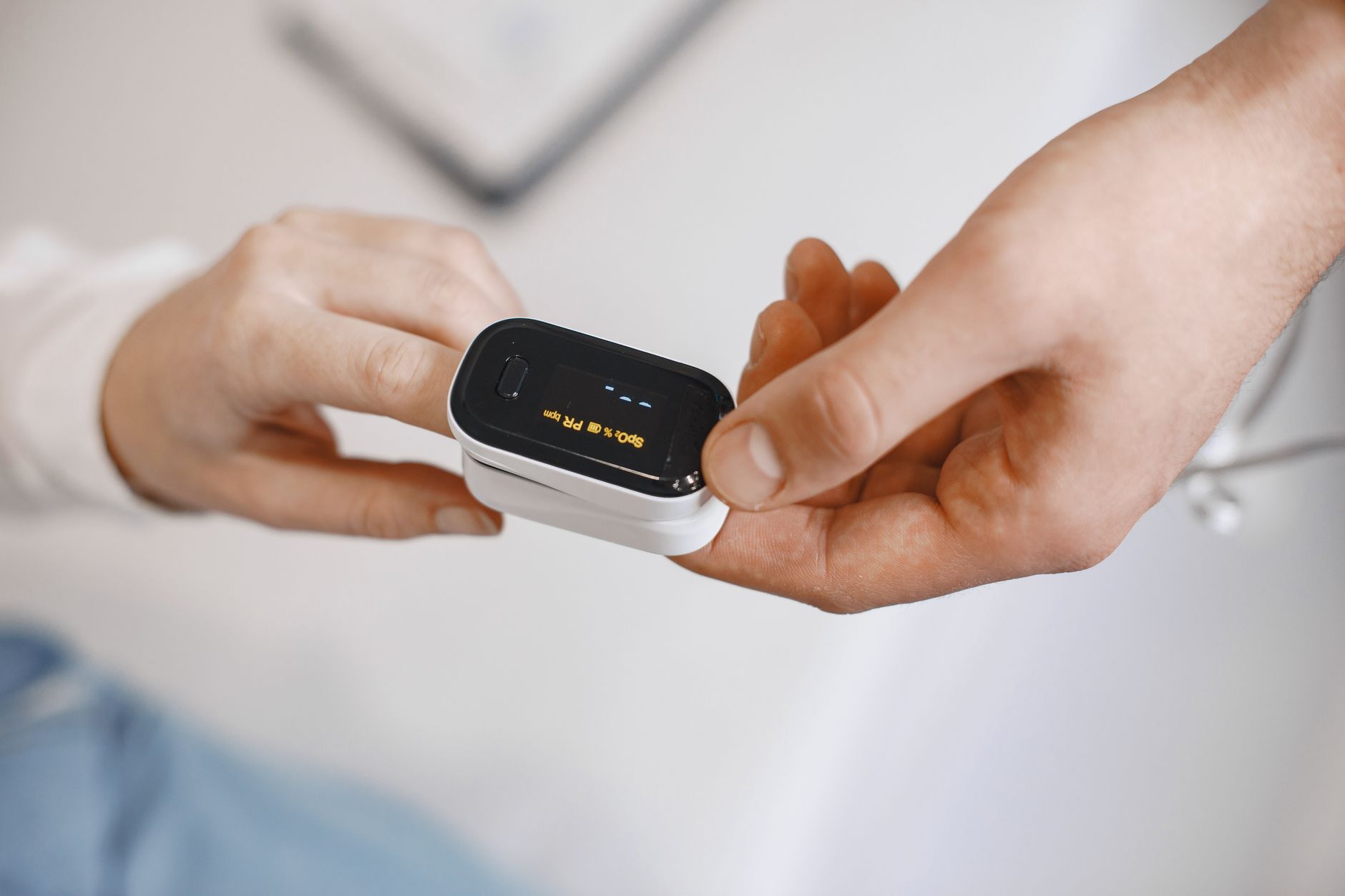
For anyone managing a respiratory or heart condition, or recuperating from pneumonia or surgery, oxygen saturation and pulse rate are two numbers worth watching over time. The device itself stays simple and non-invasive—it shines light through the finger and compares how oxygenated and deoxygenated blood absorb it.
The American Lung Association considers pulse oximeters valuable tools for people with chronic respiratory conditions like COPD, because readings can flag a slide before symptoms become obvious.
Quick Picks: Top Pulse Oximeters at a Glance
The three models below cover the three reasons people usually buy one:
| Pick | Model | Best For | Key Feature | Price Range |
|---|---|---|---|---|
| 🏆 Best Overall | Masimo MightySat | Medical-grade accuracy | Bluetooth app sync, plethysmograph | $300–$400 |
| 💰 Best Value | Zacurate Pro Series 500DL | Everyday spot-checking | FDA-cleared, easy one-button use | $15–$25 |
| ⏰ Best for Continuous Monitoring | Wellue O2Ring | Overnight / 24/7 tracking | Ring design, sleep apnea alerts | $150–$200 |
Not sure which type you need?
If you only need to check levels a few times a day (e.g., after using a [nebulizer](/articles/best-nebulizers-for-copd)), a basic finger clip model works perfectly. If you need overnight monitoring for sleep apnea or nocturnal desaturation, choose a wearable ring or wrist model.
How We Evaluated These Pulse Oximeters
Our editorial team researched dozens of models specifically for the senior use case, focusing on five weighted criteria:
1. Accuracy & Reliability (40%)
We prioritized FDA-cleared models meeting clinical ±2% SpO2 standards, with consistent readings across multiple tests and real-world performance with cold hands or mild movement.
2. Senior-Friendly Usability (25%)
We evaluated display size and readability with backlight for nighttime use, one-button simplicity, finger fit for arthritic hands without pinching, and audible alarms hearable with mild hearing loss.
3. Battery Life & Maintenance (15%)
We scored battery life per charge, low-battery indicator visibility, auto-shutoff to prevent drain, and availability of replacement parts.
4. Data & Connectivity (10%)
We considered app integration for trend tracking, Bluetooth reliability, on-device memory for storing readings, and export capabilities for sharing with healthcare providers.
5. Value & Warranty (10%)
Finally, we balanced warranty length (1+ year preferred), customer support quality, price relative to accuracy, and long-term user satisfaction ratings.
How Pulse Oximeters Work
Pulse oximeters clip onto your finger to measure oxygen saturation (SpO2) and pulse rate by shining light through skin and measuring absorption by oxygenated vs deoxygenated blood.
The Mayo Clinic explains that normal SpO2 typically ranges 95-100%, while levels below 90% may indicate hypoxemia and require medical attention.
Why Seniors Need Pulse Oximeters
Health Monitoring
- Respiratory conditions: Monitor COPD, asthma, pneumonia
- Heart conditions: Track heart rate and oxygen levels
- Recovery monitoring: Post-illness or surgery tracking
Early Detection
- Problem identification: Catch issues before symptoms worsen
- Trend tracking: Monitor changes over time
Peace of Mind
- Checking in without a trip: Take readings at home on the schedule your clinician sets
- Caregiver communication: Share data with providers
Key Features to Consider
Display Features
- Large display: Easy to read numbers
- Backlight: Visible in low light
- Multiple readings: Shows SpO2, pulse rate, and perfusion index
Accuracy Features
- FDA clearance: Ensures accuracy standards
- Medical grade: Higher accuracy than consumer models
- Consistency: Reliable readings over time
Ease of Use Features
- Simple operation: One-button use
- Auto shut-off: Saves battery
- Finger accommodation: Fits various finger sizes
Types of Pulse Oximeters
Finger Pulse Oximeters
The familiar fingertip clip—cheap, pocketable, and built for a quick spot-check rather than all-night wear.
Wrist Pulse Oximeters
A wearable that logs continuously through the night and stores data for later review; bulkier and pricier than a clip.
Handheld Pulse Oximeters
Professional-grade readings, interchangeable probes, and advanced features, matched by a professional-grade price.
Smartphone-Connected
Pairs with a phone to chart trends and share readings; the experience depends heavily on the app that comes with it.
Top Pulse Oximeters for Seniors
1. Masimo MightySat Finger Pulse Oximeter
Best for: Seniors who need hospital-grade accuracy at home
Why it stands out: Masimo is the brand many hospitals use, and the MightySat brings that same precision to consumer devices. If your doctor has recommended home monitoring for pulmonary fibrosis or advanced COPD, this model gives the most confidence in readings. It also measures perfusion index and respiration rate for a more complete picture.
For someone recently discharged after a flare-up, this is the home model a pulmonologist is most likely to trust for tracking daily perfusion index and oxygen trends.
- Accuracy: Medical-grade precision, FDA-cleared
- Display: Bright OLED color display
- Features: Measures SpO2, pulse rate, PI, RRp; Bluetooth connectivity
- Pros: Best-in-class accuracy, reliable with low perfusion
- Cons: Higher price point, app setup may require assistance

Masimo MightySat Finger Pulse Oximeter
Medical-grade finger oximeter with OLED color display, Bluetooth sync, and multiple measurements. Around $300-$400.
2. Zacurate Pro Series 500DL
Best for: No-fuss everyday spot-checking on a budget
Why it stands out: The Zacurate 500DL has sold over 2 million units because it's FDA-cleared, consistently accurate for healthy to moderately ill users, and costs less than a nice dinner. Large LED numerals are visible even from across the room, helpful for caregivers reading from a few steps away.
- Accuracy: FDA cleared, ±2% accuracy in clinical range
- Display: Large bright LED display
- Features: Simple one-button operation, auto-shutoff
- Pros: Extremely affordable, no learning curve
- Cons: No data storage, no audible alarms

Zacurate Pro Series 500DL Finger Pulse Oximeter
FDA-cleared finger oximeter with large LED display and one-button operation. Around $15-$25.
3. Innovo Deluxe Fingertip Pulse Oximeter
Best for: Audible alarms without premium pricing
Why it stands out: The Innovo Deluxe fills the gap between budget and premium. The multidirectional display means no wrist twisting to read numbers, and the configurable auditory alarm beeps if SpO2 drops below a set threshold. A plethysmograph waveform visually confirms reading stability before jotting down.
- Accuracy: Clinically tested, FDA-cleared specifications
- Display: Large multidirectional color LED
- Features: Auditory alarm, plethysmograph waveform
- Pros: Excellent display visibility, configurable alarms
- Cons: Slightly higher price than basic picks

Innovo Deluxe Fingertip Pulse Oximeter
Clinically tested oximeter with multidirectional display and auditory alarms. Around $20-$30.
4. Wellue O2Ring Wearable Oximeter
Best for: Continuous overnight monitoring and sleep apnea tracking
Why it stands out: Finger clip models are for 10-second spot-checks, not all-night wear. If you need to track oxygen during sleep for suspected sleep apnea, the O2Ring's ring form factor comfortably slips onto the thumb and monitors continuously for up to 16 hours. The app generates desaturation event reports you can email directly to your doctor.
- Accuracy: Good for a wearable; ±2% in clinical settings
- Display: Via smartphone app; quick status light on ring
- Features: 16-hour continuous monitoring, vibratory alarm, sleep report
- Pros: Comfortable overnight wear, excellent trend data
- Cons: Higher cost, requires smartphone for full functionality

Wellue O2Ring Wearable Pulse Oximeter
Wearable ring oximeter for 24/7 continuous SpO2 monitoring with smartphone app. Around $150-$200.
5. Santamedical SM-165
Best for: Travel-friendly backup or occasional spot-checking
Why it stands out: The Santamedical SM-165 is a solid pick when you need a second device for travel. It's small enough for a purse or jacket pocket, runs on standard AAA batteries (no proprietary chargers), and still delivers FDA-cleared SpO2 and pulse readings.
- Accuracy: FDA-cleared, standard consumer-grade range
- Display: Bright LED with six display modes
- Features: Portable design, AAA battery operation, lanyard included
- Pros: Budget-friendly, uses common AAA batteries, compact for travel
- Cons: Plastic construction feels less durable
How to Use a Pulse Oximeter
📝Step-by-Step Guide
- 1Sit down and rest quietly for at least 5 minutes before testing. Activity can temporarily affect pulse and oxygen level.
- 2Remove nail polish or artificial nails. Dark polish and acrylic nails block the light sensor and produce falsely low readings.
- 3Warm your hands if cold. Rubbing briskly or holding a warm mug improves circulation to fingertips.
- 4Clip device firmly onto middle or index finger (not thumb). Display should face you so you can read without twisting.
- 5Keep hand still, resting on a table or in your lap, and breathe normally. Movement is the most common cause of incorrect readings.
- 6Wait until numbers stabilize—usually 10 to 30 seconds. Record both SpO2 percentage and pulse rate.
Common mistakes that skew results
- Testing right after activity or meals — always rest first.
- Using the thumb — it has its own pulse pattern that can interfere.
- Looking only at the first number — wait for it to stabilize.
Understanding Your Readings
Oxygen Saturation (SpO2) Levels
- 95–100% (Green zone): Normal for most healthy adults. No action needed.
- 92–94% (Yellow zone): Worth watching. Follow up with provider if it's a new drop or you feel short of breath.
- 90–91% (Orange zone): Retest after resting 10 minutes. Call your doctor if still in this range with symptoms.
- Below 90% (Red zone): Seek medical attention promptly. You may also want to cross-reference with a blood pressure monitor.
Pulse Rate (BPM) Readings
- 60–100 bpm: Normal resting range.
- Consistently above 100: Can indicate stress, dehydration, infection, or a cardiac issue.
- Consistently below 60: May be normal for a fit person, but needs evaluation with dizziness or fatigue.
- Irregular rhythm: You may want to ask your doctor about atrial fibrillation. Our guide on atrial fibrillation in seniors.
Factors That Can Skew Readings
- Movement or tremor: Try supporting your arm on a table.
- Cold fingers or Raynaud's: Warm up first.
- Nail polish, press-ons, or gel nails: Test on a different finger.
- Ambient light: Shade the device with your other hand.
- Low batteries: Weak batteries can produce erratic readings.
Cost Considerations
Price Range & What You Get
- Under $25 (Budget picks): Basic FDA-cleared finger clip, LED display. Perfect for occasional spot-checking.
- $25–$80 (Mid-range): Adds larger displays, auditory alarms, Bluetooth connectivity. Most popular range for mild to moderate chronic conditions.
- $80–$250 (Premium consumer): Medical-grade sensors, advanced metrics, robust app ecosystems.
- $250–$500+ (Professional wearable): Continuous ring or wrist monitors, overnight tracking.
Getting the Best Value
- Ask your doctor first. Don't overbuy if they just want daily spot-checks.
- Check insurance and Medicare. Some plans may partially cover cost with a qualifying prescription.
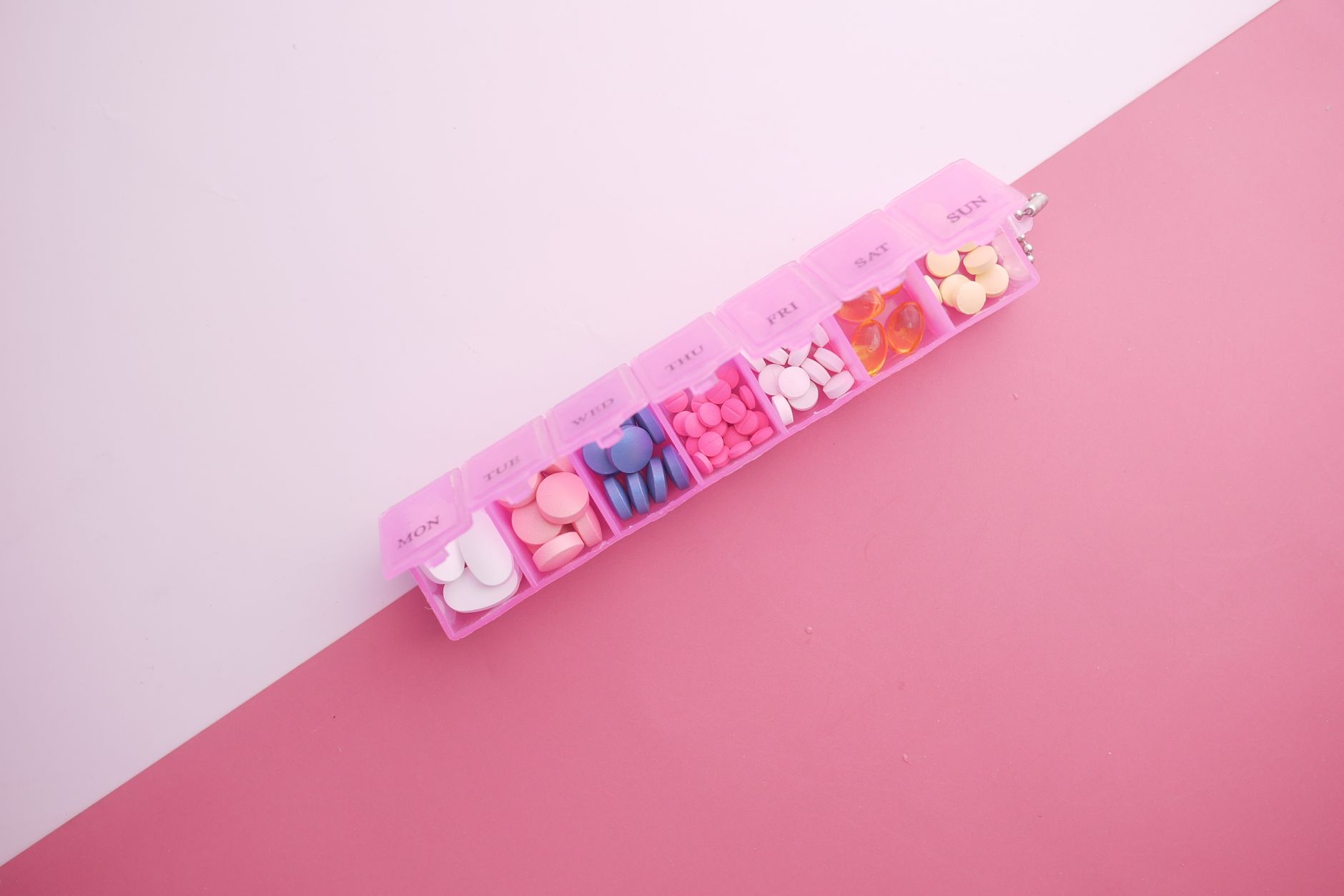
- Bundle with other health tools. Pair with a blood pressure monitor and medication organizer for a complete daily monitoring kit.
FAQs
How accurate are home pulse oximeters? Quality FDA-cleared pulse oximeters are generally accurate within 2-3% of hospital-grade devices in controlled conditions. Real-world factors like movement, cold hands, nail polish, or poor circulation can affect accuracy. Always cross-reference readings with how you actually feel.
What is a normal oxygen saturation level for seniors? Normal oxygen saturation is typically 95–100% for healthy adults of any age—seniors don't have a lower "normal" just because of age. Levels consistently below 95% may warrant medical attention. For someone with severe COPD, a doctor may intentionally set a personal target lower than 95%, so always follow your individualized plan.
How often should I check my oxygen levels? Frequency depends on health status. Those recovering from pneumonia or managing COPD may check 2–4 times per day; others may spot-check once daily or only when experiencing symptoms. Follow your healthcare provider's written instructions rather than over-testing.
Do I need a prescription for a pulse oximeter? Most consumer pulse oximeters are available over-the-counter. However, for insurance or Medicare reimbursement, you typically need a doctor's prescription with a qualifying diagnosis code such as COPD, chronic hypoxemia, or home oxygen use.
What should I do if my oxygen levels are low? If saturation is below 90% or you're experiencing shortness of breath, chest pain, confusion, or blue-tinged lips, seek medical attention immediately. For levels 90–93% without severe symptoms, retest after 10 minutes of quiet rest. If the reading remains low, call your doctor's on-call line.
Is a finger or wrist oximeter better for seniors? Finger clip models work best for 10-second spot-checking and are generally more affordable and accurate for immediate readings. Wrist or ring oximeters are designed specifically for continuous overnight monitoring—they're essential for suspected sleep disorders or nocturnal desaturation. The best choice depends on whether you need occasional readings or 24/7 trend data.
📌Key Takeaways
- FDA-cleared finger clip models are accurate enough for most seniors' home use and cost $20–$80.
- Quick Picks: Masimo MightySat for medical-grade accuracy, Zacurate 500DL for budget value, Wellue O2Ring for 24/7 continuous monitoring.
- Always warm cold hands, remove nail polish, and rest 5 minutes before testing for the most reliable results.
- A trend of slowly dropping oxygen matters more than any single reading. Track, don't panic.
- Readings below 90% (or below your doctor-set target) are a reason to contact care promptly.
Related Articles
- Best Nebulizers for COPD
- Best CPAP Machines for Sleep Apnea
- Best Blood Pressure Monitors
- Best Medical Alert Systems for Seniors Living Alone
- Best Medication Organizers for Seniors
References
- American Lung Association. (2024). Pulse Oximetry for Lung Disease Management. Retrieved from https://www.lung.org/
- Mayo Clinic. (2024). Pulse Oximeters: What They Are and How They Work. Retrieved from https://www.mayoclinic.org/
- U.S. Food and Drug Administration. (2024). Pulse Oximeter Accuracy and Limitations. FDA.gov.
- National Heart, Lung, and Blood Institute. (2024). COPD Management and Home Monitoring Tools. NIH.gov.
- American Academy of Sleep Medicine. (2024). Wearable Pulse Oximetry for Home Sleep Apnea Screening. AASM.org.