Best Compression Sleeves
Pull off your socks at the end of a long day and a deep indent rings each calf; the ankles look puffy, the lower legs feel heavy and hot after an afternoon of standing, or stiff and swollen after a four-hour car ride. That pooling of blood and fluid in the limbs is what compression sleeves are built to counter.
A sleeve is simply a stretchy tube knit tightest at the ankle or wrist, with the pressure easing up the limb. According to the American Heart Association, that graduated pressure helps veins move blood back toward the heart, which reduces swelling and can lower the risk of blood clots, including deep vein thrombosis, in people who sit or stand for long stretches.
How Compression Sleeves Work
Think of the sleeve as a firm, even squeeze on the limb—strongest around the ankle or wrist, slowly relaxing toward the knee or elbow. Veins rely on one-way valves to move blood upward, and that outside support narrows the vein walls so blood travels faster toward the heart instead of sitting in the lower leg. Less pooling means less swelling and fewer heavy, achy limbs by evening.
The Mayo Clinic notes this matters for older adults whose circulation has slowed because of inactivity or conditions that affect blood flow.
Benefits for Seniors
Most of the payoff shows up in ordinary moments: the walk to the mailbox, a long flight, or an hour at the kitchen counter.
Circulation Benefits
- Improved blood flow: Helps veins return blood to heart
- Reduced swelling: Decreases fluid accumulation
- Prevention of clots: Reduces risk of DVT
- Better oxygen delivery: Enhances tissue oxygenation
Comfort Benefits
- Reduced fatigue: Less tiredness in limbs
- Pain relief: Eases aching and discomfort
- Lighter feeling: Reduces sensation of heaviness
- Improved mobility: Better range of motion
Lifestyle Benefits
- Active support: Works during daily activities
- Travel comfort: Reduces swelling during travel
- Exercise support: Enhances workout recovery
- Everyday relief: Helps with daily tasks
Compression Levels
The mmHg number printed on the package describes the squeeze at its tightest point, and it tells you more than the brand name does.
Mild Compression (8-15 mmHg)
- Best for: Everyday support, mild swelling
- Uses: Travel, standing, mild circulation issues
- Comfort: Very comfortable for all-day wear
- Availability: Over-the-counter
Moderate Compression (15-20 mmHg)
- Best for: Moderate swelling, circulation issues
- Uses: Daily wear, recovery, mild varicose veins
- Comfort: Comfortable for extended wear
- Availability: Over-the-counter
Firm Compression (20-30 mmHg)
- Best for: Severe swelling, medical conditions
- Uses: Medical conditions, post-surgery, severe varicose veins
- Comfort: May require adjustment period
- Availability: Often requires prescription
Extra Firm Compression (30-40 mmHg)
- Best for: Severe medical conditions
- Uses: Lymphedema, severe circulation issues
- Comfort: Requires medical supervision
- Availability: Prescription required
Types of Compression Sleeves
Knee-High Sleeves
The standard choice covers the calf from ankle to just below the knee, which is where most everyday swelling shows up. Knee-highs are the easiest style to pull on, come in the widest range of compression levels, and usually cost the least.
Thigh-High Sleeves
- Extended coverage: Compresses entire leg
- Maximum support: Higher compression level
- More challenging: Harder to apply
- Higher cost: Premium pricing
Arm Sleeves
- Upper body: Arm compression therapy
- Lymphedema treatment: Specific medical use
- Sports recovery: Athletic applications
- Various sizes: Multiple length options
Full Leg Sleeves
- Complete coverage: Foot to thigh
- Maximum compression: Highest pressure
- Medical use: Specific conditions
- Professional application: Often requires assistance
Key Features to Consider
Once the compression level is settled, the day-to-day difference between sleeves comes down to fabric and fit.
Material Features
- Breathable: Prevents overheating
- Moisture-wicking: Keeps skin dry
- Soft texture: Comfortable against skin
- Durable: Withstands daily wear
Design Features
- Graduated compression: Proper pressure distribution
- Seamless construction: Reduces irritation
- Reinforced heel/toe: Enhanced durability
- Easy on/off: Simple application
Size Features
- Accurate sizing: Proper fit essential
- Multiple sizes: Options for all body types
- Adjustable options: Customizable fit
- Size guide: Measurement instructions
Top Compression Sleeves for Seniors
1. Mojo Compression Sleeves
- Best for: Overall value and performance
- Compression: 20-30 mmHg
- Material: Nylon/spandex blend
- Features: Graduated compression, breathable, seamless
- Pros: Excellent compression, comfortable, affordable
- Cons: Sizing can be tricky
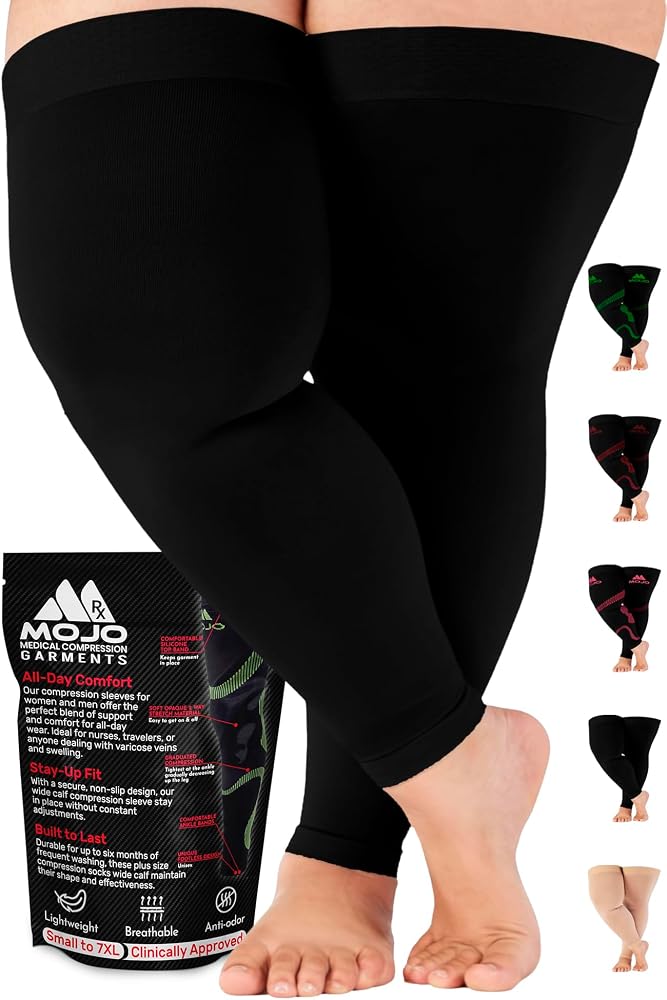
Mojo Compression Socks 20-30mmHg Graduated Support Leg Sleeves
20-30 mmHg graduated compression leg sleeves with nylon-spandex blend. Breathable, seamless design for circulation support. Around $20.
2. Copper Compression Recovery Sleeves
- Best for: Copper-infused technology
- Compression: 15-20 mmHg
- Material: Copper-infused fabric
- Features: Anti-odor, moisture-wicking, antimicrobial
- Pros: Comfortable, odor-resistant, good compression
- Cons: Copper benefits debated
3. Zensah Compression Sleeves
A softer 15-20 mmHg sleeve aimed at all-day comfort rather than firm medical support—the ribbed weave stays put on the calf without digging in behind the knee.
- Best for: Comfort and design
- Compression: 15-20 mmHg
- Material: Zensah fabric
- Features: Ribbed design, moisture-wicking, seamless
- Pros: Very comfortable, excellent design, effective
- Cons: Higher price point
Zensah Compression Calf Sleeves
15-20 mmHg compression calf sleeves with ribbed design and moisture-wicking seamless fabric. Popular with runners. Around $30.
4. Blitzu Compression Sleeves
The firmer pick for wearers who stay on their feet—long walks, rounds of golf, or full days spent standing. At 20-30 mmHg it runs snug, so size up if your calves measure near the top of a range.
- Best for: Athletic and active use
- Compression: 20-30 mmHg
- Material: High-quality spandex
- Features: Graduated compression, breathable, durable
- Pros: Excellent compression, durable, good for activity
- Cons: May be tight for some users

Blitzu Calf Compression Sleeves
20-30 mmHg graduated compression calf sleeves with breathable spandex fabric. Durable design for running and nursing. Around $15.
5. SB SOX Compression Sleeves
A low-cost first sleeve for anyone trying compression therapy before spending more. The tradeoff shows up in longevity, not in the pressure itself—expect to replace these sooner than pricier pairs.
- Best for: Budget-friendly option
- Compression: 15-20 mmHg
- Material: Nylon/spandex blend
- Features: Graduated compression, comfortable, affordable
- Pros: Very affordable, comfortable, good value
- Cons: Less durable than premium models

SB SOX Compression Socks 20-30mmHg
15-20 mmHg graduated compression socks with nylon-spandex blend. Budget-friendly for daily circulation support. Around $12.
How to Choose the Right Compression Sleeves
Start with the swelling itself: where it is, when it shows up, and what your doctor has said about it.
Assess Your Needs
- Medical conditions: Consult healthcare provider
- Activity level: Daily vs. athletic use
- Severity of symptoms: Mild to severe
- Duration of wear: All-day vs. occasional
Measure Correctly
- Ankle circumference: Narrowest part above ankle
- Calf circumference: Widest part of calf
- Arm measurements: For arm sleeves
- Follow size guide: Manufacturer-specific sizing
Consider Comfort
- Material preference: Breathable, soft fabrics
- Compression tolerance: Start with lower levels
- Ease of application: Consider dexterity issues
- Wear time: All-day comfort essential
Putting On Compression Sleeves
A brand-new sleeve fights back. Move the fabric up the leg rather than yanking it.
Preparation
- Gather supplies: Have sleeves ready
- Prepare skin: Clean and dry skin
- Remove jewelry: Prevents snagging
- Allow time: Don't rush the process
Application Steps
- Turn sleeve inside out: Easier to apply
- Position correctly: Align with limb
- Roll up gradually: Smooth out wrinkles
- Check fit: Ensure proper placement
Tips for Success
- Apply in morning: Less swelling in morning
- Moisturize skin: Helps sleeve slide on
- Use rubber gloves: Better grip for application
- Be patient: Takes practice to master
Care and Maintenance
Elastic wears out from sweat, detergent, and dryer heat, not just from use.
Daily Care
- Rotate pairs: Alternate between multiple pairs
- Hand wash preferred: Gentle cleaning method
- Air dry: Maintain elasticity
- Inspect regularly: Check for wear and tear
Washing Instructions
- Mild detergent: Avoid harsh chemicals
- Cool water: Protects elastic fibers
- Gentle cycle: If machine washing
- No fabric softener: Reduces effectiveness
Replacement Timeline
- 3-6 months: With daily use
- Signs of wear: Loss of compression, visible damage
- Effectiveness check: Monitor performance
- Multiple pairs: Extend overall lifespan
Cost Considerations
Compression sleeves vary in price based on compression level, material, and brand.
Price Range
- Basic sleeves: $15-$30
- Mid-range options: $30-$60
- Premium models: $60-$100+
- Medical grade: $100-$200+
Factors Affecting Cost
- Compression level: Higher compression costs more
- Material quality: Premium fabrics cost more
- Brand reputation: Established brands cost more
- Special features: Added technology increases cost
Value Considerations
- Health benefits: Improved circulation worth investment
- Durability: Higher quality lasts longer
- Multiple pairs: Having backups extends value
- Insurance coverage: May be covered with prescription
FAQs
How long should I wear compression sleeves each day? Duration depends on your needs and healthcare provider recommendations. Some people wear them all day, while others only wear them during specific activities or for certain periods.
Can compression sleeves be worn at night? Generally, compression sleeves should not be worn while sleeping unless specifically recommended by your healthcare provider. The body needs time without compression for optimal circulation.
Are compression sleeves safe for everyone? Most people can safely use mild to moderate compression sleeves. However, those with certain medical conditions should consult their healthcare provider before using compression therapy.
How do I know what compression level I need? Compression level depends on your specific needs and medical conditions. Mild compression (8-15 mmHg) is good for everyday use, while higher levels may require medical supervision.
Can I put compression sleeves in the washing machine? Most compression sleeves can be machine washed on gentle cycle with cool water, but hand washing is preferred to maintain elasticity. Always check the manufacturer's care instructions.
How tight should compression sleeves feel? Compression sleeves should feel snug but not painfully tight. They should provide gentle pressure without cutting off circulation or causing discomfort. If they're too tight, try a larger size.
Do compression sleeves really work for circulation? Yes, compression sleeves are clinically proven to improve circulation by helping veins return blood to the heart more efficiently. They're particularly beneficial for people with circulation issues or who sit/stand for extended periods.
Are compression sleeves covered by insurance? Some insurance plans may cover compression sleeves with a doctor's prescription for qualifying medical conditions. Contact your insurance provider to understand your specific coverage.
Related Articles
- Best Arthritis Gloves
- Best Knee Braces for Arthritis
- Managing Circulation Issues
- Walking for Seniors Benefits
- Senior Health Management
References
- American Heart Association. (2024). Compression Therapy for Circulation.
- Mayo Clinic. (2024). Compression Stockings: How They Work.
- National Institutes of Health. (2024). Compression Garments for Lymphedema.
- American Academy of Orthopaedic Surgeons. (2024). Compression Sleeves for Athletes.