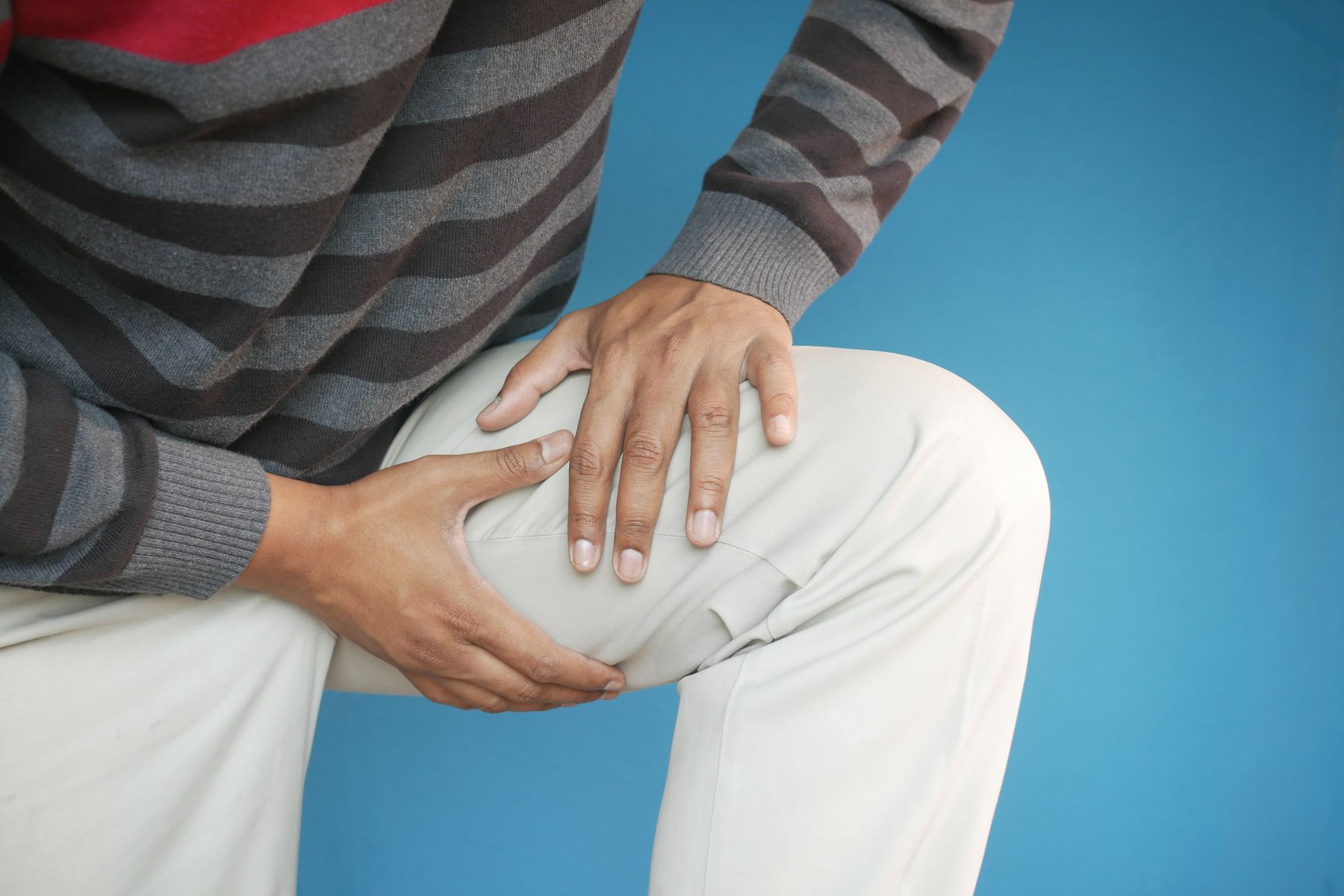
Best Knee Braces for Arthritis
Most people shopping for a knee brace describe the same complaint: a deep, bone-on-bone ache on the inside of the knee — the medial compartment, where osteoarthritis usually starts — that shows up on the second or third flight of stairs, climbing out of a car, or the first twenty steps after standing up from dinner. Knee osteoarthritis affects nearly 50% of adults by age 70, and the options on the shelf are not close cousins. A pull-on sleeve, a wraparound with hinges, and a prescribed unloader brace look similar in a photo but do different jobs, fit differently under trousers, and treat skin differently after eight hours of straps and neoprene. A well-fitted brace stabilizes the joint and shifts weight away from the damaged compartment, which can reduce pain and improve walking stability; it does not rebuild cartilage or take the place of exercise.
The American Academy of Orthopaedic Surgeons guidelines specifically recommend unloader braces for medial compartment knee osteoarthritis—the most common pattern affecting seniors—as part of a comprehensive non-operative treatment plan.
Quick Picks: Top Knee Braces at a Glance
| Pick | Model | Best For | Key Feature | Price Range |
|---|---|---|---|---|
| 🏆 Best Unloader | DonJoy OA Adjuster 3 | Severe medial compartment OA | Custom offloading hinge, lightweight carbon frame | $599–$799 |
| 💰 Best Value Hinged | Mueller Sports Medicine Adjustable Hinged Brace | Moderate OA, daily walking | Bi-lateral hinges, cross-strap stability, universal sizing | $29–$45 |
| 🧦 Best Compression Sleeve | Bauerfeind GenuTrain S | Mild OA swelling + proprioception | Medical-grade knit, silicone patella ring, side stays | $89–$129 |
Medicare tip
If your orthopedist writes a prescription documenting medical necessity, Medicare Part B may cover 80% of offloader or hinged knee braces. A fitted DME provider handles billing. Compression sleeves are rarely covered.
How We Evaluated These Knee Braces
We reviewed 30+ models with one filter: does it help an older knee through an ordinary day? Four criteria carried the decision:
1. Stability & Biomechanics (40%)
Hinge quality, compartment offloading effectiveness, anti-slip design to prevent migration during walking, and clinically validated outcomes data.
2. Ease of Application (25%)
Senior-friendly straps, Velcro quality, pull-on accessibility for stiff hands, and whether the brace can be applied while seated without assistance.
3. Comfort & Breathability (20%)
Neoprene thickness, moisture-wicking lining, low-profile fit under pants, and non-irritating materials for sensitive skin.
4. Value & Support (15%)
Warranty, return/exchange policy, DME billing support, and price relative to clinical evidence.
How Knee Braces Help Arthritis
Pain Reduction
- Shifts body weight off the most damaged cartilage compartment
- Absorbs walking shock through flexible side hinges
- Reduces bone-on-bone rubbing at end-range knee bend
Walking Stability
- Prevents medial-lateral "wobble" common with weak quadriceps
- Improves proprioceptive feedback—brain better senses knee position
- Cuts the hesitation that makes you shorten a route or skip an outing before the knee even objects
Functional Independence
- Extends the distance between "fine" and "I need to sit down" on errands and walks
- Takes the worst edge off stairs and chair rises
- Means staying for the whole visit instead of planning your exit around the knee
Types of Knee Braces for Arthritis
Compression Sleeves
Lightweight pull-on for mild OA and everyday swelling, and the style that hides best under trousers. The catch is mechanical: hauling one on over a swollen, stiff knee at 7 a.m. is genuinely hard, and solid neoprene can irritate skin in hot weather. $20–$130.
Wrap-Around (Open Patella)
Opens flat and wraps closed, so nothing gets dragged over a swollen knee and you can retighten through the day. Best for moderate OA whose swelling comes and goes. The trade-offs: Velcro wears faster than knit fabric, and strapped bulk shows under slimmer pants. $25–$80.
Hinged Braces
Rigid or semi-rigid side hinges that stop the side-to-side wobble. Best for moderate OA and meniscus tears; the hinges are thicker and can telegraph through tailored trousers. $30–$200.
Unloader / Offloader Braces
Custom or semi-custom frame using a three-point pressure system to shift load off the damaged compartment onto the healthier side. The gold standard for severe unicompartmental OA, usually clinician-fitted and the only type here with meaningful insurance pathways. $450–$900.
Top Knee Braces for Arthritis Seniors
1. DonJoy OA Adjuster 3 Unloader Brace
Best for: Severe medial or lateral compartment OA with prescription backing
Why it stands out: The DonJoy OA Adjuster 3 is the most prescribed unloader brace by orthopedists because its patented adjustable hinge lets you dial in precise degrees of offloading (from 3° to 9°) as your condition changes over time. The lightweight carbon-fiber frame weighs only 12 oz, and the low-profile shell fits under most loose pants without visible bulging. Seniors with severe medial compartment OA (the most common form) report 40-60% walking pain reduction within the first two weeks.
- Indications: Medial or lateral unicompartmental OA, post-osteotomy, mild to moderate instability
- Frame: Carbon-fiber reinforced, bilateral low-profile shells, adjustable dial hinge
- Size range: 5 sizes, calf and thigh circumference measurements
- Pros: Prescription coverage support, most clinically studied, durable 2+ year lifespan
- Cons: High upfront cost, clinician initial fitting recommended
2. Mueller Sports Medicine Adjustable Hinged Brace
Best for: Moderate OA stability at an accessible over-the-counter price
Why it stands out: The Mueller hinged brace is the most popular OTC hinged brace recommendation because it delivers reliable bi-lateral aluminum hinge support at roughly 1/5th the cost of prescription models. The wraparound design avoids pulling it over a swollen knee—a huge win for seniors with early-morning stiffness who struggle with pull-on sleeves. Triaxial cross straps lock the brace in place so it doesn't slide down mid-walk.
- Indications: Moderate OA, mild MCL/LCL instability, meniscus irritation
- Frame: Removable bi-lateral aluminum hinges, neoprene blend wrap
- Size range: One size fits most (thigh 14-22", calf 12-18")
- Pros: Low cost, removable hinges for washing, wraparound easy application
- Cons: Bulkier fit than premium brands, not for severe offloading
3. Bauerfeind GenuTrain S Compression Brace
Best for: Mild to moderate OA, medical-grade compression with proprioceptive support
Why it stands out: What sets Bauerfeind GenuTrain S apart from basic neoprene sleeves is its medical-grade knit fabric that delivers precise graduated compression—tightest at calf, gentler at thigh—for improved venous return and reduced end-of-day swelling. A contoured silicone ring surrounds and protects the patella to reduce tracking pain, while built-in flexible side stays add mild stability without the bulk of full hinges.
- Indications: Mild/moderate OA, patellofemoral pain, post-surgical swelling
- Frame: Medical-grade knit, silicone patella ring, integrated plastic stays
- Size range: 6 precision sizes based on circumference 5.9" below kneecap
- Pros: Machine washable, fits under slacks, breathable for summer wear
- Cons: Higher cost for a sleeve, requires exact sizing measurement
4. Shock Doctor Ultra Knee Support with Bilateral Hinges
Best for: All-around support at a mid-range price for weekend warriors and daily walks
Why it stands out: This is the brace for the person who has tried a drugstore sleeve, needs more than compression, but doesn't have a prescription unloader in the budget. The X-fit cross-strap system cinches from four directions and checks the side-to-side movement without blocking the normal bend of a walking stride. The vented neoprene mesh earns its keep on long summer walks — less sweat means less skin irritation — and the pre-curved shape doesn't twist or bind when the knee straightens fully.
- Indications: Moderate OA, ACL/MCL mild sprain support, meniscal symptoms
- Frame: Integrated aluminum hinges, airflow mesh neoprene, X-strap closure
- Size range: S, M, L, XL based on knee circumference
- Pros: Fills the gap between drugstore hinges and prescription braces, vented mesh, anatomical fit
- Cons: Not a true compartment offloader, runs slightly small
5. Vive Knee Brace Compression Wrap (Open Patella)
Best for: Budget-friendly easy-adjust daily support for mild-to-moderate OA
Why it stands out: The Vive open-patella wrap is the top recommendation for seniors with fluctuating swelling—because it's fully adjustable with three Velcro straps instead of a fixed pull-on size, it fits whether the knee is at its normal baseline or swollen 10% larger after a long walk. The circular patella cutout prevents pressure directly on the kneecap bone, which is critical for seniors with patellofemoral component OA.
- Indications: Mild OA, patellofemoral tracking, mild swelling
- Frame: Neoprene blend with open patella, fully adjustable triple straps
- Size range: Universal fits knee circumference 11-20"
- Pros: Cheap enough to replace without guilt, adjustable for fluctuating swelling, easy one-handed application
- Cons: Less rigid support than hinged models, hand-wash only
How to Use Knee Braces Safely
📝Step-by-Step Guide
- 1Sit on a firm chair with knee bent to 90°. Measure circumference per brand instructions before first order.
- 2Apply braces while seated: align patella cutout or pad directly over the kneecap before tightening straps.
- 3Tighten thigh strap first, then calf strap, then any mid or cross straps. Wiggle knee—if brace slides, tighten incrementally.
- 4Wear during activity only (walks, errands, exercise) unless orthopedist prescribes longer wear.
- 5After removing, inspect skin for pressure marks. Mild redness that fades in 10 min is normal; lasting marks mean too tight.
Stop wearing and consult your orthopedist if:
- Pain gets worse, or new numbness/tingling develops in your foot.
- Brace rubs skin raw behind the knee or over bony kneecap edges.
- Swelling increases, not decreases, after consistent use.
Cost Considerations
- OTC Budget ($19–$45): Basic sleeve or wraparound. Mild OA support.
- OTC Mid-range ($49–$130): Hinged supports, medical-grade knit, vented mesh. Moderate OA.
- Prescription Grade ($450–$900): Unloader/offloader braces. Severe unicompartmental OA.
- Medicare Part B: Covers 80% of cost for prescribed hinged/unloader braces when documentation supports medical necessity.
FAQs
Do knee braces actually work for arthritis? Yes. The American Academy of Orthopaedic Surgeons strongly recommends unloader (offloader) braces for medial compartment knee OA—the most common pattern in seniors. Peer-reviewed studies consistently show that properly fitted unloader braces reduce walking pain by 30-50% and improve 6-minute walk distance for moderate-to-severe unicompartmental OA users. Compression sleeves and hinged braces also help mild-to-moderate users through proprioceptive support and swelling control.
What type of knee brace is best for osteoarthritis? Select based on OA severity. Mild OA with mainly swelling and stiffness responds well to a compression sleeve (e.g., Bauerfeind GenuTrain). Moderate OA with medial/lateral wobble or meniscus irritation needs a hinged wraparound. Severe OA confined to one compartment (medial 80% of seniors) needs a prescribed unloader brace like the DonJoy OA Adjuster 3. If your X-ray shows diffuse tricompartmental OA, an unloader may still help but outcomes vary.
Should I wear a knee brace all day or just when walking? Most arthritis braces are designed for activity wear only. Wearing them all day (12+ hours) can cause skin breakdown, weaken supportive muscle tone, and reduce natural proprioception as your brain becomes dependent on external support. The standard routine: put it on before walks, errands, or housework; remove it during seated rest and sleep. Your physical therapist or orthopedist may recommend longer wear schedules for specific post-op or injury recovery cases.
How do I measure for a correctly fitting knee brace? Use a soft flexible tape and follow the brand's specific landmark (usually 10cm or 4 inches above and below the mid-kneecap) with your knee slightly bent at 30°. Never guess or size up "to be safe"—a brace that's too large slides during walking and provides zero support, while one too small causes calf numbness and shin pressure. Most prescription-grade unloader braces require a clinician in-office measurement for proper fitting.
Can a knee brace replace physical therapy for knee OA? Absolutely not. Braces are a temporary adjunct that reduces symptoms while you build the real solution: stronger quadriceps, hamstrings, and gluteal muscles through targeted physical therapy exercise. The strongest long-term OA pain relief comes from combining brace-assisted walking activity with PT-prescribed leg extensions, clamshells, and bodyweight squats. Think of the brace as training wheels, not a permanent crutch.
How long does an arthritis knee brace last before needing replacement? Soft neoprene sleeves and basic wraparounds last 3-6 months with daily wear before the elastic stretches, Velcro hooks wear out, or straps lose their grip tension. Rigid hinged OTC braces typically last 6-18 months. Prescription carbon-fiber unloader braces last 1-3 years with proper strap replacement and frame inspection. Replace any brace immediately if hinges crack, frame breaks, or it consistently slides down your leg after 10 minutes of walking.
📌Key Takeaways
- Quick Picks: DonJoy OA Adjuster 3 (severe OA unloader prescription), Mueller Hinged (OTC value moderate OA), Bauerfeind GenuTrain S (mild OA compression with patella ring).
- For medial compartment OA (most common in seniors): unloader brace is the only brace type clinically proven to shift weight off damaged cartilage.
- Wear during activity only, not 24/7. Remove every 3-4 hours to check skin for pressure marks.
- Medicare Part B may cover 80% of prescribed unloader or hinged braces with doctor CMN documentation.
- Never let a sliding or irritating brace stay on—sizing and fit issues cause more harm than good over time.
Related Articles
- Best Arthritis Gloves for Seniors
- Best Walking Shoes for Seniors
- Best Canes for Seniors with Balance Issues
- Best Rollators & Walkers for Seniors
References
- American Academy of Orthopaedic Surgeons. (2024). Clinical Practice Guideline: Treatment of Knee Osteoarthritis. AAOS.org.
- American College of Rheumatology. (2024). Knee Osteoarthritis Non-Pharmacologic Management Recommendations. ACR.org.
- National Institute of Arthritis and Musculoskeletal and Skin Diseases. (2024). Hand & Knee Osteoarthritis in Adults 65+. NIAMS.NIH.gov.
- Arthritis Foundation. (2024). Knee Braces and Supports: User Guide. Arthritis.org.
- Mayo Clinic. (2024). Osteoarthritis Knee: Bracing and Assistive Devices. Mayoclinic.org.