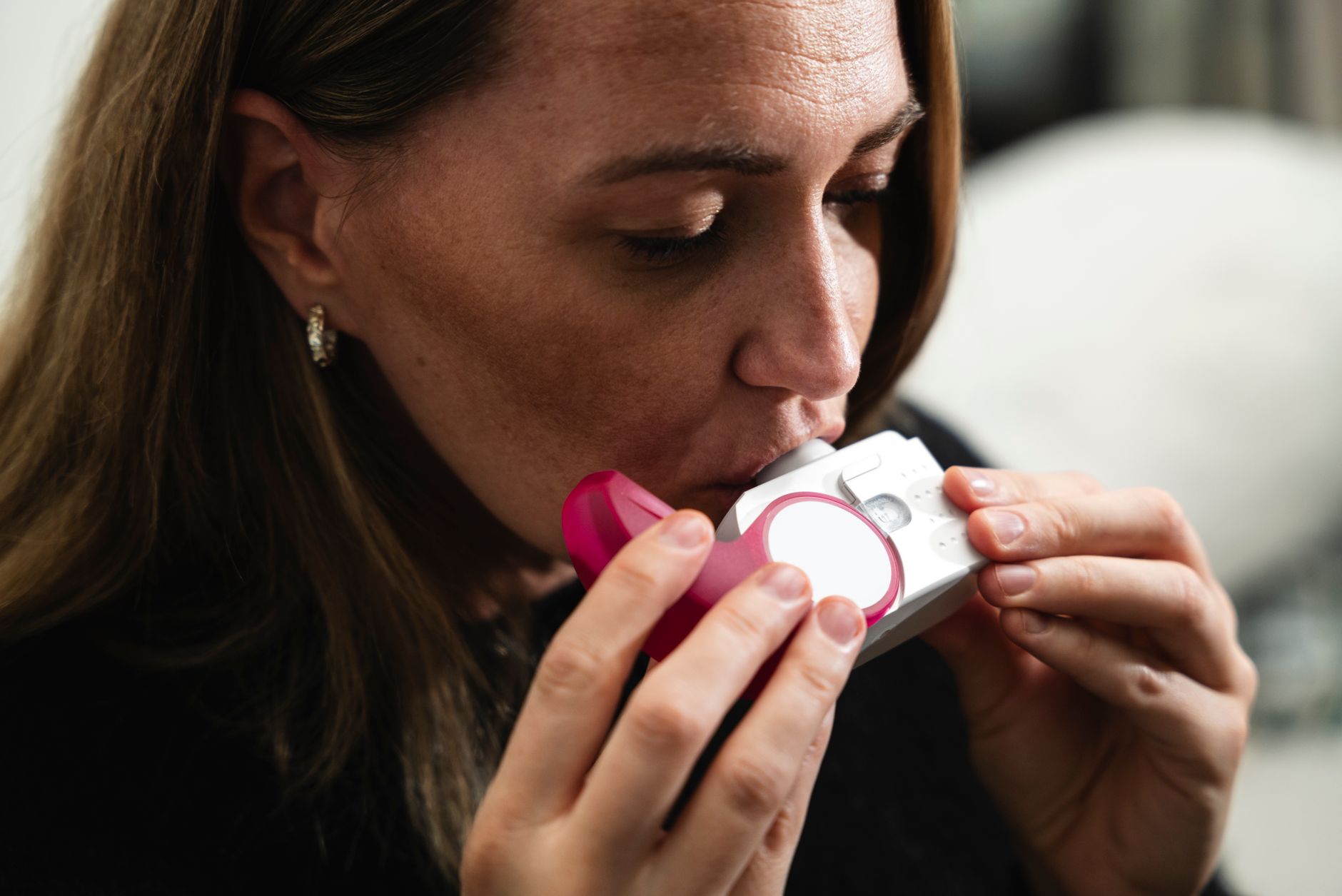
📌Key Takeaways
- Nebulizers are essential for COPD patients who struggle with inhalers
- Portable mesh nebulizers are ideal for active seniors and travel
- Home compressor nebulizers are reliable for daily treatments
- Seniors should prioritize ease of use, quiet operation, and simple cleaning
- Medicare may cover nebulizers as durable medical equipment
- Caregivers play an important role in ensuring proper nebulizer use
COPD Nebulizer Buying Guide: Complete Decision Guide for Seniors & Caregivers
A nebulizer treatment asks for about ten minutes of steady, upright breathing at the kitchen table while liquid medicine turns into a fine mist. Some machines do this with a humming compressor and a length of tubing tethered to a wall outlet; others use a vibrating mesh small enough to slip into a jacket pocket for a weekend away. For seniors living with COPD — and the caregivers who set up, clean, and sometimes run these devices twice a day — those differences shape the whole routine. This guide walks through the options, features, and costs so the equipment fits the life around the treatment, not the other way around.
Why This Guide Matters
Chronic Obstructive Pulmonary Disease (COPD) affects over 16 million Americans, and most are adults over 65. Getting medication deep into narrowed airways is what keeps symptoms in check and keeps daily routines manageable.
According to the American Lung Association, nebulizers are particularly helpful for people with COPD who have difficulty coordinating the breath required for metered-dose inhalers or who need larger doses of medication.
Who This Guide Is For
Seniors with COPD: If you struggle with breathing and need a reliable way to take your medications, this guide will help you understand your options.
Caregivers: If you're helping a loved one manage COPD, this guide will provide the information you need to support their treatment decisions.
Healthcare Providers: While this guide is not a substitute for medical advice, it can help you have more informed conversations with your patients about their equipment preferences.
Why COPD Patients May Need a Nebulizer
COPD puts several obstacles between a prescription and the lungs it is meant to reach:
Common COPD Symptoms
- Shortness of breath, especially with activity
- Chronic cough with mucus production
- Wheezing
- Chest tightness
- Fatigue
When Nebulizers Are Preferred Over Inhalers
- Coordination difficulties: Seniors who can't properly time inhaler activation with breathing
- Severe COPD: Those requiring higher medication doses
- Weak lung function: Individuals who need longer treatment times
- Multiple medications: Patients using combination therapies
Because the mist flows continuously for several minutes, there is no button-and-breath maneuver to coordinate — the treatment works as long as ordinary breathing continues.
Before Buying a Nebulizer for COPD: 5 Questions to Ask
The device that fits depends on five practical questions:
1. Do you need it mainly at home or while traveling?
- Home use only: A compressor nebulizer may be the most cost-effective choice
- Travel frequently: A battery-powered mesh nebulizer is worth the extra cost
- Both: Look for dual-powered options
2. Can you operate small buttons and parts easily?
- Limited dexterity: Choose models with large buttons and simple assembly
- Vision concerns: Opt for clear labeling and bright displays
- Caregiver assistance: Consider ease of use for both patient and caregiver
3. Do you need a quiet device for nighttime use?
- Shared bedroom: Mesh nebulizers are the quietest option
- Light sleeper: Avoid jet compressors for nighttime treatments
- Home office use: Consider noise level when treating during the day
4. How often will treatments be needed?
- Daily maintenance: Look for durable, easy-to-clean models
- As-needed relief: Portability becomes more important
- Multiple daily treatments: Fast treatment times can improve compliance
5. Will Medicare or insurance cover the device?
- Medicare Part B: May cover nebulizers as durable medical equipment (DME)
- Private insurance: Coverage varies by plan
- Cash purchase: Budget-friendly options are available
Types of Nebulizers Explained
All three types do the same job — turn liquid medicine into mist — but they differ in how, how loudly, and where they can do it.
Jet Nebulizers (Compressor Nebulizers)
The most common type, using compressed air to create medication mist.
Pros:
- Affordable
- Reliable
- Works with most medications
- Easy to use
- Durable construction
Cons:
- Noisy operation (60-70 decibels)
- Requires electrical outlet
- Longer treatment times (10-15 minutes)
- Less portable
Best For: Seniors who primarily use their nebulizer at home and value reliability over portability.
Ultrasonic Nebulizers
Use high-frequency vibrations to create medication mist.
Pros:
- Quiet operation (40-50 decibels)
- Faster treatment times (6-10 minutes)
- Portable options available
- Smaller and lighter than compressors
Cons:
- More expensive
- May not work with all medications
- Can heat some medications
- More delicate construction
Best For: Seniors who want a balance between performance and portability.
Mesh Nebulizers
Use a vibrating mesh to create ultra-fine mist particles.
Pros:
- Very quiet (30-40 decibels)
- Fast treatment times (4-8 minutes)
- Highly portable
- Battery-operated options
- Efficient medication delivery
- Any-angle operation
Cons:
- Most expensive type
- Mesh requires careful cleaning
- May clog with some medications
- More maintenance required
Best For: Active seniors who need portability, quiet operation, and fast treatments.
Comparison Table: Best Nebulizers for COPD
| Model | Type | Best For | Noise Level | Portable | Battery | Treatment Time | Price Range |
|---|---|---|---|---|---|---|---|
| Philips Respironics Innospire Go | Mesh | Travel & Active Seniors | Very Quiet (30-40 dB) | Yes | Yes (45 min) | 4-6 min | $150-$250 |
| Omron MicroAir U100 | Mesh | Seniors & Home/Travel | Silent (under 30 dB) | Yes | Yes (17 min) | 5-7 min | $100-$200 |
| DeVilbiss PulmoMate | Compressor | Home Daily Use | Medium (60-70 dB) | No | No | 10-15 min | $50-$100 |
| Drive Medical | Compressor | Budget Home Use | Medium (55-65 dB) | No | No | 10-12 min | $30-$70 |
| Pari Vios Pro | Compressor | Hospital-Quality Home Use | Medium (55-65 dB) | No | Optional | 6-10 min | $100-$150 |
Best Nebulizers for COPD (By User Need)
Best Portable Option: Philips Respironics Innospire Go
Why it stands out: For a grandparent treating at a grandchild's soccer field or a traveler keeping one in a carry-on, the Innospire Go is the mesh device others get measured against — a full treatment in minutes, no outlet required.
Key Features:
- Vibrating mesh technology for efficient medication delivery
- Ultra-lightweight (under 3 oz) - easy to carry in a pocket or purse
- Quiet operation - won't disturb others
- Fast treatment times (4-6 minutes)
- Rechargeable battery with 45-minute runtime
- Any-angle operation - use while sitting, standing, or lying down
- Includes carrying case for travel
Best For:
- Active seniors who want to maintain their lifestyle
- Frequent travelers
- Caregivers who need a reliable device for on-the-go use
- Those who need treatments in shared spaces
What We Look For:
- ✓ Treatment speed
- ✓ Ease of cleaning
- ✓ Portability
- ✓ Noise level
- ✓ Senior-friendly design
Philips Respironics Innospire Go Mesh Nebulizer
Ultra-lightweight mesh nebulizer under 3 oz with 4-6 min treatments, 45-min battery, and any-angle operation. Around $150-$250.
Best for Home Daily Use: DeVilbiss PulmoMate Compressor Nebulizer
Why it stands out: The PulmoMate is the machine that stays on the same kitchen counter for years — a compressor that runs morning and evening without complaint, at a price lower than a year's worth of replacement tubing.
Key Features:
- Powerful compressor for consistent medication delivery
- Fast treatment times
- Durable construction designed for daily use
- Easy-to-clean design with dishwasher-safe parts
- Includes disposable and reusable nebulizers
- 5-year warranty for peace of mind
- Compact footprint for easy storage
Best For:
- Seniors who primarily need a nebulizer at home
- Those who want long-term reliability
- Budget-conscious shoppers who don't need portability
- Caregivers who want a low-maintenance device
What We Look For:
- ✓ Treatment speed
- ✓ Ease of cleaning
- ✓ Durability
- ✓ Warranty
- ✓ Senior-friendly design
DeVilbiss PulmoMate Compressor Nebulizer
Durable home compressor nebulizer with 5-year warranty, dishwasher-safe parts, and fast treatments. Around $50-$100.
Best Quiet Option: Omron MicroAir U100
Why it stands out: The MicroAir U100 runs quietly enough that a spouse sleeping inches away may not notice — useful for the 2 a.m. treatment nobody wants to announce.
Key Features:
- Vibrating mesh technology for ultra-quiet operation
- Silent performance - won't wake sleeping partners
- Battery or AC powered for flexibility
- 17-minute battery life per charge
- Any-angle operation
- Includes carrying case
- Simple one-button operation
Best For:
- Light sleepers who need nighttime treatments
- Seniors in shared living situations
- Those who value quiet operation most
- Caregivers managing multiple patients
What We Look For:
- ✓ Noise level
- ✓ Ease of use
- ✓ Portability
- ✓ Treatment speed
- ✓ Senior-friendly design
Omron MicroAir U100 Mesh Nebulizer
Nearly silent mesh nebulizer with 17-min battery, any-angle operation, and simple one-button control. Around $100-$200.
Best Budget Option: Drive Medical Nebulizer
Why it stands out: The Drive Medical kit answers the practical question — what is the least expensive way to start prescribed treatments at home? — with a complete piston-compressor setup in one box.
Key Features:
- Piston-type compressor for consistent performance
- Quiet operation for a jet nebulizer
- Complete kit included
- Easy to assemble and use
- Affordable pricing
- Lightweight design
- Clear instructions
Best For:
- Budget-conscious seniors
- Those new to nebulizer treatment
- Caregivers setting up initial equipment
- Backup device for travel
What We Look For:
- ✓ Affordability
- ✓ Ease of use
- ✓ Complete kit
- ✓ Reliability
- ✓ Senior-friendly design
Drive Medical Power Neb Ultra Compressor Nebulizer
Affordable piston compressor nebulizer with complete kit, lightweight design, and easy assembly. Around $30-$70.
Best Hospital-Quality Option: Pari Vios Pro
Why it stands out: Respiratory therapists have used Pari hardware in clinics for years; the Vios Pro brings that same LC Sprint nebulizer into the living room.
Key Features:
- LC Sprint nebulizer for fast, efficient treatment
- Efficient particle delivery that targets the lower airways
- Durable construction
- Easy to clean
- Optional battery pack available for limited portability
- Trusted brand in respiratory care
- Consistent performance
Best For:
- Seniors who want hospital-quality treatments at home
- Those with severe COPD requiring precise medication delivery
- Caregivers who want professional-grade equipment
- Long-term daily use
What We Look For:
- ✓ Treatment efficiency
- ✓ Durability
- ✓ Professional quality
- ✓ Ease of cleaning
- ✓ Senior-friendly design
Pari Vios Pro Compressor Nebulizer
Hospital-quality compressor with LC Sprint nebulizer for efficient particle delivery and maximum absorption. Around $100-$150.
Features Seniors Should Look For
Hands shake, eyes weaken, and a caregiver may be the one assembling the kit at 6 a.m. Details that look minor on a box matter then:
User-Friendly Design
- Large buttons: Easy to press for those with limited dexterity
- Simple assembly: Few pieces to put together
- Lightweight design: Easy to hold and carry
- Clear instructions: Large print, simple language
Cleaning & Maintenance
- Easy-to-clean parts: Dishwasher-safe components
- Few pieces: Less to disassemble and clean
- Clear cleaning instructions: Step-by-step guidance
- Quick-drying components: Reduces moisture buildup
Performance Features
- Quiet operation: Important for nighttime use and shared spaces
- Fast treatment times: Less time spent on treatments
- Consistent mist production: Reliable medication delivery
- Any-angle operation: Use in any comfortable position
Caregiver Considerations
- Easy to set up: Caregivers can quickly prepare treatments
- Clear indicators: Visible signs when treatment is complete
- Durable construction: Withstands frequent use
- Warranty coverage: Peace of mind for expensive equipment
Caregiver's Guide to Choosing a Nebulizer
A caregiver often knows the treatment routine better than anyone — where the tubing kinks, which cup needs replacing, whether last night's session actually happened. Before buying or upgrading a device, take stock of four things:
Understanding Your Loved One's Needs
- Treatment frequency: How many times daily is treatment needed?
- Physical abilities: Can they operate the device independently?
- Living situation: Do they live alone or with others?
- Activity level: Do they travel or stay mostly at home?
Caregiver Checklist
- Observe your loved one using their current device (if any)
- Ask about their preferences (quiet, portable, easy to use)
- Check with their healthcare provider for recommendations
- Consider the cost and insurance coverage
- Review cleaning and maintenance requirements
- Test the device before full commitment
Supporting Treatment Compliance
- Make it routine: Integrate nebulizer treatments into daily schedules
- Be patient: Some seniors may resist new equipment at first
- Offer assistance: Help with setup and cleaning as needed
- Track usage: Keep a log of treatments to share with healthcare providers
Decision Flowchart
Not sure where to start? Follow this simple decision process:
Step 1: Determine Primary Use
- Home only: Go to Step 2A
- Travel/On-the-go: Go to Step 2B
Step 2A: Home Use Considerations
- Daily treatments: Consider compressor nebulizers (reliable, affordable)
- Nighttime use: Prioritize quiet operation
- Shared living: Choose quieter models
Step 2B: Portable Use Considerations
- Air travel: Look for TSA-compliant models
- Battery life: Ensure enough runtime for daily needs
- Weight/size: Choose lightweight options
Step 3: Budget Considerations
- Medicare/insurance: Check coverage first
- Cash purchase: Balance features with cost
- Long-term costs: Consider replacement parts and maintenance
How To Use a Nebulizer Safely
The machine only delivers what the setup allows. The routine below keeps each treatment consistent:
Preparation
- Wash your hands thoroughly with soap and water
- Check that all parts are clean and dry
- Add medication as prescribed by your doctor
- Assemble the nebulizer correctly
- Connect tubing to compressor (if using)
During Treatment
- Sit in a comfortable, upright position
- Place the mouthpiece between teeth and close lips around it
- Breathe slowly and deeply through your mouth
- Tap the nebulizer cup occasionally to use all medication
- Continue until the medication cup is empty (no more mist)
After Treatment
- Rinse your mouth with water (especially if using steroids)
- Disassemble and clean all parts
- Air dry on a clean towel
- Store in a clean, dry place
Cleaning and Maintenance
A warm, damp nebulizer cup is an ideal place for bacteria to grow. A short daily routine prevents that and keeps the mist strong.
Daily Cleaning
- Rinse nebulizer cup, mouthpiece, and mask with warm water
- Shake off excess water
- Air dry completely before storing
Weekly Disinfecting
- Wash parts in warm, soapy water
- Rinse thoroughly
- Soak in a solution of 1 part white vinegar to 3 parts water for 30 minutes
- Rinse well with sterile or distilled water
- Air dry completely
Filter Replacement
- Check filters regularly
- Replace when discolored or dirty
- Follow manufacturer recommendations
- Never use device without filter
Medicare Coverage for Nebulizers
The device is only part of the cost; Medicare may cover much of it when the right steps are followed.
Does Medicare Cover Nebulizers?
Medicare Part B may cover nebulizers as durable medical equipment (DME) when:
- Prescribed by a doctor
- Medically necessary for COPD management
- Provided by a Medicare-approved supplier
Coverage Details
- You typically pay 20% of the Medicare-approved amount after meeting your annual deductible
- The nebulizer must be purchased from a Medicare-approved supplier
- Replacement parts (tubing, masks, cups) may also be covered
- Coverage may include training on proper use
How to Get Coverage
- Get a prescription from your doctor
- Find a Medicare-approved DME supplier
- Submit the claim through Medicare
- Pay any applicable deductibles and co-payments
For the most up-to-date information, visit Medicare.gov or contact your Medicare provider.
Medical Review
This guide explains nebulizer features and buying considerations. It is not a substitute for medical advice.
People with COPD should ask their healthcare provider:
- Which medication delivery method is appropriate for their condition
- How often treatment is needed
- Which device matches their specific needs
- How to properly clean and maintain the device
- Whether Medicare or insurance covers the cost
Reviewed by respiratory care resources:
- American Lung Association
- COPD Foundation
- National Heart, Lung, and Blood Institute
Common Questions
How often should I use my nebulizer?
Use your nebulizer exactly as prescribed by your doctor. Some people use it once or twice daily for maintenance medications, while others use it as needed for symptom relief.
Can I travel with my nebulizer?
Yes, many nebulizers are portable. Battery-operated mesh nebulizers are ideal for travel. For air travel, check TSA guidelines and bring a letter from your doctor if needed.
Is a nebulizer better than an inhaler?
Neither is universally better. Nebulizers are easier to use correctly and deliver medication over a longer period. Inhalers are more portable and convenient. Your doctor will recommend the best option for your situation.
How long does a nebulizer treatment take?
Treatment times vary by nebulizer type and medication volume. Jet nebulizers typically take 10-15 minutes, while mesh nebulizers can complete treatment in 4-8 minutes.
Can I use any medication in my nebulizer?
Only use medications prescribed for nebulizer use. Some medications are designed for inhalers only. Always follow your doctor's instructions.
Why is my nebulizer not making mist?
Common causes include:
- Clogged nebulizer cup
- Loose connections
- Empty medication cup
- Compressor not working
- Kinked tubing
Check all connections and clean the nebulizer cup. If problems persist, contact the manufacturer.
How long do nebulizers last?
Most compressor units last 3-5 years with proper care. Nebulizer cups should be replaced every 6 months or as recommended by the manufacturer.
Should I use distilled water?
Always use distilled or sterile water for cleaning. Tap water contains minerals that can build up and clog the nebulizer over time.
Related Respiratory Equipment
Medical Equipment Cluster
- Best Medical Equipment for Seniors — Complete guide
- Best Pulse Oximeters for Seniors — Monitor oxygen levels
- Best CPAP Machines for Seniors — Sleep apnea treatment
- Best Medical Alert Systems for Seniors — Emergency response
COPD & Respiratory Health
- Breathing Exercises for Seniors — Improve lung function
- Exercise for Heart Health in Elderly — Cardiovascular health
Healthy Aging Hub
- The Ultimate Healthy Aging Guide — Back to main guide
References
- American Lung Association - Nebulizers
- COPD Foundation
- National Heart, Lung, and Blood Institute - COPD
- Medicare.gov - Durable Medical Equipment
- Centers for Disease Control and Prevention - COPD
Disclaimer: This article is for informational purposes only. Always follow your healthcare provider's instructions for COPD management and nebulizer use. Nebulizers should only be used with medications prescribed by a qualified healthcare professional.