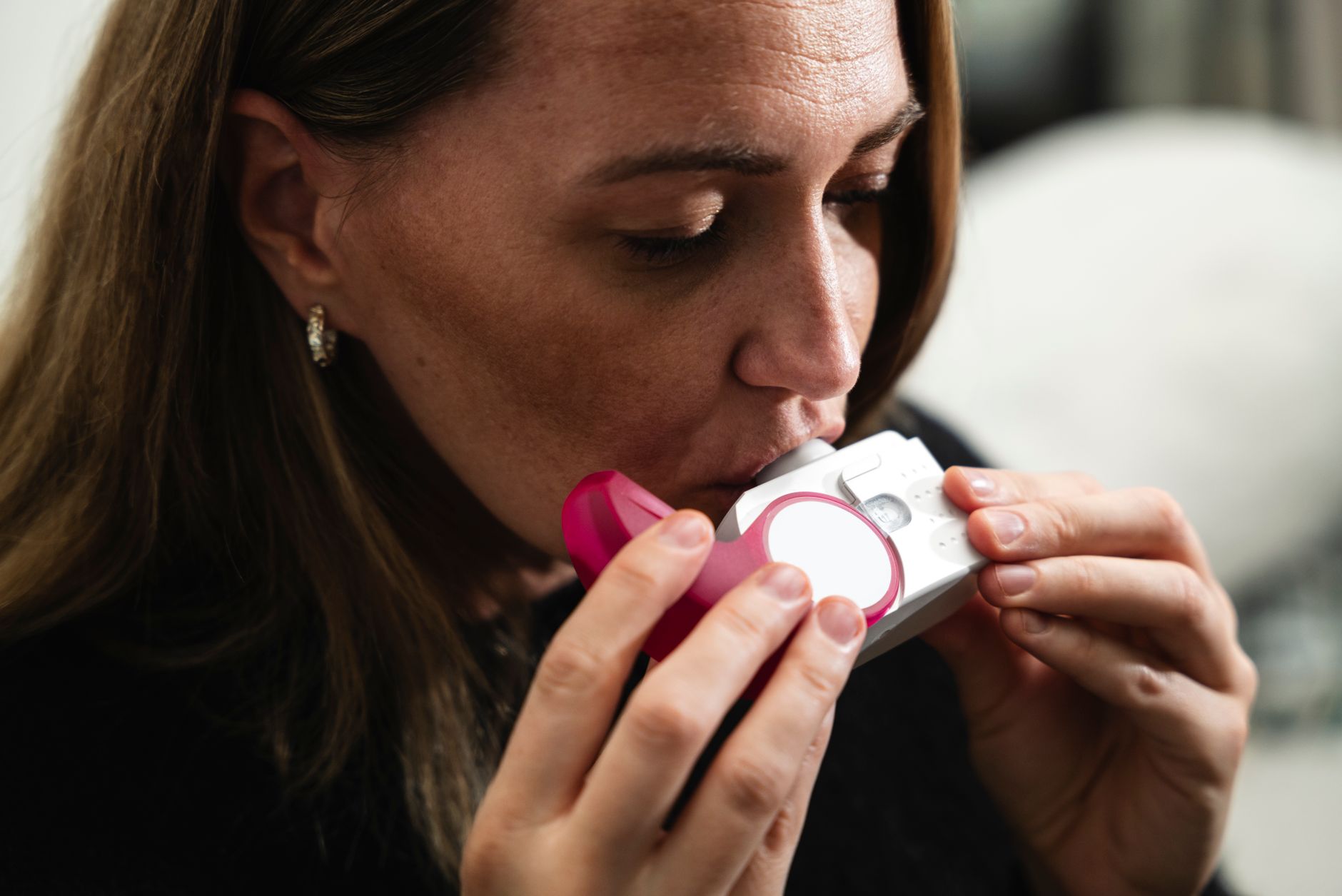
What is COPD? (Quick Answer)
Chronic Obstructive Pulmonary Disease (COPD) is a progressive lung disease that makes breathing increasingly difficult. According to the American Lung Association, COPD affects over 16 million Americans and is the third leading cause of death in the United States. While COPD cannot be cured, proper management can significantly improve quality of life and slow disease progression.
Understanding COPD in Detail
COPD encompasses two main conditions that often occur together: chronic bronchitis and emphysema. Both cause airflow obstruction and breathing difficulties, but they affect different parts of the lungs.
How COPD affects the lungs:
In healthy lungs, air travels through bronchial tubes to tiny air sacs called alveoli. Oxygen passes from alveoli into the bloodstream while carbon dioxide moves from blood to alveoli for exhalation. COPD damages these structures, making this gas exchange increasingly difficult.
Chronic bronchitis component:
- Inflammation and narrowing of bronchial tubes
- Excessive mucus production that clogs airways
- Persistent cough to clear mucus
- Airways become scarred and thickened
Emphysema component:
- Destruction of alveoli (air sacs)
- Loss of elastic recoil that helps push air out
- Air becomes trapped in lungs
- Reduced surface area for oxygen exchange
COPD Prevalence Among Older Adults
According to the Centers for Disease Control and Prevention (CDC):
- Approximately 16 million Americans have diagnosed COPD
- Many more may have undiagnosed COPD
- COPD is most common in adults over 65
- Men were historically more affected, but rates among women have increased
- COPD disproportionately affects certain populations and regions
These statistics highlight why understanding COPD matters for healthy aging. Early diagnosis and management can significantly improve outcomes.
Recognizing COPD Symptoms
COPD symptoms typically develop gradually, often over years. Many people dismiss early symptoms as "just getting older" or "smoker's cough," delaying diagnosis and treatment.
Early COPD Symptoms
Initial signs often include:
- Chronic cough: Often the first noticeable symptom, may be dismissed as "normal"
- Mucus production: Clear, white, or slightly yellow mucus, especially in morning
- Mild shortness of breath: Initially only during significant exertion
- Occasional wheezing: Especially during respiratory infections
Progressive COPD Symptoms
As disease advances:
- Increased shortness of breath: During moderate activity, then light activity, eventually at rest
- More frequent cough: Constant or near-constant coughing
- Increased mucus: Larger amounts, may change color during infections
- Wheezing: More pronounced, especially when lying down
- Chest tightness: Feeling of pressure or constriction
- Fatigue: Due to increased work of breathing and reduced oxygen
Advanced COPD Symptoms
Severe COPD effects:
- Significant breathlessness: Even at rest, may need oxygen supplementation
- Limited mobility: Difficulty walking even short distances
- Weight loss: From increased calorie needs for breathing and reduced appetite
- Frequent respiratory infections: Colds, bronchitis, pneumonia
- Swelling: In feet, ankles, or legs from heart strain
- Morning headaches: From poor oxygen levels during sleep
- Blue-tinged lips or fingernails: Sign of low oxygen (cyanosis)
COPD Exacerbations (Flare-ups)
COPD flare-ups represent sudden worsening of symptoms, often triggered by infections or environmental factors.
Warning signs of exacerbation:
- More shortness of breath than usual
- Increased cough or wheezing
- Change in mucus color or amount
- Fever or feeling ill
- Increased fatigue
- Need for more oxygen than usual
Exacerbation management:
- Contact healthcare provider promptly
- May require antibiotics, steroids, or hospitalization
- Recovery may take weeks
- Each exacerbation can cause permanent lung damage
Understanding COPD Causes and Risk Factors
Primary Cause: Smoking
Smoking connection:
- 80-90% of COPD cases are caused by cigarette smoking
- Pipe, cigar, and marijuana smoking also increase risk
- Secondhand smoke exposure contributes to COPD
- Risk increases with total smoking exposure (pack-years)
Why smoking causes COPD:
- Irritants damage airway lining
- Inflammation becomes chronic
- Mucus production increases
- Cilia (cleaning cells) are destroyed
- Alveoli are progressively damaged
Other Risk Factors
Environmental exposures:
- Occupational dust and chemicals
- Indoor air pollution (wood burning, cooking fumes)
- Outdoor air pollution
- All contribute to lung irritation and damage
Genetic factors:
- Alpha-1 antitrypsin deficiency: Genetic condition causing early COPD
- Rare but important; accounts for some COPD in non-smokers
- Can cause COPD at younger ages
Other contributing factors:
- Asthma history, especially poorly controlled
- Childhood respiratory infections
- Poor nutrition affecting lung development
- Low socioeconomic status
Diagnosing COPD
Proper diagnosis is essential for effective treatment and involves several evaluations.
Medical History and Physical Exam
History assessment:
- Smoking history (crucial for diagnosis)
- Occupational and environmental exposures
- Family history of lung disease
- Symptom timeline and progression
- Previous respiratory conditions
Physical examination:
- Listening to lungs for wheezing, reduced breath sounds
- Observing breathing pattern and effort
- Checking for signs of advanced disease
- Assessing overall health status
Spirometry - The Key Test
Understanding spirometry: Spirometry measures how much air you can exhale and how quickly. It's the gold standard for COPD diagnosis and staging.
Key measurements:
- FEV1 (Forced Expiratory Volume in 1 second): Amount exhaled in first second
- FVC (Forced Vital Capacity): Total amount exhaled forcefully
- FEV1/FVC ratio: Reduced in COPD (below 0.70 indicates obstruction)
Interpreting results:
- Results compared to predicted values for age, sex, height
- Severity determined by FEV1 percentage
- Post-bronchodilator testing distinguishes COPD from asthma
Other Diagnostic Tests
Imaging studies:
- Chest X-ray: Shows lung hyperinflation, flattened diaphragm
- CT scan: Detailed view of lung damage, useful for emphysema assessment
Additional tests:
- Arterial blood gas: Measures oxygen and carbon dioxide levels
- Pulse oximetry: Simple oxygen saturation measurement
- DLCO (diffusing capacity): Measures gas exchange efficiency
- Alpha-1 antitrypsin testing: For suspected genetic deficiency
COPD Stages and Severity
COPD is staged by severity, which guides treatment intensity.
GOLD Classification System
Stage 1 (Mild):
- FEV1 ≥ 80% of predicted
- May have minimal symptoms
- Often undiagnosed at this stage
Stage 2 (Moderate):
- FEV1 50-79% of predicted
- Shortness of breath with exertion
- May seek medical attention now
Stage 3 (Severe):
- FEV1 30-49% of predicted
- Significant limitation of activities
- Increased exacerbations
Stage 4 (Very Severe):
- FEV1 < 30% of predicted
- Very limited, may need oxygen continuously
- High risk of complications
Comprehensive COPD Management
Effective COPD management combines medical treatments with lifestyle modifications.
Smoking Cessation - The Most Important Intervention
Why quitting matters:
- Slows disease progression significantly
- Even after decades of smoking, quitting helps
- Improves response to other treatments
- Reduces exacerbation frequency
- Improves overall health
Quitting strategies:
- Behavioral counseling and support
- Nicotine replacement therapy
- Prescription medications (varenicline, bupropion)
- Combination approaches most effective
- Multiple attempts may be needed—keep trying
Medication Management
Bronchodilators (mainstay of treatment):
Short-acting bronchodilators:
- Albuterol, ipratropium (rescue inhalers)
- Quick relief for acute symptoms
- Use before activities that cause breathlessness
- Side effects: tremor, rapid heartbeat, dry mouth
Long-acting bronchodilators:
- Salmeterol, formoterol, tiotropium (maintenance)
- Taken regularly for sustained benefit
- Don't replace rescue inhalers
- Various delivery devices (inhalers, nebulizers)
Inhaled Corticosteroids:
- Fluticasone, budesonide
- Reduce airway inflammation
- Often combined with long-acting bronchodilators
- For moderate to severe COPD or frequent exacerbations
Combination inhalers:
- ICS/LABA combinations simplify dosing
- Multiple medications in one device
- Often more effective than single medications
Other medications:
- Roflumilast: For severe COPD with chronic bronchitis
- Antibiotics: During bacterial exacerbations
- Oral steroids: For severe exacerbations (short-term)
- Mucolytics: May help some patients with thick mucus
Oxygen Therapy
When oxygen becomes necessary:
- For patients with chronically low oxygen levels
- Improves survival and quality of life
- Reduces heart strain from chronic hypoxia
- Prescribed based on blood oxygen measurements
Types of oxygen delivery:
- Continuous oxygen for severe cases
- Oxygen during activity or sleep
- Various systems: concentrators, liquid, compressed gas
- Portable systems for mobility
Benefits of proper oxygen use:
- Better sleep and energy
- Improved thinking and concentration
- Reduced heart strain
- Extended survival in severe COPD
Pulmonary Rehabilitation
What pulmonary rehabilitation includes:
Exercise training:
- Builds endurance despite limited lung function
- Upper body strengthening for daily activities
- Lower body conditioning for walking
- Tailored to individual capabilities
- Supervised initially, then home program
Breathing techniques:
- Pursed-lip breathing: Slows exhalation, keeps airways open longer
- Diaphragmatic breathing: Uses lower chest more efficiently
- Energy conservation techniques: Reduce breathlessness during activities
Education:
- Understanding COPD and medications
- Recognizing exacerbation signs
- Proper inhaler technique
- Nutrition for COPD
- Coping with chronic disease
Psychological support:
- Addresses anxiety and depression common in COPD
- Panic control when breathlessness occurs
- Group support with other patients
- Improves overall quality of life
Benefits proven by research:
- Improved exercise capacity
- Reduced hospitalizations
- Better quality of life
- Reduced symptoms
- Many programs covered by insurance
Lifestyle Modifications for COPD
Activity management:
- Pace activities throughout day
- Rest between tasks
- Use energy-saving techniques
- Sit when possible during tasks
- Plan demanding activities for when energy is best
Nutrition for COPD:
- Maintain adequate weight (being underweight worsens outcomes)
- Small, frequent meals easier than large ones
- High-protein, nutrient-rich foods
- Adequate hydration helps thin mucus
- Some find breathing easier with smaller meals
Vaccinations:
- Annual influenza vaccine essential
- Pneumococcal vaccines (different types)
- COVID-19 vaccination
- Reduce infection risk that triggers exacerbations
Environmental management:
- Avoid smoke, dust, fumes, strong odors
- Use air filtration at home
- Stay indoors during poor air quality days
- Maintain clean, dust-free environment
Exercise within limits:
- Regular, appropriate exercise maintains function
- Walking is often ideal
- Chair exercises for limited mobility
- Water exercises reduce strain
- Always within comfort limits
Managing COPD Exacerbations
COPD exacerbations (flare-ups) require prompt recognition and response.
Preventing exacerbations:
- Take maintenance medications consistently
- Get recommended vaccinations
- Avoid known triggers
- Practice good hygiene around others
- Monitor symptoms regularly
Recognizing exacerbation signs:
- Increased shortness of breath
- More coughing or wheezing
- Change in mucus (color, amount, thickness)
- Fever or feeling ill
- Increased fatigue or confusion
- Needing more rescue medication
Response to exacerbation:
- Contact healthcare provider promptly
- May need additional medications
- Sometimes hospitalization necessary
- Recovery may take weeks
- Important to rest but not become immobile
Living Well with COPD
COPD requires adaptation, but many people maintain meaningful lives despite the disease.
Strategies for quality of life:
- Follow treatment plan consistently
- Stay active within your limits
- Maintain social connections (isolation worsens outcomes)
- Manage depression and anxiety
- Use assistive devices when helpful
- Plan activities around energy levels
- Build a support network
FAQ
Is COPD the same as asthma?
No, COPD and asthma are different conditions. Asthma often starts younger, is more reversible, and triggered by specific allergens. COPD typically develops later, is progressive, and primarily caused by smoking. Some people have "asthma-COPD overlap" with features of both.
Can COPD be cured?
Currently, there's no cure for COPD. Lung damage cannot be reversed. However, proper treatment can slow progression, reduce symptoms, prevent complications, and significantly improve quality of life.
Is COPD fatal?
COPD can be fatal and is a leading cause of death. However, proper management extends life and improves quality of remaining years. Many people live many years with COPD when well-managed.
Can I exercise with COPD?
Yes, appropriate exercise is beneficial and recommended. Pulmonary rehabilitation teaches safe exercise. Regular activity maintains strength and function. Always work within your limits and consult your healthcare team.
Will I need oxygen for COPD?
Not everyone with COPD needs oxygen. It's prescribed when blood oxygen levels fall below certain thresholds. Some need it continuously, others only during activity or sleep. Proper oxygen use improves survival and quality of life.
How do I know if my COPD is getting worse?
Watch for increased shortness of breath, more coughing, changes in mucus, increased wheezing, more fatigue, or more frequent exacerbations. Regular check-ups and spirometry testing monitor progression.
Can COPD cause heart problems?
Yes, COPD strains the heart over time, increasing risk of heart disease and heart failure. The heart must work harder to pump blood through damaged lungs. Proper COPD management reduces heart strain.
What's the life expectancy with COPD?
Life expectancy varies significantly based on stage, smoking status, treatment compliance, and overall health. Quitting smoking and proper management significantly improve prognosis. Early-stage COPD with good management may have minimal impact on life expectancy.
Should I get a flu shot if I have COPD?
Absolutely. Annual influenza vaccination is essential for COPD patients. Flu can cause severe exacerbations and hospitalization. Also important: pneumococcal vaccines and COVID-19 vaccination.
Can COPD cause weight loss?
Yes, severe COPD often causes weight loss. Breathing requires significant energy, increasing calorie needs. Breathlessness may reduce appetite and make eating difficult. Maintaining weight is important for COPD outcomes.
Related Articles
- Low-Impact Exercises for Seniors
- Walking Benefits
- Chair Exercises
- Depression in Seniors
- Healthy Aging
- Sleep Disorders
- Home Safety
References
-
American Lung Association. (2024). "COPD." https://www.lung.org/copd
-
National Heart, Lung, and Blood Institute. (2024). "COPD." https://www.nhlbi.nih.gov/health/copd
-
Centers for Disease Control and Prevention. (2024). "COPD." https://www.cdc.gov/copd
-
Mayo Clinic. (2024). "COPD." https://www.mayoclinic.org/diseases-conditions/copd
-
Global Initiative for Chronic Obstructive Lung Disease (GOLD). (2024). "Global Strategy for COPD Diagnosis, Management, and Prevention." https://goldcopd.org
-
American Thoracic Society. (2024). "COPD Patient Resources." https://www.thoracic.org/patients
-
National Institutes of Health. (2024). "COPD Treatment and Management." https://www.ncbi.nlm.nih.gov/pmc/articles
COPD management requires partnership with your healthcare team. Follow your treatment plan, stay active within your limits, quit smoking if you still smoke, and seek prompt help for exacerbations. Many people with COPD maintain meaningful, active lives through proper management.