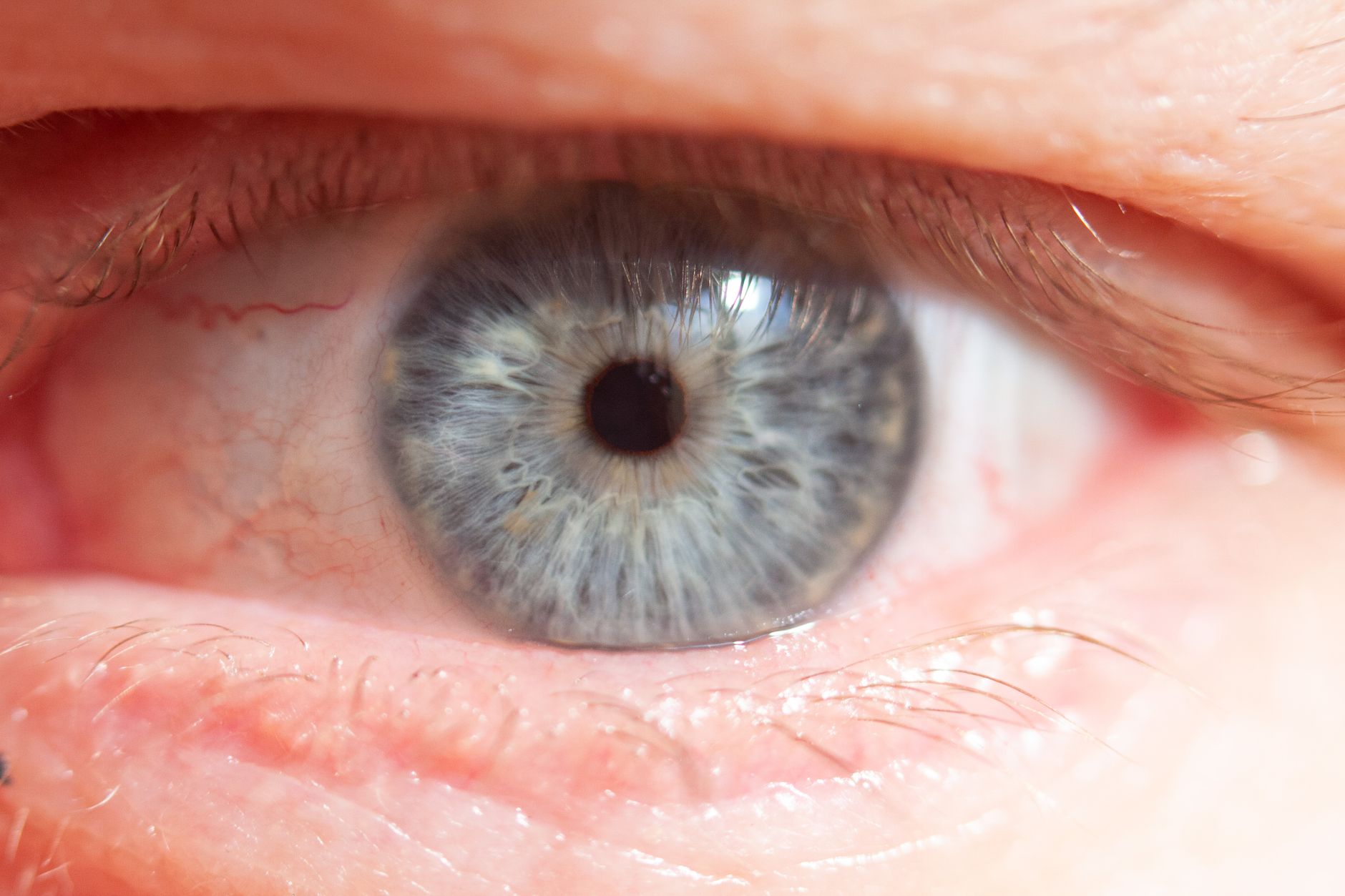
What Are Cataracts? (Quick Answer)
Cataracts occur when the eye's natural lens becomes cloudy, causing blurred vision, glare sensitivity, and difficulty seeing at night. According to the National Eye Institute, cataracts are the leading cause of vision loss in people over 40 and affect more than half of Americans by age 80. Cataract surgery is highly successful and restores clear vision for most patients.
Understanding How Cataracts Develop
A cataract is a clouding of the eye's crystalline lens. The lens, positioned behind the iris and pupil, focuses light onto the retina to create clear images. When proteins in the lens break down and clump together, they create cloudy areas that scatter light and blur vision.
How the lens changes with age:
- The lens is mostly water and proteins arranged precisely for clarity
- With age, proteins begin to break down and clump
- These clumps create cloudy patches in the lens
- Cloudiness gradually spreads and worsens
- The lens may also become yellowed or brownish
This process typically develops slowly over years, allowing gradual adaptation until vision loss becomes significant enough to affect daily life.
Cataract Prevalence Among Older Adults
According to the Centers for Disease Control and Prevention:
- Over 20 million Americans aged 40+ have cataracts in at least one eye
- By age 80, more than 50% of Americans have significant cataracts
- Cataracts affect women slightly more often than men
- Cataract surgery is one of the most common surgeries in the United States
- Over 3 million cataract surgeries are performed annually in the U.S.
These statistics underscore why regular eye exams matter for seniors. Early detection allows better planning and timely treatment.
Recognizing Early Signs of Cataracts
Cataracts often develop so gradually that initial changes may seem like normal aging. Understanding early signs helps distinguish cataract development from other vision changes.
Early warning signs:
- Mildly blurred vision: Like looking through a slightly dirty window
- Difficulty reading small print: Needing brighter light or larger text
- Increased sensitivity to bright lights: Sunlight or lamps seem glaring
- Halos around lights: Especially noticeable around headlights at night
- Colors appearing faded or yellowed: Subtle but progressive change
- Frequent glasses prescription changes: Your prescription keeps changing without lasting improvement
- Double vision in one eye: Sometimes occurs with certain cataract types
What cataracts feel like: Many people describe cataract vision as:
- Looking through a foggy or dusty window
- Seeing a cloudy film over objects
- Having a yellowish tint to everything
- Experiencing increased glare that makes driving difficult
Recognizing these signs early allows you to discuss options with your eye doctor before vision loss significantly impacts daily activities.
Understanding Cataract Stages and Progression
Cataracts progress through predictable stages, though the timeline varies among individuals.
Early Stage Cataracts
Characteristics:
- Minimal clouding affecting small lens area
- Vision still fairly clear
- May not interfere with daily activities
- Often discovered during routine eye exams
Management at this stage:
- Updated glasses prescription
- Better lighting for reading
- Anti-glare sunglasses
- Regular monitoring
Moderate Stage Cataracts
Characteristics:
- Noticeable vision blur
- Difficulty driving at night
- Colors more noticeably faded
- Reading requires brighter light
Impact on daily life:
- Night driving becomes challenging
- Recognizing faces may be difficult
- Hobbies requiring detail vision become harder
- Increased need for vision aids
Advanced Stage Cataracts
Characteristics:
- Significant vision loss
- Lens heavily clouded
- May appear white, yellow, or brown
- Severe impact on daily activities
Daily life challenges:
- Cannot read even with glasses
- Difficulty recognizing faces
- Driving no longer safe
- Increased fall risk due to poor vision
Mature Cataracts
Characteristics:
- Lens completely opaque
- Vision severely impaired or nearly absent
- May be visibly white or brown
- Surgery typically recommended and highly successful
Types of Cataracts in Older Adults
Several cataract types exist, with age-related being most common among seniors.
Age-Related Cataracts
The most prevalent type among older adults:
Nuclear cataracts:
- Form in center of lens
- Lens center becomes yellow or brown
- May temporarily improve close vision (second sight)
- Eventually worsens, affecting all vision
Cortical cataracts:
- Begin in lens cortex (outer edges)
- White, wedge-shaped opacities
- Scatter light, causing glare
- Often affects peripheral vision first
Posterior subcapsular cataracts:
- Develop at back of lens
- Affects reading vision early
- Causes significant glare problems
- May progress faster than other types
Secondary Cataracts
Develop as result of other health factors:
Causes:
- Diabetes mellitus
- Long-term steroid medication use
- Previous eye surgery or trauma
- Other eye conditions like glaucoma or uveitis
Characteristics:
- May develop earlier than age-related cataracts
- Can progress faster
- Require careful monitoring
Traumatic Cataracts
Develop after eye injury:
Causes:
- Blunt trauma to eye
- Penetrating eye injuries
- Chemical exposure
- Radiation exposure
Timeline:
- May develop immediately after injury
- Sometimes appear years later
- Progression varies widely
Risk Factors for Cataract Development
Understanding risk factors helps identify who may develop cataracts earlier or faster.
Primary risk factors:
- Age: Most significant factor; risk increases substantially after 60
- Family history: Genetics play a role in cataract development
- Diabetes: Increases risk and may accelerate progression
- Smoking: Doubles cataract risk according to research
- UV light exposure: Prolonged sun exposure without eye protection
- Obesity: Associated with increased cataract risk
Other contributing factors:
- Previous eye injury or surgery: Trauma increases later cataract risk
- Long-term steroid use: Oral or inhaled corticosteroids
- Excessive alcohol consumption: Heavy drinking increases risk
- High blood pressure: May contribute to earlier development
Preventing or Delaying Cataracts
While cataracts cannot be entirely prevented, certain measures may help delay development or slow progression.
Evidence-based prevention strategies:
- Protect eyes from UV light: Wear sunglasses that block 100% UVA and UVB rays
- Quit smoking: Smoking cessation reduces cataract risk
- Manage diabetes carefully: Control blood sugar to reduce eye damage
- Maintain healthy weight: Obesity increases cataract risk
- Eat a nutrient-rich diet: Focus on antioxidant-rich foods
- Leafy green vegetables
- Colorful fruits
- Foods rich in vitamins C and E
Dietary factors that may help:
- Lutein and zeaxanthin (found in leafy greens)
- Vitamin C (citrus fruits, berries, peppers)
- Vitamin E (nuts, seeds, vegetable oils)
- Omega-3 fatty acids (fish, walnuts)
Regular eye exams:
- Comprehensive exams every 1-2 years after age 60
- Earlier if you have diabetes or other risk factors
- Allows early detection and monitoring
Diagnosing Cataracts
Eye doctors use several methods to detect and evaluate cataracts.
Comprehensive Eye Examination
Visual acuity test:
- Measures sharpness of vision at various distances
- Determines how much vision is affected
- Standard eye chart test
Slit-lamp examination:
- Special microscope illuminates and magnifies eye structures
- Allows detailed view of lens, cornea, and other parts
- Identifies cataract location and extent
Dilated eye exam:
- Drops enlarge pupil for better retina and lens view
- Doctor examines back of eye thoroughly
- Helps rule out other conditions
Tonometry:
- Measures intraocular pressure
- Helps detect or rule out glaucoma
- Often part of comprehensive exam
Retinal exam:
- Checks health of retina and optic nerve
- Ensures other problems aren't affecting vision
- Important before considering surgery
Cataract Treatment Options
Treatment depends on how much cataracts affect your life. Early-stage cataracts may be managed with non-surgical approaches.
Non-Surgical Management for Early Cataracts
When cataracts are mild and don't significantly impact daily life:
Vision aids:
- Updated glasses prescription: Stronger prescription may temporarily help
- Anti-reflective lenses: Reduce glare and improve clarity
- Magnifying lenses: Help with reading small print
- Bifocal or progressive lenses: Address multiple vision needs
Environmental modifications:
- Brighter lighting: Increase lighting for reading and activities
- Task-specific lighting: Directed light for close work
- Reduce glare: Position lamps to minimize reflections
Lifestyle adjustments:
- Limit night driving: If glare is problematic
- Use larger print: Choose books or devices with larger text
- Take breaks: Rest eyes during extended visual tasks
Cataract Surgery - The Effective Treatment
When vision loss significantly affects daily activities, surgery becomes the recommended treatment.
Understanding cataract surgery:
Cataract surgery involves removing the cloudy natural lens and replacing it with a clear artificial lens called an intraocular lens (IOL).
Procedure details:
- Typically outpatient procedure
- Usually takes 15-30 minutes per eye
- Most people have one eye treated at a time
- Local anesthesia (eye remains awake but comfortable)
- Tiny incision heals quickly without stitches
Types of intraocular lenses (IOLs):
Monofocal IOLs:
- Provide clear vision at one distance (usually far)
- May still need glasses for reading or intermediate tasks
- Most commonly used and most affordable
Multifocal IOLs:
- Provide vision at multiple distances
- Reduce need for glasses after surgery
- More expensive; some adaptation required
- Not suitable for everyone
Toric IOLs:
- Correct astigmatism as well as cataract
- May reduce need for distance glasses
- Require precise positioning
Accommodating IOLs:
- Mimic natural lens focusing ability
- Newest technology
- Results vary among individuals
Success rates:
- Over 95% of surgeries significantly improve vision
- Complication rates are very low
- Most people achieve 20/20 or better vision after surgery
- Improvement typically occurs within days
Potential risks (rare):
- Infection
- Bleeding
- Retinal detachment
- Swelling of cornea or retina
- Dislocated IOL
- Most complications are treatable
Cataract Surgery Recovery
Understanding recovery helps prepare for successful outcomes.
Immediate Post-Surgery Period
Day of surgery:
- Rest at home after procedure
- Eye may feel slightly scratchy
- Vision often somewhat blurry initially
- Eye shield worn for protection
First few days:
- Vision typically improves noticeably
- Some blurriness may persist
- Eye may feel slightly irritated
- Colors often appear brighter immediately
Recovery Guidelines
Essential practices:
- Use prescribed eye drops: Antibiotic and anti-inflammatory drops
- Wear eye shield: Especially when sleeping, for first week
- Avoid rubbing eye: Never touch or rub the operated eye
- Skip heavy lifting: Avoid strenuous activities for several weeks
- No swimming: Avoid pools and hot tubs for 1-2 weeks
Activity timeline:
- Light activities: Usually fine within days
- Driving: When vision meets legal requirements (often within a week)
- Work: Many return within a week if job doesn't require heavy lifting
- Exercise: Gentle walking okay; avoid vigorous exercise for 2-4 weeks
Follow-up appointments:
- Usually scheduled for day after surgery
- Additional check-ups at one week and one month
- Monitor healing and check for complications
Expected Vision Improvement
Timeline for improvement:
- Many see improvement within 24-48 hours
- Full clarity may take 1-2 weeks
- Complete healing typically within 4-8 weeks
- Glasses prescription may be adjusted after healing
What to expect:
- Brighter, clearer vision
- Colors more vivid
- Improved night vision
- Reduced glare sensitivity
- Many no longer need glasses for distance
When to Consider Cataract Surgery
Timing depends on how cataracts affect your life, not just cataract severity.
Indications for surgery:
- Vision interferes with daily activities
- Cannot drive safely, especially at night
- Difficulty reading despite glasses
- Cannot recognize faces clearly
- Hobbies or work activities impaired
- Falls risk increased due to poor vision
Discussing timing with your doctor:
- Cataracts don't need to be "ripe" for surgery
- Modern surgery works well at various stages
- Decision based on quality of life, not just cataract stage
- Consider personal priorities and activities
FAQ
Are cataracts dangerous to my overall health?
Cataracts themselves aren't dangerous to health, but vision loss significantly increases fall risk and can lead to accidents. Poor vision may also contribute to isolation and depression in some seniors.
How long does cataract surgery take?
The procedure typically takes 15-30 minutes per eye. You'll spend additional time preparing and recovering, but the entire process usually fits within a morning or afternoon.
Is cataract surgery painful?
Most patients report minimal or no pain during surgery. Anesthetic drops numb the eye. Some mild discomfort afterward is normal and typically relieved by prescribed drops.
Will I still need glasses after cataract surgery?
Many people achieve excellent distance vision without glasses. Reading glasses are often still needed unless you choose multifocal IOLs. Your needs depend on the IOL type chosen and your eyes' characteristics.
Can cataracts come back after surgery?
Cataracts cannot return because the natural lens has been removed. However, some people develop "secondary cataract" (posterior capsule opacification) where the membrane behind the IOL becomes cloudy. This is easily treated with a quick laser procedure.
How do I know if I'm ready for cataract surgery?
Consider surgery when vision problems interfere with activities you value: driving, reading, hobbies, or recognizing loved ones. Discuss your specific concerns with your eye doctor.
What happens if I wait too long for surgery?
Cataracts won't cause permanent blindness if you delay, but mature cataracts make surgery slightly more complex and recovery may take longer. The main risk of waiting is quality of life impact from prolonged poor vision.
How successful is cataract surgery?
Over 95% of surgeries significantly improve vision. Cataract surgery is among the most successful surgeries performed, with low complication rates and excellent outcomes for most patients.
Can both eyes be done at the same time?
Typically, eyes are done separately, with 1-2 weeks between surgeries. This allows the first eye to heal and ensures good results before treating the second. Some surgeons may do both in certain circumstances.
What type of IOL should I choose?
Discuss options with your surgeon. Monofocal lenses work well for most people. Multifocal lenses reduce glasses needs but cost more and may have tradeoffs. Your lifestyle and priorities guide the choice.
Related Articles
Vision Overview
- Senior Vision Guide: Everything You Need to Know After Age 60
- Best Glasses for Cataracts
- Best Reading Glasses for Seniors
Vision Guides
Other Resources
References
-
National Eye Institute. (2024). "Cataracts." https://www.nei.nih.gov/learn-about-eye-health/eye-conditions-and-diseases/cataracts
-
American Academy of Ophthalmology. (2024). "Cataract Surgery." https://www.aao.org/eye-health/treatments/cataract-surgery
-
Centers for Disease Control and Prevention. (2024). "Vision Health." https://www.cdc.gov/visionhealth/basic_information/cataracts.htm
-
Mayo Clinic. (2024). "Cataracts." https://www.mayoclinic.org/diseases-conditions/cataracts
-
Prevent Blindness America. (2024). "Cataract Fact Sheet." https://www.preventblindness.org/cataract
-
American Society of Cataract and Refractive Surgery. (2024). "Patient Resources." https://www.ascrs.org/patient-resources
Cataract surgery decision-making should involve discussion with your ophthalmologist about your specific vision needs, overall eye health, and personal priorities. Modern cataract surgery offers excellent outcomes for most patients, restoring vision and improving quality of life.