Senior Vision Guide: Everything You Need to Know After Age 60
Sometime in your 40s, you may have noticed a restaurant menu drifting a little farther from your face each year. That's presbyopia—it starts gradually, then accelerates through your 60s as the lens inside your eye stiffens. By your 60s and beyond, other changes pile on: dry eyes that sting by evening, oncoming headlights that bloom into halos at night, and the occasional tiny floater drifting across your field of view. Most of this is normal aging. The line that matters is between a slow, expected shift and something sudden—like a curtain of floaters or flashes that could signal retinal detachment and needs emergency care.
According to the National Eye Institute, adults over 60 are at higher risk for age-related eye changes and conditions. Regular eye exams and early intervention are key to preserving vision.
Quick Answer
Vision changes after 60 are common and include decreased near vision (presbyopia), reduced contrast sensitivity, increased glare sensitivity, and changes in color perception. While these are normal aging effects, seniors are also at higher risk for eye conditions like cataracts, macular degeneration, and glaucoma. The good news is that most vision issues can be managed with proper eyewear, low vision aids, lifestyle adjustments, and timely medical care.
Which Vision Problem Sounds Most Like Yours?
Use this decision tree to identify your symptoms and find the right solution:
| Symptom | Possible Cause | Learn More |
|---|---|---|
| Holding books farther away | Presbyopia | Reading Glasses Guide |
| Difficulty reading small print | Presbyopia or Low Vision | Magnifying Glasses |
| Straight lines look wavy | Age-Related Macular Degeneration (AMD) | AMD Guide |
| Side vision shrinking | Glaucoma | Raise at your next eye exam |
| Blurred vision that fluctuates | Diabetic Retinopathy | Ask about a retinal screening |
| Eye strain from computer/tablet | Digital Eye Strain | Blue Light Glasses |
| Trouble seeing in dim light | Reduced Contrast Sensitivity | Try brighter task lighting |
What Changes Are Normal After 60?
Presbyopia
What it is: Age-related difficulty focusing on nearby objects
Why it happens:
- The eye's lens loses flexibility with age
- Muscles controlling the lens weaken
- Typically starts around age 40-45 and progresses until age 65
Common symptoms:
- Difficulty reading small print
- Holding books or screens at arm's length
- Eye strain or fatigue when reading
- Headaches after close work
Presbyopia is normal and worsens slowly; the distance at which you can read a menu at normal arm's length creeps outward year by year. If the change is sudden or happens in just one eye, that's not presbyopia and warrants a visit.
Solutions:
- Reading glasses
- Bifocal or progressive lenses
- Adjustable focus glasses
- Magnifying aids for close work
Reduced Contrast Sensitivity
What it is: Difficulty distinguishing between similar shades of color
Why it happens:
- Changes in the eye's lens and retina
- Reduced ability to detect differences in light intensity
- Affects ability to see objects against similar backgrounds
Common symptoms:
- Difficulty reading text with low contrast
- Trouble seeing in dimly lit environments
- Problems recognizing faces
- Increased fall risk due to inability to see steps or changes in terrain
Solutions:
- Increased lighting (see Task Lighting)
- High-contrast reading materials
- Anti-reflective lenses
- Regular eye exams to rule out other conditions
Increased Glare Sensitivity
What it is: Discomfort or difficulty seeing in bright light
Why it happens:
- Yellowing of the eye's lens
- Increased scattering of light within the eye
- Reduced ability to adapt to changing light conditions
Common symptoms:
- Squinting in bright sunlight
- Difficulty driving at night due to headlights
- Discomfort in well-lit rooms
- Halos around lights
Solutions:
- Sunglasses with UV protection
- Anti-glare lenses
- Yellow-tinted glasses for night driving
- Dimmable lights at home
Changes in Color Perception
What it is: Shift in how colors appear
Why it happens:
- Yellowing of the eye's lens
- Reduced number of cone cells in the retina
- Decreased ability to distinguish between blues and greens
Common symptoms:
- Colors appear faded or yellowed
- Difficulty matching colors
- Blue and green objects look similar
- Overall color perception shifts toward warmer tones
Solutions:
- Ensure good lighting when judging colors
- Use color-coding systems if needed
- Regular eye exams to rule out other conditions
What Is NOT Normal? Warning Signs
Some vision changes are not normal and require immediate attention:
Sudden Vision Loss
- Symptoms: Blurry or lost vision in one or both eyes, sudden flashes of light, floaters
- Possible causes: Retinal detachment, stroke, macular hole
- Action: Seek emergency care immediately
A burst of new floaters or a shower of flashing lights can mean the retina is pulling away from the back of the eye. That's a retinal detachment and a true emergency—the sooner it's treated, the more vision can be saved.
Severe Eye Pain
- Symptoms: Sharp or throbbing eye pain, redness, sensitivity to light, nausea
- Possible causes: Angle-closure glaucoma, eye infection, injury
- Action: Seek emergency care immediately
Double Vision
- Symptoms: Seeing two images instead of one
- Possible causes: Stroke, diabetes, thyroid disease, eye muscle issues
- Action: Schedule an appointment within 24-48 hours
Eye Redness or Swelling
- Symptoms: Red, inflamed eyes, discharge, pain
- Possible causes: Infection, inflammation, injury
- Action: See an eye doctor within a few days
Most Common Eye Diseases in Seniors
Cataracts
What it is: Clouding of the eye's natural lens
Prevalence:
- Affects over 50% of Americans by age 80
- Leading cause of vision loss in people over 40
Symptoms:
- Blurred or cloudy vision
- Increased glare sensitivity
- Difficulty seeing at night
- Colors appear faded
- Frequent changes in glasses prescription
Treatment:
- Early stages: Updated glasses, better lighting
- Advanced stages: Cataract surgery (highly successful)
Age-Related Macular Degeneration (AMD)
What it is: Progressive damage to the macula, the central part of the retina
Prevalence:
- Leading cause of severe vision loss in people over 60
- Affects approximately 11 million Americans
Types:
- Dry AMD: Most common (80-90% of cases), slow progression
- Wet AMD: Less common but more aggressive
Symptoms:
- Blurred or distorted central vision
- Difficulty reading or recognizing faces
- Dark spots in central vision
- Straight lines appear wavy
Treatment:
- Dry AMD: Supplements (AREDS formula), lifestyle changes
- Wet AMD: Anti-VEGF injections, laser therapy
Learn more about glasses for macular degeneration
Glaucoma
What it is: Group of eye conditions that damage the optic nerve
Prevalence:
- Affects over 3 million Americans
- Often called the "silent thief of sight" because early stages have no symptoms
Types:
- Open-angle glaucoma: Most common, slow progression
- Angle-closure glaucoma: Less common, sudden onset
Symptoms:
- Early stages: No symptoms
- Advanced stages: Peripheral vision loss, tunnel vision, eye pain
Treatment:
- Eye drops to reduce pressure
- Laser therapy
- Surgery in advanced cases
Diabetic Retinopathy
What it is: Damage to the retina's blood vessels caused by diabetes
Prevalence:
- Affects over 7 million Americans
- Leading cause of vision loss in working-age adults
Symptoms:
- Blurred vision
- Floaters or dark spots
- Fluctuating vision
- Difficulty seeing at night
Treatment:
- Strict blood sugar control
- Regular eye exams
- Laser therapy
- Anti-VEGF injections
Eye Disease Comparison
| Disease | Vision Loss Type | Pain | Treatable | Common Age |
|---|---|---|---|---|
| Cataracts | Blurry overall | No | Yes (surgery) | 60+ |
| Macular Degeneration | Central vision | No | Partial | 60+ |
| Glaucoma | Peripheral vision | Usually no | Controlled | 50+ |
| Diabetic Retinopathy | Variable | No | Yes | Any with diabetes |
What Vision Aid Do You Need?
Reading Glasses
Best for: Presbyopia, difficulty reading small print
Types:
- Single-vision reading glasses: For reading only
- Bifocal glasses: Distance vision on top, reading on bottom
- Progressive lenses: Seamless vision at all distances
How to choose:
- Get an accurate prescription from an eye exam
- Start with the lowest strength that provides clear vision
- Consider lightweight frames for all-day comfort
Learn more about choosing reading glasses
Progressive Lenses
Best for: Seniors who need vision correction at multiple distances
Benefits:
- No visible bifocal line
- Seamless transition between distance, intermediate, and reading vision
- Good for driving, computer use, and reading without switching glasses
Considerations:
- May take 1-2 weeks to adapt
- More expensive than single-vision or bifocals
- Requires proper frame fit
See our guide to progressive lenses
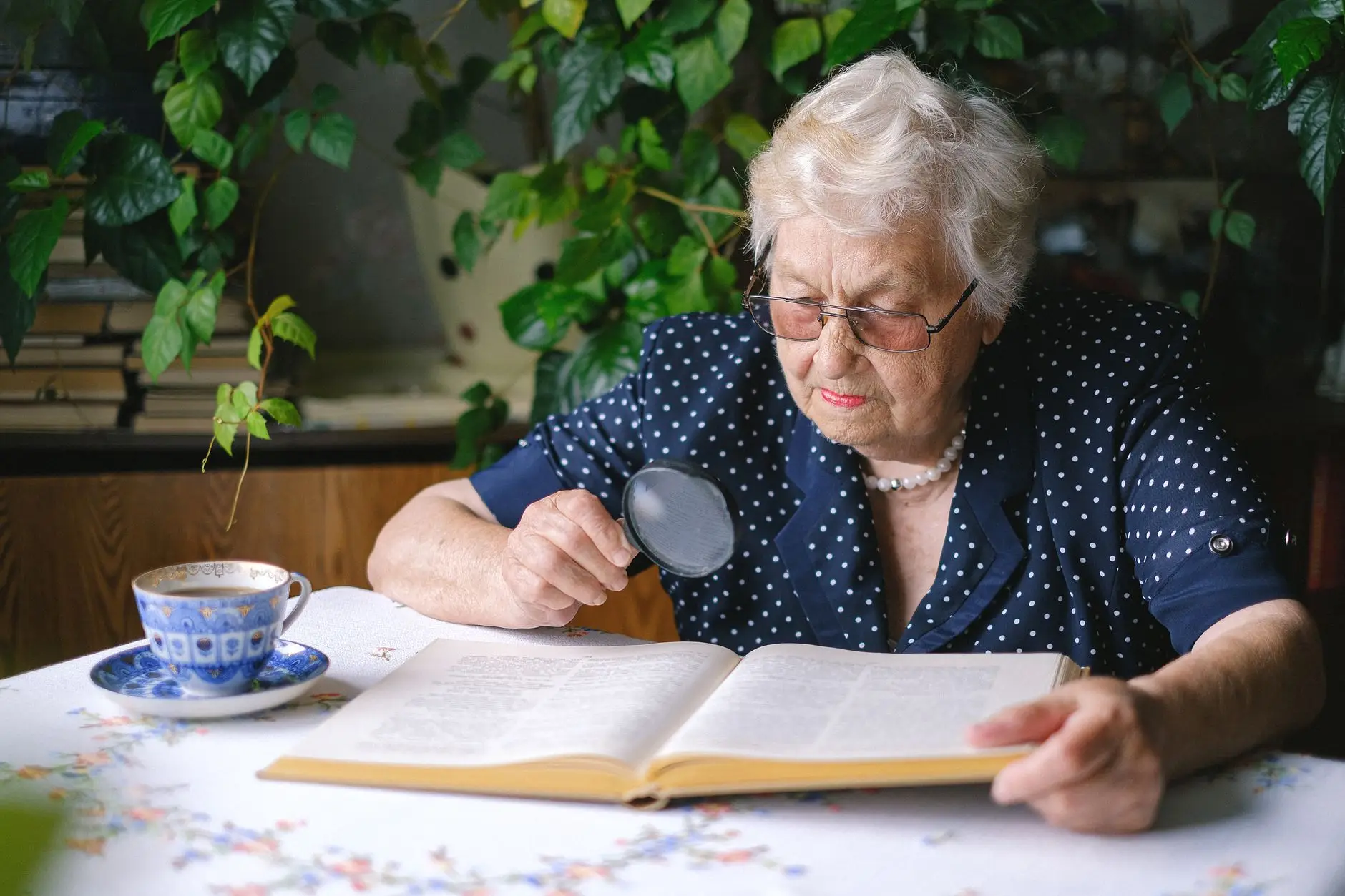
Magnifying Glasses
Best for: Low vision, macular degeneration, severe presbyopia
Types:
- Handheld magnifiers: Portable, good for quick tasks
- Stand magnifiers: Hands-free, ideal for extended reading
- Clip-on magnifiers: Attach to existing glasses
- Electronic magnifiers: Digital display with adjustable settings
Magnification guide:
- 2x-3x: General reading
- 4x-5x: Detailed work
- 6x+: Specialized tasks
Learn about the best magnifying glasses for seniors
Blue Light Glasses
Best for: Digital eye strain, computer/tablet use
Benefits:
- Reduce eye strain from screens
- May improve sleep quality
- Protect eyes from blue light exposure
Features to look for:
- Filter at least 30% of blue light
- Anti-reflective coating
- UV protection
See our review of the best blue light glasses
Task Lighting
Best for: Poor contrast sensitivity, difficulty seeing in dim light
Many seniors' biggest vision issue isn't their eyes - it's their lighting!
Types of lighting:
- Overhead lighting: General room illumination
- Task lighting: Direct light for reading, hobbies, cooking
- Nightlights: Motion-activated for safety
- Adjustable floor lamps: Flexible positioning for different tasks
Lighting tips:
- Use 60-100 watt equivalent LED bulbs
- Position lights to avoid glare
- Use warm white (2700K-3000K) for reading
- Combine overhead and task lighting
Large Print Books & Materials
Best for: Low vision, macular degeneration
Sources:
- National Library Service for the Blind and Print Disabled
- Large-print editions from major publishers
- Bookshare (digital accessible books)
- Local libraries often have large-print sections
Digital alternatives:
- Adjustable font sizes on e-readers (Kindle, Kobo)
- Screen magnification tools on tablets and computers
- Text-to-speech apps
Voice Assistants & Screen Readers
Best for: Severe vision loss, maintaining independence
Tools:
- Alexa/Echo: Voice-controlled home assistant
- Siri: iPhone voice assistant
- Google Assistant: Android voice assistant
- Screen readers: JAWS, NVDA (for computers)
- Magnifier apps: iPhone Magnifier, Android Magnification
Benefits:
- Hands-free operation
- Access information without reading
- Control smart home devices
- Maintain independence with daily tasks
How to Keep Your Eyes Healthy
Regular Eye Exams
Why they're important:
- Detect eye conditions early when they're most treatable
- Update glasses prescription as needed
- Monitor overall eye health
- Identify changes that may indicate systemic health issues
Recommended schedule:
- Every 1-2 years for adults over 60
- Annually if you have diabetes or other risk factors
- More frequently if you have eye conditions
Healthy Lifestyle Habits
Diet:
- Eat foods rich in antioxidants: Leafy greens, colorful fruits
- Include omega-3 fatty acids: Fish, walnuts, flaxseeds
- Maintain a balanced diet for overall health
Exercise:
- Regular physical activity improves circulation
- Walking, swimming, and yoga are excellent choices
- Exercise may reduce risk of certain eye conditions
UV Protection:
- Wear sunglasses that block 100% UVA and UVB rays
- Wear a wide-brimmed hat for additional protection
- Avoid prolonged sun exposure during peak hours
Quit Smoking:
- Smoking increases risk of macular degeneration and cataracts
- Quitting at any age reduces eye disease risk
- Seek support if you need help quitting
Proper Eyewear
Reading Glasses:
- Choose the right strength for your needs
- Consider lightweight, comfortable frames
- Look for anti-reflective lenses
Learn how to choose reading glasses
Progressive Lenses:
- Provide seamless vision at all distances
- Eliminate the visible line of bifocals
- Require a period of adjustment
Learn about progressive lenses vs bifocals
Blue Light Glasses:
- Reduce eye strain from digital screens
- May improve sleep quality
- Look for glasses that filter at least 30% of blue light
See our review of the best blue light glasses
Home Environment Modifications
Lighting:
- Increase overall lighting throughout the home
- Use task lighting for reading and hobbies
- Install motion-activated nightlights
- Avoid glare from overhead lights
Safety:
- Remove tripping hazards
- Install handrails on stairs
- Use high-contrast markings for steps
- Keep frequently used items within easy reach
Technology:
- Use large-print devices
- Adjust font sizes on computers and phones
- Consider screen readers or voice assistants
- Use magnifying apps for reading
When to See an Eye Doctor
Emergency Situations
Seek immediate care if you experience:
- Sudden vision loss in one or both eyes
- Flashes of light or floaters (especially if sudden or increased)
- Severe eye pain
- Double vision
- Redness or swelling of the eye
- Chemical burns or eye injury
These are not the slow changes of aging—they can be retinal detachment, angle-closure glaucoma, or injury, and they need a doctor right away.
Schedule an Appointment
Make an appointment if you notice:
- Gradual vision loss
- Difficulty reading despite glasses
- Increased glare sensitivity
- Changes in color perception
- Frequent headaches after close work
- Difficulty driving at night
- Blurred or distorted vision
- Halos around lights
Regular checkups:
- Adults over 60: Every 1-2 years
- Diabetes or glaucoma risk: Annually
- Existing eye conditions: As recommended by your doctor
FAQ
Is blurry vision normal after 60?
Some blurriness is normal due to presbyopia and reduced lens flexibility. However, sudden or severe blurriness may indicate cataracts, glaucoma, or other conditions and should be checked by an eye doctor.
When should seniors get an eye exam?
Seniors over 60 should have an eye exam every 1-2 years. Those with diabetes, glaucoma risk, or existing eye conditions should be checked annually.
Can reading glasses improve aging vision?
Yes, reading glasses can significantly improve near vision for seniors with presbyopia. The key is to get the correct strength through an eye exam.
Can cataracts be prevented?
While cataracts can't be completely prevented, you can reduce your risk by protecting your eyes from UV rays, maintaining a healthy diet, and quitting smoking.
What is the difference between cataracts and macular degeneration?
Cataracts cause overall blurry vision due to clouding of the lens, while macular degeneration affects central vision, causing difficulty reading and recognizing faces.
How often should seniors change glasses?
Glasses should be updated when your prescription changes, typically every 1-2 years. If you notice eye strain or difficulty seeing, it may be time for a new prescription.
Are blue light glasses worth it for seniors?
Blue light glasses can help reduce eye strain from digital screens, especially if you spend significant time on computers, tablets, or phones. They may also improve sleep quality.
What is the best magnification for reading?
For general reading, 2x-3x magnification is usually sufficient. Higher magnification (4x-5x) is better for detailed work like crafts or jewelry.
Can magnifying glasses damage your eyes?
No, magnifying glasses won't damage your eyes. However, using the wrong strength or poor-quality lenses can cause eye strain and headaches.
How can seniors improve night vision?
Improve night vision by using yellow-tinted glasses, ensuring proper home lighting, avoiding glare, and getting regular eye exams to check for cataracts.
Key Takeaways
- Normal vision changes after 60 include presbyopia, reduced contrast sensitivity, glare sensitivity, and color perception shifts
- Common eye conditions in seniors include cataracts, macular degeneration, glaucoma, and diabetic retinopathy
- Use the Vision Decision Tree to identify your symptoms and find the right solution
- Vision aids like reading glasses, magnifiers, lighting, and voice assistants can significantly improve quality of life
- Regular eye exams are essential for early detection and treatment
- Healthy lifestyle habits including diet, exercise, and UV protection help maintain good vision
- Know the warning signs of serious eye conditions and seek prompt medical care
Related Articles
Vision Equipment Reviews
- Best Reading Glasses for Seniors
- Best Progressive Lenses for Seniors
- Best Blue Light Glasses for Seniors
- Best Glasses for Cataracts
- Best Glasses for Macular Degeneration
- Best Magnifying Glasses for Seniors
Other Resources
References
- National Eye Institute - Vision and Aging
- American Academy of Ophthalmology - Senior Eye Health
- Mayo Clinic - Eye Health for Seniors
Disclaimer: This information is for educational purposes only. Consult with your eye care professional for personalized diagnosis and treatment recommendations.