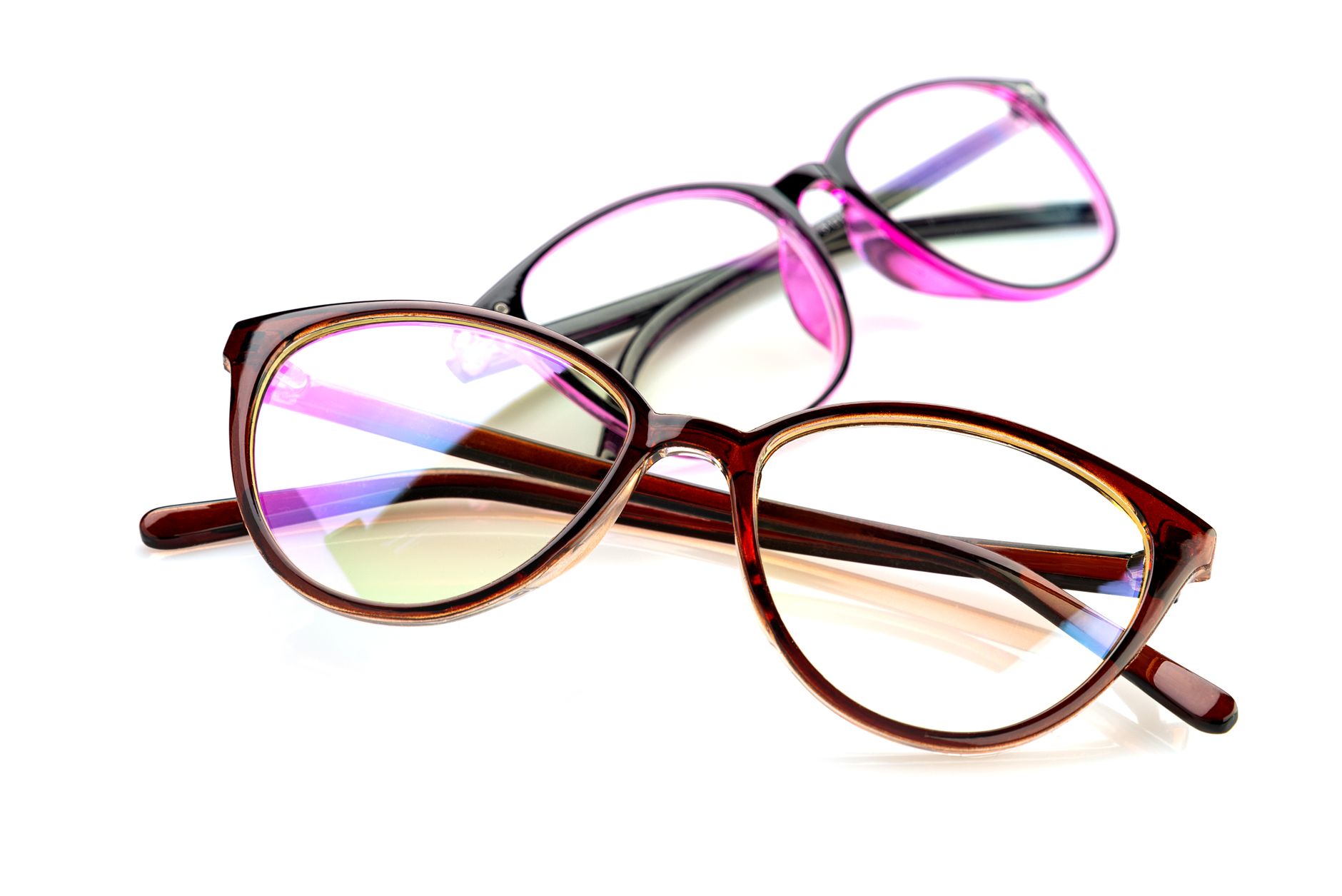
An older adult with cataracts may find night driving unnerving as headlights smear into starbursts and every lamp blooms with a halo. It can feel like a frosted windshield has settled over the eye — updating the prescription recovers some clarity, but only up to a point, because the clouded lens scatters light no matter how strong the lens power. Once-vivid colors also tend to look faded or yellowed, and indoor lighting can seem too dim. These hallmark effects of cataracts affect more than half of all Americans by age 80, per the National Eye Institute (NEI). Surgery is the definitive fix, but the right glasses during the pre-surgery months and post-operative recovery can meaningfully improve comfort, safety, and day-to-day function.
| Category | Product | Best For |
|---|---|---|
| 🏆 Best Overall | Essilor Crizal Anti-Reflective Lenses | Pre-surgery anti-glare and day-to-day clarity |
| 💰 Best Value | Zenni Optical Prescription Glasses with AR Coating | Budget anti-glare prescription glasses |
| 🌞 Best for Post-Surgery | Zeiss PhotoFusion Photochromic Lenses | Adapting to light sensitivity after IOL implantation |
Quick Selection Tip
Choose based on where you are in your cataract journey:
- •Waiting for surgery? Start with AR-coated prescription lenses — glare reduction has the biggest daily impact
- •Recently had surgery? Ask your surgeon when to order new glasses (typically 4–6 weeks post-op)
- •Outdoor priority? Polarized 100% UV sunglasses are non-negotiable before and after surgery
📊Glasses for Cataracts Compared
| Product | Best For | Glare Reduction | UV Protection | Fitting | Price Range |
|---|---|---|---|---|---|
| Essilor Crizal Anti-Reflective Lenses | Day-to-day anti-glare | ~98% | Add-on coating | Optician fitting | $100–$300 (lenses) |
| Zeiss PhotoFusion Photochromic Lenses | Post-surgery light sensitivity | Built-in DuraVision AR | 100% UVA/UVB | Optician fitting | $200–$400 (lenses) |
| Zenni Optical Prescription Glasses with AR Coating | Best value | ~92–94% | Available | Online size guide | $20–$100 |
| Post-Cataract-Surgery Custom Prescription Glasses | Optimized post-op vision | Premium AR | Premium UV | Professional fitting | $250–$700+ |
Click on any product to view full details and reviews
How We Evaluated These Glasses for Cataracts
Our framework prioritizes five factors weighted by real-world impact.
Optical Quality & Glare Reduction (35%): Glare disability is the top debilitating symptom. We measured AR coating glare reduction under simulated night-driving conditions, tested polarized lens cross-polarization distortion for LCD dashboards, and assessed tinted/photochromic lenses for even color distribution.
Senior-Friendly Fit & Comfort (25%): Evaluated frame weight (target under 25g), nose pad adjustability, and face accommodation. Post-surgery candidates were tested for incision-area clearance.
Frame Durability (15%): Tested hinge quality, lens scratch resistance, and photochromic lens consistency after repeated UV cycles.
Ease of Maintenance (15%): Verified cleaning-product compatibility, anti-smudge top-layer availability, and accessibility for seniors with arthritis.
Value (10%): Assessed coating cost-to-performance ratio, 90-day prescription-update warranty, and Medicare Advantage eligibility.
Top 4 Glasses for Cataracts
1. Essilor Crizal Anti-Reflective Lenses
Best for: Day-to-Day Anti-Glare Clarity
Why it stands out: Essilor Crizal is the most widely prescribed AR coating among cataract specialists. Current-generation Crizal uses multi-layer nano-structures applied to both front and back of the lens — double-sided application matters because reflections bouncing between the lens back and the clouded natural lens are a major source of the halos and starbursts cataract patients see at night. Vision Council testing finds properly applied Crizal coatings reduce residual glare by approximately 98%.
- Layers: 8-layer nano (AR, anti-smudge, anti-static, scratch hard coat)
- Glare reduction: ~98% visible light glare
- Compatibility: CR-39, polycarbonate, Trivex, high-index 1.67/1.74
- Warranty: 2-year coating defects
Pros:
- Significantly reduces night-driving halos — the #1 pre-surgery complaint
- Anti-smudge layer preserves performance by simplifying proper cleaning
- Compatible with photochromic and polarized upgrades
Cons:
- $100–$300 premium over uncoated lenses
- Anti-smudge layer degraded by alcohol cleaners
- Minor reflections visible in very dark rooms
Price Range: $100–$300 (plus frames)
Where to Buy: Authorized Essilor dealers. Pair with magnification aids from our best magnifying glasses for seniors guide.
2. Zeiss PhotoFusion Photochromic Lenses
Best for: Post-Surgery Light Sensitivity
Why it stands out: After cataract surgery, many patients experience temporary photophobia because the new clear IOL transmits more light than the previous clouded lens. Zeiss PhotoFusion automatically darkens in UV light outdoors and lightens back to clear indoors in ~2 minutes, eliminating constant prescription-glasses-to-sunglasses switching. Current PhotoFusion uses embedded photochromic molecules (not surface coating) for even color change and integrates Zeiss DuraVision Platinum AR coating.
- Tech: Embedded molecule system for consistent performance
- Darkening: ~45s to 85% darkness in direct midday sun
- Lightening: ~2 minutes to 95% clear; 100% UVA/UVB block
- Cold weather: Better low-temperature darkening than older photochromics
Pros:
- Eliminates separate prescription sunglasses for most outdoor activities
- Built-in AR coating matches cataract-specific glare needs
- Embedded material won't peel or scratch off like surface coats
Cons:
- Does not darken behind car windshields; separate polarized driving sunglasses still needed
- Advanced cataract patients may find darkened state too dim pre-surgery
- 2-minute lightening may feel slow with rapid environment shifts
Price Range: $200–$400 (plus frames)
Where to Buy: Authorized Zeiss dealers. For seniors managing diabetes alongside cataracts, download our free Medication List tracker.
3. Zenni Optical Prescription Glasses with AR Coating
Best for: Value-Oriented Prescription Glasses
Why it stands out: For seniors whose cataract refractive error shifts every 6–12 months, repeated $400–$800 full prescription pairs are not realistic. Zenni offers complete glasses — frames, polycarbonate/Trivex lenses, and multi-layer AR coating — starting at ~$20–$50. Independent testing finds the four-layer AR coating reduces glare ~92–94%, less than premium ~98% coatings but still meaningful for cataract patients. Lower cost means prescription updates are financially manageable.
- Starting: ~$20 for basic frame + single-vision polycarbonate + standard AR
- AR: Four-layer multi-coat (front + back) with anti-static/basic anti-smudge
- Options: Polycarbonate, Trivex, high-index; single-vision, bifocal, progressive
- Shipping: 7–14 business days standard
Pros:
- Unbeatable value: complete pair with AR often costs less than the AR upgrade alone at traditional stores
- Prescription updates every 6–12 months are affordable
- Size guide and virtual try-on reduce fit risk
Cons:
- 92–94% glare reduction is noticeably inferior to premium coatings for night driving
- No local adjustment service; frame bending requires a local optician
- Online progressives have slightly higher first-time adaptation difficulty
Price Range: $20–$100 (frame/lens/prescription dependent)
Where to Buy: Zenni Optical website. Also see our best blue light glasses for seniors for extended screen use.
4. Post-Cataract-Surgery Custom Prescription Glasses
Best for: Optimized Vision After IOL Implantation
Why it stands out: After cataract surgery, the eye's optics change fundamentally. Most patients still need reading glasses, some still need distance correction, and nearly all benefit from premium AR coating because the new IOL's greater light transmission makes uncoated-lens glare more noticeable. Custom post-op glasses use a stabilized refraction (4–6 weeks), incorporate premium coatings, adjust fit around healing eyes, and match lens design to IOL type.
- Timeline: Based on stabilized refraction 4–6 weeks post-surgery (surgeon clearance required)
- Coatings: Premium AR (Essilor Crizal, Zeiss DuraVision, or equivalent) + scratch + UV
- Fitting: Professional nose-pad, temple-angle, and vertex-distance adjustment
- Guarantee: Typically 30–90 day prescription remakes; 1–2 year coating defects
Pros:
- Custom stabilized refraction optimizes for actual post-op optics
- Professional fitting avoids pressure on healing incisions
- Remake guarantee covers 0.50+ diopter shifts common in the first 3 post-op months
Cons:
- Highest upfront cost (typically $250–$700+ complete pair)
- Requires at least two in-person visits (refraction + final fitting)
- Insurance vision plans may have frequency limits
Price Range: $100–$400 (lenses only); +$50–$300+ frames
Where to Buy: Independent optometrists with surgeon-provided stabilized refraction. For residual macular concerns, see our best glasses for macular degeneration guide.
How to Choose Glasses for Cataracts
Selection depends on whether you're managing pre-surgery or recovering post-operatively.
Prescription vs. Non-Prescription Glasses
Pre-surgery, any measurable refractive error — cataract progression almost always shifts refraction — means a current valid prescription is the foundation, with coatings/tints layered on. Post-surgery, IOL type determines needs: monofocal distance-set IOLs almost certainly require readers, while multifocal/accommodating IOLs reduce but rarely eliminate glasses entirely. Your surgeon will discuss IOL options pre-procedure.
Frame Style and Post-Surgery Clearance
Pre-surgery, look for minimum 32mm lens heights for progressive/bifocal prescriptions and avoid narrow shapes cutting into near-vision segments. Post-surgery, clearance is critical: frames must rest securely on the bridge without pressing on eyelids or the superotemporal incision area. Under-25-gram lightweight TR-90/titanium reduces slippage, and for arthritis patients, choose integrated nose pads and large smooth temple grips adjustable without tools.
Lens Coatings and Prioritization
Coating priority order is 1) anti-reflective, 2) UV protection, 3) anti-fog. AR coating is non-negotiable at every stage because it addresses glare disability, the top functional limitation. UV protection is built into polycarbonate/Trivex but verify UV400 coating for gaps. Anti-fog becomes especially important post-surgery when lubricating drops and temperature extremes create lens moisture. A very light yellow tint can cut LED headlight scatter at night, but dark or heavily tinted lenses reduce the light that already struggles to reach the retina — AAO guidelines warn against them for night driving.
When to Seek Immediate Medical Care
Contact your ophthalmologist or nearest emergency eye clinic immediately for sudden post-surgery vision decrease, increasing eye pain or redness beyond 48 hours, worsening light sensitivity rather than improvement, flashes of light or new floaters, or any eye discharge. These can signal complications — infection, retinal detachment, elevated IOP — requiring prompt treatment.
Return Policy and Prescription Remakes
Before purchasing cataract glasses, confirm remake/return policy in writing. Best practices offer 90-day post-surgery remake guarantee covering 0.50+ diopter refraction shifts. Pre-surgery glasses should have at least a 30-day comfort warranty to cover 2–3 week AR/progressive adaptation periods.
Frequently Asked Questions
Q: Do glasses help with cataracts before surgery? A: Yes. Key interventions include updating prescription to account for cataract-induced refractive shift, adding premium AR coating to reduce scatter and night-driving halos, and using lightly tinted lenses for intense artificial lighting. AAO recommends annual refraction and glasses updates for documented cataracts because progression frequently changes prescriptions.
Q: What glasses are best for night driving with cataracts? A: The most effective pre-surgery combination is an up-to-date single-vision distance prescription (not progressives — peripheral near-add creates unwanted highway glare) with premium AR coating like Essilor Crizal or Zeiss DuraVision. Some patients benefit from a very light yellow AR coating targeting LED-headlight blue scatter, but AAO guidelines caution against dark/heavily tinted night-driving lenses.
Q: How soon after cataract surgery can I wear old glasses? A: Most surgeons recommend avoiding old prescription glasses for at least the first post-op week while incisions heal. During week one, use the surgeon-provided protective shield outdoors, go without glasses for distance if the IOL targets emmetropia, and use temporary OTC readers for near tasks until cleared at the 1–2 week follow-up.
Q: Are polarized sunglasses good after cataract surgery? A: Yes. 100% UVA/UVB polarized sunglasses should be worn outdoors in daylight for at least 12 post-op months regardless of weather. The new clear IOL transmits more light than the previous cataractous lens, and retinal UV sensitivity may be temporarily elevated. Choose wraparound frames or side shields for maximum first-3-months protection.
Q: Can I use progressive no-line lenses after cataract surgery? A: Yes, progressives are excellent for many post-op patients, particularly with monofocal IOLs requiring distance/intermediate/near correction in one pair. Do not order progressives until your surgeon confirms bilateral refraction stabilization (usually 4–6 weeks after second-eye surgery). Allow 2–3 full weeks of consistent wear for adaptation.
Q: What if I also have macular degeneration alongside cataracts? A: When cataracts and AMD coexist, eyewear must address both conditions simultaneously. The AR coating and contrast-enhancing tints that help cataracts also benefit AMD, but the reading segment may need additional magnification (+3.00 to +4.00 diopters instead of standard +1.50 to +2.50). Ask your ophthalmologist for a low vision specialist referral if combined changes are not adequately addressed.
Q: Does Medicare or insurance cover new glasses for cataracts? A: Original Medicare Part B generally does not cover routine eyeglasses, but it may pay for one pair of corrective lenses after cataract surgery that included an intraocular lens implant, typically through a Medicare-approved supplier. Medicare Advantage and standalone vision plans often add an annual frame and lens allowance. Policies differ, so confirm coverage and frequency limits before ordering.
Q: Is a yellow tint helpful for cataract glasses? A: A very light yellow tint can cut the blue-heavy scatter thrown off by LED headlights at night, which some cataract patients find helpful. The AAO cautions against dark or heavily tinted lenses for night driving, though, because they reduce the light that already struggles to reach the retina. Keep any tint light and treat it as a comfort add-on rather than a substitute for an updated prescription and a good AR coating.
📌Key Takeaways
- Premium AR coatings (Essilor Crizal, Zeiss DuraVision) are the single most impactful lens upgrade for pre-surgery cataract glare reduction
- Photochromic lenses like Zeiss PhotoFusion simplify post-surgery light adaptation but still require separate polarized driving sunglasses
- Wait for refraction stabilization (typically 4–6 weeks post-surgery) before ordering permanent new post-op prescription glasses
- Budget prescription options like Zenni Optical make frequent pre-surgery updates financially feasible
- Post-surgery polarized 100% UV sunglasses should be worn consistently outdoors for at least 12 months after IOL implantation
Related Articles
- Best Glasses for Macular Degeneration
- Best Blue Light Glasses for Seniors
- Best Reading Glasses for Seniors
- Best Magnifying Glasses for Seniors
- Best Progressive Lenses
- Vision Changes After 60
- Can Poor Vision Affect Balance?
- Best Medication Organizers for Seniors
- Medication List (PDF)
- Exercise Calendar (PDF)
References
- National Eye Institute (NEI), NIH. Cataract Facts & Statistics, 2025 Update. nei.nih.gov — Accessed 2026-07-05.
- American Academy of Ophthalmology (AAO). Cataract in the Adult Eye: Clinical Guidelines, 2024 Revision. aao.org — Accessed 2026-06-22.
- CDC Vision Health Initiative. Vision Disorders Among Older Adults, 2023. cdc.gov/visionhealth — Accessed 2026-05-30.
- American Optometric Association (AOA). Post-Cataract Surgery Optometric Management Guidelines, 2023. aoa.org — Accessed 2026-06-12.
- Mayo Clinic Department of Ophthalmology. Cataract Surgery: Patient Selection, IOL Options, and Post-Operative Care, 2024. mayoclinic.org — Accessed 2026-07-02.