Healthy Aging After 60: Your Complete Guide
Many adults over 60 notice changes in energy, mobility, or sleep. Fortunately, several evidence-based habits may help support healthy aging. Entering your 60s is a wonderful opportunity to focus on health and well-being. With the right habits, you can maintain vitality, independence, and joy well into your later years.
Research from the National Institute on Aging shows that lifestyle choices made in your 60s can significantly impact your health trajectory. This guide provides practical strategies for thriving in this exciting chapter of life.
Physical Health After 60
1. Stay Active and Mobile
Physical activity is one of the most powerful tools for healthy aging. According to the Centers for Disease Control and Prevention, regular exercise can help prevent or delay many health problems that come with age.
- Aim for 150 minutes of moderate exercise weekly: This could include brisk walking, swimming, or cycling. Break this into manageable 10-15 minute sessions if needed
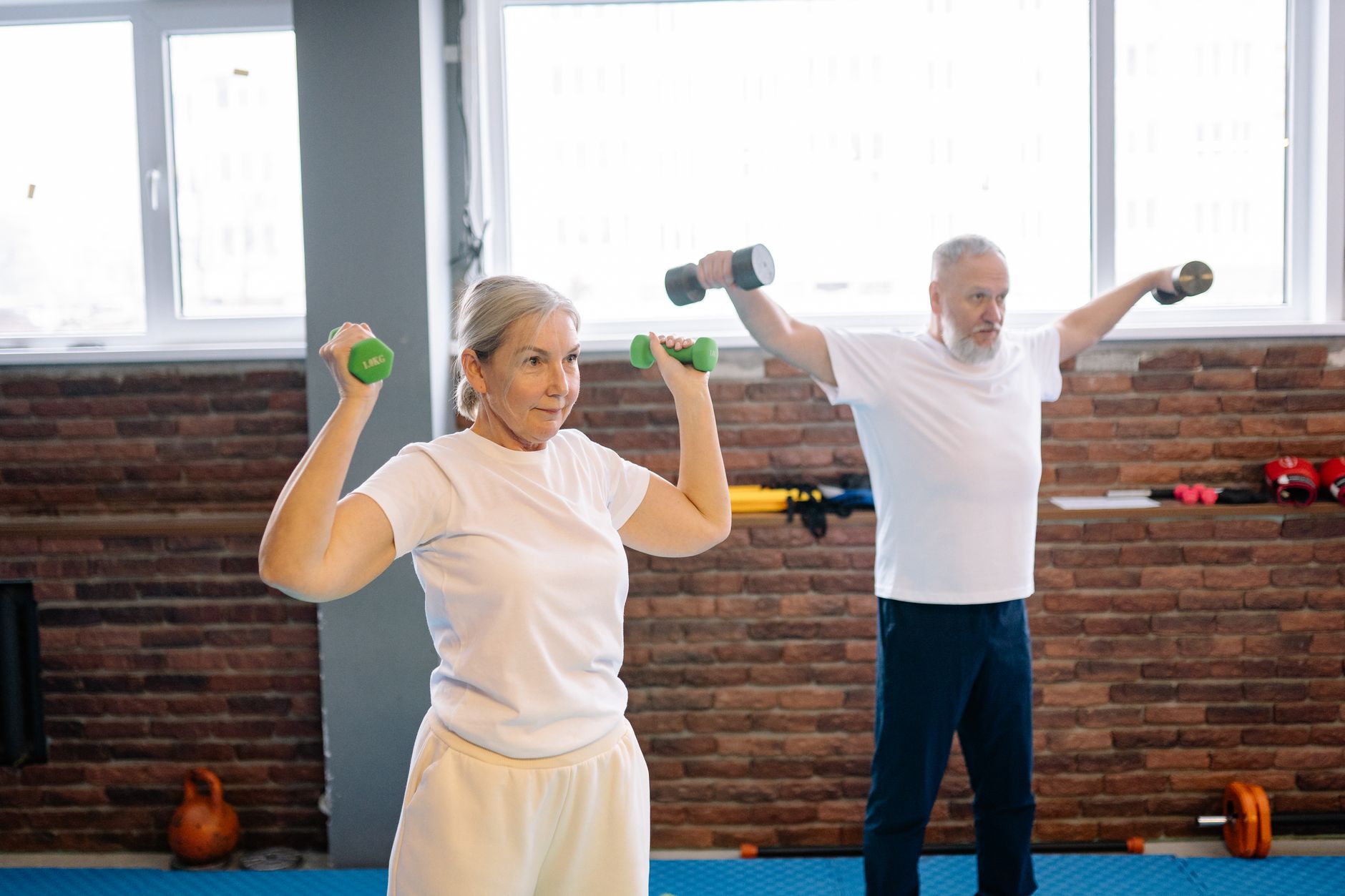
- Include strength training 2-3 times per week: Resistance exercises help maintain muscle mass, which naturally declines with age. Use resistance bands, light weights, or body weight exercises
- Focus on balance exercises to prevent falls: Tai chi, standing on one foot, or simple balance exercises can significantly reduce fall risk. Falls are a leading cause of injury in older adults
- Choose activities you enjoy: You're more likely to stick with exercise if it's enjoyable. Dancing, gardening, golf, or group fitness classes all count
For specific guidance, see Strength Training for Seniors and learn more about Exercise for Seniors Over 70.
2. Prioritize Nutrition for Aging Bodies
Your nutritional needs change as you age. Making thoughtful food choices can support energy, immunity, and overall health.
- Eat a Mediterranean-style diet: Rich in fruits, vegetables, whole grains, fish, and healthy fats, this diet pattern is associated with longevity and reduced chronic disease risk
- Include plenty of fruits and vegetables: Aim for variety and color. These provide essential vitamins, minerals, and antioxidants that support cellular health
- Choose whole grains over refined carbs: Whole grain bread, brown rice, quinoa, and oatmeal provide more nutrients and fiber than refined alternatives
- Stay hydrated: As we age, we may not feel thirsty even when we need water. Aim for 8 cups daily, and increase intake during hot weather or physical activity
- Get enough protein: Protein needs actually increase with age to maintain muscle mass. Include lean meats, fish, eggs, beans, and nuts in your diet
- Limit processed foods and added sugars: These contribute to inflammation and chronic disease. Focus on whole, minimally processed foods
Learn more about Healthy Diet for Seniors for detailed nutritional guidance.
3. Preventive Healthcare and Screenings
Prevention is key to maintaining health and catching problems early.
- Regular check-ups with your doctor: Annual wellness visits allow your doctor to monitor your overall health and discuss any concerns
- Screenings for chronic conditions: Blood pressure, cholesterol, blood sugar, and bone density screenings help identify issues early when they're most treatable
- Vaccinations: Flu, pneumonia, and shingles vaccines are especially important for older adults. Ask your doctor about other recommended vaccinations
- Cancer screenings: Discuss appropriate screening schedules for breast, colorectal, prostate, and other cancers with your healthcare provider
- Dental and eye exams: Oral health affects overall health, and vision changes can impact safety and quality of life
- Medication review: Have your doctor review all medications annually, including over-the-counter drugs and supplements. See Drug Interactions in Seniors
Mental Well-being After 60
1. Keep Your Brain Active and Engaged
Cognitive health is just as important as physical health. Research suggests that mental stimulation may help maintain brain function.
- Learn new skills or hobbies: Taking up a new hobby stimulates brain plasticity. Consider learning an instrument, painting, or a new craft
- Read regularly: Reading engages multiple brain regions and can improve memory and cognitive function
- Play brain games: Puzzles, crosswords, sudoku, and memory games provide mental exercise
- Learn a new language: Language learning is particularly beneficial for brain health, engaging multiple cognitive processes
- Take classes: Many community centers and colleges offer courses specifically for older adults. Learning in a social setting adds benefits
2. Manage Stress Effectively
Chronic stress contributes to numerous health problems. Managing stress becomes increasingly important after 60.
- Practice relaxation techniques: Deep breathing, meditation, or guided imagery can reduce stress hormones and promote calm
- Mindfulness meditation: Even 10-15 minutes daily can improve emotional regulation and reduce anxiety. Many apps and classes are available
- Spend time in nature: Walking in parks, gardening, or simply sitting outdoors can reduce stress and improve mood
- Pursue calming activities: Listening to music, gentle yoga, or creative pursuits can help manage daily stress
- Maintain a routine: Predictable routines reduce uncertainty and anxiety
For more support, see Mental Health Support for Seniors.
3. Maintain Social Connections
Social isolation is a significant risk factor for health problems in older adults. Research shows that strong social connections may protect against cognitive decline.
- Stay connected with family and friends: Regular phone calls, video chats, or visits maintain important relationships
- Join clubs or organizations: Book clubs, hobby groups, religious organizations, or volunteer groups provide social interaction
- Volunteer in your community: Volunteering provides purpose and social connection while contributing to your community
- Attend social events: Senior centers, community events, and cultural activities offer opportunities for connection
- Build new friendships: Retirement and life changes can mean losing some connections. Be open to forming new relationships
Emotional Health After 60
1. Cultivate Positivity and Resilience
A positive outlook contributes to better health outcomes and greater life satisfaction.
- Practice gratitude daily: Writing down or reflecting on things you're grateful for improves mood and satisfaction
- Focus on what you can do: Rather than dwelling on limitations, celebrate abilities and accomplishments
- Embrace new opportunities: Each decade brings new possibilities. Be open to trying new things
- Celebrate achievements: Acknowledge your accomplishments, both past and present. Life experience brings valuable perspective
2. Find Purpose and Meaning
Having purpose contributes to longevity and life satisfaction.
- Volunteer your time: Sharing your skills and experience with others provides meaning and connection
- Pursue lifelong passions: Retirement offers time for activities you've always wanted to explore
- Mentor others: Sharing wisdom and experience with younger generations can be deeply fulfilling
- Set new goals: Whether learning something new, traveling, or personal development, goals provide direction and motivation
Learn more about How to Age Gracefully.
3. Seek Support When Needed
Mental health challenges are common but treatable. Seeking help is a sign of strength.
- Talk to friends or family: Sharing concerns with trusted people can provide relief and perspective
- Consider counseling: Therapists can help with transitions, loss, anxiety, or depression. Many specialize in older adult issues
- Join support groups: Connecting with others facing similar challenges provides understanding and practical advice
- Stay connected with your community: Isolation worsens mental health challenges. Maintain involvement in activities and relationships
Lifestyle Habits for Healthy Aging
1. Quality Sleep
Sleep patterns often change with age, but quality sleep remains essential for health.
- Aim for 7-8 hours nightly: While sleep needs vary, most adults need 7-8 hours for optimal health
- Establish a bedtime routine: Consistent routines signal your body that it's time to sleep
- Create a sleep-friendly environment: Cool, dark, quiet rooms promote better sleep
- Limit caffeine and screens before bed: Both can interfere with sleep quality
- Address sleep problems: Talk to your doctor if you consistently have trouble sleeping. Sleep disorders are treatable
For more help, see Better Sleep for Seniors.
2. Avoid Harmful Habits
Certain habits become more harmful as we age.
- Quit smoking: Smoking accelerates aging and increases disease risk. Support and treatments are available
- Limit alcohol consumption: Alcohol affects older adults differently. Discuss safe limits with your doctor
- Avoid excessive sun exposure: Protect skin from sun damage with clothing, sunscreen, and shade
- Practice safe driving habits: Vision and reflex changes may require adjustments to driving habits. Stay safe by knowing your limits
3. Lifelong Learning and Curiosity
Keeping an active mind contributes to cognitive health and life satisfaction.
- Take classes: Many opportunities exist for older adults to learn new subjects or skills
- Attend workshops and lectures: Community centers, libraries, and museums often offer educational programs
- Read books and articles: Maintain curiosity about the world through reading
- Stay engaged with current events: Understanding the world around you maintains mental engagement
- Explore new technologies: Learning new technologies keeps your mind active and connects you with others
Common Health Concerns After 60
Managing Chronic Conditions
Many adults over 60 live with chronic conditions that require ongoing management.
- Diabetes: Monitor blood sugar regularly, follow dietary recommendations, and stay active. Regular check-ups help prevent complications
- Hypertension: Follow your doctor's recommendations for medication, diet, and lifestyle. Regular monitoring helps track progress
- Arthritis: Stay active within your limits, manage pain appropriately, and consider physical therapy. Movement helps maintain joint function
- Osteoporosis: Get enough calcium and vitamin D, stay active, and discuss medication options with your doctor. Fall prevention becomes especially important
Fall Prevention
Falls can significantly impact health and independence.
- Remove hazards at home: Clear clutter, secure rugs, improve lighting, and remove tripping hazards
- Wear supportive shoes: Proper footwear improves stability and reduces fall risk
- Exercise for balance: Specific exercises strengthen balance and coordination
- Consider home modifications: Grab bars, railings, and other modifications increase safety
- Review medications: Some medications can affect balance. Discuss with your doctor
See Home Safety Checklist for Elderly for comprehensive guidance.
It's Never Too Late
No matter where you are in your health journey, positive changes can make a difference. Start small and be consistent. Even modest improvements in diet, activity, and sleep can contribute to better health and quality of life.
Frequently Asked Questions
How much exercise do I really need after 60?
The CDC recommends 150 minutes of moderate-intensity exercise weekly, plus strength training twice weekly. This can be broken into smaller sessions. Any movement is beneficial—even 10-minute walks count.
Is weight gain inevitable after 60?
Weight gain isn inevitable, but metabolism does slow. Focusing on nutrient-dense foods, portion control, and regular physical activity can help maintain a healthy weight.
How can I maintain muscle mass after 60?
Strength training is essential. Include resistance exercises 2-3 times weekly. Eat adequate protein. Stay active daily. Even light resistance training helps preserve muscle.
Should I be concerned about memory changes?
Some memory changes are normal with age. However, significant memory loss, confusion, or changes that affect daily life should be discussed with a doctor. These may indicate a condition that needs attention.
How important are vaccinations after 60?
Vaccinations become increasingly important. Flu, pneumonia, shingles, and other vaccines protect against serious illnesses that can be more severe in older adults. Discuss appropriate vaccinations with your doctor.
Can I still learn new things at 60 and beyond?
Absolutely. The brain retains the ability to learn throughout life. Learning new skills may actually help maintain cognitive function. Try new hobbies, take classes, or learn new technologies.
How do I find social activities for older adults?
Check local senior centers, community centers, libraries, and religious organizations. Many offer programs specifically for older adults. Volunteering also provides social connection.
What screenings do I need after 60?
Discuss with your doctor, but typically: annual wellness exam, blood pressure monitoring, cholesterol screening, colorectal cancer screening, bone density test, vision and dental exams, and appropriate cancer screenings based on your risk factors.
Related Articles
- Longevity Habits for Seniors
- How to Age Gracefully
- Strength Training for Seniors
- Healthy Diet for Seniors
- What Happens After Age 70
- Healthy Aging Checklist
References
- National Institute on Aging. (2024). Healthy Aging. Retrieved from https://www.nia.nih.gov/
- Centers for Disease Control and Prevention. (2024). Healthy Aging. Retrieved from https://www.cdc.gov/
- Mayo Clinic. (2024). Aging: What to Expect. Retrieved from https://www.mayoclinic.org/
- Harvard Health Publishing. (2023). Healthy Aging. Retrieved from https://www.health.harvard.edu/
- World Health Organization. (2023). Ageing and Health. Retrieved from https://www.who.int/
Disclaimer: This article is for educational purposes only and should not be considered medical advice. Consult with healthcare professionals for guidance specific to your situation.