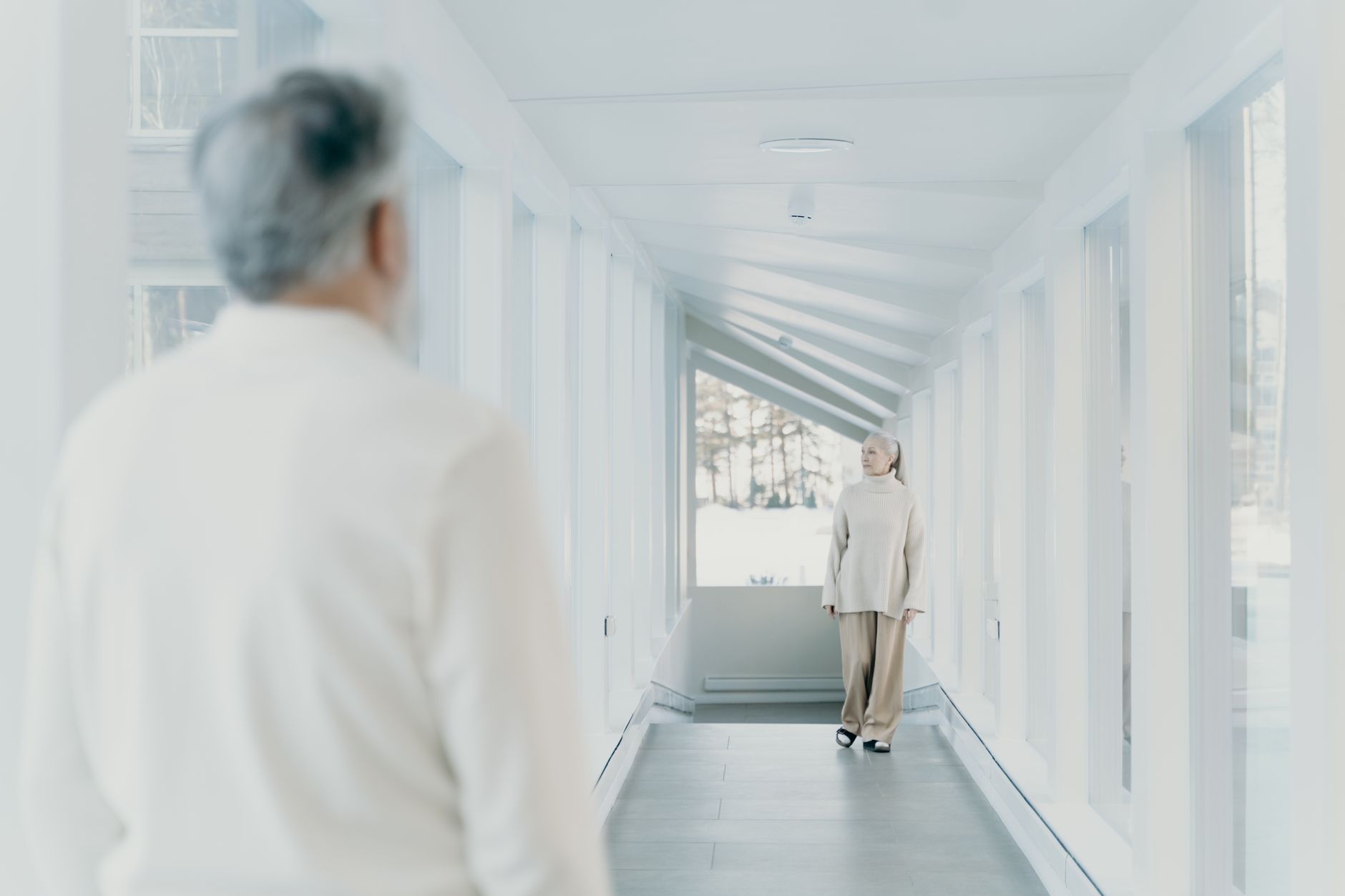
For one older adult, the biggest priority may be staying strong enough to climb the stairs. For another, it may be getting better sleep, eating regular meals, reconnecting with friends, or getting a loose rug taped down.
A checklist only earns its keep if it matches where you are starting from. A 65-year-old who still hikes and an 80-year-old rebuilding strength after a hospital stay should not walk away with the same homework, and this checklist is not a test you can fail.
The goal is to support the things that make everyday life easier, safer, and more enjoyable. Use the checklist below as a quick personal review. Mark what is going well, notice what has become harder, and choose one or two practical changes to work on next.
A Quick Healthy Aging Check-In
Before going through the detailed checklist, ask yourself:
- Can I move around as comfortably and safely as I used to?
- Am I maintaining enough strength and balance for everyday activities?
- Are my meals giving me the nutrition and energy I need?
- Am I sleeping reasonably well?
- Do I regularly talk with or spend time with other people?
- Am I keeping up with healthcare appointments and medications?
- Does my home support safe and independent living?
- Do I still have activities that give my days structure, interest, or meaning?
If most of your answers are yes, that is encouraging.
If one or two answers are no, those areas may be good places to start.
If several answers have changed recently, consider discussing the changes with your healthcare provider.
1. Movement and Physical Activity
Movement is what makes the rest of the checklist possible: the walk to the mailbox, a loaded laundry basket, a flight of stairs.
You do not have to follow a complicated exercise program. Walking, household activities, gardening, dancing, swimming, cycling, and other forms of movement can all contribute to an active lifestyle.
Your checklist
- I move my body regularly throughout the week.
- I spend less time sitting for long uninterrupted periods when possible.
- I have an activity I enjoy and can do consistently.
- I have adjusted my activities to my current fitness and mobility level.
- I notice when movement has become more difficult than it used to be.
A practical next step
If exercise has fallen out of your routine, start with something manageable.
A short walk after lunch, a few minutes of gentle movement around the house, or another activity you already enjoy may be easier to maintain than starting an ambitious workout plan.
If pain, dizziness, shortness of breath, or another symptom regularly limits activity, talk with a healthcare professional about an appropriate approach.
Learn more in our guide to Exercise for Seniors Over 70.
2. Strength, Balance, and Independence
Strength here is not a gym number.
For older adults, it can affect everyday tasks such as getting out of a chair, carrying groceries, climbing stairs, getting up from the floor, or moving safely around the home.
Balance deserves similar attention because feeling unsteady can make people avoid activities they once enjoyed.
Your checklist
- I can get up from a chair without unusual difficulty.
- I can carry everyday objects safely.
- I include some form of strength exercise appropriate for my abilities.
- I work on balance when it is safe and appropriate for me.
- I pay attention to changes in walking or steadiness.
- I feel reasonably confident moving around my home.
A practical next step
You do not need to lift heavy weights to work on strength.
Depending on your abilities, exercises using your body weight, resistance bands, light weights, or supervised strength training may be useful.
If you have significant balance problems, a history of falls, or a medical condition that affects movement, ask a healthcare professional or physical therapist about exercises that are appropriate for you.
See our guide to Strength Training for Seniors.
3. Food, Nutrition, and Hydration
Healthy eating becomes less about following a perfect diet and more about getting enough nutritious food consistently.
Appetite, taste, dental problems, medications, mobility, finances, and living alone can all affect what and how much an older adult eats.
Your checklist
- Most of my meals include nutrient-dense foods.
- I regularly eat vegetables and fruit.
- I include a useful source of protein in my meals.
- I choose whole or minimally processed foods when practical.
- I drink enough fluid for my individual needs.
- I pay attention to changes in appetite or unintentional weight loss.
- I have a realistic plan for getting nutritious meals when cooking is difficult.
A practical next step
Instead of trying to completely change your diet, improve one meal.
For example, add vegetables to dinner, include beans or lentils in a meal, add a protein-rich food to breakfast, or replace a highly processed snack with a more nutritious option.
If you have kidney disease, heart failure, diabetes, swallowing problems, or another condition that affects your diet or fluid intake, your nutritional needs may be different. Follow advice from your healthcare team.
For more guidance, see our Healthy Diet for Seniors.
4. Sleep and Recovery
Sleep can change with age, but regularly poor sleep should not simply be dismissed as "part of getting older."
The question worth answering is how your sleep shows up during the day.
Your checklist
- I usually get enough sleep to function well during the day.
- I keep a reasonably consistent sleep and wake schedule.
- My bedroom is comfortable and suitable for sleep.
- I have a routine that helps me wind down before bed.
- I pay attention to persistent problems with falling asleep or staying asleep.
- I discuss ongoing sleep problems with a healthcare professional when needed.
A practical next step
Look at your routine rather than focusing only on the number of hours you sleep.
A consistent bedtime, a comfortable sleep environment, daytime activity, and reducing stimulating activities close to bedtime can make the routine easier to maintain.
If loud snoring, breathing interruptions, persistent insomnia, excessive daytime sleepiness, or another problem is affecting your life, bring it up with your healthcare provider.
5. Preventive Care and Medication Management
Some of the highest-value care is the kind nobody sees.
Preventive visits, recommended screenings, vaccinations, dental care, vision and hearing care, and medication reviews can help you identify problems that might otherwise be overlooked.
Your checklist
- I keep up with healthcare appointments that are recommended for me.
- I know which medications I take and why I take them.
- I review my medications when there are changes in my health or prescriptions.
- I keep an up-to-date medication list.
- I stay current with vaccinations recommended for me.
- I keep up with dental, vision, and hearing care as appropriate.
- I know which health screenings my healthcare provider recommends.
A practical next step
Bring a current list of your medications, supplements, and over-the-counter products to healthcare appointments.
If several clinicians are involved in your care, keeping one updated list can also make it easier to spot questions about duplicate medications or potential interactions.
Do not stop or change a prescribed medication without discussing it with your healthcare professional.
6. Brain Health, Learning, and Mental Engagement
Keeping your mind engaged does not require expensive brain-training programs.
Reading, learning a skill, playing music, doing puzzles, cooking, writing, discussing ideas, and learning about subjects that genuinely interest you can all provide mental stimulation.
Your checklist
- I regularly do something that makes me think or learn.
- I have at least one hobby or activity that keeps me interested.
- I continue learning things simply because I enjoy them.
- I have opportunities to talk about ideas with other people.
- I notice and discuss significant changes in my memory or thinking.
- I have activities that give my day structure.
A practical next step
Choose something you would actually look forward to doing.
You might learn a few new recipes, take up photography, read a book about a subject you have always been curious about, learn to use a new piece of technology, or return to a hobby you stopped years ago.
The best activity is often the one you will continue doing.
7. Social Connection, Purpose, and Emotional Well-Being
Health is not only about what happens inside the body.
Relationships, meaningful activities, and a sense of purpose can make a major difference in how people experience later life.
Social connection does not have to mean having a large circle of friends.
For some people, one close friend, a weekly family call, a neighbor, a community group, or a regular volunteer activity may provide meaningful connection.
Your checklist
- I regularly talk with someone I enjoy spending time with.
- I have at least one social activity during a typical week.
- I have someone I can contact when I need support.
- I spend time doing things that feel meaningful to me.
- I have activities that give my week some structure.
- I make time for enjoyment, not only responsibilities.
- I pay attention to persistent feelings of loneliness, sadness, or loss of interest.
A practical next step
Make the activity specific.
Instead of saying "I should socialize more," try:
- Call a friend every Wednesday.
- Have lunch with a family member once a week.
- Join a walking group.
- Volunteer for a local organization.
- Attend a hobby or community group.
- Invite someone over for coffee.
Small recurring commitments are often easier to maintain than vague intentions.
If sadness, anxiety, loneliness, or loss of interest persists or interferes with daily life, consider speaking with a healthcare professional.
8. Home Safety and Everyday Independence
Even a good routine cannot survive a home that works against it.
Walk through each room the way you actually move through it—first thing in the morning, with your arms full, in dim light—and look for what could go wrong.
Your checklist
- Walkways are reasonably clear of clutter.
- Frequently used items are easy to reach.
- Lighting is adequate, especially around stairs and entrances.
- Bathroom surfaces and equipment support safe movement.
- Stairs have appropriate handrails or other safety measures.
- I have a plan for getting help if I fall or become unable to reach someone.
- I review parts of the home that have become harder to use.
A practical next step
Walk through your home slowly and look for situations that require unnecessary reaching, climbing, rushing, or balancing.
A small change can sometimes make a bigger difference than buying a large amount of equipment.
For more ideas, see our Home Safety Checklist for Older Adults.
Your Healthy Aging Check-In Results
You do not need to achieve a perfect score.
Instead, look for patterns.
| Area | Going Well | Worth Reviewing |
|---|---|---|
| Movement | I move regularly and enjoy some physical activity. | I spend most of the day sitting or movement has become difficult. |
| Strength & Balance | Everyday tasks feel reasonably manageable. | Chairs, stairs, carrying objects, or walking feel harder than before. |
| Nutrition | I usually eat regular, nutritious meals. | Meals are frequently skipped or food choices have become limited. |
| Sleep | I generally feel rested enough during the day. | Poor sleep is frequent or affects daytime life. |
| Preventive Care | Appointments, medications, and health records are organized. | Appointments or medication reviews are being missed. |
| Mental Engagement | I have activities that keep me interested. | My days feel repetitive or I have lost interest in activities. |
| Social & Emotional Health | I have regular contact and meaningful activities. | I often feel isolated, persistently low, or disconnected. |
| Home Safety | My home feels comfortable and manageable. | Falls, clutter, stairs, lighting, or other hazards are concerns. |
If Most Areas Are Going Well
Do not assume you need to keep adding more goals.
Maintenance is valuable.
Keep the routines that are working and pay attention to gradual changes in strength, mobility, sleep, appetite, mood, or daily function.
If One or Two Areas Need Attention
Start there.
Choose one change that feels realistic enough to repeat for the next couple of weeks.
For example:
"I will take a 10-minute walk after lunch three days this week."
is more useful than:
"I need to exercise more."
If Several Areas Need Attention
Do not try to rebuild your entire lifestyle in one week.
Start with the area that most affects your safety, independence, or quality of life.
If several changes are related to symptoms or medical concerns, discuss them with your healthcare provider before making major changes.
A Simple 7-Day Healthy Aging Reset
You can use the following plan as a gentle starting point.
| Day | Focus | One Simple Action |
|---|---|---|
| Monday | Movement & Nutrition | Take a 10–15 minute walk after one meal. Add beans or lentils to one meal. |
| Tuesday | Social Connection & Enjoyment | Call a family member or friend. Spend 20 minutes on a hobby you enjoy. |
| Wednesday | Movement & Vegetables | Take another short walk. Add an extra serving of vegetables to lunch or dinner. |
| Thursday | Strength, Balance & Outdoors | Do an appropriate strength or balance session. Spend a few minutes outside if weather and mobility allow. |
| Friday | Social Connection & Nutrition | Share a meal with someone rather than eating alone. Keep the meal simple and minimally processed. |
| Saturday | Purpose & Meaning | Spend time on a meaningful activity, such as gardening, volunteering, helping family, cooking, or working on a personal project. |
| Sunday | Planning & Recovery | Look at the week ahead and schedule movement, one social activity, one meaningful activity, several nutritious meals, and time to rest. |
The goal is not to create a perfect week.
It is to make healthy behaviors easier to repeat.
When Your Checklist Should Lead to a Conversation With Your Doctor
A checklist can help you notice changes, but it cannot diagnose a health problem.
Consider talking with a healthcare professional if you notice things such as:
- A significant or unexplained change in weight or appetite
- New or worsening difficulty walking or maintaining balance
- Repeated falls or near-falls
- Persistent sleep problems
- Ongoing shortness of breath, chest discomfort, or unusual fatigue
- A noticeable change in memory or thinking
- Persistent sadness, anxiety, or loss of interest in normal activities
- Difficulty managing medications
- A new problem with everyday activities that used to be easy
For urgent or severe symptoms, seek appropriate medical care rather than relying on a checklist.
Healthy Aging Is About Maintaining What Matters
It is easy to turn healthy aging into a long list of things you are supposed to do.
Exercise more -> Eat better -> Sleep better -> Socialize -> Learn something new -> See your doctor -> Reduce stress -> Keep your home safe.
The list can quickly become overwhelming.
A more useful approach is to ask:
What would make my everyday life better six months from now?
Maybe it is being able to walk farther without getting tired.
Maybe it is feeling steadier on the stairs.
Maybe it is preparing healthier meals at home.
Maybe it is sleeping through the night.
Or maybe it is simply having someone to call on a Sunday afternoon.
Healthy aging is not about checking every box.
It is about protecting the abilities, relationships, routines, and activities that matter to you.
How This Checklist Fits Into a Healthy Aging Plan
This checklist is designed as a quick starting point.
If you want to go deeper into the habits that support healthy aging, see our guide to Longevity Habits for Seniors.
That guide looks more closely at the practical habits associated with healthy aging, including physical activity, strength, nutrition, sleep, social connection, cognitive engagement, and preventive care.
You can also explore Blue Zones and Longevity to learn what researchers have—and have not—established about communities known for unusually high levels of longevity.
Frequently Asked Questions
How often should I use a healthy aging checklist?
A monthly or quarterly check-in is enough for many people.
You can also revisit it after a meaningful change in your health, mobility, sleep, living situation, or daily routine.
The purpose is not to monitor yourself constantly. It is to notice changes early and decide whether anything deserves more attention.
What if I cannot complete every item?
That is completely fine.
This is not a pass-or-fail test.
Some people will have limitations that make certain activities inappropriate or unrealistic. The goal is to identify the areas that are most relevant to your life and abilities.
Start with one or two changes rather than trying to change everything at once.
Should seniors have the same healthy aging goals?
No.
A healthy routine for a healthy 65-year-old who enjoys hiking may look very different from one for an 80-year-old managing several medical conditions.
Your physical abilities, health conditions, medications, preferences, living environment, and personal goals all matter.
Adapt the checklist rather than forcing yourself to meet someone else's routine.
What is the most important part of healthy aging?
There is no single habit that is most important for everyone.
Mobility, strength, nutrition, sleep, social connection, preventive care, mental engagement, and home safety can all contribute to healthy aging.
The most useful starting point is usually the area that currently has the greatest effect on your independence or quality of life.
Can I share this checklist with my doctor?
Yes.
It can help you organize what you are doing well, what has changed, and what you would like to improve.
It may also help you remember questions about sleep, mobility, medications, nutrition, mood, or other aspects of daily life.
What if several areas need improvement?
Start with one.
A useful priority is the area that affects your safety, independence, or quality of life most.
If several areas have changed at the same time, particularly because of new symptoms or a change in your health, discuss the situation with your healthcare provider.
What if I live alone?
Living alone does not mean you cannot maintain strong social connections or live independently.
Consider creating regular points of contact, such as a weekly phone call, a walking group, a community activity, volunteering, or a standing meal with a friend or relative.
It can also be useful to have a simple plan for emergencies and a trusted person who knows how to reach you.
How can I stay motivated?
Make the goal smaller.
Instead of trying to completely redesign your lifestyle, choose one behavior that fits naturally into your existing routine.
A short walk after lunch, a weekly phone call, preparing one nutritious meal, or spending 20 minutes on a favorite hobby may be enough to get started.
Consistency matters more than having a perfect plan.
Related Articles
- Longevity Habits for Seniors
- Blue Zones and Longevity
- Strength Training for Seniors
- Exercise for Seniors Over 70
- Healthy Diet for Seniors
- Home Safety Checklist for Older Adults
- How to Age Gracefully
References
- National Institute on Aging. Healthy Aging and Older Adults. https://www.nia.nih.gov/
- Centers for Disease Control and Prevention. Older Adults and Physical Activity. https://www.cdc.gov/
- World Health Organization. Ageing and Health. https://www.who.int/
- National Institute on Aging. Cognitive Health and Older Adults. https://www.nia.nih.gov/
- Centers for Disease Control and Prevention. About Older Adult Fall Prevention. https://www.cdc.gov/
- National Institute on Aging. Sleep and Older Adults. https://www.nia.nih.gov/
- U.S. Department of Health and Human Services. Physical Activity Guidelines for Americans. https://health.gov/
Disclaimer: This article is for educational purposes only and does not provide medical advice, diagnosis, or treatment. Individual health and exercise needs vary. Talk with a qualified healthcare professional about changes that may be appropriate for your situation.