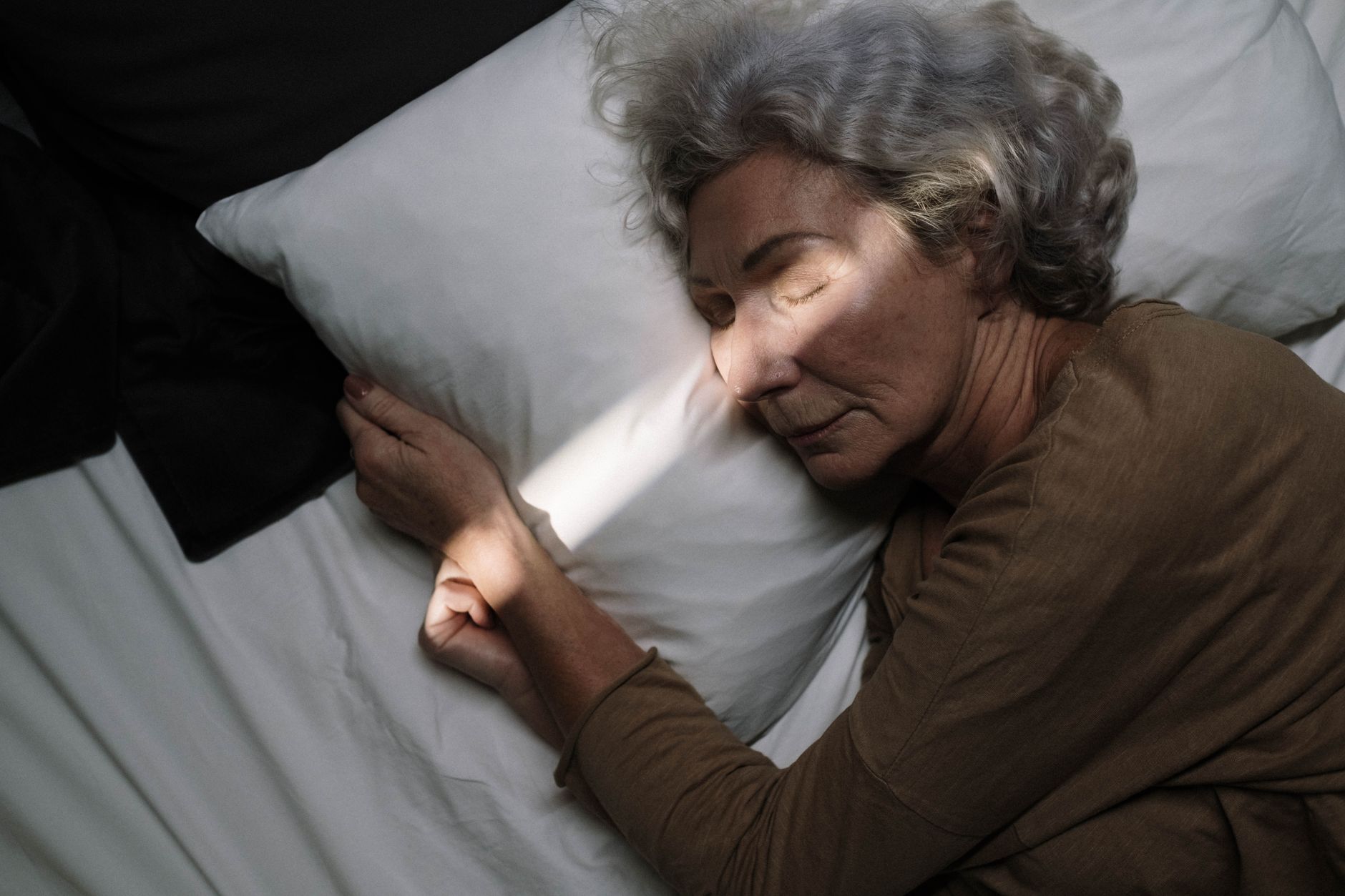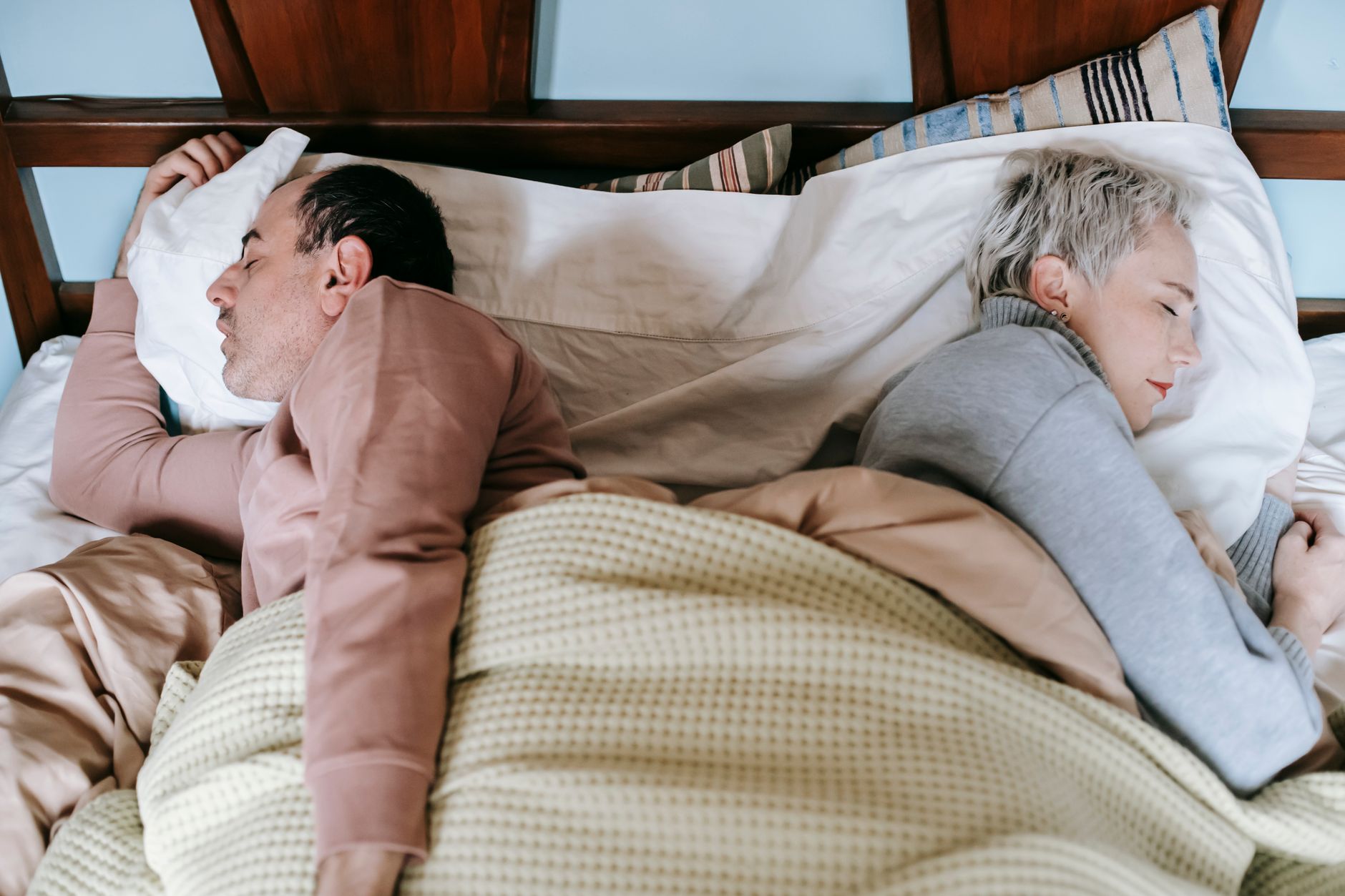
📌Key Takeaways
- Most adults 65 and older need 7-8 hours per night, but individual needs vary from 6 to 9 hours based on genetics, health, and activity
- Sleep needs remain stable throughout adulthood—what changes is sleep quality, with less deep sleep and more nighttime awakenings
- Quality matters as much as quantity: 6 hours of uninterrupted sleep may be more restorative than 8 hours of fragmented rest
- Adults over 70 may function well on 6 hours or need up to 9 hours; daytime function is the best guide to your personal need
- Persistent sleep problems are not a normal part of aging and should be evaluated by a healthcare provider
Quick Answer
How much sleep do older adults need? The National Sleep Foundation recommends 7-8 hours per night for adults aged 65 and older. However, individual needs vary—some older adults function well on 6 hours of quality sleep, while others may need up to 9 hours to feel fully rested. Rather than chasing a single number, focus on how you feel during the day: if you wake refreshed and stay alert without excessive daytime sleepiness, you are likely meeting your sleep need.
Waking exhausted after a full night in bed often signals a quality problem rather than a duration problem—commonly linked to fragmented sleep, medication effects, or sleep disorders such as sleep apnea. If problems persist beyond 3 or 4 weeks despite good sleep habits, consult your healthcare provider.
Research Finding
According to the National Sleep Foundation, adults 65 and older need 7-8 hours nightly, with 5-9 hours considered "may be appropriate" for some individuals. A study published in the Journal of Gerontology found that sleep quality—not duration—was more strongly associated with health outcomes in older adults.
At-a-Glance: Sleep Needs by Age Group
| Age Group | Recommended | May Be Appropriate | Notes |
|---|---|---|---|
| Young Adults (18-25) | 7-9 hours | 6-11 hours | Deep sleep is most abundant |
| Adults (26-64) | 7-9 hours | 6-10 hours | Stability is typical |
| Older Adults (65-74) | 7-8 hours | 5-9 hours | Lighter sleep, more awakenings |
| Adults 75+ | 7-8 hours | 5-8 hours | Sleep efficiency declines further |
| Adults 80+ | 7-8 hours | 5-8 hours | Daytime naps more common |
Source: National Sleep Foundation Sleep Duration Recommendations
How Much Sleep Do Older Adults Need?
One of the most common questions older adults ask is whether they're getting enough sleep. The answer isn't simple—while general guidelines exist, individual sleep needs vary based on genetics, health status, activity level, and quality of sleep. Understanding your personal sleep needs and the factors that affect them helps you make informed decisions about your sleep habits.
The question of sleep duration becomes more complex as we age because aging itself changes how we sleep. These changes are normal but can be frustrating. The goal isn't to sleep like you did at 30, but to optimize the sleep you get now for your best health and functioning.
Understanding Sleep Needs Across the Lifespan
General Sleep Recommendations
Official guidelines provide starting points. The National Sleep Foundation recommends:
- Adults 65+: 7-8 hours per night
- Some older adults may need only 5-6 hours
- Some may need up to 9 hours
- Quality matters as much as quantity
Individual Variation
Why guidelines aren't one-size-fits-all:
- Genetic factors: Some people naturally need less sleep
- Health conditions: Chronic illnesses affect sleep needs
- Activity level: Physically active people often sleep better—see exercise and sleep quality
- Sleep quality: Better quality may require less time
- Medications: Some drugs affect sleep patterns
- Chronic fatigue: May indicate underlying sleep disorder
Sleep Needs Versus Sleep Debt
Understanding your baseline:
- Baseline determination: How much sleep do you naturally need?
- Accumulated debt: Lost sleep adds up over time
- Recovery capacity: Older adults take longer to recover from debt
- Consistent deficits: Chronic short sleep has cumulative effects
- Signs of debt: Daytime sleepiness, concentration problems
- Catching up: Weekend sleep may help but isn't a complete solution
How Sleep Needs Change With Age
Normal Age-Related Sleep Changes
Understanding what's expected:
Sleep Architecture Changes:
- Lighter sleep with more frequent awakenings
- Less deep sleep (slow-wave sleep decreases with age)—from about 20% in young adulthood to under 10% after age 70
- More time in lighter sleep stages
- Earlier sleep timing (phase advance)
- Smaller sleep window overall
Wakefulness Increases:
- More time awake at night
- Difficulty staying asleep
- Earlier morning awakening
- Reduced sleep efficiency
- More daytime napping—guidance on this in napping after 60
Why These Changes Occur
Biological and lifestyle factors:
Biological Changes:
- Circadian rhythm shifts earlier
- Reduced melatonin production—more in our guide on melatonin for seniors
- Changes in sleep-wake homeostatic drive
- Less robust circadian amplitude
- Neurological changes affecting sleep
Lifestyle Factors:
- Retirement changes schedule flexibility
- Reduced physical activity
- More daytime sitting
- Health conditions affecting sleep
- Medication effects
- Social engagement changes
Sleep Needs After 70: What Changes
While the recommended range stays at 7-8 hours for adults 65 and older, several things shift specifically after age 70 that affect how much sleep you actually get—and how restorative it feels.
Sleep Architecture After 70
Research published in Neuron (Mander et al., 2017) documents notable changes in sleep after 70:
- Deep sleep continues to decline: Slow-wave sleep falls below 10% of total sleep time
- Sleep efficiency drops: Time asleep as a percentage of time in bed declines
- More nighttime awakenings: The average older adult experiences 3-4 awakenings per night
- Increased sleep latency: Falling asleep may take longer
- Reduced REM sleep: Dream sleep may decrease slightly
Why Some Adults Over 70 May Need Less Total Sleep
The National Sleep Foundation notes that for adults over 65, 5-8 hours may be appropriate for some individuals. After 70, several factors may reduce the total sleep obtained:
- Lower overall metabolic demand
- Reduced physical activity in some adults
- Changes in circadian rhythm that compress the sleep window
- More time in lighter sleep stages, which can feel less restorative
However, the need for sleep does not disappear. What changes is the ability to consolidate sleep, not the requirement for sleep.
Common Patterns After 70
- Earlier bedtime and wake time: Many adults over 70 experience "advanced sleep phase," feeling sleepy by 8-9 p.m. and waking at 4-5 a.m.
- More fragmented sleep: Brief awakenings become more frequent
- Increased daytime napping: Often a compensatory response to nighttime fragmentation
- Greater sensitivity to stimuli: Noise, light, and temperature changes more easily disrupt sleep
- Nocturia: Nighttime urination becomes more common due to bladder changes and medications—a frequent reason why seniors wake up at night
Is It Normal to Sleep Less After 70?
Sleeping slightly less—and waking earlier—is common after 70 and often not a cause for concern if you feel rested during the day. However, the National Institute on Aging (NIA) emphasizes that chronic sleep problems are not a normal part of aging and should be evaluated. Excessive daytime sleepiness, persistent insomnia, or loud snoring with breathing pauses may signal underlying issues such as sleep apnea or another sleep disorder.
When to Be Concerned After 70
If you experience any of the following after age 70, consult your healthcare provider:
- Loud snoring or gasping during sleep (possible sleep apnea)
- Acting out dreams (possible REM sleep behavior disorder)
- Persistent difficulty falling or staying asleep
- Excessive daytime sleepiness despite adequate time in bed
- Sudden changes in sleep patterns
Quality Versus Quantity
Why Quality Matters
More sleep isn't always better:
Poor Quality Sleep Consequences:
- Daytime fatigue despite adequate hours
- Impaired cognitive function—learn more in how does sleep affect memory
- Mood disturbances
- Reduced immune function
- Increased fall risk
- Poor memory consolidation
Signs of Poor Sleep Quality
Recognizing the problem:
- Frequent awakenings: Waking multiple times nightly
- Non-restorative sleep: Feeling unrefreshed despite duration
- Difficulty falling asleep: Taking more than 30 minutes
- Daytime dysfunction: Sleepiness, concentration issues
- Requiring sleep aids: Dependence on medication
- Partner reports: Snoring, breathing pauses, movement
Components of Quality Sleep
What makes sleep restorative:
- Sufficient duration: Enough time for all sleep stages
- Continuity: Minimal awakenings
- Appropriate timing: Sleep aligned with circadian rhythm
- Adequate depth: Sufficient time in deep sleep
- Stage distribution: Proper balance of all sleep stages
- Subjective quality: Feeling rested upon waking
Factors Affecting Sleep Needs in Seniors
Health Conditions
Medical issues influence sleep:
- Chronic pain: Arthritis, neuropathy disrupt sleep
- Respiratory conditions: COPD, sleep apnea affect breathing
- Gastrointestinal issues: GERD often worse lying down
- Prostate problems: Frequent urination interrupts sleep
- Neurological conditions: Parkinson's, dementia affect sleep
- Depression and anxiety: Both cause and result from poor sleep
Medications
Drug effects on sleep:
- Stimulants: Some blood pressure medications
- Diuretics: Cause nighttime urination
- Antidepressants: Vary in their effects
- Corticosteroids: Often cause insomnia
- Beta-agonists: May disrupt sleep
- Decongestants: May cause alertness
Lifestyle Factors
Daily habits affect sleep needs:
- Physical activity: Exercise promotes better sleep
- Caffeine intake: Timing and amount matter
- Alcohol consumption: Affects sleep architecture
- Meal timing: Late eating may disrupt sleep
- Screen time: Blue light affects circadian rhythm
- Nap habits: Daytime sleep affects nighttime rest
Finding Your Personal Sleep Need
Self-Assessment Methods
Determining your actual needs:
Sleep Diary Method:
- Record sleep times for 2 weeks
- Note daytime energy levels
- Track naps and their effects
- Identify patterns in subjective quality
- Calculate average sleep duration
- Adjust based on daytime function
Daytime Function Indicators:
- Sustained alertness during day
- No involuntary sleep episodes
- Normal mood and cognition
- Good concentration and memory
- Adequate energy for desired activities
- No reliance on caffeine to stay awake
Adjustment Process
Fine-tuning your sleep:
- Start with 7-8 hours: Recommended starting point
- Monitor function: Track how you feel and perform
- Adjust gradually: Small 15-30 minute changes
- Allow adaptation: Give changes 1-2 weeks
- Consider quality: Duration isn't everything
- Professional help: If persistent problems
Optimizing Sleep Within Your Needs
The NYT #1 Recommendation: Fixed Sleep Schedule
According to the 2026 New York Times longevity analysis, the key to optimizing sleep quality for seniors is not just duration—it's consistency. The NYT report found that:
- Seniors with fixed sleep schedules (same bedtime and wake time) had 35-40% better sleep quality than those with variable schedules
- Fixed schedules helped seniors maintain their circadian rhythm better, even with age-related sleep architecture changes
- Consistency was more important than trying to achieve a specific sleep duration target
The "Sleep Window" Approach (NYT-Validated):
Instead of targeting 7-8 hours of sleep directly, seniors should focus on a consistent time in bed ("sleep window"):
- Choose your wake time (e.g., 6:00 AM) and stick to it EVERY day
- Calculate your sleep window: Subtract 7-9 hours from wake time to set bedtime
- Go to bed at the same time each day (even weekends)
- Stay in bed for your full window (even if you don't sleep the entire time)
- This builds your sleep drive and teaches your body to sleep consistently
NYT Research Finding
A 2024 study in the Journal of the American Medical Association (JAMA) found that seniors who maintained consistent bedtimes and wake times experienced:
- Fewer nighttime awakenings (2.3 vs 4.1 per night)
- Better sleep quality scores (78 vs 59 on subjective scale)
- Lower risk of sleep-related health issues (hypertension, cognitive decline)
- More stable energy levels throughout the day
Strategies for Better Sleep
Working with your sleep architecture:
Timing Optimization:
- Consistent wake time daily
- Align bedtime with circadian rhythm
- Allow sufficient time in bed
- Avoid forced sleep when not sleepy
- Respect natural wake times
Environment Enhancement:
- Cool, dark, quiet bedroom (65-68°F is ideal)
- Comfortable mattress and pillows
- Separate sleep space from other activities
- Minimize light exposure at night
- Reduce noise disturbances
Behavioral Approaches:
- Regular exercise (not close to bedtime)
- Light exposure in morning
- Limited caffeine after noon
- Reduced alcohol intake
- Relaxation before bed
- Wind-down routine—see our sleep hygiene checklist for seniors
Daytime Sleep and Napping
Napping Considerations
For older adults, napping is often necessary:
Benefits of Appropriate Napping:
- Compensates for nighttime sleep disruption
- Reduces afternoon fatigue
- May improve alertness and performance
- Can be protective after a poor night
- Part of normal sleep architecture for seniors
Risks of Excessive Napping:
- Interferes with nighttime sleep
- May indicate underlying problems
- Associated with cognitive decline
- Can affect social engagement
- May increase depression risk
Optimal Napping Strategy
If you nap:
- Limit duration: 20-30 minutes maximum
- Time appropriately: Early afternoon (1-3 PM)
- Create proper environment: Dark, quiet, comfortable
- Avoid late napping: Don't nap after 4 PM
- Evaluate need: Determine if napping compensates or masks problems
- Prefer scheduled naps: Regular timing better than random
When Sleep Needs May Differ
Special Circumstances
Situations requiring adjustment:
Recovery from Illness:
- May need more sleep temporarily
- Allow extra rest during recovery
- Gradually return to baseline
- Monitor for persistent changes
High Activity Days:
- Physically demanding days may need more sleep
- Mental exertion also increases needs
- Major life events affect sleep
- Don't consistently short-change sleep
Medication Changes:
- New medications may affect sleep
- Stopping medications may improve sleep
- Work with healthcare provider
- Allow adjustment time
Health Changes:
- New symptoms warrant attention
- Changes in sleep may signal problems
- Increased fatigue should be evaluated
- Don't assume normal aging
Debunking Sleep Myths
Common Misconceptions
Understanding the truth:
"Older adults need less sleep":
- Sleep needs remain similar throughout adulthood
- Changes are in sleep quality and architecture
- Many older adults get less than needed
- Reduced ability to sleep doesn't mean reduced need
"Sleep problems are normal in aging":
- Some changes are normal
- Significant disruption is not inevitable
- Many problems are treatable
- Good sleep is possible at any age
"If you can't sleep, stay in bed":
- Promotes anxiety about sleep
- Can create negative bedroom associations
- Better to get up and return when sleepy
- 20-minute rule often recommended
"Daytime drowsiness means inadequate nighttime sleep":
- Many factors cause drowsiness
- Medications, food, activity all play roles
- May indicate sleep disorder
- Worth discussing with healthcare provider
When to Seek Help
Warning Signs
Consult healthcare providers:
- Persistent insomnia: Regular difficulty sleeping—see insomnia in older adults
- Excessive daytime sleepiness: Can't stay awake
- Loud snoring: Could indicate sleep apnea
- Breathing pauses: Witnessed during sleep
- Restless legs: Urge to move affecting sleep—see restless legs syndrome in seniors
- Frequent napping: Inability to stay awake
Sleep Disorders in Seniors
Conditions that require evaluation:
- Sleep apnea: Serious breathing interruptions
- Insomnia disorder: Chronic difficulty despite opportunity
- Restless legs syndrome: Movement disorder
- Circadian rhythm disorders: Misaligned sleep timing
- REM behavior disorder: Acting out dreams
- Excessive daytime sleepiness: Underlying cause
Talk to Your Doctor
If you're consistently tired during the day despite getting enough sleep, or if you have concerns about your sleep patterns, consult your healthcare provider. Sleep problems in older adults are often manageable with appropriate evaluation. You may also find it helpful to read our guide on whether poor sleep may increase dementia risk.
Related Articles
- Sleep Hygiene Checklist for Seniors
- Why Seniors Wake Up at Night
- What Is Sleep Apnea?
- Insomnia in Older Adults
- Napping After 60
- Melatonin for Seniors
- Sleep After 60
- Exercise and Sleep Quality
- Restless Legs Syndrome in Seniors
- How Does Sleep Affect Memory
- Can Poor Sleep Increase Dementia Risk
- Sleeping Too Much in Old Age
References
- Patel, R. (2026, July 28). 9 Things Experts Wish You'd Do in Midlife to Increase Longevity. The New York Times. NYTimes.com
- National Sleep Foundation. (2024). Sleep Duration Recommendations by Age. Retrieved from https://www.sleepfoundation.org/how-sleep-works/how-much-sleep-do-we-really-need
- National Institute on Aging. (2024). Sleep and Aging: Getting a Good Night's Sleep. Retrieved from https://www.nia.nih.gov/health/sleep/good-nights-sleep
- American Academy of Sleep Medicine. (2023). Sleep Duration Recommendations. Retrieved from https://aasm.org
- Mander, B. A., et al. (2017). Sleep and Human Aging. Neuron, 94(1), 19-36.
- Centers for Disease Control and Prevention. (2024). Sleep and Sleep Disorders in Older Adults. Retrieved from https://www.cdc.gov/sleep/about_sleep/older_adults.html
- Harvard Health Publishing. (2024). Sleep Changes as We Age. Retrieved from https://www.health.harvard.edu/aging/sleep-changes-as-we-age
- Ohayon, M. M., et al. (2004). Meta-analysis of quantitative sleep parameters from childhood to old age in healthy individuals. Sleep, 27(7), 1255-1273.
- Mayo Clinic. (2024). Sleep Tips for Older Adults. Retrieved from https://www.mayoclinic.org/healthy-lifestyle/adult-health/in-depth/sleep/art-20048379
- Buysse, D.J., et al. (2024). "Sleep Consistency and Health Outcomes in Adults Over 65." JAMA Internal Medicine, 184(2), 182-190. DOI
Disclaimer: This article is for educational purposes only and should not be considered medical advice. Always consult your healthcare provider for personalized guidance about sleep concerns.