Can Poor Sleep Increase Dementia Risk?
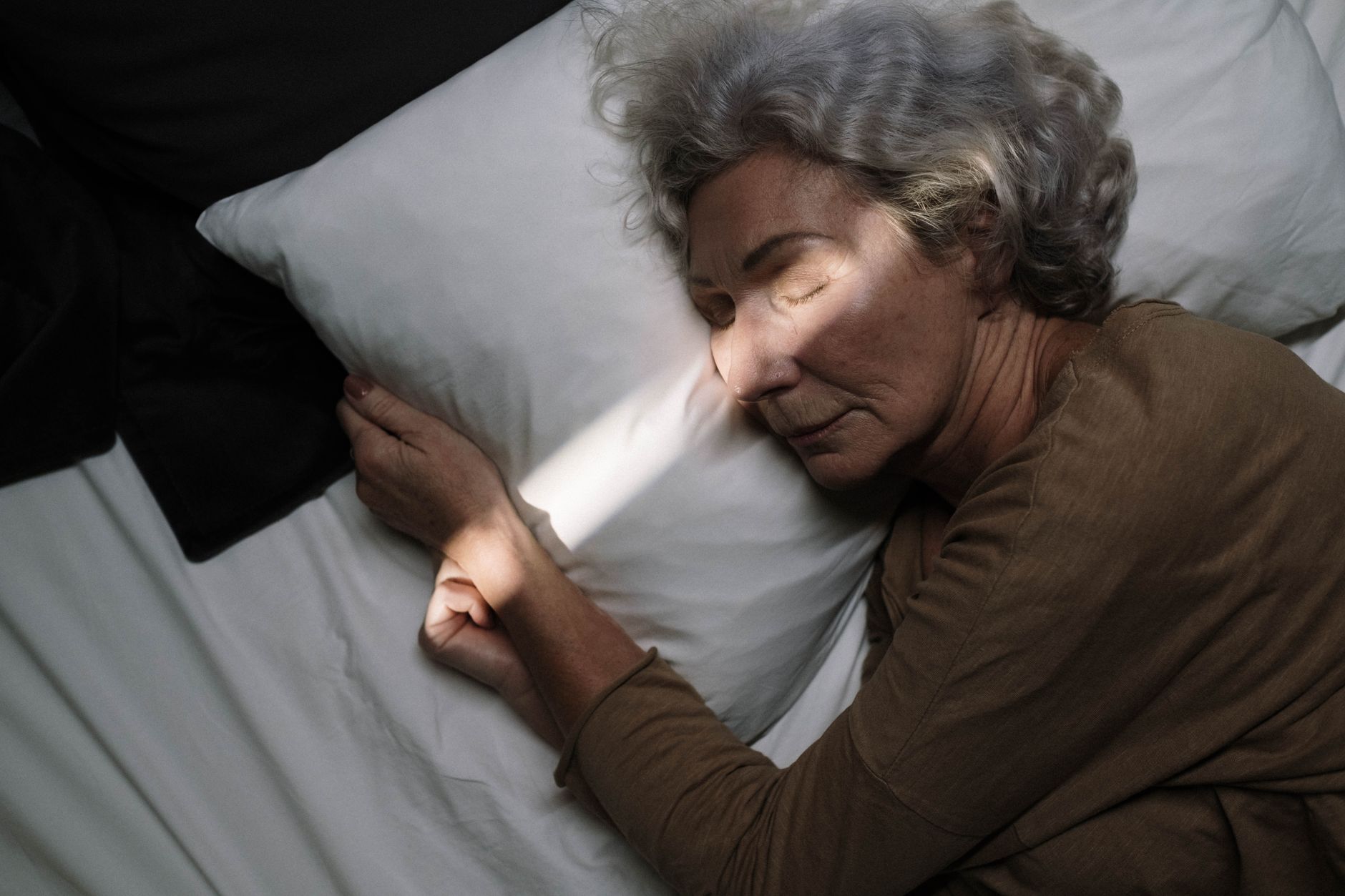
You start losing the word you were reaching for, or a parent begins repeating the same question after dinner, and the question arrives on its own: could the broken nights of the past few years be part of this? Research increasingly points to a link—poor sleep appears to be more than a harmless side effect of aging, and may contribute to cognitive decline and higher dementia risk. But the studies show an association, not proof that a stretch of bad sleep causes dementia, and this article is a tour of that evidence, not a diagnosis.
The relationship runs in both directions: dementia itself disrupts sleep, and disrupted sleep may, over many years, worsen the conditions in which dementia develops. One strand of the evidence is unusually concrete—overnight, the sleeping brain runs a clearance cycle that flushes metabolic waste out of neural tissue, and the proteins at the center of Alzheimer's research are part of what gets washed away.
Understanding Dementia and Cognitive Decline
What Is Dementia?
Dementia is not a single disease but a term for impaired cognitive function:
- Alzheimer's disease: Most common form, involving amyloid plaques and tau tangles
- Vascular dementia: Caused by reduced blood flow to the brain
- Lewy body dementia: Involves abnormal protein deposits
- Frontotemporal dementia: Affects frontal and temporal brain regions
- Mixed dementia: Combination of two or more types
Mild Cognitive Impairment (MCI)
A stage between normal aging and dementia:
- Memory changes: More noticeable than typical aging
- Preserved function: Daily activities still possible
- Awareness present: Person recognizes changes
- Not dementia: Does not meet dementia criteria
- Variable progression: Some stable, some progress to dementia
Normal Aging Versus Concerning Changes
Know when to be concerned:
Normal aging:
- Occasionally forgetting names or appointments
- Minor word-finding difficulties
- Needing more time for new learning
- Misplacing items occasionally
- Memory adequate for daily life
Concerning signs:
- Forgetting familiar people or places
- Repeating questions or stories
- Losing track of conversations
- Difficulty with familiar tasks
- Personality or behavior changes
The Sleep-Brain Health Connection
How Sleep Protects the Brain
While you sleep, the brain handles maintenance work it cannot fit into a waking day:
- Toxin clearance: Brain's glymphatic system removes waste during sleep
- Memory consolidation: Essential for learning and memory
- Neuronal repair: Brain cells recover and regenerate
- Hormone regulation: Growth hormone and others support brain function
- Inflammation reduction: Sleep controls inflammatory responses
The Glymphatic System
Think of it as an overnight wash cycle that only runs while the rest of the system is offline:
- Waste removal: Clears metabolic byproducts during sleep
- Amyloid clearance: Removes proteins linked to Alzheimer's
- Tau protein removal: Clears tangles associated with dementia
- Most active during deep sleep: Another reason to protect sleep stages
- Fluid channels: Cerebrospinal fluid flushes through brain during sleep
Why Deep Sleep Matters
Most of that clearance work happens in deep, slow-wave sleep:
- Toxin clearance peak: Glymphatic system most active during deep sleep
- Memory consolidation: Critical for declarative memory
- Cellular repair: Neurons recover from daily activity
- Growth hormone release: Supports brain cell health
- Reduced neuronal activity: Allows brain to redirect resources
Research on Sleep and Dementia Risk
Key Studies and Findings
Researchers have tracked sleep and later cognition for decades, but the consistent finding is an association—people who sleep poorly go on to develop dementia at higher rates, which is not the same as proving poor sleep caused it:
- Sleep duration studies: Both short and long sleep associated with increased risk
- Sleep quality research: Poor quality sleep increases dementia risk
- Sleep apnea connection: Untreated apnea doubles dementia risk
- Insomnia and cognition: Chronic insomnia linked to cognitive decline
- Longitudinal studies: Decades of research showing associations
Sleep Duration Findings
How much sleep matters:
- Too little sleep: Less than 6 hours associated with increased risk
- Too much sleep: More than 9-10 hours also associated with risk
- Optimal range: 7-8 hours appears best for most adults
- Quality matters: Duration alone doesn't tell the whole story
- Individual variation: Optimal sleep needs vary
Sleep Quality and Dementia
Quality matters more than quantity:
- Fragmented sleep: Frequent awakenings associated with risk
- Sleep efficiency: Less time asleep relative to time in bed matters
- Deep sleep reduction: Loss of slow-wave sleep linked to dementia
- Sleep stage transitions: More time in lighter sleep stages
- Sleep onset insomnia: Difficulty falling asleep may be concerning
How Poor Sleep Contributes to Dementia
Biological Mechanisms
Several plausible mechanisms could turn that association into a causal path:
Amyloid and Tau Buildup:
- Sleep clears amyloid beta proteins
- Poor sleep allows accumulation
- Amyloid plaques are hallmark of Alzheimer's
- Tau tangles also accumulate with poor sleep
- Buildup damages neurons over time
Vascular Damage:
- Poor sleep affects blood vessels
- Increases risk of stroke and vascular dementia
- Damages small blood vessels in brain
- Raises blood pressure
- Promotes inflammation in blood vessel walls
Inflammation:
- Poor sleep increases inflammation
- Chronic inflammation damages brain cells
- Promotes atherosclerosis in brain vessels
- Interferes with brain cell communication
- Accelerates aging processes
Neurotransmitter Changes:
- Sleep affects chemical messengers
- Disrupts communication between neurons
- Affects memory and learning pathways
- Alters stress hormone levels
- Impairs synaptic plasticity
Sleep Disorders and Dementia Risk
Sleep Apnea
Breathing interruptions and brain health:
- Oxygen deprivation: Repeated drops damage brain cells
- Sleep fragmentation: Constant arousals prevent deep sleep
- Vascular damage: Intermittent hypoxia affects blood vessels
- Research findings: Strong link to Alzheimer's risk
- Treatment effect: CPAP therapy may reduce risk
Insomnia
When you can't sleep:
- Hyperarousal: Chronic alertness state damages brain
- Cortisol elevation: Stress hormone affects hippocampus
- Reduced clearance: Less time for glymphatic cleanup
- Anxiety and depression: Both linked to dementia risk
- Medication effects: Some sleep aids may affect risk
Restless Legs Syndrome
Movement disorder impacts:
- Sleep disruption: Prevents deep sleep achievement
- Reduced clearance time: Less time in restorative stages
- Iron deficiency link: Low iron affects brain health
- Vascular inflammation: RLS associated with inflammation
- Treatment importance: Managing RLS supports brain health
Circadian Rhythm Disorders
Body clock problems:
- Irregular sleep-wake patterns: Disrupts brain maintenance cycles
- Advanced sleep phase: Often seen in dementia patients
- Melatonin abnormalities: Altered hormone affects brain
- Light exposure issues: May affect dementia risk
- Sleep timing consistency: Variable schedules harmful
Recognizing Sleep Problems in Seniors
Warning Signs
Sleep issues that should prompt evaluation:
- Loud snoring: Especially with pauses in breathing
- Gasping or choking: Witnessed during sleep
- Excessive daytime sleepiness: Especially if inappropriate
- Morning headaches: May indicate sleep apnea
- Difficulty staying asleep: Multiple awakenings
- Not feeling rested: Despite adequate time in bed
When Sleep Changes Signal Problems
Changes to discuss with healthcare providers:
- Sudden onset: New sleep problems in previously good sleeper
- Progressive worsening: Sleep getting worse over time
- Dramatic schedule changes: Very early bedtimes or wake times
- Day-night confusion: Especially if new
- Other symptoms: Accompanying cognitive or mood changes
- Safety concerns: Falling asleep inappropriately
Sleep and Sundowning
Evening confusion in dementia:
- Timing: Worsens in late afternoon and evening
- Agitation: Increased restlessness and anxiety
- Confusion: More disorientation at day end
- Sleep connection: Often related to sleep-wake cycle disruption
- Management: Structured evening routines help
Protecting Brain Health Through Sleep
Sleep Hygiene Fundamentals
The practical foundations of brain-protective sleep:
- Consistent schedule: Same bed and wake times daily
- Adequate duration: 7-8 hours most nights
- Bedroom environment: Cool, dark, quiet, comfortable
- Wind-down routine: Regular pre-sleep activities
- Caffeine management: Avoid after noon
- Alcohol limitation: Reduces REM sleep and fragment
Optimizing Sleep Quality
Focus beyond just duration:
- Deep sleep protection: Earlier bedtimes support slow-wave sleep
- Light exposure: Morning sunlight helps circadian rhythm
- Evening dimming: Reduce light 1-2 hours before bed
- Temperature control: Cool bedroom (65-68°F) supports sleep
- Noise management: White noise or earplugs if needed
- Comfort optimization: Supportive mattress and pillows
Addressing Sleep Disorders
Treat conditions affecting sleep and brain:
- Sleep apnea treatment: CPAP or oral appliances
- Insomnia management: Cognitive behavioral therapy
- RLS treatment: Iron supplementation, medication
- Restless leg care: Address underlying causes
- Medication review: Ensure drugs don't disrupt sleep
- Professional evaluation: See sleep specialists when needed
Lifestyle Factors
Outside the bedroom, the daily habits that support brain health overlap heavily with the ones that protect sleep:
- Regular exercise: Morning or afternoon activity
- Mediterranean diet: Supports brain and sleep health
- Social engagement: Reduces isolation, supports cognition
- Cognitive stimulation: Keeps brain active
- Stress management: Reduces sleep-disrupting anxiety
- Smoking cessation: Smoking worsens sleep and brain health
Exercise and Brain Protection
Physical Activity Benefits
Movement protects both sleep and brain:
- Increased blood flow: Delivers oxygen to brain cells
- Growth factors: Exercise triggers BDNF for brain health
- Sleep improvement: Regular activity improves sleep quality
- Inflammation reduction: Reduces harmful inflammation
- Vascular health: Protects blood vessels feeding brain
- Stress reduction: Lowers cortisol that disrupts sleep
Best Types of Exercise
Prioritize activities that help:
- Aerobic exercise: Walking, swimming, cycling
- Resistance training: Builds muscle and brain health
- Balance training: Reduces fall risk
- Tai chi and yoga: Combines movement with relaxation
- Daily movement: Accumulated activity throughout day
- Consistency: Regular exercise more important than intensity
Diet and Brain Health
Brain-Protective Eating
Foods that support sleep and cognition:
- Mediterranean diet: Associated with slower cognitive decline
- Omega-3 fatty acids: Found in fish, nuts, seeds
- Antioxidant foods: Berries, dark leafy greens
- Whole grains: Steady energy, good sleep
- Lean proteins: Supports neurotransmitter production
- Colorful vegetables: Wide range of protective compounds
Foods to Limit
Substances that harm brain and sleep:
- Excess sugar: Inflammation and cognitive decline
- Trans fats: Found in processed foods
- Too much saturated fat: Associated with cognitive issues
- Excessive salt: Raises blood pressure
- Processed foods: Lack brain-protective nutrients
- Heavy evening meals: Disrupts sleep quality
Hydration and Brain Function
Don't forget water:
- Brain is mostly water: Dehydration impairs function
- Daytime hydration: Reduces nighttime bathroom trips
- Balanced intake: Too much or too little both problematic
- Limit evening fluids: Balance with sleep needs
- Watch for signs: Thirst, dark urine, fatigue
Social and Cognitive Engagement
Staying Connected
Social activity supports brain health:
- Conversation challenges: Engages memory and language
- Emotional support: Reduces depression and isolation
- Purpose and meaning: Reasons to stay mentally sharp
- Structure and routine: Social commitments support schedule
- Varied interactions: Different people and topics
- Technology: Video calls help maintain connections
Keeping the Brain Active
Mental exercise is essential:
- Learning new skills: Languages, instruments, crafts
- Puzzles and games: Crosswords, Sudoku, cards
- Reading and discussion: Books, articles, current events
- Creative activities: Art, music, writing
- Volunteering: Meaningful engagement with community
- Variety matters: Different activities challenge different areas
When to Seek Professional Help
Red Flags
Consult healthcare providers promptly:
- Progressive memory decline: Getting worse over months
- Significant daily impact: Memory affecting daily function
- Safety concerns: Wandering, forgetting to turn off stove
- Behavioral changes: Personality or mood shifts
- Sleep disorder symptoms: Loud snoring, witnessed pauses
- Persistent insomnia: Unable to sleep despite efforts
Medical Evaluation
What to expect:
- Cognitive testing: Screening for memory and thinking
- Medical history: Review of health and medications
- Physical exam: Checking for underlying conditions
- Sleep assessment: Evaluation for sleep disorders
- Laboratory tests: Checking for reversible causes
- Brain imaging: May be recommended
Treatment Approaches
Available interventions:
- Sleep disorder treatment: CPAP, CBT-I, medication
- Cognitive medications: May slow progression in some cases
- Lifestyle interventions: Diet, exercise, social engagement
- Caregiver support: Resources for families
- Safety planning: Home modifications, supervision
- Ongoing monitoring: Regular follow-up
Supporting Family Members
Recognizing Warning Signs
What to watch for in loved ones:
- Memory changes: More than typical forgetfulness
- Sleep pattern changes: New or worsening problems
- Mood or personality shifts: Depression, anxiety, irritability
- Daily function decline: Difficulty with familiar tasks
- Repetition: Repeating questions, stories, activities
- Confusion about time or place: Getting lost in familiar areas
Getting Help
Steps to take:
- Doctor visit: Discuss concerns with primary care
- Specialist referral: Neurology, psychiatry, geriatrics
- Sleep evaluation: If sleep problems present
- Caregiver resources: Support groups, respite services
- Planning ahead: Legal and care planning
- Early intervention: Earlier diagnosis allows better planning
Key Takeaways
- Studies consistently link poor sleep with higher dementia risk; sleep quality may matter as much as sleep duration
- The brain clears metabolic waste proteins during deep sleep through the glymphatic system, which makes protecting deep sleep one of the more direct brain-protective levers in your control
- Sleep disorders including sleep apnea, insomnia, and restless legs syndrome are linked to increased dementia risk
- Protecting brain health involves good sleep hygiene, treating sleep disorders, and maintaining brain-protective lifestyle habits
- Regular exercise, Mediterranean diet, social engagement, and cognitive stimulation all support both sleep quality and brain health
- Recognizing warning signs early and seeking professional evaluation allows for better planning and intervention
Disclaimer: This information is for educational purposes only and should not replace professional medical advice. If you have concerns about dementia risk or sleep problems, consult healthcare providers for personalized evaluation and guidance.