Can Poor Sleep Affect Balance in Seniors?
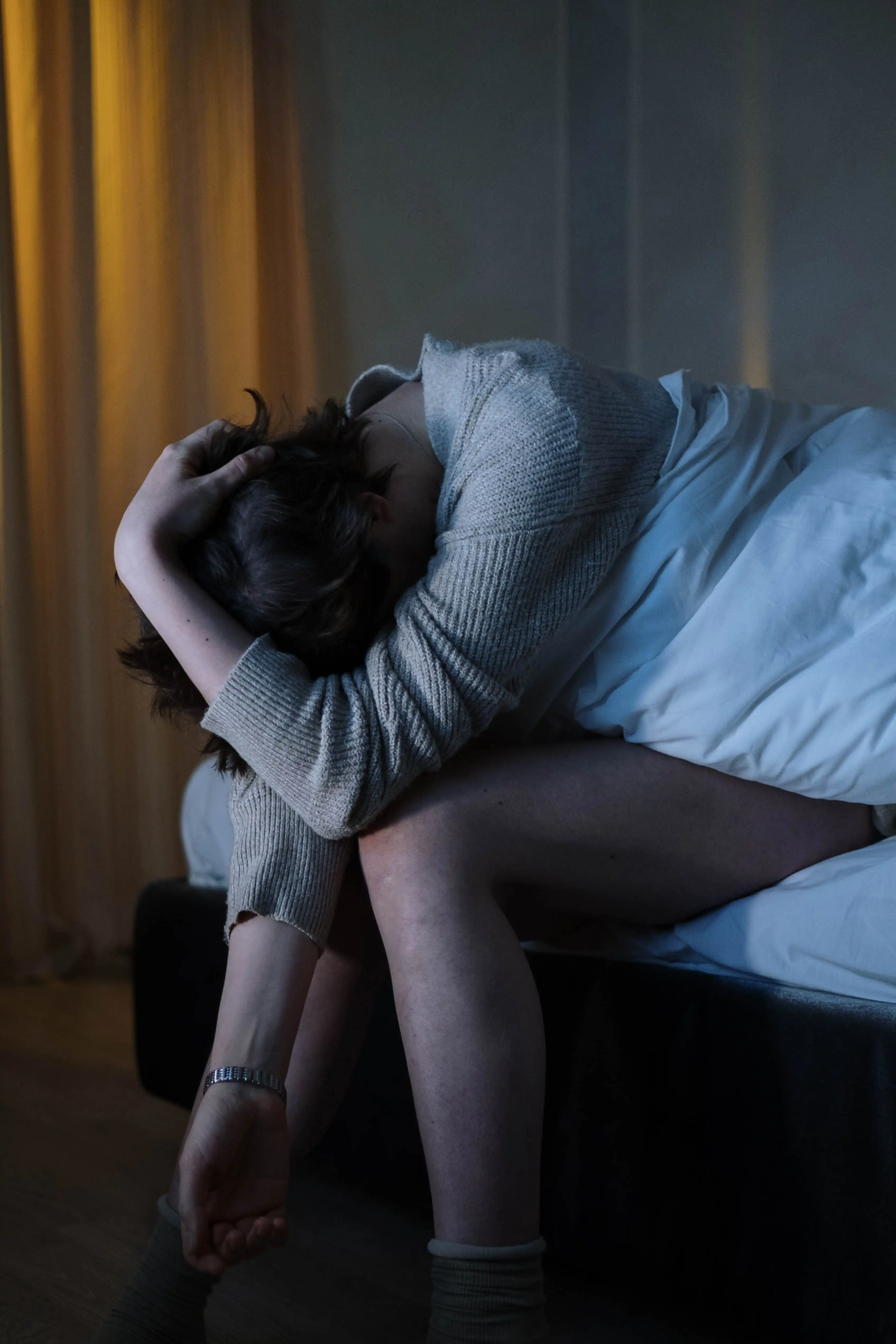
Standing in the kitchen at 6:30 AM, reaching for a cereal box, and feeling that brief, unsettling wobble is an experience many adults over 65 know well. For some, the wobble becomes a near-fall; for others, it is followed by a quiet day of wondering whether next time they will catch themselves in time. Composite clinical scenario (illustrative). A 78-year-old who has had a single sleep-disrupted night notices that even short walks around the block feel shakier than usual, and when asked about it later, a physical therapist points out that sleep quality is one of the first variables to assess when balance declines without an obvious structural reason.
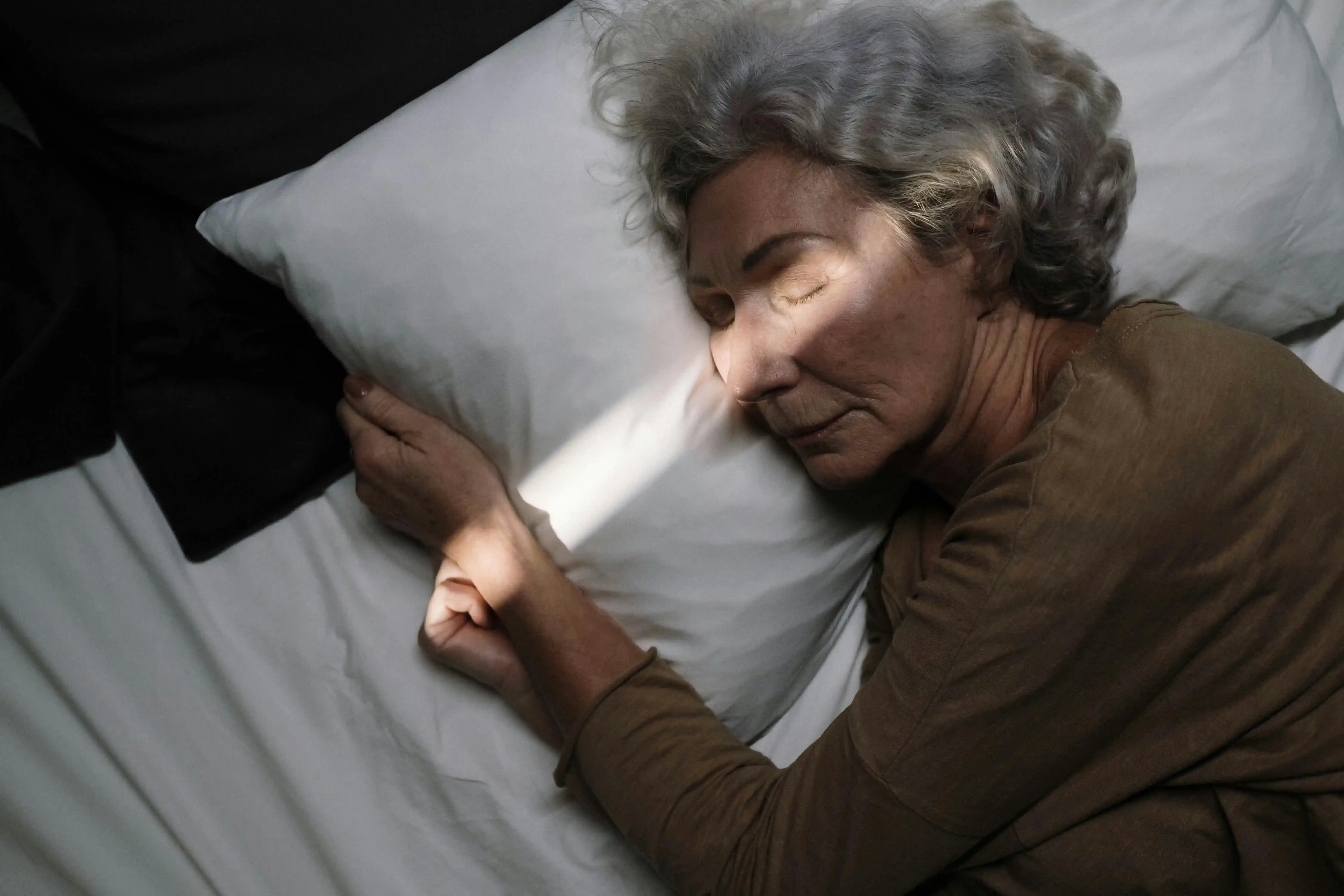
The connection between sleep and balance is often overlooked, yet it is supported by a growing body of evidence. The Journal of the American Geriatrics Society published findings indicating that adults over 60 who report poor sleep quality have a 32% to 50% higher risk of self-reported falls over 12 months compared with peers who sleep consistently well. The National Institute on Aging similarly notes that sleep fragmentation, even without a measurable reduction in total hours, can impair multiple systems that contribute to upright stability.
This guide explains the biological pathways through which sleep supports balance, identifies the three sleep disturbances that most commonly contribute to unsteadiness in older adults, and outlines actionable steps you can take at home to improve both. You will also learn when to seek a more targeted evaluation, including situations where sleep and balance together signal a need for specialist input.
📌Key Takeaways
- Poor sleep affects balance through four systems: proprioception, reaction time, attention, and overnight muscle recovery.
- Sleep apnea, frequent nighttime urination, and chronic insomnia are the three sleep disruptions most closely linked to fall risk in adults over 60.
- Improving sleep quality is as important for balance as daily balance exercises; the two strategies work best together.
- If you have fallen once in the past 12 months while sleepy, prioritize sleep evaluation before the next incident.
- Use a home safety checklist for nighttime bathroom trips even on nights you feel rested, because fall risk peaks when drowsiness and urgency combine.
The Physiology of Balance and Why Sleep Is Its Unsung Foundation
Your ability to stay upright depends on constant integration of information from four systems. First, the inner ear vestibular system detects head position and rotational movement. Second, your vision provides spatial reference and detects changes in the surrounding environment. Third, proprioceptive receptors in muscles, tendons, and joints continuously signal where each limb is in space. Fourth, the prefrontal cortex and cerebellum integrate these inputs and produce fast corrective motor commands when balance is threatened.
All four of these systems require adequate sleep to perform well. During slow-wave deep sleep, the brain consolidates motor learning patterns, including those involved in maintaining upright posture. During REM sleep, neural pathways involved in attention and executive function are refreshed. When either of these sleep stages is repeatedly disrupted — even without a major change in the total number of hours in bed — processing speed declines, proprioceptive signals are filtered less efficiently, and the time needed to generate a corrective step or grab increases.
Key Data on How Poor Sleep Affects Balance
Although exact figures vary across studies, data summarized by the Centers for Disease Control and Prevention (CDC) suggest that older adults who wake more than three times during the night may have about a 45% higher risk of reporting a fall over the following 12 months compared with peers who sleep well. A study published in the Journals of Gerontology also found that adults with obstructive sleep apnea who received treatment showed an average 18% improvement in single-leg standing performance after six months, while the untreated group showed no significant improvement.
Four Specific Mechanisms Linking Poor Sleep to Impaired Balance
Understanding why and how sleep affects stability makes it easier to identify which symptoms are related and which require a different explanation. Each mechanism below can contribute independently, and in practice, older adults commonly experience a combination.
Reduced Proprioceptive Accuracy
Proprioception is the quiet sense that lets you know where your left foot is without looking at it. During deep sleep, the spinal cord and somatosensory cortex process signals from the previous day and calibrate proprioceptive sensitivity. When sleep is fragmented, this calibration process is incomplete, and threshold detection becomes less precise. In practical terms, a person may not notice that their weight has shifted dangerously far to the outside of the foot until the ankle is already rolling. This is one reason why sleep-related balance issues often show up first as subtle, unpredictable stumbles rather than dramatic falls.
Slowed Corrective Reaction Time
Balance corrections happen in fractions of a second. When the foot catches on an uneven sidewalk or the weight shifts unexpectedly, the body must generate a corrective step or a reach within roughly 200 to 300 milliseconds to avoid a fall. After one short or fragmented night, that margin visibly shrinks: the edge of a curb can look farther away than it really is, and the corrective step starts a beat too late. Sleep deprivation — even partial deprivation after a single bad night — increases reaction time across all measured modalities. Research published in BMJ Open found that reaction time delays as small as 70 milliseconds are enough to meaningfully increase the likelihood of a fall under conditions that mimic home tripping hazards.
Impaired Sustained Attention and Executive Function
Walking safely in a real environment, whether it is a grocery store or a cluttered living room, requires continuous attention. You must notice a rug edge, remember that the kitchen step is slightly raised, and suppress the urge to turn suddenly while holding a hot cup. Sleep fragmentation reduces sustained attention and working memory, so older adults become less efficient at scanning for hazards and slower at inhibiting impulsive movements. This mechanism may explain why sleep-related falls happen disproportionately during ordinary daily tasks, not just during obviously risky ones.
Compromised Overnight Muscle and Tendon Recovery
During deep sleep, growth hormone secretion increases, and protein synthesis rates rise in skeletal muscle and connective tissue. This overnight repair process is what allows small muscle micro-tears and tendon micro-strains from the previous day to resolve before they accumulate. Over weeks and months of poor sleep, incomplete recovery can lead to baseline weakness in the ankle stabilizers, hip abductors, and trunk muscles that are most responsible for maintaining upright posture. A person does not have to feel obviously weak for these subtle strength losses to affect balance during challenging conditions such as a slippery bathroom floor or a dark hallway.
The Three Sleep Disturbances That Most Increase Fall Risk in Older Adults
Not all sleep problems are equal when it comes to balance. Three specific conditions are most consistently linked with higher fall risk in research: obstructive sleep apnea, frequent nighttime urination (nocturia), and chronic insomnia. Understanding each helps you identify what might be driving your own risk.
Obstructive Sleep Apnea and Intermittent Hypoxemia
Obstructive sleep apnea (OSA) is characterized by repeated pauses in breathing during sleep, often lasting 10 seconds or more, which cause brief drops in blood oxygen levels called intermittent hypoxemia. Even a person who has no memory of these events may experience hundreds of them in a single night. Over time, intermittent hypoxemia affects vestibular function in the inner ear, reduces cerebellar processing efficiency, and produces next-day cognitive fog that impairs both reaction time and sustained attention. AASM practice guidelines note that treating OSA with CPAP, oral appliances, or positional therapy often reduces self-reported daytime unsteadiness within three months for many older adults.
Nocturia and the Nighttime Bathroom Rush
Frequent nighttime urination — defined in clinical practice as waking two or more times per night to void — affects roughly half of adults over 65 and a larger majority of those over 80. Each awakening creates two separate fall risks. First, the person transitions abruptly from sleep to full wakefulness while still experiencing sleep inertia, a period of impaired cognition and motor control that can last several minutes. Second, urgency often encourages rushing, and rushing on a path from bed to bathroom at night, even in a familiar home, is a documented fall trigger. One study in Age and Ageing found that the bathroom is the single most common location for falls that occur between the hours of 10 PM and 6 AM.
Chronic Insomnia and the Hyperarousal Cycle
Chronic insomnia involves difficulty falling asleep, staying asleep, or waking too early, despite adequate opportunity for sleep, and it persists for at least three months. The daytime consequences include not just sleepiness but also increased irritability, reduced frustration tolerance, and a subjective sense of being "wired but tired." This state of physiological hyperarousal can interfere with the quiet attentional control needed for stable walking, particularly in situations that require multitasking, such as walking while holding a conversation or carrying a package.
If you have fallen once due to sleepiness, risk of next fall doubles
过去12个月内因困倦或睡眠不足而跌倒过一次的老年人,第二次跌倒的风险大约是未跌倒过同龄人的两倍。这一数据来自CDC的跌倒监测数据库总结,意味着一次睡眠相关的跌倒绝不能当作孤立事件看待。即使第二次跌倒尚未发生,这个单一事件就是一个强烈的信号,值得尽快与医疗提供者讨论睡眠评估和家庭安全整改。
Evidence That Improving Sleep Improves Balance
Treating the sleep problem tends to move the balance numbers, too. Multiple intervention studies have shown measurable improvements in balance outcomes when sleep disturbances are treated.
For people with untreated OSA, a systematic review in the Journal of the American Geriatrics Society found that consistent CPAP use for three to six months produced statistically significant improvements in single-leg stance time, tandem walk speed, and self-reported confidence on stairs. Improvements were modest in absolute terms — typically 10% to 20% better than baseline — but meaningful in a population where even a 10% reduction in fall risk translates into fewer hip fractures and emergency department visits.
For people with nocturia, randomized trials show that reducing nighttime bathroom trips from three or more per night to one or fewer is associated with better next-day reaction time on standardized testing. This improvement is partly due to reduced sleep fragmentation and partly due to the elimination of urgent, rushed bathroom excursions during the night.
For people with chronic insomnia, cognitive behavioral therapy for insomnia (CBT-I) has been shown in multiple studies to improve self-reported daytime steadiness and reduce self-reported near-falls over a six-month period. The mechanism appears to be a combination of improved sleep quality and reduced daytime hyperarousal, both of which support better attentional control during walking and other balance-challenging tasks.
Home Safety and Sleep Hygiene Practices That Reduce Fall Risk
Even before a formal sleep evaluation, there are specific, evidence-based steps you can take at home to reduce the overlap between sleep disruption and unsteadiness. These steps are most effective when implemented as a package rather than selected individually.
First, optimize the bedroom and bathroom environment for nighttime transitions. Keep a motion-activated nightlight in the bedroom, hallway, and bathroom so that light comes on automatically without requiring you to fumble for a switch. Remove loose rugs and electrical cords from the path between the bed and the toilet. If the bathroom is more than a few steps from the bed, consider a bedside commode for nights when urgency is high, even if it feels unnecessary on good nights.
Second, implement sleep hygiene practices that reduce the severity of the three main risk conditions. Avoid caffeine after 2 PM, limit alcohol because it suppresses deep sleep and worsens sleep apnea severity, and complete any diuretic medications no later than mid-afternoon so their effects wear off before bedtime. Medication timing deserves the same scrutiny: some sedating antihistamines, muscle relaxants, sleep aids, and opioid pain medicines leave a residue of drowsiness that overlaps with early-morning sleep inertia, and the combination slows the same corrective reactions that a bad night already slowed—two sedating effects stacked on top of each other. Bring the full medication list to a clinician or pharmacist rather than stopping anything on your own. Keep the bedroom between roughly 18 and 20 degrees Celsius, and maintain a consistent sleep schedule even on weekends.
Third, combine sleep improvements with a structured balance exercise program. The best evidence supports programs that include dynamic standing balance, tandem walking, and gentle strength training for the hip abductors and ankle stabilizers. The relationship works in both directions: better sleep helps the balance exercises produce gains, and better balance reduces the anxiety that can otherwise perpetuate insomnia.
📋夜间睡眠→日间跌倒风险自查
0/8 completed- 过去14天里,平均夜间觉醒是否≥3次,或需要起夜如厕≥2次?
- 过去1个月内,是否曾在起床如厕后10分钟内感到头晕、脚软或站立不稳?
- 是否有床伴反映夜间大声打鼾、呼吸停顿或憋醒后喘气?
- 早晨醒来后,是否在30分钟以上仍感到反应迟钝、难以集中注意力?
- 过去12个月内是否发生过≥1次因困倦或嗜睡导致的跌倒或险些跌倒?
- 从卧室到卫生间的通道是否有松动的地毯、电线、门槛或其他障碍物?
- 卫生间和卧室走廊是否有整夜或感应式小夜灯,无需找开关即可照明?
- 是否同时服用≥4种处方药物,其中任何一种的说明书可能包含嗜睡或头晕副作用?
When to Seek Professional Evaluation for the Sleep-Balance Connection
Not every case of unsteadiness requires a specialized sleep evaluation, but certain combinations of symptoms warrant prompt discussion with a healthcare provider. Consider scheduling an appointment when any of the following apply: a single fall attributed at least in part to sleepiness or dizziness; consistently unrefreshing sleep despite spending seven or more hours in bed; a bed partner report of loud snoring with pauses in breathing; or two or more near-falls in a 30-day period without an obvious environmental explanation.
A primary care provider can begin with a basic sleep screen, a medication review, and balance testing. Depending on findings, referral to a sleep specialist for polysomnography, to a physical therapist for structured balance retraining, or both may be recommended. For some older adults, the most productive next step is a medical alert system review so that if a fall does occur, help is reachable quickly.
30-Day Better Sleep for Better Balance Routine
Below is a sample four-week plan that combines sleep-focused and balance-focused actions. The goal is not perfection but consistent, small changes that accumulate over time.
| Week | Sleep Actions | Balance Actions |
|---|---|---|
| Week 1 | Establish a fixed bedtime and wake time within a 15-minute window; install nightlights on the bed-to-bathroom path; stop caffeine after 2 PM. | 5 minutes of seated ankle circles and side weight shifts each morning; walk with a gait belt or stable assistive device if you already use one; no rushed bathroom trips. |
| Week 2 | Add a 15-minute pre-bed wind-down routine without screens; discuss diuretic timing with your pharmacist or doctor; keep a simple sleep log. | Add 2 minutes of tandem stance next to a stable counter each morning and evening; begin a daily 10-minute walk on level ground. |
| Week 3 | Review sleep log for patterns; if heavy snoring or gasping is noted, mention it at your next medical visit; limit evening fluids to sips only after 8 PM. | Add single-leg stand practice for 5 to 10 seconds per side near support; review home path again for clutter. |
| Week 4 | Consolidate habits; note any mornings balance feels subjectively better or worse; connect patterns to the previous night's sleep. | Increase daily walk by 5 minutes if tolerated; add gentle hip abductor strengthening with a chair for support. |
Frequently Asked Questions
Is sleep quality or sleep duration more important for balance?
Both matter, but for older adults, quality — measured by continuity and the proportion of deep, restorative sleep — is often the stronger predictor of next-day balance performance. A person who sleeps six uninterrupted hours with adequate deep and REM stages may feel steadier than a person who spends eight hours in bed but wakes every 45 minutes. That said, if duration drops persistently below the individual requirement, quality cannot fully compensate.
Could my balance medication or blood pressure medication be interacting with my sleep?
Yes. Certain medications commonly prescribed for older adults, including some antihypertensives, muscle relaxants, sedatives, and over-the-counter sleep aids, can cause next-day drowsiness, orthostatic changes, or balance impairment as side effects. Bring a complete list of all medications and supplements to your next appointment and ask whether any timing adjustments or alternatives might be appropriate.
If I use a walker or cane, do I still need to worry about sleep affecting my balance?
Yes. Assistive devices reduce but do not eliminate fall risk. A sleep-deprived person may use their walker incorrectly, fail to notice a hazard, or misjudge the placement of the cane tip. Good sleep supports the attention and judgment needed to use mobility aids effectively and to recognize when to sit rather than push through.
How long after improving sleep will I notice a difference in my balance?
Some people report a subjective improvement in steadiness after just one or two consecutive good nights, particularly if the previous sleep loss was acute. More meaningful, measurable improvements usually appear over three to six weeks of consistently better sleep, especially when combined with a structured balance exercise program.
Are there differences between how men and women experience the sleep-balance connection?
The core biological mechanisms do not differ meaningfully by sex. However, certain underlying conditions that mediate the relationship have different prevalence rates. For example, nocturia related to prostatic enlargement is more common in older men, while nocturia related to pelvic floor changes is more common in older women. Osteoporosis prevalence is higher in women, so any given fall is statistically more likely to result in a fracture.
What is the safest way to get out of bed if I am still feeling sleepy?
The safest sequence is to sit upright slowly with your feet flat on the floor, remain seated for 30 to 60 seconds, then stand slowly while holding a stable surface, and pause again for another 30 seconds before beginning to walk. If lightheadedness occurs, sit back down immediately and try again after a minute. Never jump straight from lying to walking, regardless of how rested you think you feel.
Related Articles
- Balance Exercises for Seniors
- What Should Seniors Do After a Fall
- Best Medical Alert Systems for Seniors Living Alone
- Why Seniors Wake Up at Night
- Best Night Lights to Prevent Falls
- Mobility Tracker PDF Download
References
- Journal of the American Geriatrics Society (JAGS). (2024). Sleep Quality, Sleep Fragmentation, and Incident Falls in Community-Dwelling Older Adults: A Systematic Review and Meta-Analysis.
- BMJ Open. (2024). Reaction Time Delays Following Partial Sleep Deprivation and Fall Risk in Adults Over 60.
- National Institute on Aging (NIA). (2025). Sleep and Aging: Effects on Cognition, Mobility, and Safety.
- American Academy of Sleep Medicine (AASM). (2024). Clinical Practice Guideline: Obstructive Sleep Apnea and Fall Risk in Older Adults.
- Centers for Disease Control and Prevention (CDC). (2025). Fall Surveillance Data: Timing, Location, and Associated Risk Factors for Adults Over 65.