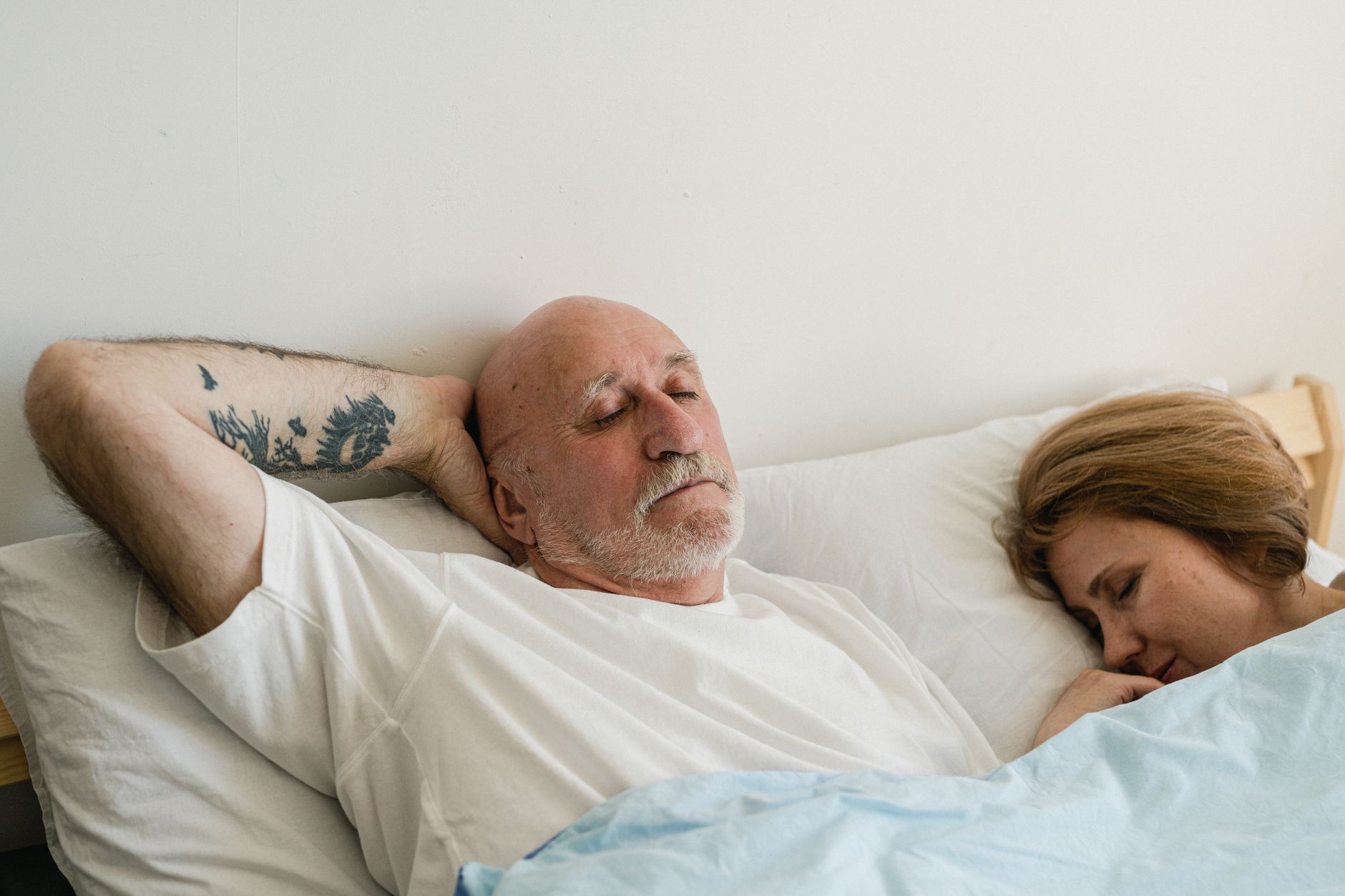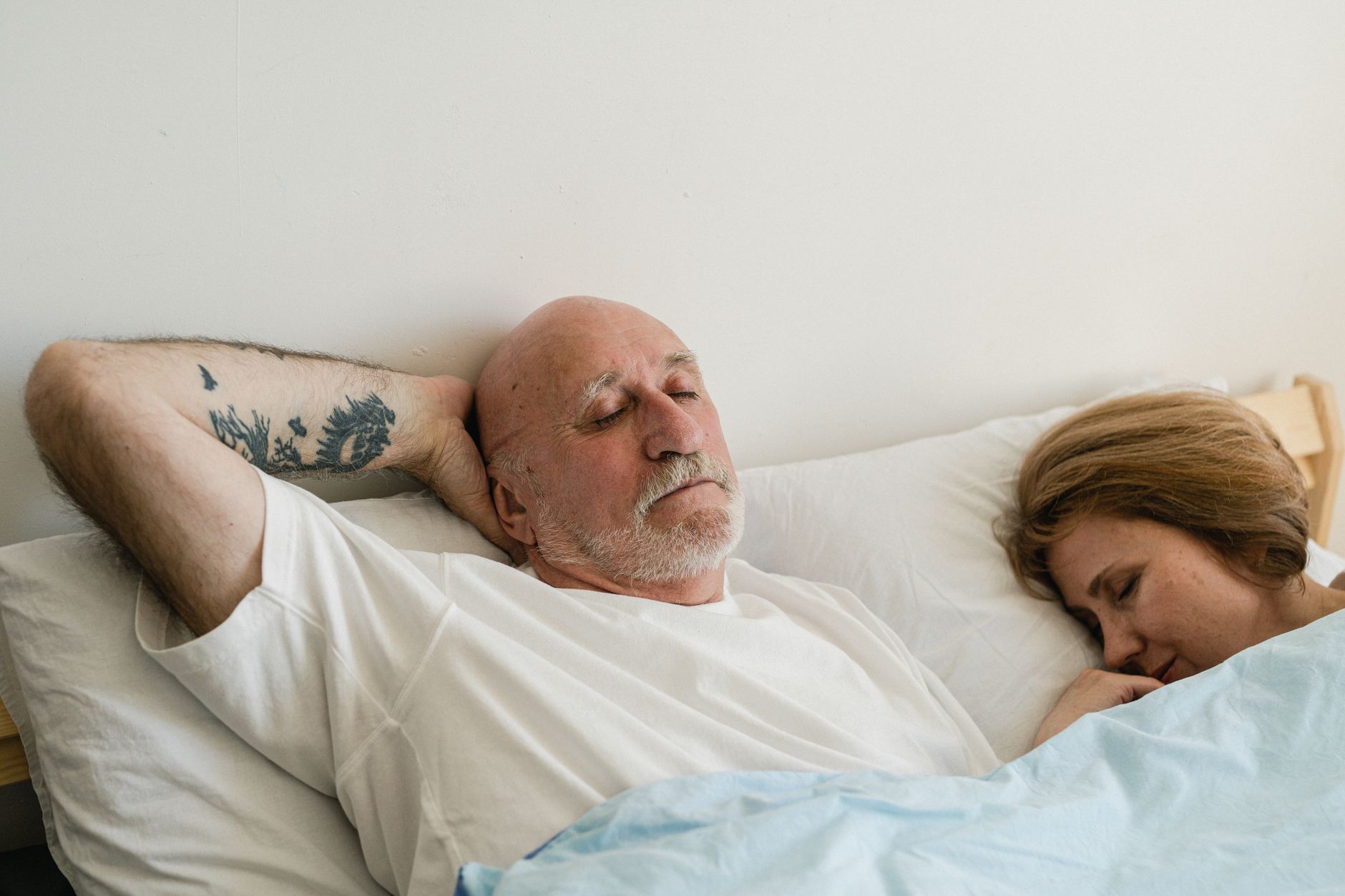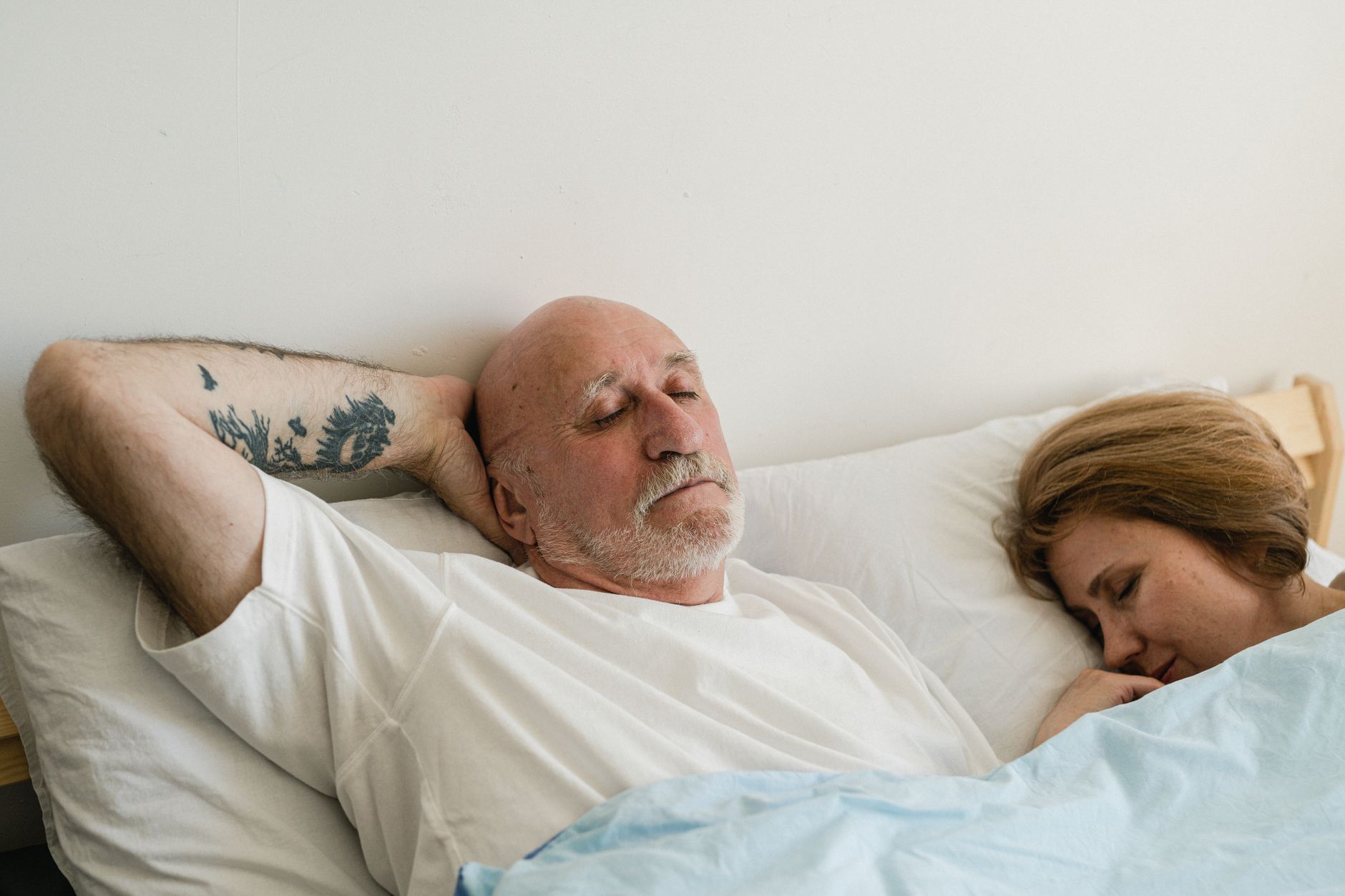
Sleeping Too Much in Old Age
It often creeps up on a household: the morning paper goes unread, the robe stays on until noon, and someone who used to be up with the sun is now spending eleven hours in bed and still looks tired. Families sometimes read this as laziness, or as a person simply giving up. It usually isn't. Long sleep in an older adult can be a marker — of depression, of the sedating effect of a medication, or of an illness that hasn't been diagnosed yet. Whether it's a problem depends on why the hours are growing and what the waking part of the day looks like.
Research indicates that while sleep needs remain relatively stable throughout adulthood, changes in sleep quality and patterns with age can lead some seniors to spend significantly more time in bed. The National Sleep Foundation recommends 7-8 hours for adults over 65, but individual needs vary. Time in bed that climbs well past that range, especially if the change is new, is worth a closer look.
How Much Sleep Is Too Much?
Recommended Sleep Duration
Sleep recommendations provide guidelines, but understanding individual variation is important. For adults 65 and older:
Optimal sleep range:
- 7-8 hours per night is ideal for most older adults
- Some individuals may need up to 9 hours to feel fully rested
- Less than 6 hours or more than 9-10 hours regularly may indicate underlying issues
When to be concerned:
- Sleeping more than 9-10 hours consistently on most nights
- Sudden increase in sleep time over weeks or months
- Difficulty staying awake during normal daytime activities
- Sleep interfering with daily activities and social engagement
- Feeling unrefreshed despite extended sleep duration
Understanding how much sleep seniors actually need helps establish appropriate expectations for sleep duration.
Quality vs. Quantity
A critical distinction exists between healthy long sleep and problematic oversleeping:
Healthy sleep patterns:
- Restful sleep of 7-9 hours leaves you feeling refreshed
- Consistent sleep-wake times with minimal variation
- Wake naturally at a similar time each morning
- Maintain energy throughout the day without excessive fatigue
Problematic oversleeping:
- Poor quality sleep requiring more time to feel minimally rested
- Feeling tired despite sleeping 10+ hours regularly
- Difficulty waking and feeling groggy for extended periods
- Needing naps despite lengthy nighttime sleep
The test is what the extra hours buy. Eleven hours that end with a shower, breakfast, and a full day of ordinary activity are one thing; eleven hours that end in grogginess, a nap by 1 p.m., and another early night are something else — usually light, fragmented, or interrupted sleep that isn't doing the work of sleep.
Why Seniors Sleep More
The list below is long for a reason. New or growing time in bed rarely comes down to a choice between diligence and laziness. It usually falls into one of three buckets — mood, medication, or medical illness — and sorting a person into the right one is exactly what a clinical evaluation is for.
Normal Age-Related Changes
Some changes in sleep patterns occur naturally with aging:
Age-related factors:
- Slightly increased sleep needs for recovery from daily activities
- More time in bed due to reduced physical activity levels
- Earlier bedtimes and wake times reflecting circadian rhythm shifts
- More frequent napping due to fatigue patterns
- Longer sleep onset requiring more total time in bed
These are normal when:
- You feel rested upon waking
- Sleep is restful and uninterrupted
- Daily functioning remains good
- No sudden changes in sleep patterns
- Energy levels are stable throughout the day
However, even these "normal" changes can become problematic if they significantly impact daily life. Learn about establishing healthy bedtime routines to optimize sleep quality.
Medical Causes
Several medical conditions cause excessive sleepiness or the need for extended sleep:
Depression:
- Very common cause of oversleeping in older adults
- Leads to sleeping to escape feelings or circumstances
- Often accompanied by other symptoms like sadness, loss of interest, appetite changes
- Highly treatable with appropriate intervention
- May manifest as wanting to stay in bed most of the day
Depression affects approximately 5-10% of older adults and frequently presents with sleep changes. The person isn't staying in bed because it's comfortable; bed can simply feel safer than facing the day. The distinguishing signs don't show up in a sleep log — they're sadness, loss of interest in activities that used to matter, and changes in appetite. That's why a new pattern of long sleep is worth mentioning at a primary-care visit even when nobody involved would call it "depression."
Medications:
- Sedating medications for sleep, anxiety, or pain
- Antidepressants with sedating properties
- Antihistamines in cold/allergy medications
- Blood pressure medications that cause drowsiness
- Pain medications including opioids
- Antipsychotics and some neurological medications
Many seniors take multiple medications, and cumulative sedating effects can significantly increase sleep time. Caregivers should help monitor medication effects and sleep patterns.
Medical conditions:
- Hypothyroidism - Underactive thyroid causes fatigue and increased sleep need
- Anemia - Reduced oxygen delivery leads to fatigue
- Heart disease - Reduced cardiac output causes fatigue
- Kidney or liver disease - Metabolic changes affect energy levels
- Sleep disorders like sleep apnea - Poor sleep quality necessitates more sleep time
- Neurological conditions including Parkinson's disease, dementia
- Chronic fatigue syndrome - Persistent, unexplained fatigue
When snoring accompanies excessive sleep, sleep apnea should be evaluated as a potential cause.
Infections and recovery:
- Recovery from acute illness naturally increases sleep needs
- Chronic infections cause ongoing fatigue
- Immune system changes with age affect energy levels
- Post-surgical recovery requires extended rest
Lifestyle Factors
Some extra hours aren't driven by illness at all — they're driven by the shape of the day. Retirement removes the alarm and the commute, and a week with nowhere to be can quietly push bedtime earlier and wake time later:
Contributing habits:
- Lack of physical activity - Inactivity reduces energy demands and can increase sleep time
- Boredom or lack of stimulation - May lead to sleeping simply to fill time
- Poor sleep quality requiring more time - Fragmented sleep necessitates longer duration
- Irregular sleep schedule - Disrupted circadian rhythm increases sleep needs
- Excessive alcohol consumption - Disrupts sleep quality, leading to compensatory sleeping
Environmental factors:
- Social isolation - Lack of engagement reduces motivation to be awake
- Retirement without structure - Loss of routine can lead to excessive sleeping
- Limited transportation - Reduced activities increase time at home
- Climate and season - Winter months may naturally increase sleep time
The Impact of Sleeping Too Much
The cost of excessive sleep shows up outside the bedroom — in appointments missed, muscles unused, and days that shrink to their smallest shape. Recognizing these effects is part of deciding whether the pattern warrants evaluation.
Health Risks
Research suggests associations between oversleeping and various health concerns:
Potential consequences:
- Increased risk of depression - Oversleeping may both cause and result from depression
- Cognitive decline - Some studies link excessive sleep to increased dementia risk
- Cardiovascular problems - Oversleeping associated with higher heart disease risk
- Diabetes risk - Metabolic changes from excessive sleep may affect glucose regulation
- Reduced physical function - Less activity leads to muscle weakness and mobility decline
- Social isolation - Less time for interaction with others
- Muscle weakness from prolonged inactivity
- Weight gain - Less physical activity contributes to weight issues
These associations don't necessarily mean oversleeping causes these problems directly, but they highlight the importance of addressing excessive sleep patterns.
Daily Functioning
How oversleeping affects everyday life:
Impact on daily activities:
- Less time for activities - Morning hours lost to extended sleep
- Reduced social interaction - Missing morning gatherings, appointments
- Missed appointments and events - Difficulty maintaining commitments
- Difficulty maintaining routines - Irregular patterns disrupt structure
- Loss of independence - Reduced ability to manage daily tasks
- Reduced quality of life - Less engagement with meaningful activities
- Financial impacts - Missed opportunities, reduced productivity
When to Be Concerned
The patterns below are worth mentioning to a clinician rather than explaining away as "just getting older."
Warning Signs
Seek evaluation if you notice:
- Sleep time suddenly increases over weeks or months
- You're tired despite sleeping long hours consistently
- Difficulty staying awake during normal daytime activities
- Sleep interfering with daily activities regularly
- You're sleeping to avoid problems or escape feelings
- Other symptoms accompany increased sleep (weight changes, mood changes, confusion)
Red Flags
These patterns deserve a prompt call rather than a wait-and-see month:
- Sleeping more than 12 hours regularly without feeling rested
- Falling asleep during activities like eating, conversations
- Confusion or memory problems developing or worsening
- Loss of interest in activities previously enjoyed
- Significant weight changes with sleep increase
- Thoughts of death or suicide (seek immediate help)
- Unable to stay awake despite adequate sleep opportunity
Diagnosis
Medical Evaluation
What to expect during evaluation:
- Sleep history and patterns - Duration, quality, timing of sleep
- Medical history review - Past and current conditions
- Medication review - All prescription and over-the-counter medications
- Physical examination - General health assessment
- Blood tests - Thyroid function, anemia screening, metabolic panels
- Sleep study if indicated - For suspected sleep disorders
Questions your doctor may ask:
- How long have you been sleeping more than usual?
- Do you feel rested after sleeping?
- Any other symptoms besides fatigue?
- What medications do you take regularly?
- How does extra sleep affect your daily life?
- Any mood changes, appetite changes, or other concerns?
- What's your typical daily activity level?
Treatment Options
Addressing Underlying Causes
Medical treatment approaches:
- Treat underlying medical conditions - Thyroid disorders, anemia, heart disease
- Adjust medications - Change timing, reduce sedating effects, try alternatives
- Manage depression or anxiety - Therapy, medication, lifestyle interventions
- Address sleep disorders - Sleep apnea treatment, insomnia management
Therapy options:
- Cognitive behavioral therapy - Addresses depression, sleep patterns
- Behavioral activation - Increases engagement for depression-related oversleeping
- Sleep therapy - Optimizes sleep patterns and habits
Lifestyle Changes
Improve sleep quality:
- Consistent sleep schedule - Same wake time daily
- Regular exercise - Increases energy and improves sleep quality
- Light exposure during day - Regulates circadian rhythm
- Limit napping - Keep to 20-30 minutes before 3 PM
- Optimize sleep environment - Dark, cool, quiet bedroom
Increase daytime activity:
- Social engagement - Regular interaction with others
- Hobbies and interests - Meaningful activities provide motivation
- Volunteer work - Purposeful engagement increases energy
- Physical activities - Walking, exercise classes, gentle movement
- Mental stimulation - Reading, puzzles, learning new skills
Practical Strategies
Daily routine adjustments:
- Set regular wake time - Use alarm if needed initially
- Plan activities for morning - Creates motivation to wake
- Get sunlight early - Supports circadian rhythm regulation
- Schedule social interactions - Breakfast dates, morning groups
- Limit daytime napping - Set specific nap times if needed
Bedtime routine optimization:
- Relaxing activities before bed - Calming transition to sleep
- Avoid screens - Reduce blue light exposure
- Comfortable environment - Support quality sleep
- Don't go to bed too early - Maintain reasonable bedtime
Prevention
Maintaining Healthy Sleep
Good sleep habits:
- Consistent schedule - Regular sleep-wake times
- Regular exercise - Appropriate physical activity
- Limit caffeine and alcohol - Especially later in day
- Relaxing bedtime routine - Consistent wind-down activities
- Optimal sleep environment - Support quality rest
Active lifestyle:
- Stay engaged - Regular activities and commitments
- Social connections - Maintain relationships
- Regular activities - Structure throughout the day
- Mental stimulation - Engaging activities
- Physical activity - Appropriate exercise for fitness level
Frequently Asked Questions
Is it normal to sleep more as you get older?
Some increase in sleep time can be normal, particularly related to changes in activity levels or circadian rhythm shifts. However, consistently sleeping more than 9-10 hours or sudden increases in sleep time should be evaluated by a healthcare provider. The key is whether extended sleep leaves you feeling rested and whether it impacts daily functioning.
Can you sleep too much?
Yes. Research indicates that oversleeping (regularly sleeping more than 9-10 hours) can be associated with health problems including cardiovascular disease, cognitive decline, and depression. Oversleeping may also indicate underlying medical conditions that need treatment. The concern isn't about occasionally sleeping more during illness recovery, but about chronic patterns of excessive sleep.
Does depression always cause oversleeping?
Depression can cause either oversleeping or insomnia. Oversleeping is a common symptom, especially in older adults, but not everyone with depression sleeps more. Some experience difficulty sleeping or early morning awakening. The pattern varies by individual, and depression-related sleep changes warrant evaluation regardless of the specific pattern.
Should I wake up at the same time every day?
Yes. Maintaining a consistent wake time helps regulate your circadian rhythm and can help normalize sleep duration. Even if you've slept more than usual, waking at your regular time helps establish healthy patterns. Avoid "sleeping in" to compensate for poor sleep, as this disrupts your rhythm.
Can medications cause excessive sleep?
Yes. Many medications have sedating effects that can increase sleep time significantly. Common culprits include sedatives, some antidepressants, antihistamines, certain blood pressure medications, and pain medications. Review all medications with your doctor if you're sleeping more than usual, as timing adjustments or alternatives may help.
Is napping bad if I already sleep a lot?
If you're sleeping too much at night, napping may contribute to the problem by reducing nighttime sleep drive. Limit naps to 20-30 minutes before 3 PM if needed. For those with genuinely increased sleep needs (such as during recovery), short naps may be appropriate. Evaluate whether naps help or worsen overall sleep patterns.
How do I know if my oversleeping is depression or just fatigue?
Depression-related oversleeping typically includes other symptoms: sadness, loss of interest in activities, changes in appetite, feelings of hopelessness, or thoughts of death. Fatigue from medical conditions lacks these emotional symptoms. However, the distinction can be subtle, and professional evaluation helps determine the cause.
Should I force myself to wake up earlier?
Gradually adjusting wake time rather than forcing sudden changes is usually more effective. Set a reasonable wake time and use an alarm initially. Plan morning activities that provide motivation to wake. Work with your healthcare provider to determine appropriate sleep duration for your situation.
Key Takeaways
- Older adults need 7-8 hours of sleep; consistently more than 9-10 hours warrants evaluation
- Depression and medications are common causes of excessive sleep in seniors
- Oversleeping can impact health, cognition, and quality of life significantly
- Sudden increases in sleep time or feeling tired despite sleeping long hours are concerning signs
- Treatment focuses on addressing underlying causes and improving sleep quality
- Maintaining an active, engaged lifestyle helps normalize sleep patterns
- Don't dismiss excessive sleep—it deserves medical evaluation for underlying causes
Related Articles
- How Much Sleep Do Seniors Need After 70?
- Best Bedtime Routine for Seniors
- How Caregivers Can Help Seniors Sleep Better
- Is Snoring Dangerous?
- Snoring and Aging
References
-
National Sleep Foundation. (2024). How Much Sleep Do We Really Need? Retrieved from https://www.sleepfoundation.org/how-sleep-works/how-much-sleep-do-we-really-need
-
National Institute on Aging. (2024). Sleep and Aging: Getting a Good Night's Sleep. Retrieved from https://www.nia.nih.gov/health/sleep/good-nights-sleep
-
American Academy of Sleep Medicine. (2024). Hypersomnia: Overview and Treatment. Retrieved from https://aasm.org
-
Centers for Disease Control and Prevention. (2024). Sleep and Sleep Disorders. Retrieved from https://www.cdc.gov/sleep/index.html
-
Grandner, M. A., et al. (2018). Sleep duration and all-cause mortality: A systematic review and meta-analysis. Sleep Health, 4(2), 137-144.
-
Harvard Health Publishing. (2024). Too Much Sleep: When Oversleeping Is a Problem. Retrieved from https://www.health.harvard.edu/blog/too-much-sleep
-
Mayo Clinic. (2024). Hypersomnia: Symptoms and Causes. Retrieved from https://www.mayoclinic.org/diseases-conditions/hypersomnia
-
Gangwisch, J. E., et al. (2014). Associations of sleep duration with mortality and cardiovascular events: A systematic review and meta-analysis. American Journal of Epidemiology, 180(4), 275-288.
Disclaimer: This article is for educational purposes only and should not replace professional medical advice. If you experience excessive sleep or related symptoms, consult a healthcare provider for proper evaluation.