How Can Caregivers Help Seniors Sleep Better?
You learn the sounds of someone else's night through a shared wall: the bed creak around 1:00, footsteps toward the bathroom, the television clicking on at 2:40. Trouble falling asleep, repeated waking, and early rising don't belong to the senior alone—caregivers lie awake tracking every one. Sleep patterns do shift with age, but most disturbances trace to specific, addressable causes rather than to aging itself. Naming those causes and working through them one at a time is what makes the nights calmer on both sides of the wall.
Understanding Senior Sleep Challenges
Aging changes the shape of sleep even when nothing is medically wrong. Older adults commonly experience:
- Lighter sleep cycles - Spending less time in deep, restorative sleep stages
- More frequent nighttime awakenings - Due to various factors including health conditions
- Earlier bedtimes and wake times - Shifts in circadian rhythm are common
- Reduced deep sleep stages - Which are essential for physical restoration
These shifts aren't insomnia by themselves, but medical conditions, medications, and daily habits pile on top of them. Caregivers are usually the first people to notice the pattern. Research from the National Institute on Aging indicates that approximately 40-70% of older adults experience chronic sleep problems—one reason a second pair of eyes on the issue matters.
Learn more about optimal sleep duration for seniors over 70 to understand baseline sleep needs.
Creating an Optimal Sleep Environment
Light and Temperature Control
A cool, dark room does measurable work for sleep, and older bodies tend to be less forgiving of heat and stray light than younger ones. Caregivers can help by:
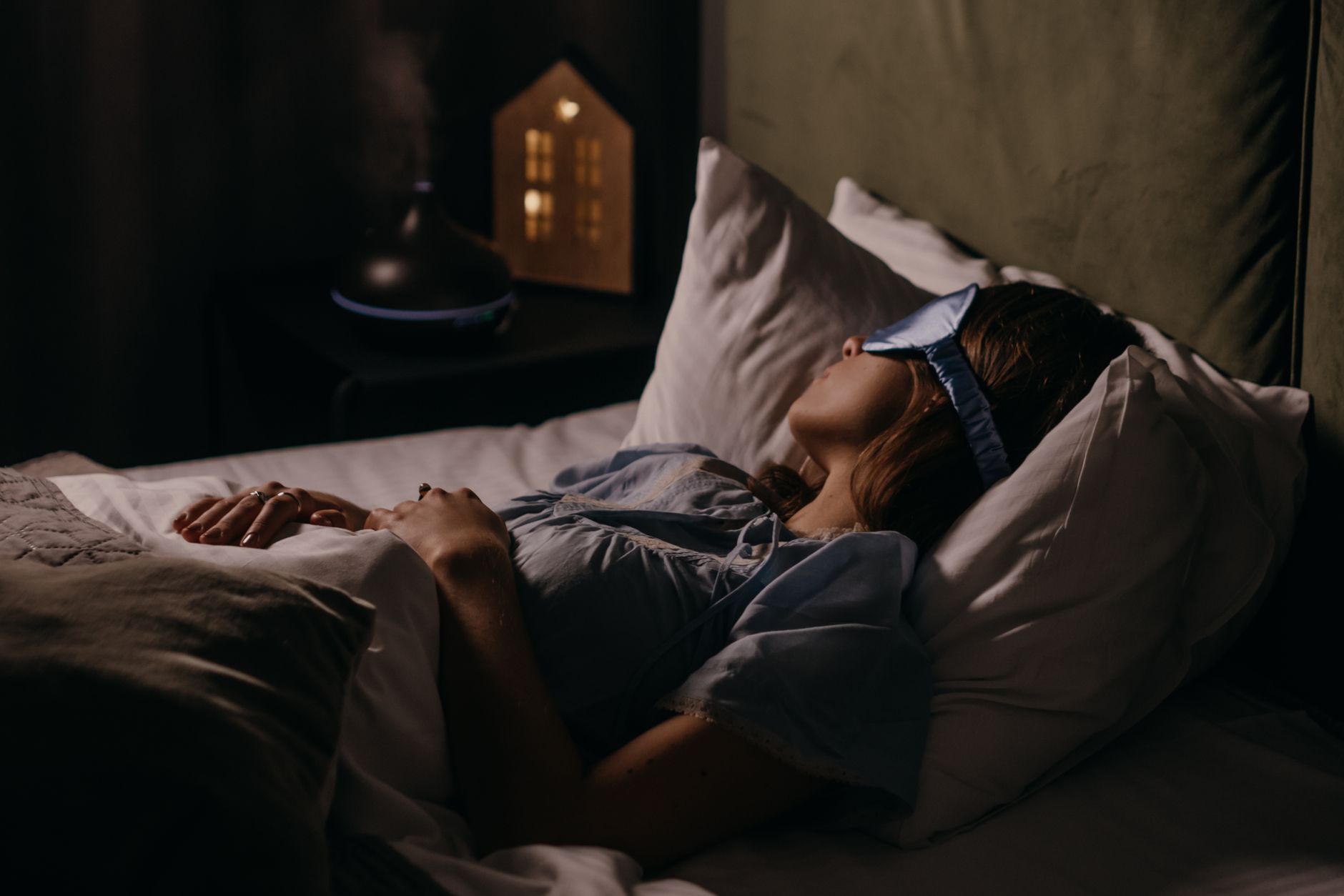
- Installing blackout curtains or eye masks to minimize light disruption from streetlights or early morning sun
- Setting the bedroom temperature between 65-68°F (18-20°C) - Many seniors sleep better in slightly cooler rooms
- Using night lights with warm, dim lighting for safety without disrupting sleep cycles
- Keeping electronic devices out of the bedroom or using blue light filters on necessary devices
- Ensuring adequate ventilation - Fresh air circulation can improve sleep quality
For seniors who experience excessive daytime sleepiness, environmental optimization is often the first step in addressing sleep quality issues.
Noise Reduction
Many older adults become more sensitive to noise as they age, and hearing changes can make certain sounds more disruptive. Consider:
- Using white noise machines or fans to mask disruptive sounds from traffic, neighbors, or household activities
- Installing weather stripping around doors and windows to reduce outside noise infiltration
- Encouraging the use of earplugs if appropriate and comfortable for the senior
- Scheduling household activities during daytime hours to minimize evening disturbances
- Addressing any nighttime sounds like creaky floors or ticking clocks that might seem minor but can disturb light sleepers
Establishing Consistent Sleep Routines
Regular Schedule
A steady wake time is the metronome an aging internal clock relies on; irregular days make for fragmented nights. Caregivers can support this by:
- Encouraging the same bedtime and wake time daily, even on weekends - This helps maintain circadian rhythm stability
- Creating a predictable evening routine that signals sleep time is approaching
- Avoiding napping after 3 PM or limiting naps to 20-30 minutes maximum
- Planning stimulating activities earlier in the day to ensure the evening remains calm and restful
- Gradually adjusting sleep times if changes are needed, shifting by 15-minute increments
A consistent bedtime routine for seniors can significantly improve sleep quality within a few weeks of implementation.
Bedtime Rituals
A calming bedtime routine can signal the body that it's time to sleep. Effective rituals include:
- Gentle stretching or relaxation exercises - Helps release physical tension from the day
- Reading a book or listening to soothing music - Engaging but not overly stimulating activities
- Warm baths or showers (at least 1-2 hours before bed) - The temperature drop afterward promotes sleepiness
- Light snacks if hunger disrupts sleep - Warm milk, bananas, or small portions of turkey can be helpful
- Journaling or gratitude practice - Can help quiet a busy mind before sleep
- Gentle massage or hand-holding - Provides comfort and connection for seniors who feel isolated
Managing Daytime Activities for Better Sleep
Physical Activity
Nighttime sleep is largely built during the day. A walk, sunlight on the face, and a body tired from movement all generate the sleep pressure that pays out after dark. Timing and type matter, so encourage:
- Daily walking or gentle exercise, preferably earlier in the day - Morning or early afternoon is ideal
- Morning sunlight exposure to help regulate circadian rhythms - Even 15-20 minutes can make a difference
- Avoiding vigorous exercise within 3 hours of bedtime - This can increase alertness when winding down is needed
- Chair exercises or bed exercises for those with limited mobility - Any movement is beneficial
- Group exercise classes or walking groups - Combines physical activity with social engagement
Studies from the CDC indicate that older adults who exercise regularly report better sleep quality and shorter time to fall asleep compared to sedentary individuals.
Mental Stimulation
Boredom naps are the enemy of a tired midnight. Mental engagement during the day builds the same sleep pressure as physical movement:
- Engaging in hobbies, puzzles, or social activities - Mental exertion during the day promotes sleepiness at night
- Limiting television and screen time in the evening - The blue light and stimulating content can delay sleep onset
- Avoiding stressful conversations or upsetting news before bed - Creates emotional calm needed for sleep
- Practicing relaxation techniques like deep breathing or meditation - These skills can then be used at bedtime
- Encouraging meaningful daytime activities - Boredom can lead to excessive napping, which disrupts nighttime sleep
Addressing Common Sleep Disruptors
Medication Management
Many medications can affect sleep quality, and seniors often take multiple prescriptions that may interact. Caregivers should:
- Review all medications with healthcare providers regarding timing and side effects - Some medications cause drowsiness, others alertness
- Ensure diuretics are taken earlier in the day to reduce nighttime bathroom trips - This is one of the most common sleep disruptors
- Monitor for medications that may cause insomnia or drowsiness - Including some antidepressants, blood pressure medications, and others
- Keep a medication and sleep log to identify patterns and share with healthcare providers
- Ask about alternative timing or formulations if a medication seems to disrupt sleep
For seniors who experience snoring or breathing difficulties during sleep, medication review should include evaluation for medications that might worsen these conditions.
Fluid and Food Intake
A large share of nighttime awakenings in older adults end with a trip to the bathroom, and the trip itself is where falls happen. Shortening both the urge and the walk pays off double:
- Limiting fluids 2-3 hours before bedtime to reduce bathroom trips - Balance this with adequate daytime hydration
- Avoiding caffeine after 2 PM, including coffee, tea, chocolate, and some medications - Caffeine's effects can last 6-8 hours in older adults
- Limiting alcohol - While it may cause drowsiness initially, it disrupts sleep quality later in the night
- Choosing light, sleep-promoting snacks if needed - Warm milk, bananas, small amounts of turkey, or whole grain crackers
- Avoiding heavy, spicy, or acidic foods close to bedtime - These can cause heartburn or digestive discomfort
Comfort and Pain Management
Physical discomfort often prevents restful sleep, and addressing these issues can dramatically improve sleep quality:
- Ensuring comfortable mattresses and pillows - An old mattress can cause or worsen pain
- Using heating pads or ice packs for pain relief before bed - 15-20 minutes can be effective
- Helping seniors find comfortable sleeping positions - Different positions may help with various conditions
- Coordinating pain medication timing with healthcare providers - Optimal timing can provide relief throughout the night
- Considering sleep position adjustments - Elevating the head may help with breathing or reflux issues
- Addressing temperature-related discomfort - Appropriate bedding and room temperature are essential
Supporting Emotional Well-being
Anxiety and Stress Reduction
Many seniors experience nighttime anxiety or loneliness, which can significantly impact sleep onset and quality. Caregivers can help by:
- Creating a calm, reassuring bedtime environment - A peaceful atmosphere promotes relaxation
- Using relaxation techniques like guided imagery or progressive muscle relaxation - These can be learned and practiced together
- Providing comfort objects or familiar items - Photos, favorite blankets, or sentimental objects
- Establishing a check-in routine that provides security without disruption - Knowing someone will check can reduce anxiety
- Addressing worries earlier in the day - Writing down concerns before bedtime can prevent racing thoughts at night
Addressing Loneliness
Nighttime can feel particularly isolating for seniors living alone or in care facilities, and loneliness has been linked to poor sleep quality:
- Scheduling brief, calming evening visits or calls - Knowing someone will call provides something to look forward to
- Using audio books or podcasts for company - The sound of human voices can be comforting
- Ensuring access to emergency communication if needed - Provides peace of mind
- Creating a sense of safety and security - Checking locks, night lights, and emergency contacts
- Encouraging social activities during the day - This builds meaningful connections and reduces nighttime loneliness
When to Seek Professional Help
Caregivers should contact healthcare providers if sleep problems persist despite these interventions, especially if the senior experiences:
- Loud snoring or gasping during sleep (possible sleep apnea) - This condition requires medical evaluation
- Restless legs syndrome symptoms - An uncomfortable urge to move legs, especially in evening
- Waking up frequently with shortness of breath or chest pain - May indicate cardiovascular issues
- Significant daytime fatigue or confusion - Could signal poor sleep quality or other health concerns
- Sudden changes in sleep patterns - May indicate underlying medical or psychological conditions
- Frequent falls during the night - May be related to sleep disorders or medication effects
Understanding how aging affects sleep patterns can help caregivers recognize when changes are normal versus when medical attention is needed.
Caregiver Self-Care
You cannot listen for footsteps through the wall every night and stay whole doing it. A caregiver whose own sleep is gone cannot keep making the nights safer for someone else, so:
- Prioritize their own sleep needs - Sleep-deprived caregivers cannot provide optimal support
- Share caregiving responsibilities when possible - Nighttime care can be particularly demanding
- Use respite care services for breaks - Professional help can prevent caregiver burnout
- Practice stress management techniques - Meditation, exercise, or counseling can help manage the emotional demands of caregiving
- Join caregiver support groups - Sharing experiences with others in similar situations can be invaluable
Frequently Asked Questions
How long should it take for sleep interventions to show results?
Most sleep interventions require 2-4 weeks of consistent implementation before showing significant results. Environmental changes may produce immediate benefits, while behavioral changes take longer to establish. Document progress in a sleep diary to identify improvements.
What if the senior refuses to follow a sleep schedule?
Start with small, gradual changes rather than imposing a complete routine immediately. Involve the senior in planning their schedule, and emphasize the benefits they care about most. Some flexibility may be necessary, but consistency remains important.
Should caregivers wake seniors who sleep too much during the day?
If daytime napping exceeds 30 minutes or occurs after 3 PM, gentle encouragement to stay awake may help. However, if excessive daytime sleepiness is new or worsening, consult a healthcare provider to rule out underlying conditions like depression or sleep apnea.
How can caregivers help seniors with dementia sleep better?
Maintain a very consistent routine, maximize daytime light exposure, minimize evening stimulation, and ensure physical comfort. Limit caffeine completely, and consider whether nighttime confusion might indicate delirium requiring medical attention.
What role does diet play in senior sleep quality?
Diet significantly impacts sleep. Encourage balanced meals, adequate protein during the day, limited sugar, and avoidance of heavy meals within 3 hours of bedtime. Some seniors benefit from small evening snacks to prevent hunger from disrupting sleep.
Can supplements help seniors sleep better?
Some supplements like melatonin may help certain seniors, but effects vary widely. Always consult healthcare providers before starting any supplements, as they can interact with medications. Natural approaches should be tried first.
How do caregivers manage their own sleep while providing nighttime care?
Rotate nighttime responsibilities with other family members or professional caregivers when possible. Use sleep when the senior sleeps, and consider hiring overnight help if sleep deprivation becomes chronic. Self-care is not optional—it's essential.
What if the senior has to use the bathroom frequently at night?
First, rule out medical causes with a healthcare provider. Then implement strategies: limit evening fluids, ensure adequate daytime hydration, use bedside commodes to reduce trips, and consider protective bedding. Some medications increase urination and timing adjustments may help.
Key Takeaways
- Consistent sleep schedules and calming bedtime routines significantly improve senior sleep quality
- Environmental factors like light, temperature, and noise play crucial roles in sleep quality
- Daytime activities, including exercise and mental stimulation, support better nighttime rest
- Medication timing and management can reduce sleep disruptions
- Caregivers should monitor for signs that require professional medical intervention
- Caregiver self-care is essential for sustainable, effective support
Related Articles
- Best Bedtime Routine for Seniors
- How Much Sleep Do Seniors Need After 70?
- Is Snoring Dangerous?
- Sleeping Too Much in Old Age
- Snoring and Aging
References
-
National Institute on Aging. (2024). Sleep and Aging: Getting a Good Night's Sleep. Retrieved from https://www.nia.nih.gov/health/sleep/good-nights-sleep
-
Centers for Disease Control and Prevention. (2024). Sleep and Sleep Disorders in Older Adults. Retrieved from https://www.cdc.gov/sleep/about_sleep/older_adults.html
-
National Sleep Foundation. (2024). Sleep Tips for Older Adults. Retrieved from https://www.sleepfoundation.org/aging-and-sleep
-
American Academy of Sleep Medicine. (2023). Sleep Changes with Age. Retrieved from https://aasm.org/resources/factsheets/sleep.pdf
-
Ancoli-Israel, S. (2009). Sleep and its disorders in aging populations. Sleep Medicine, 10(1), S7-S11.
-
Harvard Health Publishing. (2024). Sleeping Well as You Age. Retrieved from https://www.health.harvard.edu/aging/sleeping-well-as-you-age
-
Family Caregiver Alliance. (2024). Caregiving and Sleep. Retrieved from https://www.caregiver.org/resource/caregiving-and-sleep/
-
Mayo Clinic. (2024). Sleep Tips: 6 Steps to Better Sleep. Retrieved from https://www.mayoclinic.org/healthy-lifestyle/adult-health/in-depth/sleep/art-20048379
Disclaimer: This information is for educational purposes only and should not replace professional medical advice. Consult healthcare providers for personalized guidance about sleep concerns.