📌Key Takeaways
- Short naps of 10-30 minutes may improve alertness, mood, and cognitive function in adults over 60
- Long naps over 60 minutes may disrupt nighttime sleep and are linked to higher risks of diabetes, heart disease, and cognitive decline
- The ideal nap window is early afternoon (1-3 PM), aligned with the natural circadian energy dip
- Napping is generally discouraged for people with insomnia because it reduces nighttime sleep pressure
- Sudden increases in napping or napping despite good nighttime sleep may signal underlying conditions like sleep apnea or depression
Quick Answer
Is napping good or bad for seniors? Napping after 60 is neither universally good nor bad—it depends on how long you nap, when you nap, and why you feel the need to nap. Short "power naps" of 10-30 minutes taken in the early afternoon may improve alertness, memory, and mood without disrupting nighttime sleep. Long naps (over 60 minutes), late-day naps, or napping despite sleeping well at night may interfere with nighttime rest and can sometimes signal an underlying health issue.
What to do first: Before napping, ask yourself whether you are genuinely tired or simply bored or inactive. If you have a sudden increase in napping need, snore loudly, or feel exhausted despite 7-8 hours of nighttime sleep, talk with your healthcare provider—these patterns may point to sleep apnea, insomnia, or another treatable condition rather than normal aging.
Napping After 60
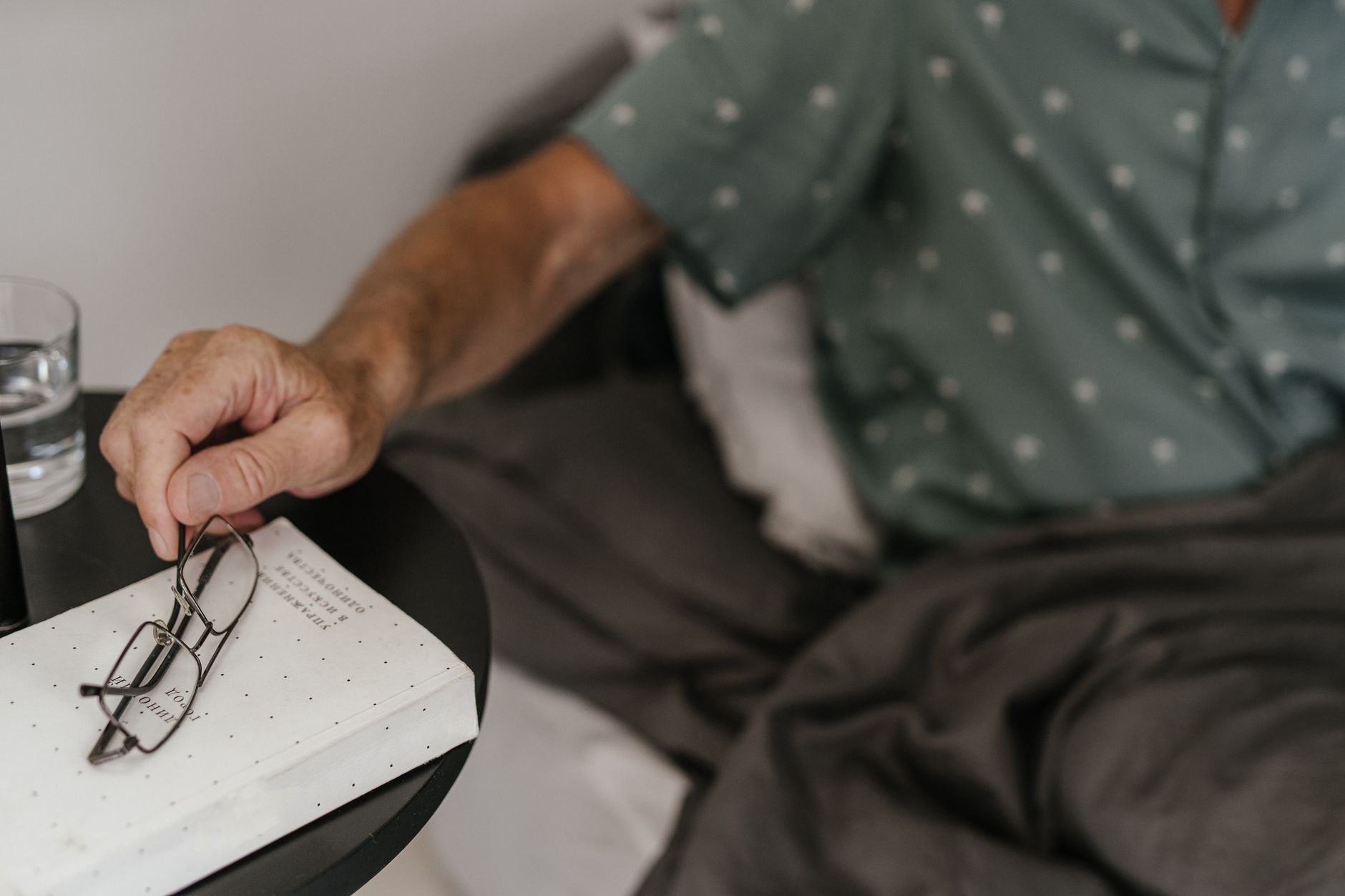
There are two kinds of afternoon naps after 60, and they look nothing alike. One is the 20-minute doze in the armchair after lunch—alarm set, shoes still on—that ends with you waking sharper and going to bed at your usual hour. The other is the disappearance: television on at 2, curtains drawn, and you surface at 4 wondering where the day went, then pay for it during the first hour of tonight's sleep. The nap itself is rarely the problem. Length and timing decide whether a nap restores you or quietly borrows against the night, and a sudden need for long naps can be a signal worth listening to.
Research on napping in older adults shows mixed results. Some studies find benefits for cognitive function and alertness, while others link long naps to health problems. According to the National Sleep Foundation, brief naps can boost alertness and performance, while the National Institute on Aging cautions that excessive daytime sleepiness may be a sign of an underlying health issue rather than a normal part of aging.
What decides the outcome is when you nap, how long you nap, and why the urge is there in the first place. For a broader look at how sleep changes with age, see our guide to sleep after 60.
Napping at a Glance: Pros vs. Cons
| Potential Benefits (Short, Well-Timed Naps) | Potential Risks (Long or Late Naps) |
|---|---|
| Improved alertness and reaction time | Reduced sleep pressure at bedtime |
| Better memory consolidation and learning | Difficulty falling asleep at night |
| Reduced fatigue and improved mood | Fragmented nighttime sleep |
| Lower stress and reduced inflammation | Sleep inertia (grogginess after waking) |
| May support cardiovascular health (short naps) | Long naps linked to higher mortality in some studies |
| Better driving safety and fewer accidents | May signal sleep apnea, depression, or other conditions |
| Compensation for mild sleep deprivation | Increased fall risk on waking from deep sleep |
Why Napping Increases with Age
The Aging Sleep Cycle
A few changes in how sleep is built after 60 make a daytime doze more likely:
- Less deep (slow-wave) sleep
- More fragmented nighttime sleep
- Earlier wake times and circadian rhythm shifts
- Reduced sleep efficiency
- More nighttime awakenings (see why seniors wake up at night)
Why Older Adults Feel Sleepy During the Day
- Compensating for poor night sleep
- Natural circadian rhythm changes
- Medication effects
- Medical conditions
- Boredom, inactivity, and reduced stimulation
The "Afternoon Dip"
Early afternoon brings a genuine lull in the circadian rhythm—body temperature dips and melatonin ticks up slightly—making 1-3 PM a natural window for rest. The dip grows more pronounced with age, but it is a scheduled pause in alertness, not the same drive as nighttime sleepiness.
Lifestyle Factors
- Retirement and unstructured days
- Less physical activity (see exercise and sleep quality)
- Reduced social engagement
- More time available and fewer obligations
- Habit formation over time
Normal Versus Problematic Napping
Before deciding whether to nap, it helps to know which pattern you're actually in.
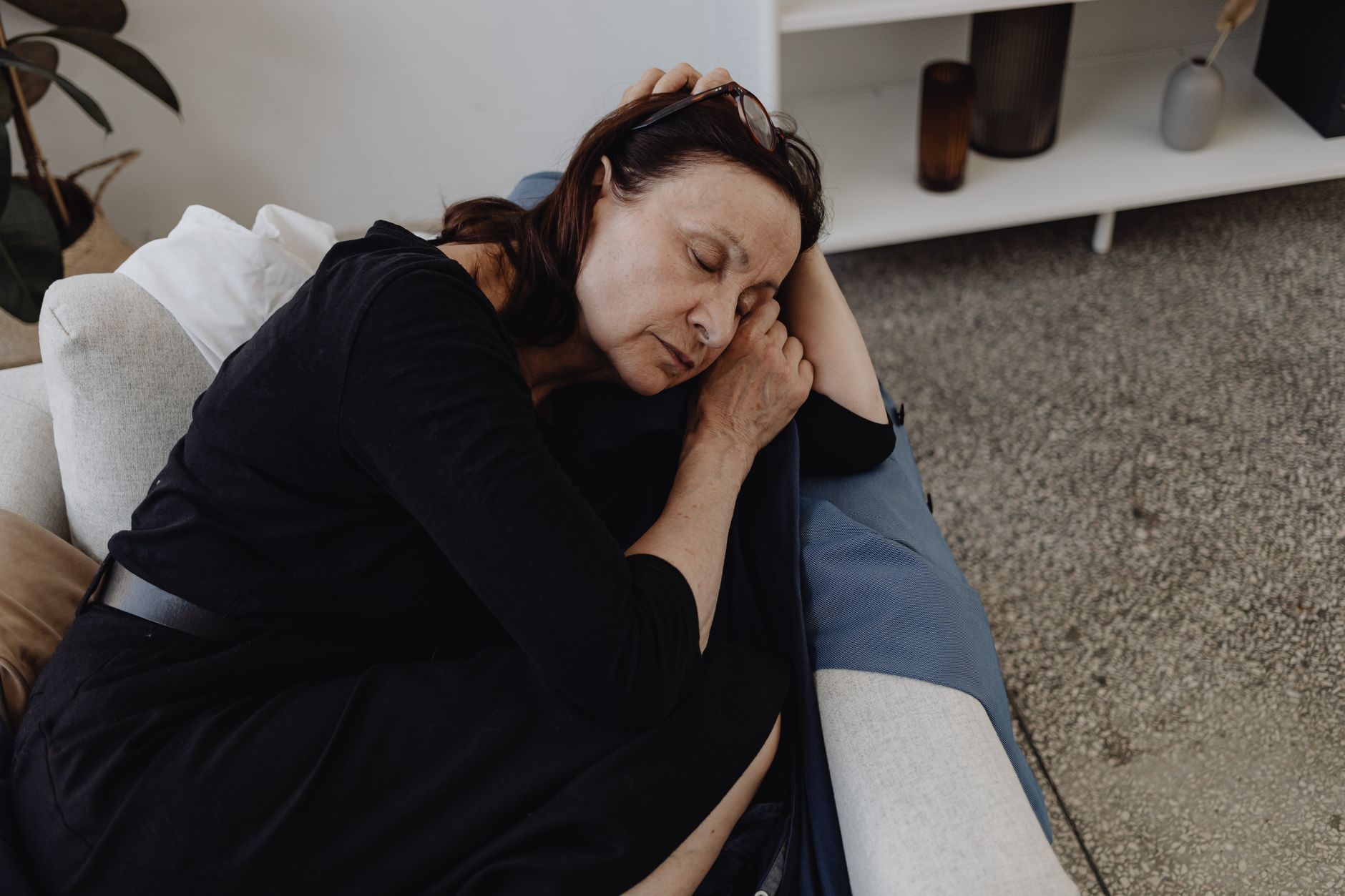
Normal napping is the chair nap: brief (20-30 minutes), taken when you're genuinely sleepy, over before you sink into deep sleep, and followed by a normal bedtime. It shows up after a rough night or while recovering from illness and stays occasional rather than becoming a daily requirement.
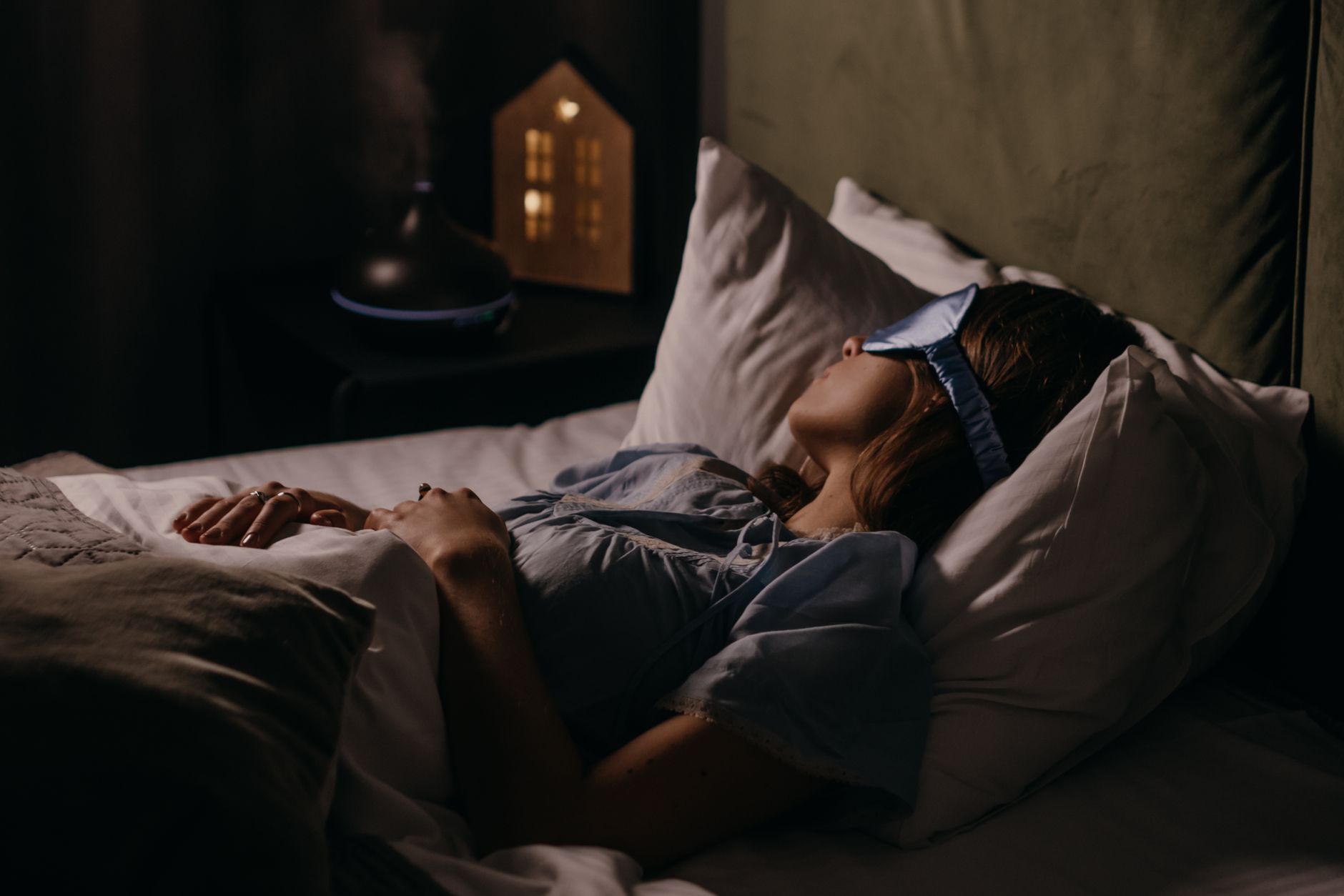
Problematic napping is the disappearing act: long sleeps (over 60 minutes) most days, often in a darkened bedroom, used to patch severe nighttime loss or taken even though you slept adequately. If the nap becomes the part of the day you plan around—or the need for it appears suddenly—a conversation with your healthcare provider may be worthwhile.
Potential Benefits of Napping
When Napping Helps
Kept short and early, a nap spends very little of the sleep pressure you need for tonight while still paying back something during the day:
Cognitive Benefits
- Improved alertness and reaction time
- Better memory consolidation
- Enhanced learning and creativity
- Better decision-making and reduced errors
Physical Benefits
- Reduced fatigue and improved mood
- Lower stress and reduced inflammation
- Better immune function
- Possible cardiovascular benefits (short naps only)
Performance Benefits
- Better driving safety
- Improved attention span and task performance
- Greater afternoon productivity
- Energy to engage in social activities
Research Findings
- Short naps (20-30 minutes) improve alertness, per the American Academy of Sleep Medicine.
- Regular short naps may reduce heart disease risk in some studies.
- Napping can compensate for mild sleep deprivation.
- Benefits are most pronounced for those with nighttime sleep issues.
- Timing matters as much as duration.
Potential Risks of Napping
When Napping May Be Harmful
The costs show up mostly when naps run long or late:
Sleep Disruption
- Reduces sleep pressure for nighttime
- Makes falling asleep harder
- Can fragment nighttime sleep
- May worsen insomnia in older adults
Health Concerns
- Long naps linked to increased mortality in some studies
- Associated with elevated diabetes risk
- May indicate underlying health problems
- Linked to cardiovascular issues (long naps)
- Associated with cognitive decline (excessive napping)
Daytime Functioning
- Sleep inertia (grogginess after waking)
- Reduced motivation and less physical activity
- Social isolation and depression symptoms
Warning Signs
- Needing multiple naps daily
- Napping longer than 1 hour regularly
- Napping late in the day
- Napping despite good nighttime sleep
- Feeling unrefreshed after napping
- Napping interfering with activities
The Napping Sweet Spot
How to Nap Effectively
The goal is genuine rest without dropping far enough into sleep that tonight pays the debt. Use this table as a quick reference:
| Nap Length | Sleep Stage | Benefits | Drawbacks | Best For |
|---|---|---|---|---|
| 10-20 min | Light sleep | Alertness, minimal grogginess | Limited deep restoration | Most situations, daily use |
| 30-60 min | Light + some deep | More restorative, deeper recovery | Sleep inertia upon waking | Significant sleep debt |
| 90+ min | Full sleep cycle | Complete cycle, memory processing | Hard to wake, may disrupt night | Illness recovery only |
Best Time to Nap
- Early afternoon (1-3 PM) is ideal.
- Aligns with the natural circadian dip.
- Allows recovery before evening without interfering with bedtime.
- Maintain a consistent nap time when possible.
- Avoid napping after 3 PM; later naps are more likely to disrupt nighttime sleep.
- Keep at least 6 hours between your nap and your usual bedtime.
Caffeine and Napping: The "Caffeine Nap"
The Strategic Combination
Some research suggests a "caffeine nap" can boost alertness more effectively than either caffeine or napping alone:
- How it works: Drink a cup of coffee, then immediately nap for 15-20 minutes. Caffeine takes about 20 minutes to peak, so you wake just as it kicks in.
- Why it helps: The short nap clears adenosine (the sleepiness chemical) while caffeine begins blocking adenosine receptors.
- Best timing: Early afternoon only; avoid late-day caffeine that may disrupt nighttime sleep.
- Not for everyone: People sensitive to caffeine, those with anxiety, or those taking certain medications should skip this approach.
Limiting Afternoon Caffeine
- Caffeine can stay in your system for 5 or more hours.
- Avoid caffeine after noon if you struggle with nighttime sleep.
- Caffeine may reduce nap quality if consumed too close to resting.
- Individual tolerance varies—listen to your body.
For guidance on sleep aids that may complement your routine, see our article on melatonin for seniors.
Who Should and Shouldn't Nap
Individual Considerations
Napping May Help If
- You have fragmented nighttime sleep
- You're recovering from illness
- You have a sleep disorder being treated
- You're temporarily sleep-deprived
- You feel genuinely tired (not bored)
- Napping doesn't affect your night sleep
Napping May Not Help If
- You have insomnia (napping reduces sleep pressure)
- You have depression
- Napping makes it hard to fall asleep at night
- You nap out of boredom, not tiredness
- You have diabetes (consult your doctor)
- You nap excessively without a clear reason
Special Considerations
- Sleep apnea: Napping while untreated may increase health risks; CPAP therapy often reduces nap need. Learn more about what sleep apnea is.
- Heart disease: Discuss napping with your doctor.
- Diabetes: Monitor how naps affect blood sugar.
- Depression: Napping may worsen symptoms.
- Dementia: Napping may increase confusion—keep naps short and early.
- Restless legs syndrome: Nighttime disruption may drive daytime sleepiness; see our guide to restless legs syndrome in seniors.
- Medications: Check timing of sedating medications.
Creating a Healthy Nap Routine
Strategic Napping
How to nap well:
Before Napping
- Check whether you're truly tired versus bored.
- Consider alternatives (a walk, light activity, social interaction).
- Set an alarm for 20-30 minutes.
- Choose the right time (early afternoon preferred).
- Prepare a comfortable, dark, quiet space.
During the Nap
- Find a quiet, dark space—use curtains, an eye mask, or earplugs.
- Keep the room at a comfortable temperature.
- Use a recliner, couch, or bed.
- Remove distractions (phone, TV).
- Set an alarm to prevent oversleeping.
After Napping
- Get up promptly when the alarm sounds.
- Give yourself 5 minutes to wake fully.
- Get bright light to reset alertness—see our guide on morning sunlight and sleep quality.
- Move around and drink water.
- Resume activities gradually.
Alternatives to Napping
- Light exercise or a brisk walk
- Social interaction or a phone call
- An engaging hobby
- Getting outside for fresh air
- Changing activities
- A healthy snack with protein
When Excessive Napping Signals Problems
Beyond Normal Sleepiness
Red flags to address with a healthcare provider:
Medical Conditions That May Increase Napping
- Sleep apnea
- Depression
- Heart disease
- Diabetes
- Thyroid disorders
- Anemia
- Chronic fatigue
- Medication side effects
Signs to Discuss with Your Doctor
- Sudden increase in napping need
- Napping despite adequate night sleep
- Feeling exhausted after napping
- Napping more than 2 hours daily
- Napping interfering with daily life
- Other new symptoms
What to Report
- How often you nap
- How long naps last
- Time of day
- Nighttime sleep quality
- Other symptoms
- All medications
Evaluation May Include
- Sleep study
- Blood tests
- Depression screening
- Medication review
- Thyroid function and heart evaluation
Tracking your patterns can help—see our guide to sleep tracking for older adults.
Napping vs. Sleep Disorders
Distinguishing Normal from Problematic
Normal Age-Related Napping
- Occasional short nap
- Feels restorative
- Doesn't disrupt night sleep
- Related to activity level
- Improves function
Sleep Disorder Signs
- Excessive daytime sleepiness
- Needing to nap despite good night sleep
- Snoring or witnessed breathing pauses
- Difficulty staying awake during activities
- Feeling unrefreshed after sleep
- Mood changes
When to See a Sleep Specialist
- Persistent excessive sleepiness
- Witnessed breathing pauses
- Chronic insomnia
- Unusual behaviors during sleep
- Napping doesn't help
- Quality of life affected
Napping and Medications
Drug Effects on Daytime Sleepiness
Medications That May Cause Drowsiness
- Antihistamines
- Blood pressure medications
- Antidepressants and antianxiety medications
- Pain medications
- Sleep medications
Timing Matters
- Take sedating medications at bedtime when possible.
- Ask your doctor about timing adjustments.
- Don't stop medications without guidance.
- Review all medications annually.
- Discuss deprescribing when appropriate.
Napping Tips for Specific Situations
After Poor Night's Sleep
- Take a short nap (20-30 minutes) in the early afternoon.
- Don't oversleep to "catch up."
- Resume your normal schedule.
- Avoid late caffeine.
- Get morning light the next day.
During Illness Recovery
- Rest as needed; longer naps are okay.
- Listen to your body.
- Stay hydrated.
- Return to normal activity gradually.
For Caregivers
- Nap when the care recipient naps.
- Take short, restorative naps with an alarm.
- Arrange backup support.
- Self-care is essential.
With Dementia
- Napping may increase confusion.
- Prefer short naps in the early afternoon only.
- Keep a consistent schedule.
- Monitor for sundowning.
Sleep Environment Matters
A comfortable sleep setup supports both nighttime rest and quality naps. If aches or discomfort interfere with resting, review our guides to the best mattress for seniors and the best pillows for seniors. For a complete checklist of sleep-supportive habits, see our sleep hygiene checklist for seniors and our overview of how much sleep older adults need.
Key Takeaways
- Napping becomes more common with age due to changes in sleep patterns, lifestyle, and health.
- Short naps (10-30 minutes) may improve alertness, mood, and cognitive function.
- Long naps (over 60 minutes) may disrupt nighttime sleep and signal health problems.
- The best time to nap is early afternoon (1-3 PM), aligning with natural energy dips.
- Napping may not be appropriate for those with insomnia, depression, or certain health conditions.
- If you need to nap despite good nighttime sleep, discuss it with your doctor—it may indicate an underlying issue.
- Create a healthy nap routine: set an alarm, nap in a comfortable space, and wake promptly.
- Consider alternatives to napping if you're bored rather than genuinely tired.
- Excessive or sudden increases in napping warrant medical evaluation.
- The key is strategic, intentional napping rather than default daytime sleeping.
Disclaimer: This information is for educational purposes only and should not replace professional medical advice. Sleep needs vary by individual. Consult with healthcare providers about persistent sleep problems or excessive daytime sleepiness.
Related Articles
- Sleep After 60: What Changes - Understanding age-related sleep shifts
- How Much Sleep Do Older Adults Need? - Sleep requirements by age
- Why Seniors Wake Up at Night - Common nighttime awakenings
- Sleep Hygiene Checklist for Seniors - Practical sleep tips
- What Is Sleep Apnea? - When snoring is more than snoring
- Insomnia in Older Adults - When you can't fall or stay asleep
- Melatonin for Seniors - Natural sleep aid guidance
- Exercise and Sleep Quality - How movement supports sleep
- Restless Legs Syndrome in Seniors - Nighttime leg discomfort
- Morning Sunlight and Sleep Quality - Light and circadian rhythms
- Best Mattress for Seniors - Comfortable sleep surfaces
- Best Pillow for Seniors - Supportive pillow choices
- Sleep Tracking for Older Adults - Monitoring sleep patterns
References
- National Sleep Foundation. (2024). Napping. https://www.sleepfoundation.org/sleep-topics/napping
- National Institute on Aging. (2024). A Good Night's Sleep. https://www.nia.nih.gov/health/sleep-good-nights-sleep
- American Academy of Sleep Medicine. (2024). Sleep Education: Napping. https://aasm.org/
- Mayo Clinic. (2024). Napping: Do's and Don'ts for Healthy Adults. https://www.mayoclinic.org/healthy-lifestyle/adult-health/in-depth/nap/art-20048319
- National Institutes of Health. (2024). Sleep and Sleep Disorders. https://www.nhlbi.nih.gov/health/sleep
- Harvard Health Publishing. (2024). The Pros and Cons of Napping. https://www.health.harvard.edu/
- Sleep Medicine Reviews. (2024). Napping and Health Outcomes in Older Adults.
- Journal of Clinical Sleep Medicine. (2024). Napping Patterns and Cognitive Function in Aging.