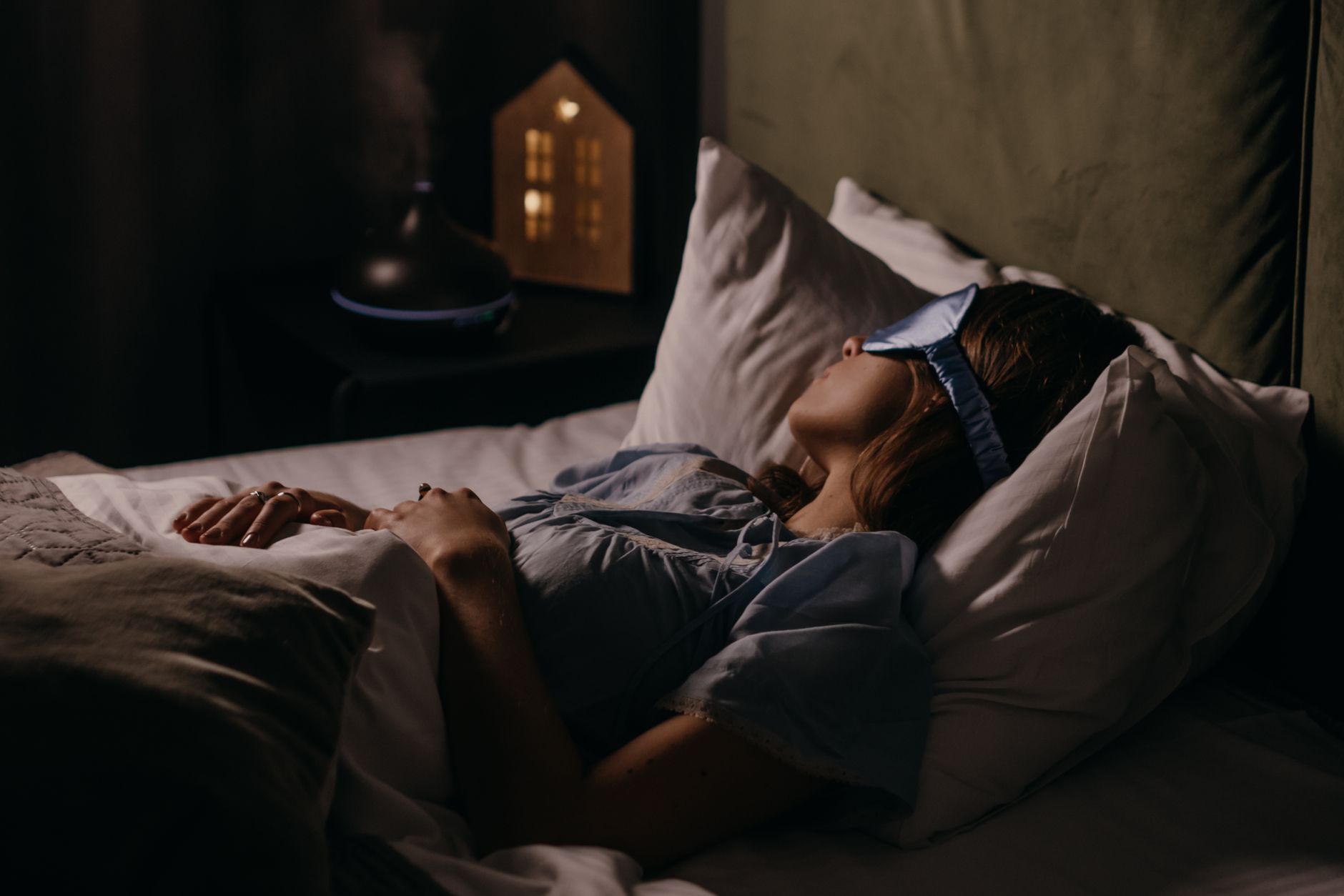
Frequent Nighttime Urination and Sleep
The digital clock shows 1:47 AM, and you are already standing by the bed debating whether this time really counts. By 4:05 AM, you are up again, wondering if the cup of herbal tea an hour before bed was really worth it. Composite clinical scenario (illustrative). A 74-year-old with well-managed hypertension and mild benign prostatic enlargement was waking an average of three times per night for over a year. He had tried cutting coffee and evening fluids without success. At a routine checkup, his provider noticed that his diuretic was being dosed at 6 PM, and shifting it to 8 AM reduced his nighttime trips from three to one without any change in his blood pressure control.
Waking two or more times per night to urinate — a condition known clinically as nocturia — affects more than half of adults over age 60 and becomes progressively more common with each decade after that. The Journal of Urology reports that among adults 80 and older, the prevalence approaches 80% in both women and men. Despite this frequency, nocturia should not be dismissed as "just what happens when you get older." It is a modifiable symptom that directly degrades sleep quality, increases next-day fatigue, measurably elevates fall risk during nighttime bathroom excursions, and often signals underlying conditions ranging from easily reversible medication timing to more serious chronic disease.
This guide explains what separates normal age-related nighttime bathroom frequency from clinically significant nocturia, outlines the most common physiological and disease-related causes in adults after 60, and provides evidence-based lifestyle steps you can implement this week to reduce trips, including fluid timing, sodium reduction, leg elevation, and structured pelvic floor exercises. You will also learn the specific red-flag symptoms that require prompt medical evaluation, how to stay safe during nighttime bathroom transitions, and what to expect from a medical workup when self-care is not enough.
📌Key Takeaways
- 临床定义的夜尿是指每晚≥2次的有意义排尿,而非一次半夜起身或少量滴尿。
- 首先排查可逆原因:利尿剂服药时间、傍晚咖啡因/酒精、晚餐高盐、睡前两小时内大量饮水。
- 下半身水肿者可在傍晚平躺时抬高双腿1-2小时,让液体在睡前而不是睡眠中被肾脏处理。
- 夜间起夜的跌倒风险极高,必须留好小夜灯、清理通道、不催促自己,必要时床边放置坐便器。
- 出现血尿、尿痛、发热、突发尿频加剧或伴体重下降与持续口渴,不要自行处理,尽快就医。
Understanding Nocturia: What Counts and What Does Not
The first step in managing nocturia is distinguishing it from normal, age-appropriate bladder function. Nighttime urination exists on a spectrum, and not every single trip to the bathroom warrants concern. The International Continence Society definition of nocturia — at least two voids per night, each preceded and followed by sleep — is a useful clinical threshold because it represents the point where sleep fragmentation, daytime fatigue, and fall risk begin to rise measurably above background levels.
It is also important to distinguish nocturia from other lower urinary tract symptoms that may overlap. Urgency nocturia describes the situation where the primary sensation is a sudden, compelling need to urinate that wakes the person from sleep, rather than a gradual awareness of a moderately full bladder. Mixed patterns are common, especially in adults with coexisting overactive bladder and benign prostatic enlargement or pelvic floor changes. When you seek care, describing what the sensation feels like — gradual fullness versus urgent, painful, or both — helps your provider narrow the likely causes.
The impact of nocturia on sleep is often underestimated in casual conversations. A single 90-second bathroom trip may sound trivial, but returning to sleep afterward frequently takes 15 to 30 minutes or longer, especially if urgency or anxiety about falling adds arousal. Over the course of a week, three nightly trips can easily add up to five or more hours of lost or fragmented sleep, accumulating a sleep debt that shows up as daytime fatigue, irritability, and impaired attention.
起床如厕的跌倒风险:留小夜灯、别着急
美国CDC基于社区老年人跌倒监测数据指出,夜间从床上到卫生间的途中是跌倒发生率最高的室内场景之一,且这类跌倒更易造成骨折和头部外伤。原因有三:睡眠惯性使人在最初几分钟内判断和运动协调能力下降;紧急尿意容易催促匆忙起身;夜间即使是熟悉的家居环境,也可能因光线不足而忽视地毯边缘、拖鞋或门槛。简单但有效的对策:在卧室、走廊、卫生间安装感应式或常开式暖光小夜灯;在床上先坐30秒,再站30秒,然后再迈步;即使感到紧急,也不要奔跑或跨步;如果通道较长或已有平衡问题,考虑在床边放一把坐便椅,以完全避免夜间走廊通行。
The Most Common Causes of Nocturia in Adults Over 60
Nocturia rarely has a single cause. More often, it reflects a combination of age-related physiological changes, lifestyle factors, underlying chronic disease, and medication effects. Working systematically through the categories below usually reveals at least two or three contributors that can be modified.
Age-Related Physiological Changes
Several normal age-related changes predispose older adults to more frequent nighttime urination even in the absence of a diagnosable disease. Bladder smooth muscle and connective tissue change over time, reducing functional capacity so the bladder reaches its urge-to-void threshold at smaller volumes. The kidneys lose a modest degree of concentrating ability, meaning more dilute urine is produced overnight. Production and response to antidiuretic hormone, which normally reduces urine output during sleep, declines in many people after 60. Finally, age-related changes in sleep architecture mean that lighter sleep stages allow the brain to attend to bladder signals that would have been suppressed during deeper sleep in younger years.
Lifestyle and Modifiable Behavioral Factors
Lifestyle factors are among the most reversible contributors to nocturia and should be addressed first in almost every case. Drinking large volumes of fluid in the two hours before bed, even water, directly increases overnight urine output. Caffeine and alcohol are both mild diuretics and bladder irritants; a single alcoholic drink with dinner can increase nighttime urine output by roughly 20% in sensitive individuals. High-sodium evening meals promote water retention during the night, which the kidneys then excrete a few hours later, producing larger urine volumes in the early morning hours. Even herbal teas, evening soups, and sugary desserts can add more fluid and solute than people realize when counted casually.
Medication Timing and Pharmacological Effects
Medication effects are the single most underrecognized reversible cause of nocturia in older adults. Diuretics, also called water pills, are the classic example. If a loop or thiazide diuretic is dosed after roughly 2 PM, its peak effect will often occur during the evening or overnight hours rather than during the day, producing the exact opposite of the intended convenience. Several other medication classes contribute less directly: some calcium channel blockers used for blood pressure can promote ankle edema that is mobilized at night; some alpha blockers used for prostate symptoms relax the bladder neck in ways that increase perceived urgency; and SSRIs, NSAIDs, and decongestants can all irritate the bladder or alter fluid handling in susceptible individuals.
Chronic Medical Conditions That Contribute
A large number of chronic diseases commonly seen after 60 either directly cause or indirectly worsen nocturia. Diabetes mellitus, particularly when blood sugar control is suboptimal, increases urine output through osmotic diuresis from excess glucose in the urine. Hypertension and chronic heart failure alter renal perfusion and fluid handling, often increasing the proportion of total daily urine produced during sleep. Benign prostatic hyperplasia (BPH) in men increases residual urine, reduces flow, and produces secondary bladder changes that lower functional capacity. Obstructive sleep apnea (OSA) has a bidirectional relationship with nocturia: repeated arousals from OSA increase perceived bladder sensations, and intermittent hypoxemia alters intrarenal blood flow in ways that increase urine output overnight. Finally, chronic kidney disease, overactive bladder syndrome, and pelvic floor dysfunction in women all contribute independently or in combination.
📋夜尿评估自查清单
0/8 completed- 过去14天内平均每晚起夜≥2次,且每次都是明显排尿量而非几滴?
- 晚餐和睡前2-3小时内是否有大量饮水、喝汤、饮酒或饮用含咖啡因饮料?
- 是否在下午2点后服用利尿剂或其他可能有利尿作用的药物?
- 晚餐是否偏咸,含大量加工肉制品、酱菜、罐装汤或外卖等高钠食物?
- 傍晚或睡前是否出现双踝或小腿水肿,按压后是否有凹陷?
- 是否伴有尿急、尿线变细、排尿不尽感、尿中带血、排尿疼痛或发热?
- 近1-3个月是否出现持续口渴、多饮、体重减轻等高血糖相关症状?
- 床伴是否反映夜间打鼾严重、有呼吸停顿或憋醒,提示可能存在OSA?
Lifestyle and Behavioral Interventions: Where to Start This Week
The evidence is clear that lifestyle changes work for many cases of nocturia, and they are low-risk, low-cost, and compatible with almost any medical treatment plan. The strategies below are ordered from simplest to most structured so you can add them one at a time and measure the difference.
Fluid Timing and Composition
The foundational lifestyle intervention is to shift most of your daily fluid intake to the earlier part of the day. Front-loading fluids — drinking most of your water, herbal tea, and other non-caffeinated beverages between 7 AM and 5 PM — reduces the need for the kidneys to process large volumes overnight. In the two to three hours before bed, limit intake to small sips of water only when genuinely thirsty, and avoid soups, smoothies, and juicy fruits such as watermelon or oranges close to bedtime. For people who worry about dehydration during the day, using a water bottle with time-based markers in the morning and early afternoon is an easy way to ensure adequate intake without adding late-day volume.
Sodium Reduction and Evening Meal Choices
Excess sodium intake is an underappreciated driver of nocturia because the body retains water to dilute sodium, and then excretes both during the night. One small randomized study published in Nephron found that reducing dietary sodium by roughly 1,000 mg per day — the equivalent of about one-half teaspoon of salt or one heavily processed frozen dinner — reduced nighttime voids by approximately one per night in older adults with otherwise unexplained nocturia. Practical dinner-time swaps include avoiding canned soups and fast food, choosing fresh or frozen vegetables instead of canned, and not adding extra salt at the table for the evening meal.
Leg Elevation for Ankle Edema and Venous Insufficiency
For adults who notice swelling around the ankles by the end of the day, lying flat with the legs elevated above heart level for 30 to 60 minutes during the late afternoon or early evening mobilizes pooled interstitial fluid earlier, so it is processed by the kidneys before bedtime rather than during the first few hours of sleep. Some people find that compression stockings worn during the day also reduce the total amount of fluid that pools and therefore needs to be excreted overnight, though evidence on stockings specifically for nocturia is mixed.
Pelvic Floor Muscle Training for Both Women and Men
Pelvic floor exercises, commonly known as Kegels, are most often associated with stress incontinence in women, but they benefit both sexes when nocturia has an overactive bladder or urgency component. The correct technique involves contracting the muscles you would use to stop a urinary stream midflow, holding the contraction for several seconds, then relaxing for an equal interval. Many people perform them incorrectly by squeezing the abdominals, buttocks, or thighs instead of the true pelvic floor muscles. If you are uncertain whether you are doing them right, a single session with a pelvic floor physical therapist is often covered by insurance with a referral and can save months of ineffective practice. Once technique is confirmed, a typical regimen is three sets of 10 slow and controlled contractions per day, with measurable improvements usually appearing between six and twelve weeks.
Double Voiding Before Bed
A simple behavioral trick that helps some older adults, particularly men with prostatic enlargement or women with a mild degree of incomplete emptying, is double voiding immediately before bed. Urinate once normally, then wait one to two minutes, walk a few steps, sit back down, and try again. The second void empties any residual urine that would otherwise accumulate in the bladder during the first half of the night and produce a premature urge to get up.
Safety and Home Environment During Nighttime Bathroom Trips
Even modest reductions in nocturia can take time, and you should not wait for improvement before addressing fall risk. The combination of sleep inertia, dim lighting, and urgency creates a high-risk window every time you get up. Below is a concise list of evidence-based home adjustments that significantly reduce the odds of a nighttime bathroom-related fall.
First, install motion-activated LED night lights in the bedroom, hallway, and bathroom so that light comes on automatically without requiring fumbling for switches. Warm, low-glow bulbs are less disruptive to re-entering sleep than bright white ones. Second, remove loose rugs, electrical cords, shoes, and pet beds from the path between bed and bathroom. Third, install grab bars near the toilet if balance or mobility is at all limited. Fourth, for people with a history of falls or near-falls, consider a bedside commode for those nights when urgency is particularly high, even if the bathroom is normally accessible. Fifth, adopt a deliberate three-stage transfer: sit at the edge of the bed for 30 seconds with feet flat, stand while holding a stable surface for 30 seconds, then begin walking. Rushing any of these three stages is the single most common modifiable mistake in near-fall events.
Frequently Asked Questions
Does drinking cranberry juice or other home remedies help with nocturia?
Cranberry juice and products may be useful as part of a broader prevention strategy for urinary tract infections in susceptible people, but there is no high-quality evidence that cranberry juice specifically reduces nocturia unrelated to infection. In fact, because many commercial cranberry juices are high in added sugar, they may worsen nocturia through osmotic diuresis, especially in people with undiagnosed or borderline diabetes. Unsweetened cranberry capsules are a different category, but if you want to try them, discuss with your pharmacist first if you take blood thinners because of potential interactions.
If I drink less fluid at night, will I increase my risk of dehydration or kidney stones?
Reasonable evening fluid restriction does not increase dehydration risk if adequate fluids are consumed earlier in the day. A rough guide for most healthy older adults is 1.5 to 2 liters of total fluid spread across the entire 24-hour period, mostly earlier in the day. For people with a history of calcium oxalate kidney stones, it is especially important that any evening restriction be compensated by greater morning and midday intake so that total 24-hour urine volume does not drop. If you have specific kidney concerns, consult your nephrologist or primary provider before making large changes.
What about prescription medications specifically approved for nocturia itself?
Several classes of prescription medication are used when lifestyle changes do not provide enough improvement. Anticholinergics and beta-3 agonists treat overactive bladder components, alpha-blockers and 5-alpha-reductase inhibitors address benign prostatic enlargement in men, and desmopressin can reduce overall nighttime urine production in selected carefully monitored adults. Each class has side effects relevant to older adults, including cognitive risk with certain anticholinergics and hyponatremia risk with desmopressin. Medications should always be discussed in context of your full medication list, kidney function, and cognitive status, and started at the lowest possible dose.
Is it useful to keep a written bladder log or voiding diary before seeing a doctor?
Yes, this is one of the single most useful diagnostic steps you can complete at home. A standard three-day bladder diary records the time of every void, the approximate volume voided, the degree of urge experienced, and the type and amount of fluid consumed during the same period. A pattern of consistently large nighttime voids suggests a production issue related to fluid intake, sodium, diuretic timing, or a medical condition such as diabetes. A pattern of small, frequent nighttime voids with strong urgency is more consistent with overactive bladder or incomplete emptying. Your provider will appreciate the specificity this diary provides.
Can obstructive sleep apnea really cause nocturia, or is that just an association?
The relationship between OSA and nocturia is bidirectional and supported by both observational and interventional research. Repeated arousals from obstructive events increase autonomic activation, which can stimulate the bladder and increase perceived urgency. In addition, intermittent hypoxemia and changes in intrathoracic pressure alter intrarenal hemodynamics and increase the release of atrial natriuretic peptide, which increases sodium and water excretion. For many people, effective CPAP therapy for OSA reduces the number of nighttime bathroom trips by a measurable amount — often one fewer void per night — as a secondary benefit beyond improved daytime energy.
Is surgery ever needed for nocturia in older adults?
Surgery is reserved for specific underlying diagnoses after lifestyle and medical options have been exhausted. In men, transurethral procedures for moderate to severe benign prostatic obstruction can significantly reduce nocturia when flow obstruction is documented as the primary cause. In women, procedures for pelvic organ prolapse or stress incontinence may indirectly improve nocturia if they reduce urgency and incomplete emptying. Surgery is never the first step, and the decision always involves weighing risks, benefits, and overall health priorities with a qualified urologist or urogynecologist.
Related Articles
- Best Night Lights to Prevent Falls
- Best Bed Rails for Seniors
- Why Seniors Wake Up at Night
- Best Mattresses for Seniors
- Sleep Hygiene Checklist for Seniors
- Frequent Nighttime Urination and Sleep
- Medication List PDF Download
References
- Journal of Urology. (2024). Prevalence, Risk Factors, and Clinical Impact of Nocturia in Adults Over 60: Updated Population-Based Estimates.
- International Continence Society (ICS). (2024). Standardization of Terminology for Nocturia and Lower Urinary Tract Symptoms: Clinical Practice Summary.
- National Institute of Diabetes and Digestive and Kidney Diseases (NIDDK). (2025). Nocturia in Older Adults: Evaluation, Lifestyle Management, and Referral Criteria.
- Mayo Clinic. (2024). Nocturia and Fall Risk: Practical Home Safety and Behavioral Guidelines for Community-Dwelling Adults.
- Nephron. (2024). Dietary Sodium Reduction as an Intervention for Idiopathic Nocturia in Older Adults: A Randomized Cross-Over Trial.