Sleep Problems After Retirement
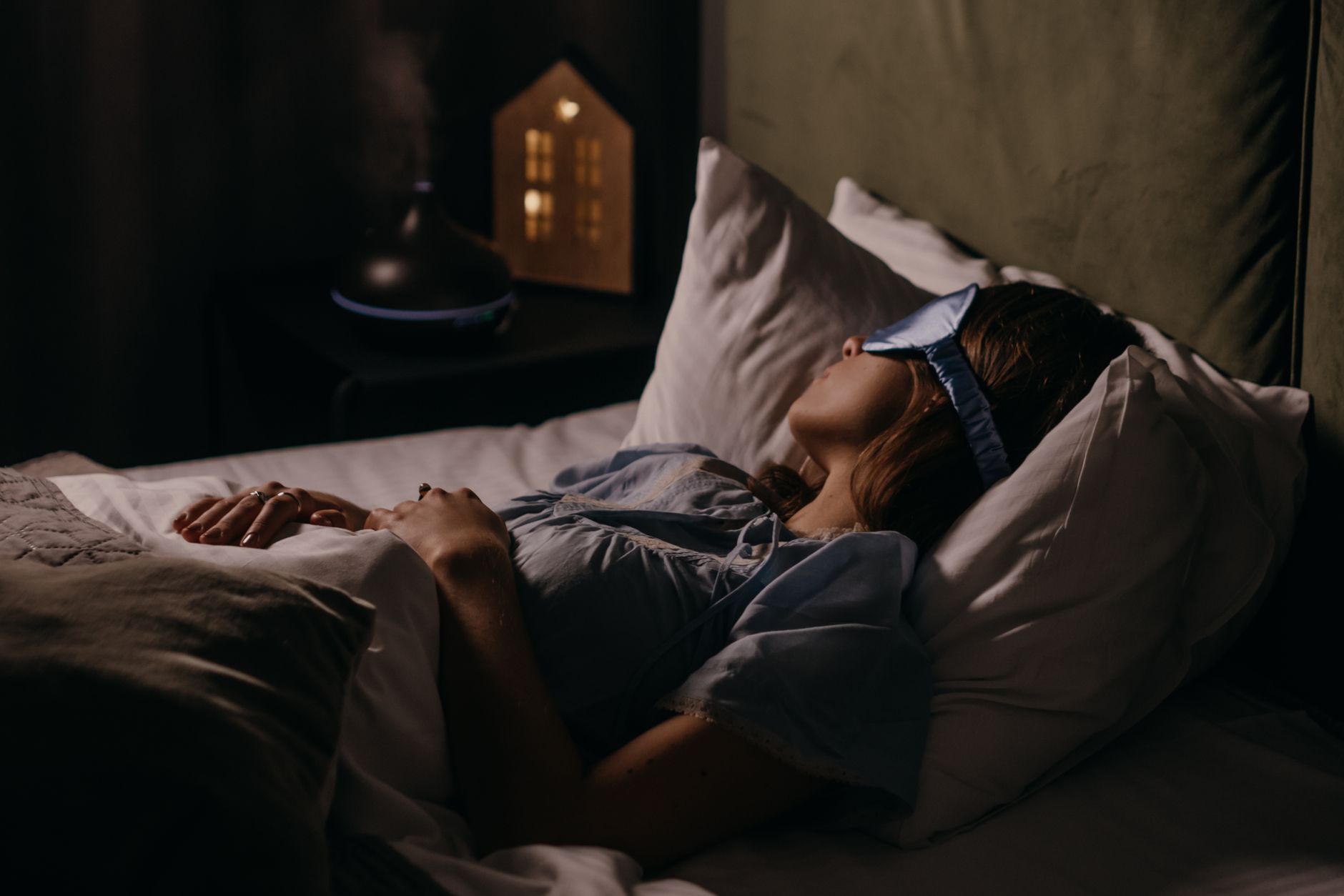
Retirement is supposed to be a time of relaxation, yet many new retirees find themselves struggling with sleep problems they never experienced before. The transition from structured work life to unstructured retirement can significantly disrupt sleep patterns, leading to insomnia, daytime sleepiness, and frustration. Understanding why retirement affects sleep and learning strategies to establish new, healthy sleep habits is essential for enjoying this new chapter of life.
Sleep problems after retirement are so common that researchers have a name for it: "retirement insomnia." Studies show that retirement is associated with changes in sleep timing, duration, and quality for many people. The good news is that these problems are usually temporary and respond well to targeted strategies. By understanding the causes and implementing solutions, you can enjoy restful sleep throughout your retirement years.
Why Retirement Disrupts Sleep
The Perfect Storm
Multiple factors converge:
Loss of Structure:
- No set wake time
- No morning alarm
- Flexible bedtime
- Unstructured days
- Loss of daily rhythm
- Circadian rhythm disruption
Changes in Activity:
- Less physical activity
- Reduced mental stimulation
- Fewer social interactions
- Less exposure to daylight
- More sedentary time
- Loss of work-related movement
Psychological Factors:
- Loss of work identity
- Reduced sense of purpose
- Financial concerns
- Relationship adjustments
- Depression or anxiety
- Boredom
Physical Changes:
- Age-related sleep changes
- Medical conditions
- Medication effects
- Hormonal shifts
- Decreased melatonin
- Natural aging of sleep systems
Common Sleep Problems After Retirement
What New Retirees Experience
Typical sleep complaints:
Difficulty Falling Asleep:
- Mind racing at bedtime
- No longer tired at usual time
- Napping during day
- Shifted sleep schedule
- Anxiety about sleep
- Loss of sleep pressure
Waking Too Early:
- Advanced sleep phase
- Waking at 4-5 AM
- Unable to fall back asleep
- Body clock shifted earlier
- Light exposure issues
- Reduced sleep need perception
Daytime Sleepiness:
- Napping too much
- Poor nighttime sleep
- Boredom mistaken for tiredness
- Lack of stimulating activities
- Depression symptoms
- Medication effects
Irregular Sleep Schedule:
- Different bedtime each night
- Variable wake times
- Weekend/weekday confusion
- No routine
- Social jet lag
- Circadian disruption
The Role of Circadian Rhythm
Your Internal Clock
Why structure matters:
How Circadian Rhythm Works:
- 24-hour internal clock
- Regulates sleep-wake cycle
- Responds to light and dark
- Influenced by activity
- Affected by meal timing
- Social cues help set it
What Happens Without Structure:
- Clock becomes unmoored
- Sleep timing drifts
- Wake times vary
- Body confused about when to sleep
- Melatonin production disrupted
- Quality of sleep decreases
Why Work Provided Structure:
- Consistent wake time
- Morning light exposure
- Regular activity
- Social interaction
- Meal timing
- Clear day/night distinction
Establishing a New Sleep Routine
Creating Structure in Retirement
Building healthy habits:
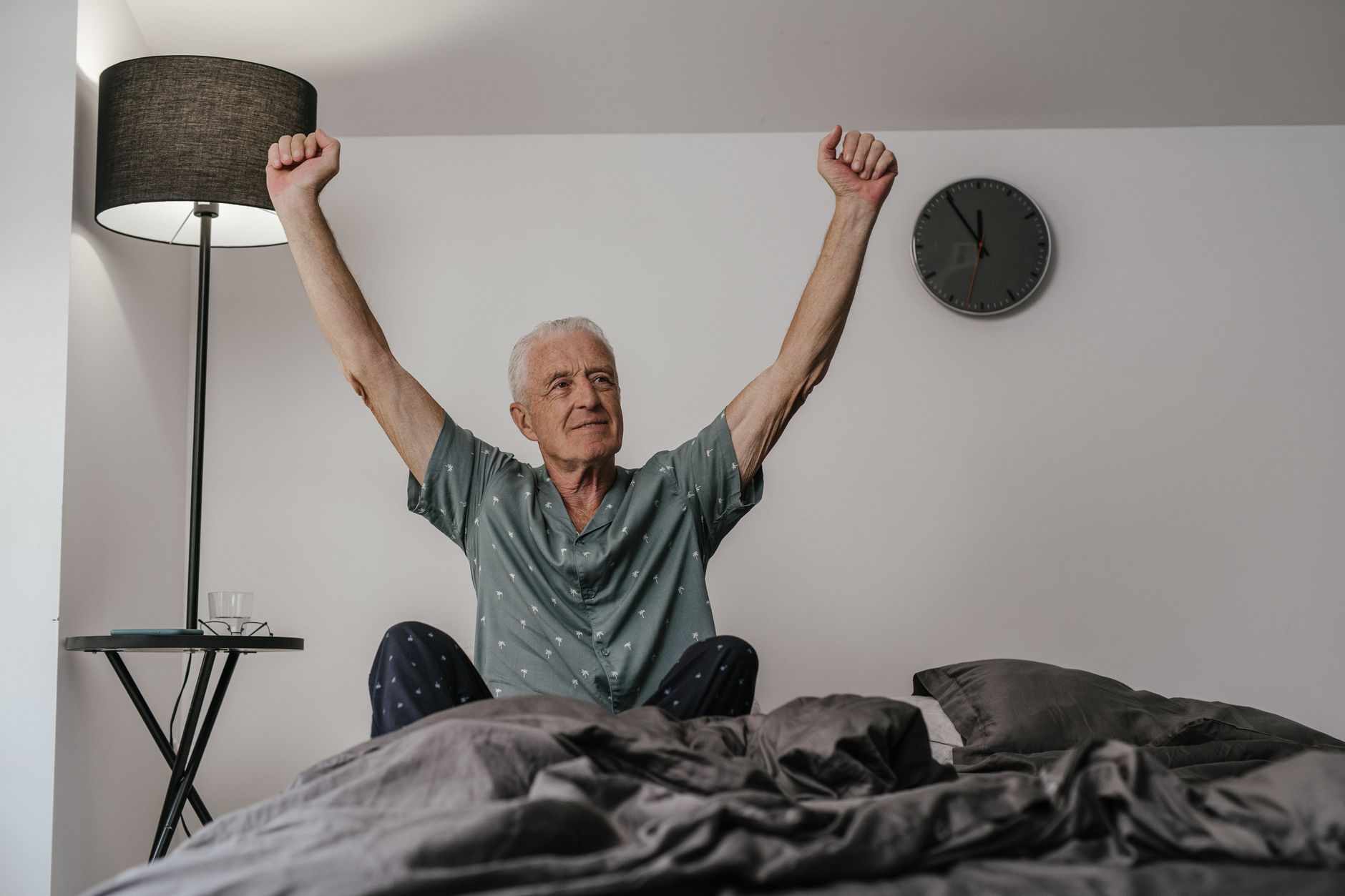
Set a Consistent Wake Time:
- Wake at same time every day
- Even on weekends
- Don't vary by more than 30 minutes
- This is the most important anchor
- Sets your circadian rhythm
- Use an alarm initially
Create Morning Rituals:
- Get bright light immediately
- Have breakfast at consistent time
- Morning walk or exercise
- Social interaction
- Engaging activities
- Start the day with purpose
Establish a Bedtime Routine:
- Consistent bedtime
- Wind-down period
- Dim lights in evening
- Relaxing activities
- Avoid screens
- Signal sleep is coming
Plan Your Days:
- Schedule activities
- Include physical activity
- Plan social interactions
- Have meaningful pursuits
- Create a weekly routine
- Avoid too much unstructured time
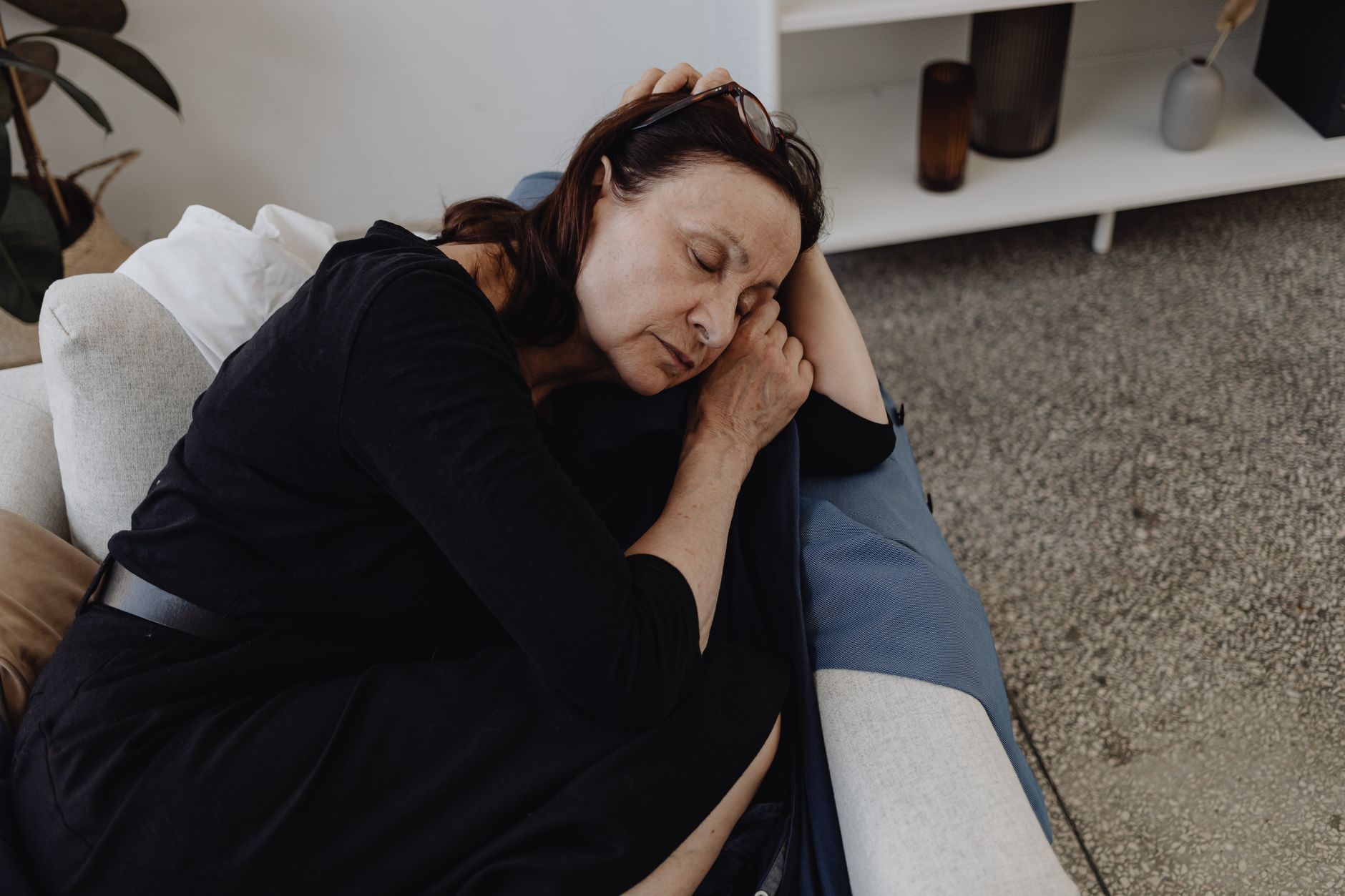
Managing Daytime Napping
The Napping Dilemma
Strategies for healthy rest:
Why Napping Increases:
- Available time
- Boredom
- Poor nighttime sleep
- Less activity
- Sedentary lifestyle
- Habit formation
When Napping Is Problematic:
- Long naps (over 30 minutes)
- Late naps (after 3 PM)
- Interferes with nighttime sleep
- Replaces nighttime sleep
- Creates cycle of poor sleep
- Contributes to depression
Healthy Napping Guidelines:
- Keep naps short (20-30 minutes)
- Nap early afternoon only
- Set an alarm
- Nap in a different location
- Don't nap every day
- If insomniac, avoid napping
Alternatives to Napping:
- Go for a walk
- Do light exercise
- Engage in a hobby
- Call a friend
- Get outside
- Change activities
Maintaining Physical Activity
Exercise for Better Sleep
Staying active in retirement:
Why Activity Declines:
- No commute
- Less walking
- Sedentary hobbies
- Fewer obligations
- Weather barriers
- Health concerns
How Activity Improves Sleep:
- Increases sleep drive
- Reduces anxiety and depression
- Improves sleep quality
- Helps maintain healthy weight
- Reduces pain
- Increases daytime alertness
Recommended Activities:
- Morning walks
- Swimming
- Cycling
- Golf
- Tennis or pickleball
- Exercise classes
- Gardening
- Dancing
Activity Guidelines:
- Aim for 150 minutes weekly
- Include strength training
- Morning or afternoon exercise
- Avoid vigorous exercise close to bed
- Find activities you enjoy
- Exercise with others for social benefit
Social Engagement and Sleep
Connection Improves Rest
Staying socially active:
Why Social Connection Matters for Sleep:
- Provides structure that helps regulate circadian rhythm
- Creates accountability for wake times (e.g., morning exercise class)
- Reduces depression and anxiety that disrupt sleep
- Increases daytime alertness and mental stimulation
- Improves overall wellbeing and sleep quality
- Helps maintain consistent daily routines
2026 NYT Longevity Analysis Research: The NYT report emphasizes that combining exercise with social connection is one of the most effective strategies for fixing retirement sleep problems. The analysis found that:
- Seniors who exercise in groups have 65% better sleep quality than those who exercise alone
- The combination of physical activity + social interaction provides double the sleep benefits of either alone
- Even one group activity per week can significantly improve sleep patterns
Dual Intervention: Using Exercise to Rebuild Social Rhythms
This is the most powerful strategy for post-retirement sleep problems:
- Choose a group exercise class (water aerobics, tai chi, strength training)
- Attend at the same time each week (this creates a natural wake-time anchor)
- The exercise improves sleep quality directly (physical tiredness = better sleep)
- The social connection reduces stress (emotional well-being = better sleep)
- The consistent schedule regulates circadian rhythm (time cues = better sleep)
The NYT Formula for Better Sleep
Fixed schedule + group exercise + social connection = Best sleep outcomes in retirement
This triple approach addresses the three main causes of retirement insomnia: loss of structure, reduced activity, and social isolation.
Ways to Stay Connected:
- Volunteer work
- Clubs and organizations
- Religious communities
- Exercise groups (most recommended for sleep)
- Classes and workshops
- Regular social events
- Family time
- Part-time work
Scheduling Social Activities:
- Regular weekly commitments
- Morning activities preferred (helps set circadian rhythm)
- Mix of different types
- Include physical activities
- Balance social and alone time
- Create meaningful connections
Finding Purpose and Meaning
Psychological Wellbeing and Sleep
Addressing the identity shift:
The Purpose Problem:
- Loss of work identity
- Feeling unproductive
- Questioning value
- Loss of goals
- Unclear daily purpose
- Existential concerns
How This Affects Sleep:
- Racing thoughts at bedtime
- Depression symptoms
- Anxiety about the future
- Lack of tiredness from inactivity
- Boredom leading to excessive sleep
- Loss of motivation
Finding New Purpose:
- Volunteer opportunities
- Mentoring others
- Learning new skills
- Creative pursuits
- Family involvement
- Community engagement
- Part-time consulting
- Teaching or tutoring
Setting Goals:
- Daily goals
- Weekly plans
- Longer-term projects
- Learning objectives
- Travel plans
- Personal development
- Health goals
Creating a Sleep-Friendly Environment
Optimizing Your Bedroom
Setting up for success:
Temperature:
- Keep bedroom cool (65-68°F)
- Use breathable bedding
- Consider cooling mattress pad
- Adjust for season
- Comfortable sleep temperature
Light:
- Dark room for sleep
- Blackout curtains
- Cover electronics
- Bright light in morning
- Dim lights in evening
Sound:
- Quiet environment
- White noise if needed
- Address noise sources
- Consider earplugs
- Consistent background sound
Comfort:
- Quality mattress
- Good pillows
- Comfortable bedding
- Decluttered space
- Relaxing atmosphere
When to Seek Help
Professional Support
Signs you need more help:
Consider Seeing a Doctor If:
- Sleep problems persist for weeks
- Loud snoring or breathing pauses
- Restless legs or discomfort
- Excessive daytime sleepiness
- Depression symptoms
- Anxiety affecting sleep
Possible Underlying Issues:
- Sleep apnea
- Restless legs syndrome
- Depression
- Anxiety disorders
- Medical conditions
- Medication effects
Treatment Options:
- Cognitive behavioral therapy for insomnia (CBT-I)
- Sleep study if apnea suspected
- Medication review
- Treatment of underlying conditions
- Counseling for depression or anxiety
- Sleep specialist consultation
Key Takeaways
- Retirement often disrupts sleep due to loss of structure, changes in activity, and psychological adjustments
- The most important strategy is establishing a consistent wake time—this anchors your circadian rhythm
- Create structure in your days with planned activities, social engagement, and meaningful pursuits
- Limit napping to short (20-30 minute) naps before 3 PM, or avoid napping if you have insomnia
- Maintain regular physical activity—aim for 150 minutes weekly, preferably in morning or afternoon
- Stay socially connected through volunteering, clubs, classes, and regular social activities
- Find new sources of purpose and meaning to replace work identity and prevent depression
- Create a sleep-friendly environment with cool temperature, darkness, and quiet
- Allow 2-4 weeks for new routines to become established—be patient with the adjustment
- Seek professional help if sleep problems persist despite lifestyle changes or if you suspect underlying conditions
Disclaimer: This information is for educational purposes only. If sleep problems persist, consult with a healthcare provider to rule out underlying conditions and discuss appropriate treatment options.
Related Articles
- does arthritis cause sleep problems
- how much sleep after 70
- not sleeping enough after 60
- how much sleep do older adults need
- napping after 60
- sleeping too much in old age
- best sleep habits for seniors
- Can Poor Sleep Affect Balance in Seniors: The Sleep-Balance Connection
- Coping with Loneliness in Retirement
References
- Patel, R. (2026, July 28). 9 Things Experts Wish You'd Do in Midlife to Increase Longevity. The New York Times. NYTimes.com
- National Sleep Foundation. (2024). Sleep and Aging.
- American Academy of Sleep Medicine. (2024). Insomnia in Older Adults.
- National Institute on Aging. (2024). Sleep Problems in Older Adults.
- Irwin, M.R., et al. (2024). Sleep, Social Connection, and Healthspan in Retirement. Journal of Clinical Sleep Medicine, 20(3), 237-248.
- Cacioppo, J.T., et al. (2023). Social Isolation and Sleep Quality. Sleep Medicine Reviews, 69, 101856. DOI