
Best Pillow for Seniors: How to Choose the Right Pillow After 60
A pillow that felt perfect at 40 may leave you waking with a stiff neck at 65. As we age, our bodies change in ways that affect what we need from a pillow. The natural curve of the neck shifts, muscle mass declines, and conditions like arthritis become more common.
Finding the right pillow isn't about buying the most expensive one or picking the softest one. It's about matching the pillow to your body, your sleep position, and any health conditions you have. This guide will walk you through everything you need to know.
Quick Answer
The best pillow for seniors depends on how you sleep and whether you have neck pain, arthritis, shoulder pain, or sleep apnea.
• Side sleepers usually need a higher pillow (4-6 inches) to fill the gap between their ear and the mattress. • Back sleepers often benefit from a medium-height cervical pillow (3-5 inches) that supports the natural curve of the neck. • Stomach sleepers generally need a very thin pillow (1-3 inches) or no pillow at all to avoid straining the neck. • Seniors with chronic neck pain may find memory foam or adjustable pillows more comfortable.
There isn't one pillow that's best for everyone—the best choice keeps your head, neck, and spine aligned while remaining comfortable throughout the night.
Looking for specific product recommendations? Read our Best Pillows for Seniors review.
Why Do Seniors Need a Different Pillow After 60?
Your pillow needs at 65 aren't the same as they were at 30. Several age-related changes affect what kind of pillow will give you the best support and comfort.
Changes in Neck Curvature
As we age, the natural curve of the cervical spine (your neck) can change. Degenerative changes in the discs and joints may flatten or alter the normal C-shape of the neck. A pillow that worked well when you were younger may no longer support the new shape of your cervical spine, leading to morning stiffness and pain.
Loss of Muscle Mass
Sarcopenia—the gradual loss of muscle mass—starts as early as age 30 and accelerates after 60. The muscles that support your neck and shoulders become weaker, meaning your pillow needs to do more of the work. A pillow that's too soft won't provide enough support when your muscles can't compensate.
Decreased Shoulder Mobility
Shoulder mobility tends to decrease with age, especially in people with arthritis. This can make it harder to change positions during sleep and can affect how your shoulder rests on the mattress. Side sleepers may find that a pillow that's too low or too firm puts extra pressure on the shoulder joint.
Arthritis and Joint Pain
Arthritis affects millions of older adults, and the neck and shoulder joints are common sites. Osteoarthritis in the cervical spine can cause stiffness and pain, particularly in the morning. The right pillow can help reduce pressure on arthritic joints by maintaining proper alignment.
Changes in Sleep Position
Many people find that their preferred sleep position changes as they get older. Stomach sleepers may switch to side or back sleeping as neck discomfort increases. Side sleepers may find they need more support as shoulder issues develop. Your pillow should evolve with your sleep habits.
Increased Pressure Sensitivity
Thinner skin and reduced fat padding mean older adults are more sensitive to pressure. A pillow that creates pressure points on the ear or temple can disrupt sleep. Pressure-relieving materials become more important with age.
7 Signs Your Pillow Is No Longer Right for You
How do you know if it's time for a new pillow? These signs suggest your current pillow isn't meeting your needs:
1. You Wake Up With Neck Stiffness
If your neck feels stiff when you wake up but improves after an hour or two of being upright, your pillow is likely the culprit. This means your neck isn't in a neutral position during sleep, causing your muscles to work all night to compensate.
2. Pain Gets Better After Getting Out of Bed
Morning pain that fades within 30-60 minutes of being awake is a classic sign of a poor pillow. If your pillow were providing proper support, you wouldn't wake up sore from sleeping on it.
3. You Fold the Pillow in Half
If you regularly fold or bunch your pillow to get comfortable, it's too flat and has lost its supportive properties. A good pillow should provide proper loft without needing to be manipulated.
4. You Constantly Flip the Pillow
Flipping your pillow multiple times a night isn't normal. It usually means the pillow is too warm or has lost its supportive structure. Quality pillows maintain their shape and comfort throughout the night.
5. Your Shoulder Feels Numb or Tingly
If you're a side sleeper and wake up with a numb or tingly shoulder, your pillow may be the wrong height. A pillow that's too high or too low can pinch nerves or restrict blood flow to the shoulder.
6. You Get More Headaches Than Usual
Morning headaches can be caused by poor neck alignment during sleep. Tension headaches that start at the base of the skull and radiate upward often stem from a pillow that doesn't support the cervical spine properly.
7. Your Pillow Doesn't Spring Back
Press your hand firmly into the pillow and remove it. A good pillow should immediately spring back to its original shape. If it stays indented or slowly regains shape, the material has broken down and lost its supportive properties.
Which Pillow Is Right for You?
Use this decision guide to narrow down your options:
| If you... | Consider... |
|---|---|
| Sleep on your side | High loft memory foam or latex |
| Sleep on your back | Medium loft cervical pillow |
| Sleep on your stomach | Thin soft pillow or no pillow |
| Have neck pain | Contoured memory foam or adjustable pillow |
| Have arthritis | Pressure-relieving latex or memory foam |
| Get hot at night | Latex or cooling gel foam |
| Use CPAP machine | CPAP-specific pillow |
| Suffer from allergies | Hypoallergenic synthetic or latex |
Choose by Sleep Position
Your sleep position is the single most important factor in choosing a pillow. Here's what you need to know:
Side Sleepers
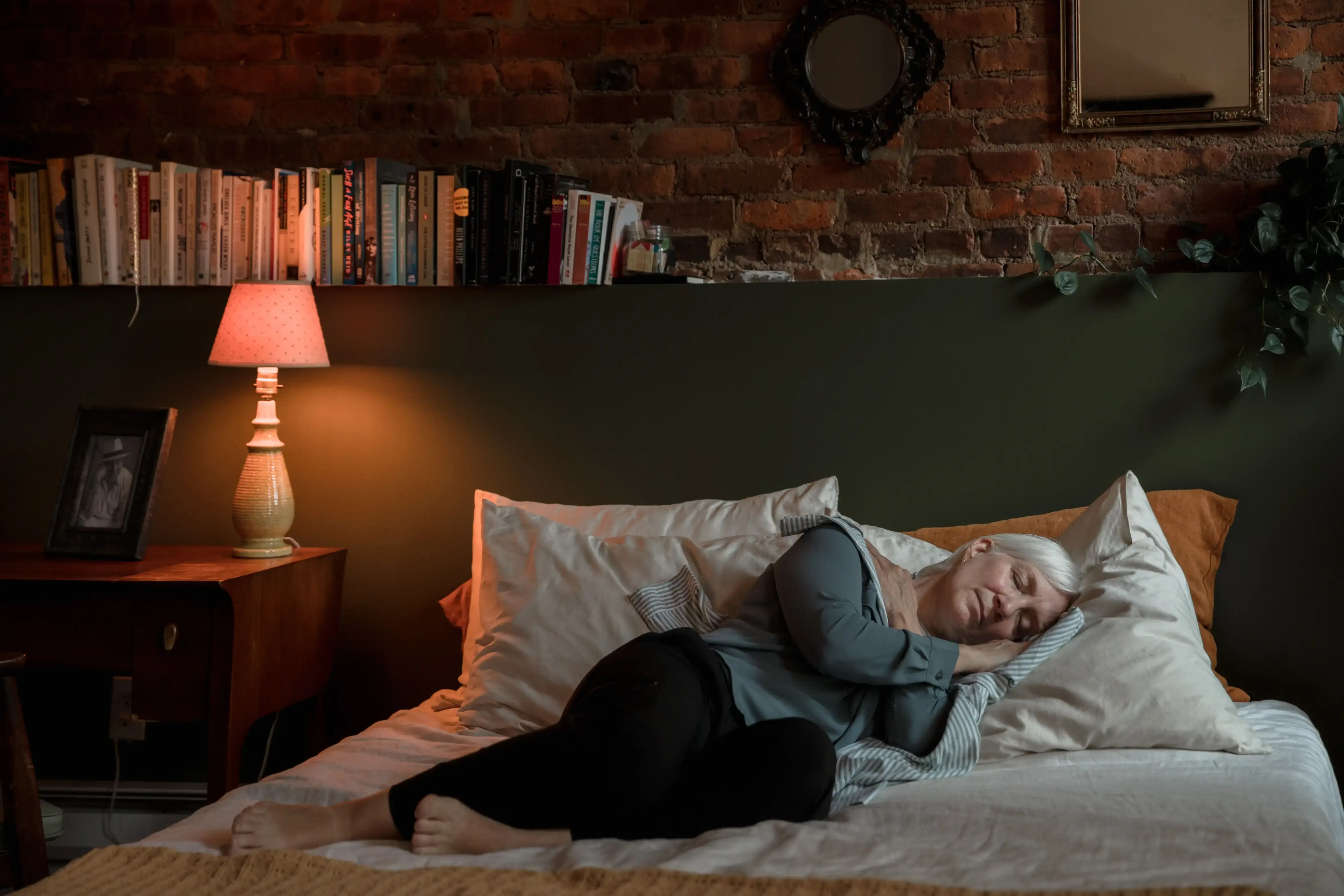
What you need:
- A higher pillow that fills the gap between your ear and the mattress
- Firm enough support to keep your neck aligned with your spine
- Should accommodate your shoulder width
Best options:
- High-loft memory foam
- Latex
- Buckwheat
- Firm synthetic pillows
Pillow height:
- 4-6 inches high, depending on your shoulder width
- Should fill the ear-to-mattress gap completely
Back Sleepers

What you need:
- A medium-height pillow that supports the natural curve of your neck
- Shouldn't push your chin forward or cradle it too deeply
- Proper support to maintain neutral spinal alignment
Best options:
- Medium-loft memory foam
- Cervical pillows
- Latex
- Contoured pillows
Pillow height:
- 3-5 inches high
- Should support the natural curve without overfilling
Stomach Sleepers
What you need:
- A very thin pillow or no pillow at all
- Minimal elevation to avoid straining the neck
- Soft enough to prevent pressure points
Best options:
- Thin down or synthetic pillows
- Soft memory foam
- Body pillow for additional support
Pillow height:
- 1-3 inches high
- Or no pillow at all
Choose by Health Condition
Your health needs play a crucial role in finding the right pillow. Here's how to choose based on common senior health concerns:
Best Pillow for Neck Pain
Neck pain is one of the most common complaints among seniors. The right pillow can provide relief by maintaining proper alignment.
📋Look for
0/4 completed- Contoured shape that supports the neck curve
- Adjustable height to find your perfect fit
- Medium-firm support that doesn't compress too much
- Pressure-relieving materials
📋Avoid
0/3 completed- Very firm pillows that cause pressure points
- Flat pillows that don't support the neck
- Pillows that are too thick and push your head forward
Best options:
- Contoured memory foam pillows
- Cervical pillows
- Adjustable shredded memory foam pillows
Read our Best Pillows for Seniors With Neck Pain guide for specific product recommendations.
Best Pillow for Shoulder Pain
Shoulder pain, whether from arthritis, rotator cuff issues, or bursitis, can make side sleeping difficult.
📋Look for
0/4 completed- Proper loft to reduce shoulder pressure
- Pressure-relieving materials like memory foam
- Adjustable height to customize support
- Smooth edges that don't dig into the shoulder
📋Avoid
0/3 completed- Very firm pillows that compress the shoulder
- Pillows that are too high and tilt the neck
- Pillows with sharp edges or seams
Best options:
- Shredded memory foam pillows (adjustable)
- Side sleeper pillows with shoulder cutouts
- Latex pillows with responsive support
Best Pillow for Arthritis
Arthritis often causes stiffness in the neck and shoulders, making it difficult to find a comfortable sleeping position.
📋Look for
0/4 completed- Pressure-relieving materials
- Medium firmness that provides support without hardness
- Adjustable height to accommodate changing needs
- Soft, comfortable cover
📋Avoid
0/3 completed- Very firm pillows that aggravate joint pain
- Thin flat pillows that don't provide enough support
- Heavy buckwheat pillows if turning over is painful
Best options:
- Memory foam pillows
- Latex pillows
- Soft synthetic pillows with adjustable fill
Best Pillow for Snoring
Snoring is common in older adults and can be worsened by poor head and neck positioning during sleep.
📋Look for
0/4 completed- Pillows that keep the neck in neutral alignment
- Slight elevation to open airways
- Firm enough support to prevent head from sinking
- Contoured shape that maintains position
📋Avoid
0/3 completed- Very thick pillows that tilt the head forward
- Soft pillows that let the head sink back
- Pillows that cause the chin to tuck toward the chest
Best options:
- Contoured memory foam pillows
- Cervical pillows
- Wedge pillows (for back sleepers)
Best Pillow for Sleep Apnea
Sleep apnea requires proper neck alignment to ensure unobstructed breathing during sleep.
📋Look for
0/4 completed- Proper neck alignment that keeps airways open
- Doesn't push the chin forward
- Compatible with CPAP machines
- Adjustable height
📋Avoid
0/3 completed- Pillows that cause the head to tilt forward
- Soft pillows that don't support the neck
- Thick pillows that restrict breathing space
Best options:
- CPAP-specific pillows
- Contoured memory foam pillows
- Cervical pillows
Best Pillow for GERD and Acid Reflux
Gastroesophageal reflux disease (GERD) can worsen at night when lying flat. Elevating the upper body helps keep stomach acid where it belongs.
📋Look for
0/4 completed- Wedge pillows that elevate the upper body
- Sufficient incline (typically 6-8 inches)
- Stable support that doesn't flatten
- Comfortable position for side or back sleeping
📋Avoid
0/3 completed- Stacked pillows (unstable and can cause neck strain)
- Pillows that only elevate the head
- Soft pillows that compress under weight
Best options:
- Wedge pillows
- Adjustable bed with elevated head
- Memory foam wedge with gradual incline
Best Pillow for Kyphosis
Kyphosis (rounded upper back) changes the angle between the head and shoulders, affecting pillow needs.
📋Look for
0/4 completed- Higher loft to accommodate the increased curve
- Contoured shape that supports both neck and upper back
- Adjustable fill to customize height
- Good support that won't compress
📋Avoid
0/3 completed- Flat pillows that don't support the curve
- Pillows that push the head too far forward
- Very firm pillows that create pressure points
Best options:
- Adjustable shredded memory foam
- Latex pillows with good loft
- Cervical pillows with neck roll
Best Pillow for Fibromyalgia
Fibromyalgia causes widespread pain and increased sensitivity to pressure, making pillow choice especially important.
📋Look for
0/4 completed- Excellent pressure relief
- Medium firmness that balances support and comfort
- Adjustable height for personalized fit
- Soft, breathable cover
📋Avoid
0/3 completed- Very firm pillows that cause pressure points
- Pillows with noticeable seams or edges
- Heavy pillows that press on tender points
Best options:
- Memory foam with pressure relief
- Shredded memory foam (adjustable)
- Latex pillows with medium firmness
Best Pillow for Osteoporosis
Osteoporosis increases the risk of fractures and makes proper spinal alignment even more important.
📋Look for
0/4 completed- Good support that maintains spinal alignment
- Medium firmness for stability
- Proper height for your sleep position
- Consistent support across the pillow surface
📋Avoid
0/3 completed- Very soft pillows that don't support the spine
- Lumpy or uneven pillows
- Pillows that cause the neck to bend at an angle
Best options:
- Memory foam pillows
- Latex pillows
- Contoured cervical pillows
Best Pillow for Allergies
Seniors with allergies need pillows that won't trigger symptoms.
📋Look for
0/4 completed- Hypoallergenic materials
- Washable covers
- Resistant to dust mites
- Natural materials like latex
📋Avoid
0/3 completed- Down or feather pillows
- Pillows with thick, non-washable covers
- Pillows made from materials known to cause allergies
Best options:
- Synthetic pillows
- Latex pillows
- Special allergy-proof pillows
Pillow Materials Explained
Now that you know what to look for based on your sleep position and health needs, let's explore the different pillow materials available:
| Material | Support Level | Comfort | Durability | Price | Best For |
|---|---|---|---|---|---|
| Memory Foam | High | High | Medium | Medium-High | Neck pain, side/back sleepers |
| Latex | High | High | High | High | Hot sleepers, allergy sufferers |
| Down/Feather | Low-Medium | Very High | Medium-High | High | Stomach/back sleepers |
| Synthetic | Low-Medium | Medium | Low | Low | Budget, allergy sufferers |
| Buckwheat | Very High | Medium | Very High | Medium | Side sleepers, neck pain |
Memory Foam
When It Works Best:
- You have neck pain or arthritis
- You want excellent support and pressure relief
- You sleep on your side or back
Possible Drawbacks:
- Can retain heat and cause sweating
- May have an initial chemical smell
- Can feel firm and take time to adjust to
Who Usually Likes It:
- Side sleepers
- Back sleepers
- Those with neck pain
- Arthritis sufferers
Latex
When It Works Best:
- You want a natural material
- You sleep hot and need better breathability
- You want good support with resilience
Possible Drawbacks:
- More expensive than other materials
- Can be heavy
- May have a latex smell initially
Who Usually Likes It:
- All sleep positions
- Those wanting natural materials
- Hot sleepers
- Allergy sufferers
Down and Feather
When It Works Best:
- You prefer soft, traditional pillows
- You sleep on your stomach or back
- You like adjustable pillows
Possible Drawbacks:
- Less support than foam or latex
- May trigger allergies
- Requires regular fluffing
- Can flatten over time
Who Usually Likes It:
- Stomach sleepers
- Those who prefer soft pillows
- Back sleepers who want softness
Synthetic/Alternative Down
When It Works Best:
- You have allergies
- You want an affordable option
- You prefer easy care
Possible Drawbacks:
- Less durable than natural materials
- May flatten faster
- Less support than foam
Who Usually Likes It:
- Allergy sufferers
- Those on a budget
- Those wanting easy care
Buckwheat
When It Works Best:
- You need firm, adjustable support
- You sleep hot
- You have neck pain
Possible Drawbacks:
- Can be noisy when shifting
- Heavy compared to other pillows
- May be too firm for some
Who Usually Likes It:
- Side sleepers
- Those needing firm support
- Neck pain sufferers
- Hot sleepers
Common Pillow Mistakes Seniors Make
Avoid these common errors when choosing or using pillows:
📋Common Mistakes to Avoid
0/8 completed- Buying the highest pillow because it "supports more" — Height isn't the only factor; proper alignment matters more
- Keeping a pillow for 8 years or longer — Pillows lose support over time and become breeding grounds for dust mites
- Ignoring shoulder width — Side sleepers with broad shoulders need taller pillows than those with narrow shoulders
- Choosing softness instead of support — Soft pillows feel comfortable initially but often lack the support needed for spinal alignment
- Sleeping on two pillows — Stacking pillows can create unnatural neck angles and cause pain
- Not replacing flattened pillows — A pillow that doesn't spring back when pressed has lost its supportive properties
- Ignoring allergies — Down and feather pillows can trigger allergies in sensitive individuals
- Forgetting about mattress height — A taller mattress changes the angle of your shoulder and may require a different pillow height
How Often Should Seniors Replace Pillows?
Pillows don't last forever. How often you need to replace yours depends on the material, how well you care for it, and how much use it gets. Here's a breakdown by material:
Memory Foam Pillows
Average lifespan: 2-3 years
Memory foam breaks down over time, losing its ability to spring back and provide proper support. You may notice that it develops permanent indentations or no longer conforms as well as it used to. Memory foam pillows with shredded fill may last slightly longer because you can fluff and redistribute the filling.
Latex Pillows
Average lifespan: 3-4 years
Latex is one of the most durable pillow materials. Natural latex tends to last longer than synthetic latex. Quality latex pillows maintain their shape and support for years. Look for signs like crumbling edges or a noticeable loss of resilience.
Down and Feather Pillows
Average lifespan: 5-7 years
High-quality down pillows can last a surprisingly long time with proper care. They require regular fluffing to maintain loft and may need to be professionally cleaned periodically. Replace when the feathers start poking through or when the pillow stays flat even after fluffing.
Synthetic/Polyester Pillows
Average lifespan: 1-2 years
Synthetic pillows are the most affordable but also the least durable. The polyester filling tends to clump and flatten quickly, especially with nightly use. Replace synthetic pillows at the first sign of lumps or lost support.
Buckwheat Pillows
Average lifespan: 3-5 years
Buckwheat hulls are very durable and can maintain their support for years. You can add or remove hulls to adjust the height as needed. Replace when the hulls start to break down into dust or develop a stale smell.
Water Pillows
Average lifespan: 2-3 years
Water pillows provide adjustable firmness but can develop leaks over time. The water chamber may also develop mineral buildup. Replace if you notice any leaking, mold, or difficulty maintaining the right water level.
Pillow Buying Checklist for Seniors
📋Sleep Position
0/4 completed- I sleep on my side → Look for high loft (4-6 inches), firm support
- I sleep on my back → Look for medium loft (3-5 inches), cervical support
- I sleep on my stomach → Look for low loft (1-3 inches), soft
- I change positions often → Look for adjustable or medium-loft pillows
📋Health Concerns
0/8 completed- Neck pain → Look for contoured memory foam, cervical pillow, adjustable
- Shoulder pain → Look for pressure-relieving foam, side sleeper design
- Arthritis → Look for memory foam or latex with pressure relief
- Snoring → Look for contoured pillow, slight elevation
- Sleep apnea → Look for CPAP-compatible, proper alignment
- GERD/acid reflux → Look for wedge pillow, upper body elevation
- Allergies → Look for hypoallergenic, latex, or synthetic
- Hot sleep → Look for latex, cooling gel, breathable covers
📋Practical Considerations
0/7 completed- Is the return policy generous? (Look for 30+ night trials)
- Is the cover removable and washable?
- Is the pillow height adjustable? (Helpful if you're unsure)
- Does it fit in a standard pillowcase?
- Is the weight manageable? (Especially important if you have arthritis)
- What's the warranty?
- Does it fit your budget?
A Pillow Won't Fix Everything
A new pillow can improve comfort and sleep quality, but persistent pain or sleep issues may signal another condition.
📋When to See a Doctor
0/6 completed- Neck pain lasts more than several weeks despite trying different pillows
- Pain radiates into your arm or hand
- You develop numbness or tingling in your hands or fingers
- You frequently wake with severe headaches
- Your snoring suddenly becomes worse or louder
- You have symptoms of sleep apnea, such as gasping for air during the night
What Research Says
Studies suggest that maintaining neutral cervical alignment during sleep may reduce morning neck pain in some people. Proper spinal alignment helps distribute weight evenly and reduces pressure on muscles and joints.
Evidence also suggests that pillow height can influence sleep quality and spinal alignment, although no single pillow material has been proven best for everyone. The most important factor is finding a pillow that keeps your head, neck, and spine in a neutral position.
Choosing the correct pillow is usually more important than choosing the most expensive pillow. What works for one person may not work for another, so personal comfort and alignment should be your top priorities.
Frequently Asked Questions
How high should my pillow be?
The right height depends on your sleep position. Side sleepers need higher pillows (4-6 inches) to fill the gap between ear and mattress. Back sleepers need medium height (3-5 inches), and stomach sleepers need very thin pillows (1-3 inches).
Is a firm pillow better for seniors?
Not necessarily. The best pillow provides proper support without being too hard. Side sleepers often need medium-firm to firm pillows, while back sleepers usually prefer medium support, and stomach sleepers need softer pillows.
Should seniors sleep without a pillow?
Most seniors benefit from using a pillow, especially if they sleep on their side or back. However, stomach sleepers may find sleeping without a pillow more comfortable and better for their neck alignment.
Can pillows help with snoring?
Yes, the right pillow can help reduce snoring by keeping your airways open. Look for pillows that maintain proper neck alignment without pushing your chin forward.
Does pillow height matter?
Absolutely. Pillow height directly affects spinal alignment. A pillow that's too high or too low can cause neck pain, stiffness, and poor sleep quality.
Can an old pillow cause neck pain?
Yes, old pillows lose their supportive properties over time and can no longer maintain proper alignment. This can lead to neck pain, stiffness, and headaches.
Is latex better than memory foam?
It depends on your needs. Latex is generally cooler and more responsive, while memory foam provides better pressure relief and contouring. Both can be excellent choices for seniors.
How do I know if my pillow is too high?
If you wake up with neck pain, stiffness, or headaches, your pillow may be too high. A pillow that causes your chin to tilt toward your chest or pushes your head forward is likely too tall for your sleeping position.
Before Buying a Pillow
📋Before You Buy
0/6 completed- Check the return policy — Many companies offer trial periods, which is especially helpful when choosing a pillow
- Look for washable covers — This makes cleaning easier and extends the life of your pillow
- Choose adjustable loft if unsure — Pillows with adjustable fill let you customize the height and firmness
- Measure your shoulder width — This helps determine the right pillow height, especially for side sleepers
- Plan to replace every 2–3 years — Most pillows lose their supportive properties after this time
- Avoid choosing only by softness — Support and alignment are more important than initial softness
Looking for specific product recommendations?
Read our Best Pillows for Seniors review for our top picks.
Key Takeaways
- Your pillow needs change after 60 due to shifts in neck curvature, muscle loss, arthritis, and other age-related factors
- Choose your pillow based on your sleep position and individual health needs
- Side sleepers need higher pillows, back sleepers medium, stomach sleepers low
- Memory foam and latex are excellent choices for most seniors with neck pain or arthritis
- Adjustable pillows allow customization as your needs change
- Replace pillows every 1-3 years depending on the material
- A pillow can improve comfort, but persistent pain may require medical attention
Related Articles
- Best Sleeping Position for Seniors
- Why Does Pain Feel Worse at Night?
- Does Arthritis Cause Sleep Problems?
- Sleep Hygiene for Older Adults
- What Are Signs of Sleep Apnea in Seniors?
- Best Mattress for Seniors
- Insomnia in Older Adults
- Bedtime Routine for Seniors
References
- National Sleep Foundation. (2024). Best Pillows for Older Adults. SleepFoundation.org
- American Academy of Sleep Medicine. (2024). Sleep Position and Pillows. AASM.org
- Mayo Clinic. (2024). Sleep and Aging. MayoClinic.org