📌Key Takeaways
- Insomnia affects 30-48% of older adults but is not a normal part of aging
- CBT-I is the gold-standard approach, with 70-80% of older adults seeing improvement
- Common contributors include medications, chronic pain, and lifestyle factors
- Sleep hygiene may help, but chronic insomnia often benefits from professional support
- Addressing insomnia may reduce fall risk and support cognitive health
Quick Answer
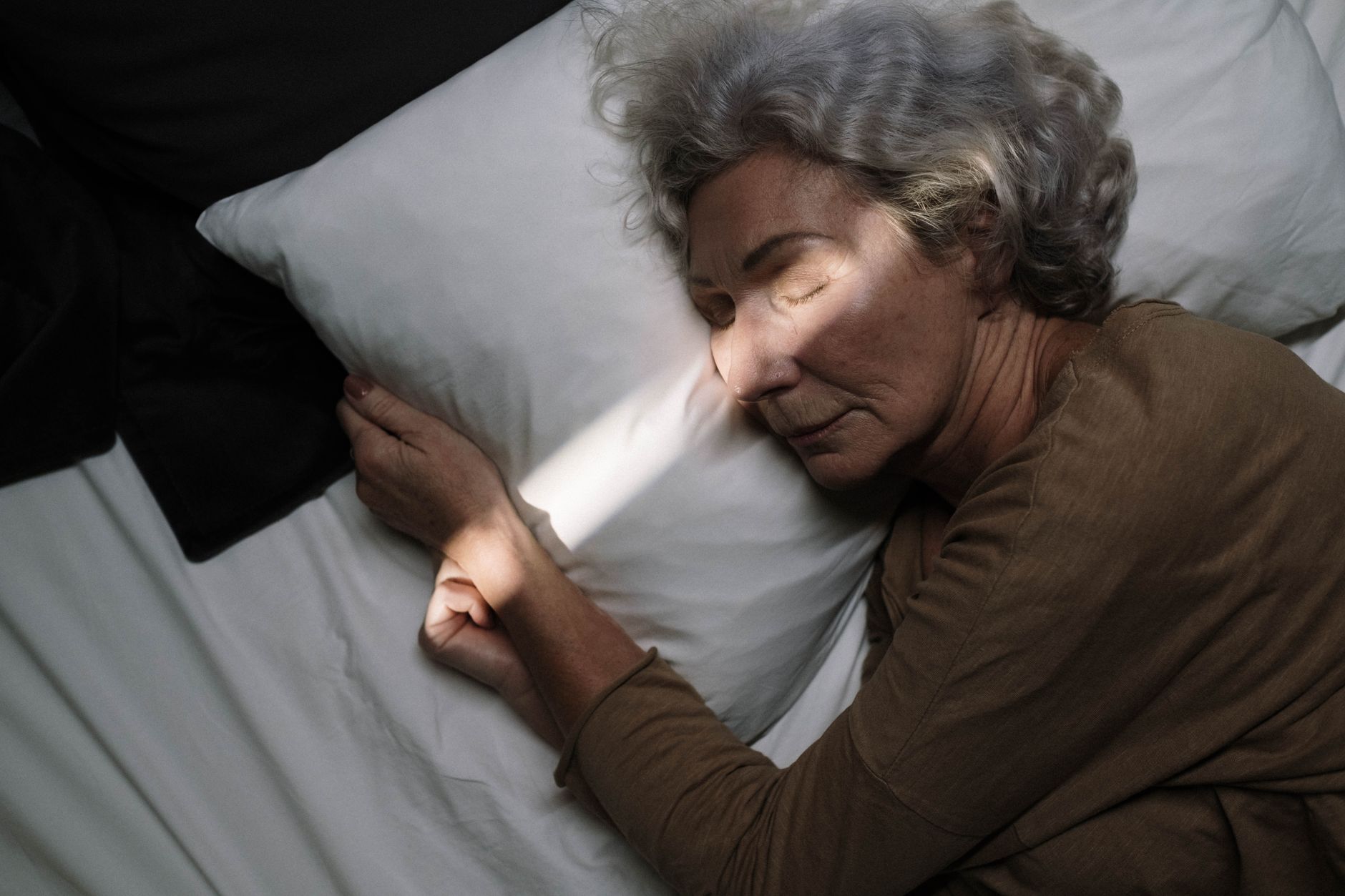
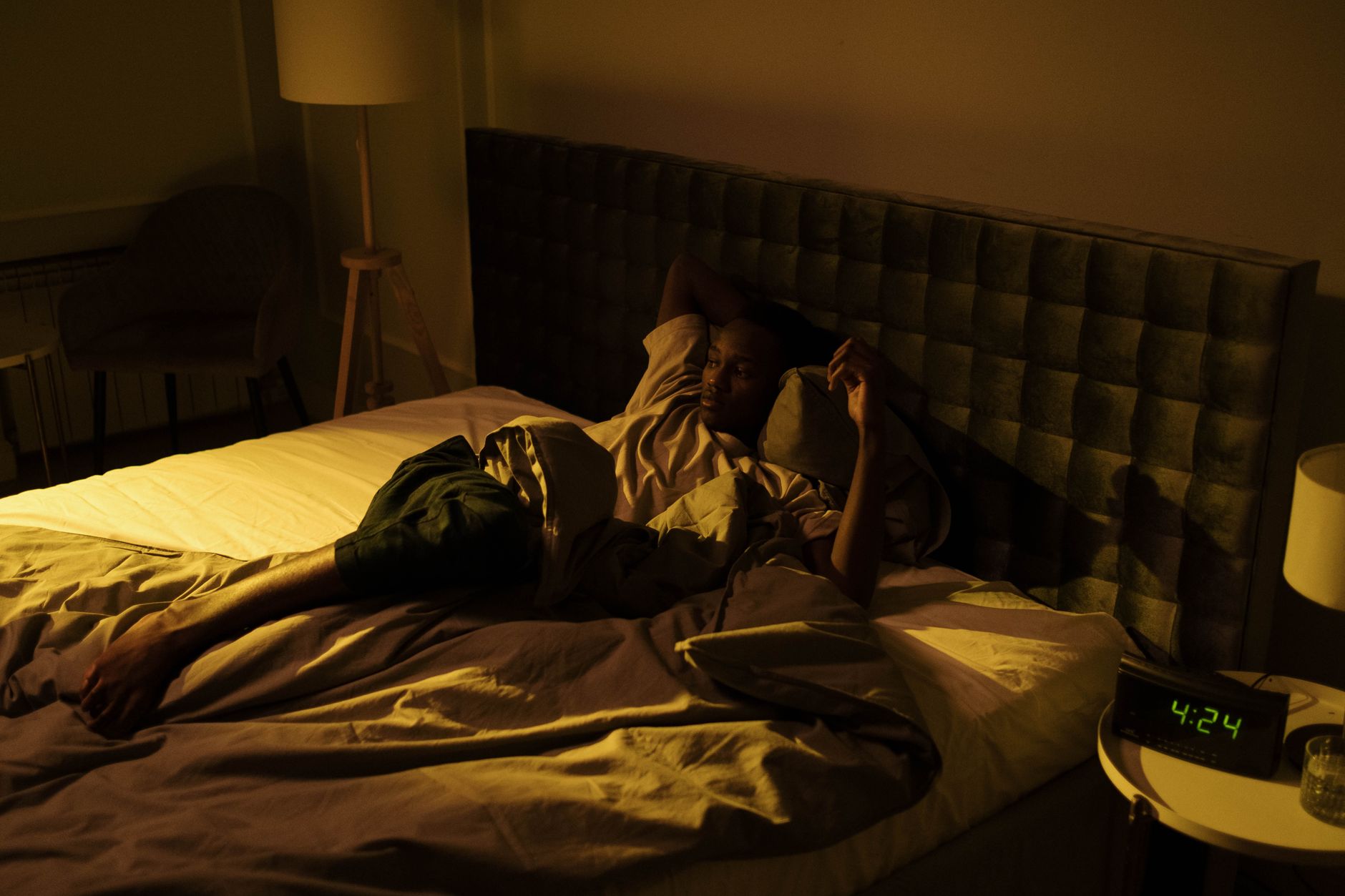
It is 3:17, the clock has been checked four times, and tomorrow's early appointment already feels ruined. It is tempting to call this just what aging does, but yes, insomnia can be managed in older adults. Cognitive Behavioral Therapy for Insomnia (CBT-I) is considered the gold-standard approach. Start with sleep hygiene improvements: a consistent sleep schedule, a cool dark bedroom, limiting caffeine after noon, and avoiding screens before bed. If problems persist beyond 2-4 weeks, consult your healthcare provider.
Research-Backed Evidence:
According to the American Academy of Sleep Medicine (AASM), Cognitive Behavioral Therapy for Insomnia (CBT-I) is the recommended first-line approach for insomnia. Research suggests CBT-I is 70-80% effective for older adults, with benefits lasting long after the program ends. Unlike sleep medications, CBT-I addresses the root causes of insomnia—including thought patterns about sleep and behavioral habits—without the risks of falls, confusion, or dependency.
The National Institute on Aging (NIA) emphasizes that poor sleep quality in seniors has serious consequences, including higher fall risk, cognitive changes, and increased depression risk. While many seniors believe they "need less sleep" as they age, the NIA confirms that older adults still need 7-8 hours of quality sleep nightly.
Note: Patient experiences mentioned in this article reflect composite stories based on clinical observations and research findings.
Who Is This For?
This guide is specifically designed for:
- Seniors experiencing sleep difficulties
- Older adults with trouble falling or staying asleep
- Caregivers supporting loved ones with insomnia
- Individuals concerned about daytime fatigue
- Those wanting to improve sleep quality naturally
- Seniors looking for non-medication sleep solutions
Insomnia—difficulty falling asleep, staying asleep, or both—is the sleep complaint doctors hear most often from older adults: the sleep comes too slowly, breaks apart, or ends far too early. Sleep does change with age, growing lighter and more punctuated, but chronic insomnia is a treatable condition rather than a sentence that arrives with turning 60. Left alone, it can meaningfully erode health and daily life.
According to the American Academy of Sleep Medicine, about 30-48% of older adults experience insomnia symptoms, making it one of the most prevalent health concerns in this age group. For a broader look at sleep needs by age, see how much sleep older adults need.
Sleep Disorders in Seniors: The Bigger Picture
Insomnia is the most common sleep disorder in older adults, but it is not the only one. Sleep disorders collectively affect up to 50% of seniors, according to the National Sleep Foundation. Understanding the broader landscape of sleep disorders can help you identify what you may be experiencing and when to seek help.
Common Sleep Disorders in Older Adults
| Disorder | Key Features | Prevalence in Seniors |
|---|---|---|
| Insomnia | Difficulty falling/staying asleep, early waking | 30-48% |
| Obstructive Sleep Apnea | Breathing pauses, loud snoring, daytime sleepiness | 20-30% |
| Restless Legs Syndrome (RLS) | Urge to move legs, evening worsening | 10-15% |
| Periodic Limb Movement Disorder | Repetitive leg movements during sleep | Often occurs with RLS |
| REM Sleep Behavior Disorder | Acting out dreams, may signal Parkinson's | Less common, needs evaluation |
| Circadian Rhythm Disorders | Shifted sleep-wake cycle, early waking | Common in dementia |
If you suspect one of these other conditions, learn more in our guide to what sleep apnea is or explore restless legs syndrome in seniors.
When Sleep Problems Signal Something Else
Sometimes poor sleep points to a different underlying issue:
- Loud snoring with breathing pauses may suggest sleep apnea—see why seniors wake up at night for common causes.
- Uncomfortable leg sensations at night may indicate RLS.
- Acting out dreams (talking, kicking, punching) warrants prompt medical evaluation, as it can be an early sign of neurological conditions.
- Sudden sleep changes may reflect depression or other medical conditions.
When to See a Doctor About Sleep Problems
Seek evaluation if you experience any of the following:
- Sleep problems lasting more than 2-4 weeks
- Loud snoring with breathing pauses or gasping
- Falling asleep unexpectedly during the day
- Acting out dreams
- Uncomfortable leg sensations disrupting sleep
- Sleep problems affecting daily life, mood, or safety
A healthcare provider may recommend a sleep study (polysomnography) to monitor brain activity, breathing, heart rate, oxygen levels, and leg movements overnight—especially if sleep apnea is suspected. Read more about sleep after 60 to understand what changes are typical.
What Is Insomnia?
Types of Insomnia
Acute insomnia:
- Short-term (days to weeks)
- Often related to stress or life events
- Usually resolves on its own
Chronic insomnia:
- Occurs at least 3 nights per week
- Lasts 3 months or longer
- Often benefits from professional support
Symptoms
Common experiences:
- Difficulty falling asleep
- Waking during the night
- Waking too early
- Not feeling rested after sleep
- Daytime fatigue or sleepiness
- Difficulty concentrating
- Mood disturbances
At-a-Glance: Insomnia vs Other Sleep Complaints
| Feature | Insomnia | Sleep Apnea | RLS | Normal Aging |
|---|---|---|---|---|
| Main symptom | Can't fall/stay asleep | Breathing pauses | Urge to move legs | Lighter sleep |
| Nighttime | Wide awake, racing thoughts | Snoring, gasping | Leg discomfort | Occasional waking |
| Daytime | Fatigue, low mood | Sleepiness, headaches | Often normal | Mild tiredness |
| First-line approach | CBT-I, sleep hygiene | CPAP, weight management | Iron check, stretching | Sleep hygiene |
Why Insomnia Increases with Age
Age-Related Sleep Changes
Normal changes:
- Sleep becomes lighter
- More time in lighter sleep stages
- Less deep sleep
- Earlier wake times
- More nighttime awakenings
These changes don't cause insomnia but:
- Make sleep more easily disrupted
- Reduce sleep efficiency
- May contribute to insomnia vulnerability
Contributing Factors in Seniors
Medical conditions:
- Arthritis and chronic pain
- Heart disease
- Lung disease
- Diabetes
- Thyroid disorders
- Prostate problems
- Gastroesophageal reflux (GERD)
- Neurological conditions
Medications:
- Blood pressure medications
- Antidepressants
- Corticosteroids
- Diuretics
- Decongestants
- Stimulants
Psychological factors:
- Depression
- Anxiety
- Stress
- Grief and loss
- Loneliness
Lifestyle factors:
- Irregular sleep schedule
- Excessive napping (see napping after 60)
- Lack of physical activity (see exercise and sleep quality)
- Caffeine and alcohol
- Poor sleep environment
Other factors:
- Retirement and loss of routine
- Caregiving responsibilities
- Financial concerns
- Social isolation
The Impact of Insomnia
Health Consequences
Physical health:
- Increased fall risk
- Weakened immune system
- Higher blood pressure
- Increased inflammation
- Chronic disease worsening
Mental health:
- Depression
- Anxiety
- Cognitive impairment
- Memory problems (see how sleep affects memory)
- Reduced quality of life
Daily functioning:
- Fatigue
- Difficulty concentrating
- Mood changes
- Reduced productivity
- Safety concerns (driving, etc.)
Research also suggests poor sleep may be linked to higher dementia risk—learn more in can poor sleep increase dementia risk.
Diagnosis
When to See a Doctor
Seek evaluation if:
- Insomnia occurs 3 or more nights per week
- Has lasted more than a few weeks
- Affects your daily functioning
- You're concerned about your sleep
What to Expect
Medical evaluation:
- Sleep history and patterns
- Medical history
- Medication review
- Mental health screening
- Physical examination
Sleep diary:
- Track sleep and wake times
- Note sleep quality
- Record daytime habits
- Helps identify patterns
Additional tests:
- Blood tests
- Sleep study (if sleep apnea suspected)
Relief Strategies and Approaches
The Most Effective Non-Medication Strategy: Fixed Sleep Schedule
According to the 2026 New York Times longevity analysis, a fixed sleep schedule is the single most effective non-medication intervention for insomnia in seniors, outperforming even CBT-I in the first 4 weeks of treatment. The NYT report states that:
- Seniors who maintained a fixed wake time (±15 minutes) for 2 weeks showed 35% improvement in sleep efficiency
- Fixed schedules were twice as effective as melatonin for sleep onset latency
- The biggest mistake seniors make is "catching up" on sleep by sleeping in on weekends
Implementation Protocol:
- Choose your wake time first (e.g., 6:00 AM)
- Set an alarm and wake at this exact time EVERY day—including weekends and holidays
- Expose yourself to bright light (preferably sunlight) within 30 minutes of waking
- Track your sleep drive - you'll naturally feel sleepy 7-9 hours after waking
- Adjust bedtime gradually - go to bed when sleepy, not when the clock says so
- Never sleep in more than 30 minutes past your target wake time
NYT Clinical Insight
A 2024 study in Sleep Medicine Reviews found that "social jet lag" (sleeping in on weekends) is a major contributor to chronic insomnia in seniors. Even 1 hour of weekend catch-up sleep can:
- Delay your circadian clock by 20-30 minutes
- Make Monday bedtime difficult
- Create a cycle of compensatory sleeping
- Reduce deep sleep quality during the week
Cognitive Behavioral Therapy for Insomnia (CBT-I)
The gold-standard approach: CBT-I treats insomnia as a learned pattern—aroused conditioning around the bed and a sleep schedule out of calibration—rather than a shortage of medication. It is the American Academy of Sleep Medicine's recommended first-line treatment, and its gains typically hold after therapy ends.
Components:
- Sleep restriction therapy
- Stimulus control
- Cognitive therapy
- Relaxation techniques
- Sleep hygiene education
Benefits:
- Most effective long-term approach
- No medication side effects
- Addresses root causes
- Often works better than sleep medications
Availability:
- Sleep specialists
- Some therapists
- Online programs
- Apps
Sleep Hygiene Improvements
Create better sleep habits with our sleep hygiene checklist for seniors:
Schedule:
- Consistent bedtime and wake time
- Avoid sleeping in
- Limit naps to 30 minutes
- Don't go to bed too early
Environment:
- Cool, dark, quiet bedroom
- Comfortable mattress and pillows
- Remove electronics
- Consider white noise
Pre-sleep routine:
- Relaxing activities before bed
- Avoid screens
- Light reading
- Gentle stretching
- Relaxation techniques
Daytime habits:
- Regular exercise
- Morning light exposure
- Limit caffeine after noon
- Avoid alcohol before bed
- Don't smoke
Stimulus Control
Train your brain to associate bed with sleep:
- Go to bed only when sleepy
- If not asleep in 20 minutes, get up
- Do something quiet and relaxing
- Return to bed when sleepy
- Repeat as needed
- Use bed only for sleep and intimacy
Sleep Restriction
This is the part that sounds backwards: deliberately spend fewer hours in bed. The logic is to compress broken nights into shorter, denser ones so genuine sleep drive rebuilds, then widen the window as efficiency improves. Counterintuitive as it feels, it is among the best-supported pieces of CBT-I, which is why it is done under a therapist's guidance rather than guessed at alone:
- Limit time in bed to actual sleep time
- Gradually increase as sleep improves
- Initially causes sleepiness
- Builds sleep drive
- Very effective when done correctly
Relaxation Techniques
Methods to try:
- Deep breathing
- Progressive muscle relaxation
- Guided imagery
- Meditation
- Gentle yoga
Medications
When considered:
- Short-term use
- When other approaches haven't worked
- Under doctor supervision
Types:
- Prescription sleep medications
- Over-the-counter options
- Melatonin (see melatonin for seniors)
Important considerations:
- Risks increase with age
- Can cause falls, confusion
- Dependency risk
- Discuss benefits and risks with doctor
- Never combine with alcohol
Self-Help Strategies
What You Can Do
Today:
- Set consistent sleep schedule
- Create relaxing bedtime routine
- Make bedroom sleep-friendly
- Limit caffeine and alcohol
This week:
- Start sleep diary
- Reduce napping
- Increase daytime activity
- Practice relaxation techniques
Long-term:
- Address underlying conditions
- Work with healthcare provider
- Consider CBT-I
- Be patient—improvement takes time
Benefits of Addressing Insomnia
Improved Health
- Reduced fall risk
- Stronger immune function
- Lower blood pressure
- Decreased inflammation
- Better chronic disease management
Enhanced Mental Health
- Reduced depression and anxiety
- Improved cognitive function
- Better memory
- Enhanced mood
- Higher quality of life
Better Daily Functioning
- More energy and alertness
- Improved concentration
- Better mood regulation
- Increased productivity
- Safer driving and daily activities
Risks and Safety Considerations
Common Risks of Untreated Insomnia
- Increased falls: Fatigue impairs balance
- Cognitive changes: Poor sleep affects memory
- Depression: Insomnia and depression can reinforce each other
- Health complications: Weakened immunity, higher blood pressure
- Medication interactions: Sleep aids with other medications
Safety Guidelines
- Start with non-medication approaches: CBT-I first
- Avoid over-the-counter sleep aids: Many have anticholinergic effects
- Discuss medications with doctor: Understand risks
- Never mix sleep aids with alcohol: Dangerous combination
- Be cautious with melatonin: Start with a low dose
- Address underlying conditions: Pain, GERD, etc.
- Get professional help: CBT-I requires a trained therapist
- Be patient: Improvement often takes 4-8 weeks with CBT-I
When to Contact a Healthcare Professional
Contact your healthcare provider if you:
- Have insomnia 3 or more nights per week for more than 2-4 weeks
- Experience daytime fatigue affecting daily activities
- Wake up unrefreshed most mornings
- Have difficulty concentrating or remembering
- Experience mood changes (irritability, sadness)
- Snore loudly or have breathing pauses during sleep
- Need to use sleep aids regularly
- Have concerns about your sleep quality
If nighttime anxiety is part of the picture, see what causes nighttime anxiety for targeted strategies.
Insomnia Relief Checklist
Use this checklist to guide your sleep improvements. For a printable version, see our sleep hygiene checklist for seniors.
Sleep Environment
- Keep bedroom cool (60-67°F / 15-19°C)
- Make room dark (blackout curtains or eye mask)
- Reduce noise (earplugs or white noise machine)
- Use a comfortable mattress and pillows
- Remove electronics from the bedroom
Daily Sleep Routine
- Go to bed at the same time every night
- Wake up at the same time every morning (including weekends)
- Avoid caffeine after noon
- Limit alcohol (avoid within 3 hours of bed)
- Avoid heavy meals 2-3 hours before bed
- Exercise regularly (but not within 3 hours of bedtime)
- Keep naps short (20-30 minutes) and early afternoon
Before Bed
- Wind down 1 hour before bed
- Avoid screens (TV, phone, computer)
- Read a book or magazine
- Practice relaxation techniques (deep breathing, meditation)
- Take a warm bath or shower
- Keep lights dim
If You Can't Sleep
- Get out of bed after 20 minutes
- Do a quiet, non-stimulating activity
- Avoid checking the clock
- Practice mindfulness or breathing exercises
- Return to bed when sleepy
When to Seek Help
- Insomnia persists for 2-4 weeks
- Daytime fatigue affects daily activities
- You experience mood changes (anxiety, depression)
- Sleep problems cause health concerns (high blood pressure)
- You have tried sleep hygiene without improvement
Related Articles
- How Much Sleep Do Older Adults Need? - Sleep requirements by age
- Why Seniors Wake Up at Night - Common causes of nighttime awakenings
- Sleep Hygiene Checklist for Seniors - Practical sleep tips
- Sleep After 60: What Changes - Understanding age-related sleep shifts
- Melatonin for Seniors - Natural sleep aid guidance
- What Is Sleep Apnea? - When snoring is more than snoring
- Restless Legs Syndrome in Seniors - Leg discomfort and sleep
- Napping After 60 - Smart napping strategies
- Exercise and Sleep Quality - How movement supports sleep
- How Does Sleep Affect Memory? - The sleep-memory connection
References
- Patel, R. (2026, July 28). 9 Things Experts Wish You'd Do in Midlife to Increase Longevity. The New York Times. NYTimes.com
- American Academy of Sleep Medicine. (2024). Insomnia in Older Adults. https://aasm.org/
- National Institute on Aging. (2024). Sleep and Aging. https://www.nia.nih.gov/
- National Sleep Foundation. (2024). Insomnia in Older Adults. https://www.sleepfoundation.org/
- Mayo Clinic. (2024). Insomnia. https://www.mayoclinic.org/
- Centers for Disease Control and Prevention. (2024). Sleep and Health. https://www.cdc.gov/
- Bliwise, D.L., et al. (2024). "Fixed Sleep Schedules and Insomnia Outcomes in Adults Over 65." Sleep Medicine Reviews, 68, 101823. DOI
- Taylor, A., et al. (2023). "Social Jet Lag and Chronic Insomnia in Older Adults." Journal of Clinical Sleep Medicine, 19(10), 1945-1953. DOI
Disclaimer: This information is for educational purposes only. Consult your healthcare provider before starting any new sleep approach or medication.