What Causes Nighttime Anxiety?
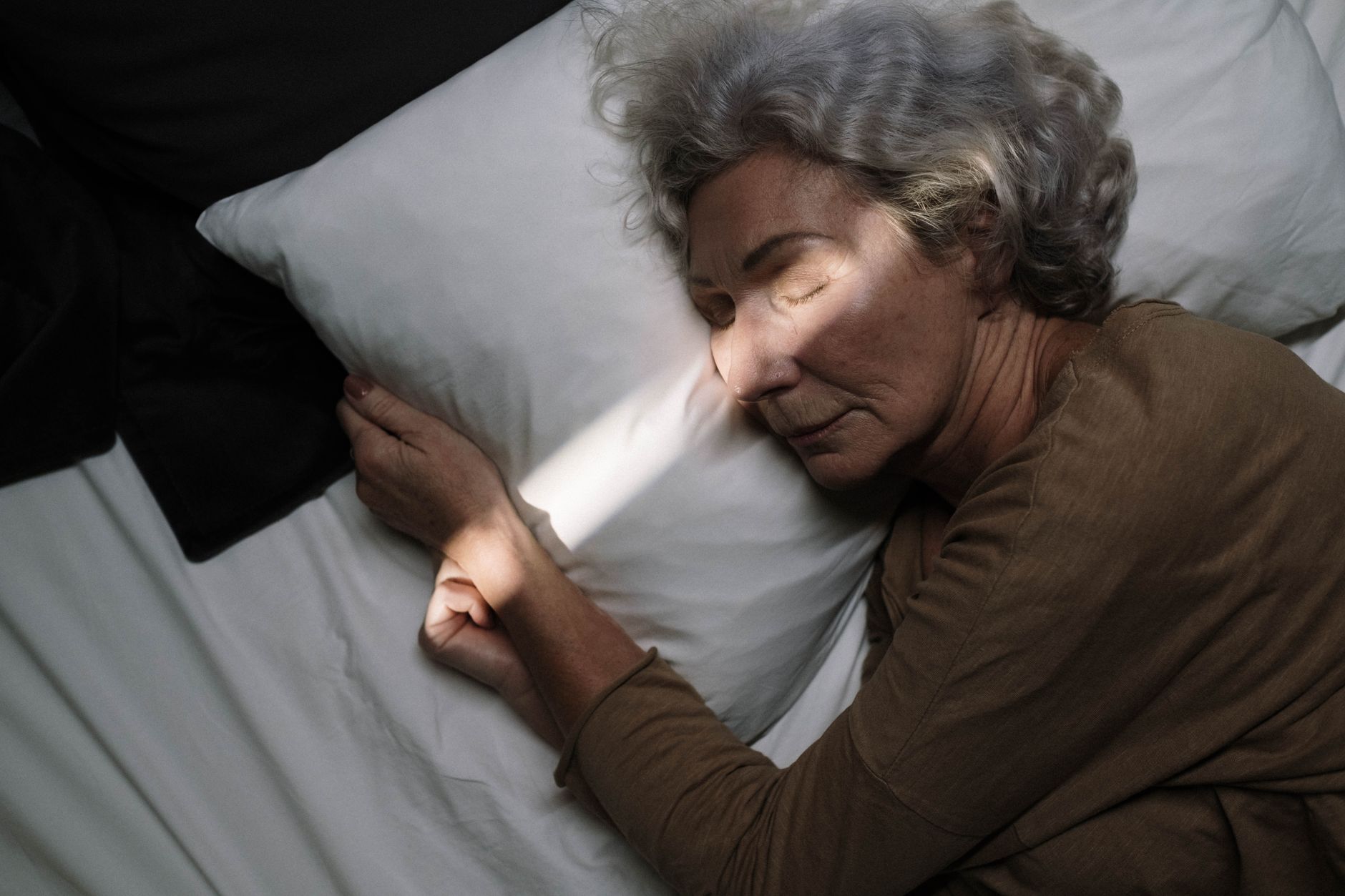
The house is quiet, the lamp is dimmed, and the day's tasks are complete. Yet instead of drifting toward sleep, the mind begins to spin. Did that new twinge in the chest mean something? Will the retirement savings last? Will the family be okay if something happens overnight? For many adults over 60, the transition from day to night is the trigger, not just for thoughts, but for a tightness in the chest, a racing heart, and the distinct feeling that sleep will not come. Composite clinical scenario (illustrative). A 71-year-old widower living alone notices that every night around 10:30 PM, within 15 minutes of getting into bed, concerns about a recent blood pressure reading and the cost of upcoming home repairs cycle on repeat. By midnight, he is still awake, heart rate elevated, convinced he will never fall asleep again despite having slept reasonably well the night before.
The National Institute of Mental Health reports that anxiety symptoms in adults over 65 are often underrecognized because they are dismissed as normal aging concerns or attributed to existing chronic medical conditions. Yet research in the Journal of Affective Disorders finds that nighttime anxiety is both common and modifiable when its triggers are clearly identified. The Anxiety & Depression Association of America similarly notes that older adults often respond well to structured behavioral strategies once the specific pattern of their anxiety is understood.
This guide explains the most common biological, psychological, and environmental triggers of nighttime anxiety for adults after 60. You will learn how to distinguish between worry and a panic episode, how to identify medication and lifestyle factors that may be contributing, and how to implement a structured 90-minute pre-bed wind-down routine that reduces arousal. The guide also outlines what caregivers and family members can do to support a loved one, and provides clear guidance on when to seek professional evaluation, including when emergency services are warranted.
📌Key Takeaways
- 夜间焦虑通常不是单一原因,而是生理节律、用药时间、未处理的担忧和卧室环境条件共同作用的结果。
- 把『担忧处理时间』提前到傍晚6-7点进行,把问题写下来,不要等到上床后再开始思考。
- 学习4-7-8呼吸法、渐进式肌肉放松和引导意象三种技术,准备好可在夜间反复使用的简短版本。
- 区分普通焦虑与惊恐发作:如果出现突发剧烈恐惧、胸痛、窒息感或现实解体,应先排除心脏等急症。
- 任何关于自我伤害的想法都是紧急情况,需要立即联系急救服务或去急诊,不要等待或试图独自处理。
Why Anxiety Intensifies After Dark: The Biological and Environmental Foundation
Nighttime anxiety does not occur randomly. It is the product of a predictable convergence between biological rhythms, reduced external stimulation, and changes in cognitive capacity as fatigue accumulates. Understanding these mechanisms helps take some of the mystery out of the experience and reduces the common secondary fear of "why is this happening to me?"
Biological Factors That Peak in the Evening
Cortisol, the body's primary stress hormone, follows a circadian pattern that normally peaks shortly after waking and declines steadily throughout the day. For some older adults, however, this decline is uneven, producing a small secondary cortisol spike in the late evening or early night. That spike, combined with the natural reduction in melatonin production that accompanies aging, can leave the nervous system physiologically aroused at precisely the time it should be winding down.
Another biological contributor is reduced autonomic flexibility with age. The autonomic nervous system balances sympathetic activation (the "fight-or-flight" response) and parasympathetic relaxation (the "rest-and-digest" response). As we get older, the transition from sympathetic to parasympathetic dominance in the evening becomes less efficient for some people, meaning a single worry can trigger a larger cascade of physical symptoms — rapid heart rate, shallow breathing, sweating, muscle tension — than it might have at a younger age.
Environmental and Psychological Factors That Amplify Nighttime Worry
During the day, the brain is occupied by tasks, conversations, screens, movement, and decisions. Each of these acts as a competing stimulus that prevents worries from occupying full conscious attention. At night, once these external distractions fall away, unresolved concerns can move to center stage. Quieter rooms also make small, ambiguous sounds in the house more noticeable, which can trigger safety-related worries for people living alone.
For people who have already had several nights of poor sleep, a conditioned response can develop. The bedroom itself — the pillow, the sheets, the clock, the dim light — becomes a signal for anxiety rather than relaxation. This is why some people notice they feel sleepy in the living room chair but wide awake the moment their head hits the pillow.
Anxiety vs. a panic attack — how to tell the difference
普通的夜间焦虑通常表现为持续性的担忧、肌肉紧张、心率轻度加快和难以入睡,但人仍能理性思考并逐步平静下来。惊恐发作则是突然在几分钟内达到顶峰的强烈恐惧或不适,伴有至少四种以下症状:剧烈心悸或心率加快、出汗、颤抖或发抖、窒息感或胸闷、胸痛或不适、恶心或腹部不适、头晕或发飘、现实解体感或人格解体感、害怕失控、害怕死亡、麻木或刺痛感、寒战或潮热。如果出现新发惊恐样症状,尤其是伴有胸痛,应首先由医疗专业人员排除心脏或其他急症,再考虑焦虑诊断。
Common Categories of Nighttime Anxiety Triggers in Older Adults
Specific triggers vary from person to person, but certain categories are overrepresented in adults after 60. Identifying which categories apply to you is the first step toward targeted intervention.
Health and Medical Worries
Health-related concern is the single most frequently endorsed trigger in older adults reporting nighttime anxiety. The quiet of the night amplifies awareness of otherwise subtle bodily sensations — a skipped heart beat, a twinge in the abdomen, tightness in the shoulder — and the mind can interpret these through worst-case-scenario thinking. For people with known chronic conditions, anxiety often centers on disease progression, emergency scenarios during sleep when no one is available to help, or upcoming tests and procedures. The fear of falling in the night while getting out of bed unassisted also falls into this category and can produce a state of hypervigilance that prevents deep relaxation.
Financial and Practical Future Concerns
Many older adults who have worked hard to plan for retirement still carry anxiety about outliving savings, unexpected medical costs, long-term care needs, or whether family members will be supported adequately after their death. These concerns tend to have a circular quality when examined in the middle of the night — one scenario leads to the next, each more concerning, without access to the calculators, documents, or social conversations that would help assess the issue rationally during daylight hours.
Grief, Loneliness, and Identity Shifts After Loss
The death of a spouse or partner is one of the strongest risk factors for new-onset nighttime anxiety in adults over 60. Nights that were once shared feel empty, and the quiet absence of another person in the house can make every small noise feel threatening. Similar patterns can emerge after the loss of independence — for example, after stopping driving or moving out of a long-term family home — because the nighttime hours amplify the sense of a life shrinking rather than expanding.
Sundowning and Early Cognitive Changes
For adults with early dementia or mild cognitive impairment, a pattern known as sundowning can produce increased confusion, restlessness, agitation, and anxiety during the late afternoon and early evening hours. The exact causes are not fully understood but likely involve circadian rhythm disruption, reduced light exposure, fatigue, and changes in brain regions that regulate arousal. Sundowning is important to recognize because it responds to specific interventions — structured daytime light exposure, consistent routines, reduced evening stimulation — that differ from anxiety interventions for people without cognitive impairment.
Medication and Physiological Triggers
Many commonly prescribed medications have activating side effects that become more noticeable when the rest of the body is trying to slow down. Corticosteroids, such as prednisone, are well-known for contributing to both insomnia and anxiety, especially when dosed late in the day. Stimulant decongestants, some asthma inhalers, certain Parkinson's medications, and a subset of antidepressants can also produce evening restlessness and worry. In addition, substances such as caffeine, nicotine, and alcohol — the latter of which may induce drowsiness early but disrupt sleep architecture and produce rebound anxiety a few hours later — are often underrecognized contributors.
📋夜间焦虑触发因素自查清单
0/8 completed- 是否在下午2点后仍摄入咖啡、茶、含咖啡因苏打、巧克力或含咖啡因止痛剂?
- 睡前2小时内是否使用手机、平板、电视或电脑屏幕,特别是观看刺激性新闻或内容?
- 晚上是否服用含兴奋剂的减充血剂、皮质类固醇或其他可能令人不安的药物?
- 上床后是否开始回顾当天事件、规划明天或反复思考健康/财务/家庭担忧?
- 卧室温度是否超过21摄氏度,或是否过于明亮、噪音过大?
- 傍晚或夜间是否饮酒助眠,随后在半夜醒来且更难平静?
- 过去6个月内是否经历过配偶、亲友离世,退休、搬家或失去驾驶等重大生活变化?
- 是否存在未诊断或未充分治疗的慢性疼痛、夜尿症、OSA或RBD等睡眠相关问题?
Family and Caregiver Intervention Strategies for Nighttime Anxiety
Supporting an older adult with nighttime anxiety requires a balance between validating distress and encouraging constructive coping. The goal is not to eliminate all anxiety instantly — that is rarely realistic — but to reduce the frequency, intensity, and duration of episodes and to prevent the development of secondary fear around bedtime itself.
First, listen without rushing to solve. When a person expresses nighttime worry, the instinct to say "there's nothing to worry about, just relax" can feel dismissive and actually increase anxiety. Reflective statements such as "that sounds heavy to carry at night" or "it makes sense that this would feel bigger when it's quiet" convey validation and help reduce the sense of being alone with the concern. Only after validation does problem-solving feel supportive rather than minimizing.
Second, help structure a consistent evening routine and optimize the sleep environment. Routines are reassuring because they signal predictability. Knowing that a warm drink happens at a specific time, then soft lighting, then reading, then bed gives the nervous system a clear transition signal. Environmentally, ensure the bedroom is cool, dark, and quiet, and that a pathway light is available if needed. Remove or charge phones in another room so that checking the clock repeatedly does not become a trigger for escalating anxiety about remaining sleep time.
Third, consider introducing a written worry practice earlier in the day. Many older adults benefit from a 15-minute period around dinnertime or early evening during which they write down whatever concerns come to mind, and next to each one, either a specific next step or a note that the issue will be revisited during a designated time the next day. This practice trains the brain that concerns do not need to be processed in the middle of the night.
A Structured 90-Minute Pre-Bed Routine to Reduce Evening Arousal
Consistency matters more than the exact content of a wind-down routine. Below is a template that covers the major evidence-based components. Adapt the specific activities to what you enjoy, but keep the timing and the sequence consistent so the body learns to anticipate the transition.
📝Step-by-Step Guide
- 1T-90分钟:停止所有工作、财务、家庭冲突或医疗决策类事务。把电脑、账单、未回复的复杂消息全部收起来,放在卧室以外的房间。如果脑子里有未完成事项,花3-5分钟写在纸上,告诉自己明天再处理,明确宣布今晚不再做决策。
- 2T-60分钟:调暗家中所有主灯,仅使用暖色调的台灯或壁灯。如果天气允许,停止使用任何带屏幕的设备。如果必须看手机,启用蓝光过滤并保持屏幕亮度最低,且不超过10分钟。这段时间可以听柔和的音乐、播客或白噪音,音量保持在背景水平。
- 3T-40分钟:完成所有睡前生理准备工作——刷牙、洗脸、如厕、换宽松舒适的睡衣,排空膀胱以减少夜间起夜触发焦虑的可能。如果夜间疼痛是触发因素,可以在这个时间按医嘱使用热敷或镇痛措施,而不是等到上床后才发现不适。
- 4T-20分钟:做一套10-15分钟的渐进式肌肉放松或4-7-8呼吸练习。可以使用预先录好的引导,也可以自行完成。结束后坐在床边或舒适椅子上阅读5-10分钟轻松的纸质材料——非工作、非新闻、非刺激内容。避免在床上阅读,以保持床只与睡眠的联结。
- 5T-0分钟:仅在感到有睡意时才上床。如果上床后20分钟内仍未入睡或感到焦虑上升,起身离开卧室,回到昏暗的椅子上做简短的呼吸练习,直到再次感到困倦再返回。不要反复看时间,把时钟转向或放在视线以外。
When to Seek Professional Help, Including Emergency Situations
Self-management strategies work well for many people, but they are not a substitute for appropriate clinical evaluation when certain thresholds are crossed. Understanding where that line is can prevent unnecessary suffering and, in some cases, save a life.
First, seek a routine medical or mental health evaluation when anxiety episodes occur most nights for four weeks or more despite consistent use of self-management strategies, when daytime function is affected — for example, fatigue, reduced appetite, or withdrawal from previously enjoyed activities — or when symptoms of depression co-occur, including persistent sadness, hopelessness, guilt, or loss of pleasure in things that used to matter. A primary care provider can start with a medication review, basic laboratory testing to rule out physiological contributors such as thyroid abnormalities or electrolyte imbalances, and referral to a mental health specialist if indicated.
Second, cognitive behavioral therapy for anxiety, and specifically CBT adapted for insomnia (CBT-I) when sleep and anxiety are intertwined, is strongly supported by research in older adults. Many people find that a structured four- to eight-session program provides skills that persist well after therapy ends, without the need for ongoing medication. When medication is considered, a geriatric psychiatrist or primary care provider experienced in geriatric pharmacology can weigh risks and benefits carefully, because some anti-anxiety medications carry risks of cognitive impairment, falls, and dependence in adults over 65.
Third, and most important, any thoughts of self-harm or suicide are a psychiatric emergency. Do not wait to see if the feelings pass. Contact local emergency services, a crisis hotline, or go to the nearest emergency department. If you are concerned about a loved one and unsure whether their statements about life not being worth living are serious, treat them as serious until a professional has assessed the situation.
Frequently Asked Questions
Is nighttime anxiety always a sign of a clinical anxiety disorder, or can it be a normal reaction to life stress?
Nighttime worry in response to a specific recent stressor — such as a new diagnosis, a move, or the loss of someone close — is common and does not by itself indicate a disorder. The distinction depends on duration, intensity, and impact. Occasional or mild-to-moderate worry that resolves over a few weeks with self-management is usually not a clinical concern. Persistent, severe, or disabling anxiety that continues after the stressor has resolved or that has no clear trigger warrants evaluation.
Can changing my diet really make a measurable difference in nighttime anxiety?
Yes, for some people. Large, heavy, or spicy meals close to bedtime can produce indigestion and discomfort that worsens anxiety. Alcohol and caffeine are well-documented contributors. Some people also notice that elevated blood sugar from a late sugary snack produces a feeling of jitteriness that is hard to distinguish from anxiety. For most, the most impactful dietary changes are no caffeine after 2 PM, limited or no alcohol, and a light evening meal finished at least two to three hours before bed.
How do I know if my nighttime anxiety is actually caused by untreated sleep apnea or another sleep disorder?
Untreated sleep apnea can produce fragmented sleep, morning headaches, and nighttime awakenings that a person may describe as "anxiety" because the subjective experience of waking gasping or choking is frightening. Snoring observed by a partner, obesity, large neck circumference, and difficult-to-control blood pressure all increase the likelihood of OSA. If these features are present, a sleep medicine evaluation is reasonable even if anxiety feels like the primary complaint.
What if I cannot do breathing exercises because I have lung disease or shortness of breath?
Work with your breathing within your current capacity. Even slow, gentle breathing — in for two or three counts, out for three or four — is beneficial. For people with chronic lung disease, pursed-lip breathing techniques taught by respiratory therapists can be adapted for evening relaxation. If you notice genuine worsening of shortness of breath with any relaxation technique, stop and discuss it with your pulmonologist or primary care provider.
I am caring for a parent with early dementia who becomes agitated every evening. How do I help without medications?
Non-pharmacological interventions are the first-line approach for sundowning when possible. Structured daytime light exposure, ideally 30 minutes of outdoor or bright indoor light earlier in the day, helps stabilize circadian rhythms. Keep evenings calm with consistent routines, limited background noise, and familiar surroundings. Avoid long naps late in the day. If these measures do not help enough, consult a geriatrician or neurologist with experience in dementia care before considering medication changes.
Is it better to use a weighted blanket, a sound machine, or both for nighttime anxiety?
Both are reasonable and non-invasive options, and some people benefit from combining them. Weighted blankets can provide a sense of calming deep pressure, though they are not suitable for people with certain respiratory conditions or mobility limitations. Sound machines or white noise apps help mask unpredictable environmental sounds that can trigger worry in people living alone. Try one for two weeks, then decide whether to add the other.
Related Articles
- Best Sleeping Position for Seniors
- When Should Seniors See a Sleep Specialist
- Caring for a Parent with Dementia
- Why Seniors Wake Up at Night
- Stress Management for the Elderly
- Medication List PDF Download
References
- National Institute of Mental Health (NIMH). (2024). Anxiety Disorders in Older Adults: Recognition, Evaluation, and Evidence-Based Treatment.
- Journal of Affective Disorders. (2024). Nighttime Worry, Insomnia, and Health Outcomes in Adults Over 65: A Population-Based Longitudinal Study.
- American Academy of Sleep Medicine (AASM). (2024). Cognitive Behavioral Therapy for Insomnia and Comorbid Anxiety in Older Adults.
- Mayo Clinic. (2025). Sundowning and Evening Agitation in Early Cognitive Impairment: Non-Pharmacological Management.
- Anxiety & Depression Association of America (ADAA). (2024). Practical Guide for Late-Life Anxiety: Self-Management and When to Seek Help.