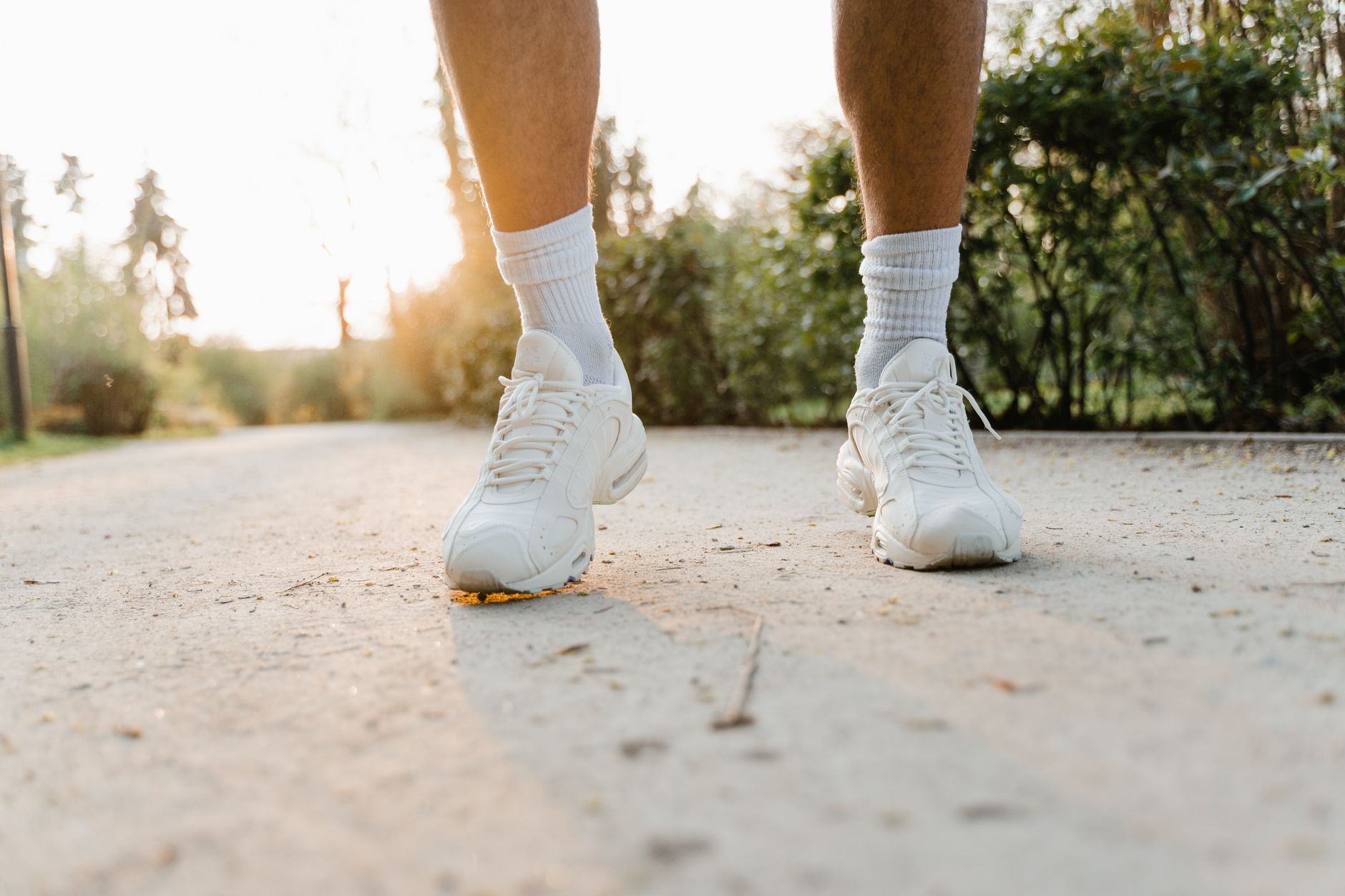
Best Walking Shoes for Wide Feet Seniors
Approximately 30% of adults have wide feet, according to podiatry research. For seniors, this percentage is even higher—as we age, feet tend to spread and widen. Finding walking shoes that fit properly becomes increasingly important for comfort, foot health, and overall mobility.
Many seniors discover that shoes they wore comfortably for years suddenly feel tight and uncomfortable. This isn't just perception—feet genuinely change over time. The ligaments that hold foot bones together stretch, arches flatten slightly, and feet spread wider. Weight gain, arthritis, and medical conditions like diabetes can further contribute to foot widening.
Shoes that are too narrow cause numerous problems:
- Bunions and bunion pain
- Corns and calluses from friction
- Foot pain that discourages walking
- Ingrown toenails from pressure
- Balance issues from unstable footing
- Circulation problems in extreme cases
The good news is that many shoe brands now offer wide and extra-wide options specifically designed for wider feet. This comprehensive guide helps you find the best walking shoes for wide feet, with detailed recommendations and practical shopping advice.
Understanding Wide Feet in Seniors
Why Feet Get Wider with Age
Several factors contribute to feet widening as we age:
Natural Aging Process The ligaments and tendons that maintain foot structure gradually stretch and relax over decades. The arch may flatten slightly, causing the foot to spread. This process is normal and affects most seniors to some degree.
Weight Changes Weight gain—whether from medication side effects, reduced activity, or other factors—puts additional pressure on feet, causing them to spread. Even modest weight gain can affect foot width.
Arthritis and Joint Changes Arthritis in foot joints causes inflammation and swelling. Rheumatoid arthritis particularly affects foot structure, often causing significant widening and deformity over time.
Medical Conditions Diabetes, peripheral edema, and other conditions cause foot swelling. Chronic swelling leads to permanent changes in foot width.
Previous Footwear Years of wearing narrow shoes can cause permanent foot changes. Bunions, once developed, require wider shoes permanently.
How to Determine Your Width
Understanding shoe width sizing helps you find proper fit:
| Width Code | Women's Width | Men's Width |
|---|---|---|
| A | Very Narrow | Very Narrow |
| B | Standard/Narrow | Narrow |
| C | Wide | - |
| D | Extra Wide | Standard |
| E (2E) | Extra Extra Wide | Wide |
| EE (4E) | - | Extra Wide |
| EEEE (6E) | - | Extra Extra Wide |
Most shoe retailers offer standard widths only. Seniors needing wide or extra-wide sizes should look for brands specifically offering extended width options.
For comprehensive foot health guidance, see our Foot Strengthening Exercises for Older Adults resource.
What to Look for in Walking Shoes for Wide Feet
Key Features
1. Wide Width Options
- Look for shoes specifically labeled "wide" (D or 2E width) or "extra-wide" (4E width)
- Some brands offer multiple width options in the same model
- Avoid shoes that only come in standard widths—they won't fit properly
The most important feature is actual wide-width sizing. A "wide toe box" on a standard-width shoe is still too narrow for genuinely wide feet.
2. Roomy Toe Box
- Round or wide toe box shapes accommodate wider feet
- Pointed toe boxes squeeze toes and cause problems
- Shoes should allow toes to spread naturally without pressure
- Extra depth options available for severe width needs
The toe box is where width matters most. Your toes should have room to spread without touching the sides.
3. Adjustable Fit
- Laces allow customization for foot width variations
- Straps provide adjustability
- Hook-and-loop closures work well for those with limited hand dexterity
- Elastic laces offer comfortable, adjustable fit
Adjustable closures accommodate feet that vary in width throughout the day due to swelling.
4. Supportive Structure
- Don't sacrifice support for width—wide shoes should still offer stability
- Look for shoes with good arch support even in wide sizes
- Stable heel counters help with balance
- Motion control features available in wide widths
Some seniors mistakenly believe wide shoes lack support. Quality brands offer full support features in wide widths.
5. Soft, Flexible Materials
- Soft leather or mesh uppers conform to feet without pinching
- Avoid stiff materials that don't stretch or adapt
- Breathable fabrics keep wide feet cool and dry
- Seamless construction reduces irritation points
Flexible materials accommodate foot width without creating pressure points.
6. Cushioned Insole
- Comfortable insoles reduce foot fatigue
- Memory foam or EVA foam provides cushioning
- Removable insoles allow custom orthotics
- Cushioning should extend across entire footbed
Features to Avoid
- Shoes only available in standard widths
- Pointed toe boxes that squeeze toes
- Stiff, unyielding materials that don't adapt
- Shoes without adjustability (fixed size)
- Thin cushioning that provides poor support
- Narrow heel counters that pinch
Top Walking Shoe Recommendations for Wide Feet
1. New Balance 877
Best for: Seniors who need maximum width options
New Balance is renowned for excellent width variety:
- Available in multiple widths: B, D, 2E, 4E, and 6E
- Rollbar technology for stability
- Abzorb cushioning for shock absorption
- Durable leather upper
- Medicare-approved for diabetic footwear coverage
- Roomy toe box across all widths
New Balance offers the widest range of size options in the industry, making it ideal for seniors with significant width needs.
2. Orthofeet Edgewater
Best for: Seniors with wide feet and foot pain
Orthofeet specializes in wide-width footwear for medical needs:
- Available in wide and extra-wide widths
- Anatomical orthotic insole for arch support
- Extra padding around heel and ankle
- Mild rocker sole for easier walking
- Soft, breathable mesh upper
- Seamless interior prevents irritation
Orthofeet combines width with therapeutic features, ideal for seniors with both wide feet and foot conditions.
3. Brooks Dyad Walker
Best for: Seniors who need stability and width
The Brooks Dyad Walker is designed for wider feet:
- Wide base for stability
- MoGo midsole cushioning for comfort
- Extended diagonal roll bar for support
- Roomier toe box than standard walking shoes
- Medicare codes available
- Available in wide widths
Brooks maintains stability features in wide sizes, proving that wide shoes can still offer excellent support.
4. SAS Bout Time
Best for: Seniors who want quality craftsmanship and width
SAS offers exceptional handmade quality:
- Wide width options available
- Soft leather upper that conforms to feet
- SAS CoolStep footbed for comfort
- Triple-density midsole for cushioning
- Hand-finished for attention to details
- Wide toe box design
SAS shoes are handmade in America, allowing customization and attention to width needs.
5. Propét Stability Walker
Best for: Budget-conscious seniors with wide feet
This affordable option doesn't compromise on width:
- Available in wide and extra-wide widths
- Padded collar and tongue for comfort
- Steel shank for stability
- Removable footbed for custom orthotics
- Durable rubber outsole
- Affordable price
Propét offers solid wide-width options at accessible prices, ideal for seniors on fixed budgets.
Compare these options with our Best Walking Shoes for Seniors with Arthritis guide if you have both conditions.
Measuring Your Feet
Get the right fit with these measurement tips:
Tips for Shopping for Wide Shoes
1. Know Your Width Code
Understand your width designation. Standard width for women is B, for men is D. Wide is 2E for women, 2E for men. Extra-wide is 4E for both. Many seniors don't realize they need wide widths until properly measured.
2. Shop in the Afternoon
Feet swell during the day. Shopping in the afternoon ensures shoes will fit even when your feet are at their largest. Morning shopping might result in shoes too tight by evening.
3. Try on Both Shoes
Always try on both shoes, not just one. Feet often differ slightly in size. Walk around the store to ensure comfort during movement.
4. Bring Your Orthotics
If you wear custom orthotics, bring them when shoe shopping. Remove the existing insoles and test your orthotics in the shoes. Ensure adequate space and comfort.
5. Check Online Retailers
Many brick-and-mortar stores carry only standard widths. Online retailers like the manufacturer websites, Amazon, and specialty stores offer broader width selections. Some brands offer free returns for online purchases.
6. Don't Settle for "Close Enough"
If shoes feel tight in the store, they'll feel worse during walking. Never settle for shoes that pinch or squeeze. Wide shoes should feel comfortable immediately.
7. Consider Size Up
If you can't find wide-width options, sizing up half a size sometimes provides additional width. However, this isn't ideal—properly sized wide shoes are better than oversized standard shoes.
Common Foot Issues with Wide Feet
Bunions
Bunions are bony protrusions at the base of the big toe, common in seniors with wide feet:
- Choose shoes with wide toe boxes
- Avoid pointed toe shoes that aggravate bunions
- Use bunion pads for extra protection
- Soft, flexible upper materials reduce pressure
- See our Best Walking Shoes for Seniors with Arthritis for bunion-specific recommendations
Morton's Neuroma
Morton's neuroma involves thickened tissue around nerves between toes:
- Shoes with roomy toe boxes reduce compression
- Avoid shoes that squeeze the ball of the foot
- Cushioned insoles provide relief
- Wide-width shoes essential for management
Flat Feet
Many seniors with wide feet also have flattened arches:
- Look for shoes with arch support even in wide widths
- Consider orthotic inserts for additional support
- Motion control features help stabilize flat feet
- Don't assume flat feet require sacrifice of width
Edema and Swelling
Seniors with chronic foot swelling need extra consideration:
- Choose shoes with extra depth for swelling accommodation
- Adjustable closures allow loosening as needed
- Shop when swelling is worst (afternoon typically)
- Some brands offer specifically designed swelling shoes
For additional support with foot conditions, see our Balance Exercises for Seniors guide.
FAQ: Walking Shoes for Wide Feet
Q: Why do feet get wider with age? A: As we age, ligaments in feet stretch and relax, causing feet to spread. Arches may flatten slightly, increasing width. Weight gain, arthritis, and medical conditions like diabetes contribute further. Many seniors find they need wider shoes than they wore decades earlier.
Q: Can I stretch narrow shoes to fit wide feet? A: You can stretch leather shoes slightly (about half a width), but it's better to buy shoes that fit properly from the start. Stretching may compromise shoe structure and support. For genuinely wide feet, wide-width shoes are the appropriate solution.
Q: Are wide shoes less supportive? A: No, quality brands offer full support features in wide widths. Wide shoes from reputable brands like New Balance, Brooks, and Orthofeet provide the same stability, cushioning, and arch support as standard-width versions. Don't sacrifice support to get width—look for brands offering both.
Q: Where can I find wide-width shoes? A: Specialty shoe stores, online retailers, and manufacturer websites offer wide-width selections. Brands like New Balance, Orthofeet, Brooks, SAS, and Propét specifically offer wide options. Many brick-and-mortar stores carry limited wide selections, making online shopping often necessary.
Q: Should I buy half a size larger for wide feet? A: Not necessarily—proper wide-width shoes are better than oversized standard shoes. Sizing up may provide width but compromises length, potentially causing other problems. Choose properly sized wide-width shoes from brands offering extended widths.
Q: Are there wide-width sandals for seniors? A: Yes! Many brands offer wide-width sandals with supportive soles and adjustable straps. Look for sandals with arch support and cushioning, not flat flip-flop styles. However, for extended walking, closed shoes typically provide better protection and support.
Q: How do I know if I need wide shoes? A: Signs include: shoes feeling tight across the width, toes touching sides, foot pain after walking, visible compression marks on feet after wearing shoes, and bunions or corns. Have your feet professionally measured at a shoe store to determine accurate width.
Q: Can diabetes affect foot width? A: Yes, diabetes often causes foot swelling (edema), which increases foot width. Diabetics should choose shoes with extra width and depth, soft materials, and seamless construction. Many recommended brands offer Medicare-approved diabetic shoes in wide widths.
Related Articles
- Best Walking Shoes for Seniors with Balance Problems
- Best Walking Shoes for Seniors with Arthritis
- Foot Strengthening Exercises for Older Adults
- Balance Exercises for Seniors
- Exercises to Improve Walking Speed After 70
- Best Resistance Bands for Seniors with Arthritis
References
- American Podiatric Medical Association: Foot Size Changes
- National Institute on Aging: Foot Care for Seniors
- Mayo Clinic: Foot Health and Proper Footwear
- American Academy of Orthopaedic Surgeons: Footwear Guidelines
- CDC: Diabetes and Foot Care
- Journal of Foot and Ankle Research: Foot Width in Older Adults