Why Walking Speed Matters for Seniors
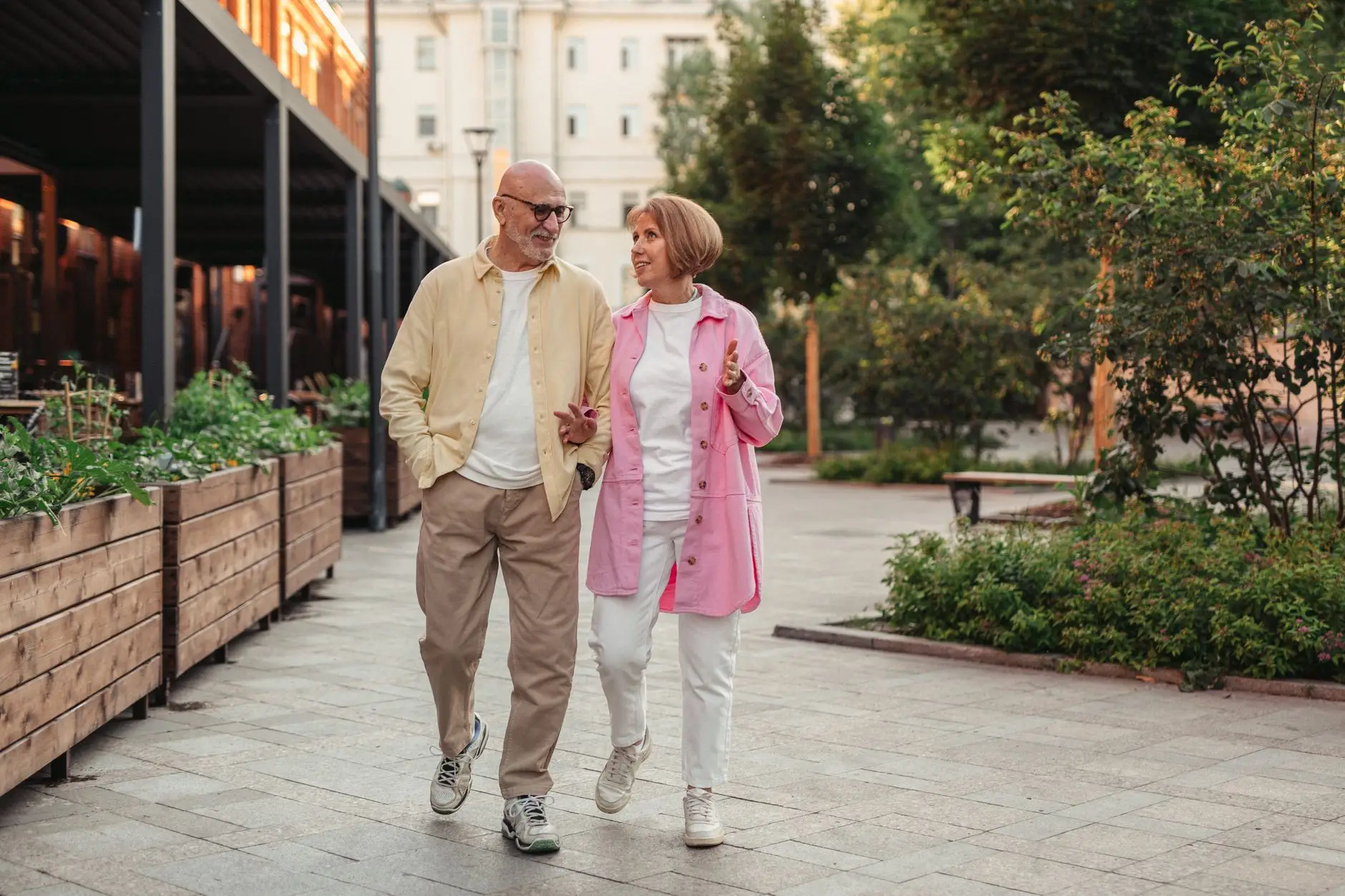
Many older adults notice that walking feels slower than it used to. Research suggests that walking speed is actually a useful indicator of overall health and functional ability in seniors. Faster walking speeds are often associated with better cardiovascular health, stronger muscles, and greater independence.
The good news is that walking speed can be improved with regular practice and specific exercises. You do not need to accept slower walking as inevitable.
Understanding What Affects Walking Speed
Several factors can contribute to slower walking speeds in older adults:
- Muscle strength: Leg muscles naturally weaken with age
- Joint flexibility: Stiffer hips, knees, and ankles limit stride length
- Balance: Worry about falling leads to cautious, slower walking
- Endurance: Reduced cardiovascular capacity tires you sooner
- Foot and ankle strength: Important for pushing off with each step
The exercises below target these specific areas to help you walk faster and with more confidence...
Exercises to Improve Your Walking Speed
1. Heel-to-Toe Walking Practice
This exercise improves your balance and stride length, both important for faster walking..
How to do it:
- Stand near a wall or counter for support if needed
- Position your right heel directly in front of your left toes
- Take a step, placing left heel in front of right toes
- Continue for 10-15 steps
- Rest and repeat for 2-3 sets
Practice this daily. Many older adults find that their walking becomes more steady within a few weeks.
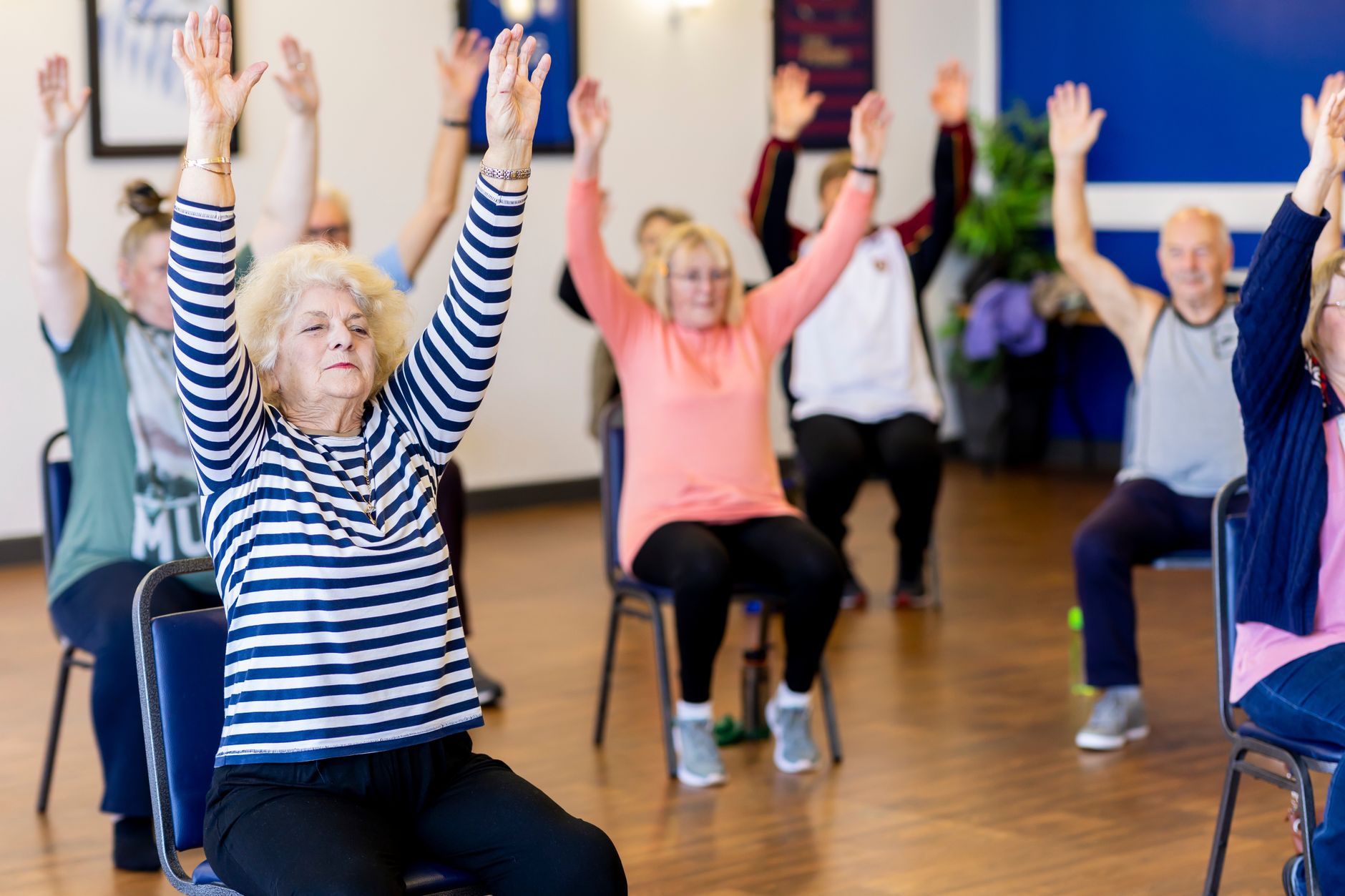
2. Sit-to-Stand Stair Climbing
Strong thighs and hips are essential for quick walking. This exercise builds that strength.
How to do it:
- Sit in a sturdy chair with feet flat on the floor
- Cross your arms over your chest
- Lean forward slightly and stand up without using your hands
- Pause for a moment at the top
- Slowly sit back down
- Repeat 10-15 times
- Rest and do 2-3 sets
If this feels too difficult, start with a higher chair or use your hands lightly for support.
3. Toe and Heel Raises
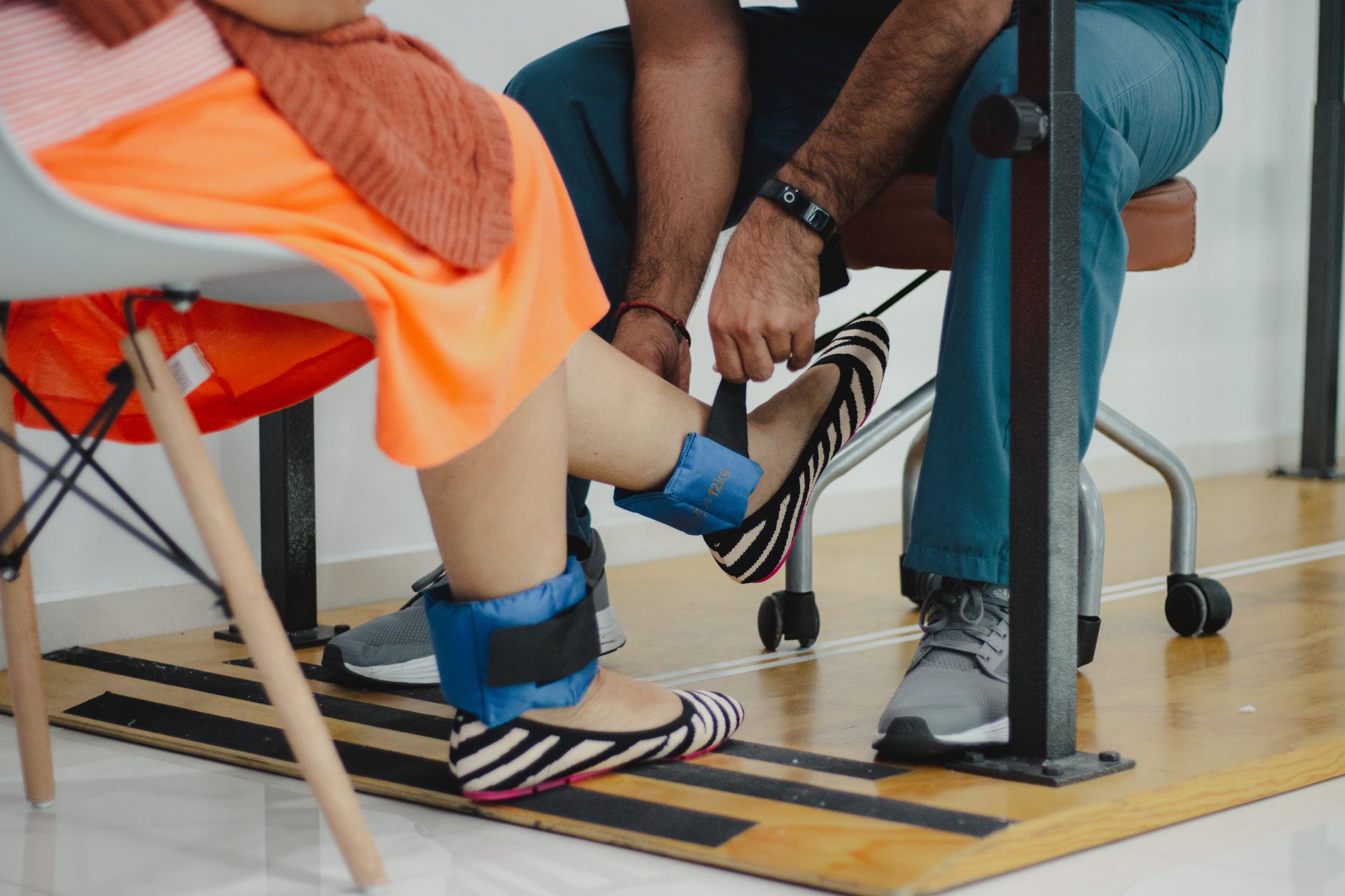
Your ankles play a crucial role in walking speed. Strong ankles help you push off the ground more powerfully.
How to do it:
- Stand behind a chair, holding it for balance 2.. Slowly rise up onto your toes
- Hold for 1-2 seconds
- Lower back down slowly
- Repeat 10-15 times
- Then practice heel raises: lift your heels off the ground while keeping toes planted
- Repeat 10-15 times
- Do 2-3 sets of each
4. Marching in Place
This exercise improves hip mobility and leg coordination while building endurance.
How to do it:
- Stand tall near a counter or wall for support
- Lift your right knee toward your chest
- Lower it and lift your left knee
- Continue marching at a comfortable pace
- Aim for 20-30 steps
- Rest and repeat for 2-3 sets
As you improve, try lifting knees higher and marching faster.
5. Side Stepping
Walking often involves changing direction. This exercise improves lateral stability and quick side movements.
How to do it:
- Stand with feet hip-width apart
- Step your right foot out to the side 3.. Bring your left foot to meet it 4.. Continue stepping right for 5-10 steps
- Then step left for 5-10 steps
- Repeat 2-3 sets in each direction
Keep your core engaged and stand tall throughout.
6. Walking Practice
Direct practice is one of the best ways to improve walking speed.
How to do it:
- Find a flat, clear walking path
- Set a timer for 5-10 minutes
- Walk at your normal comfortable pace to warm up
- Then walk as fast as you safely can while maintaining good form
- Slow down and repeat the fast intervals
- End with a cool-down walk at slower pace
Try to do this practice 3-4 times per week. Studies indicate that regular walking practice can lead to noticeable improvements in speed over time.
Tips for Safer, Faster Walking
- Wear proper shoes: Good walking shoes with supportive soles make a real difference
- Look ahead: Keep your eyes up, not down at your feet
- Swing your arms: Arm movement helps power your stride
- Take regular breaks: Stop if you feel tired or unsteady
- Stay consistent: Regular practice leads to better results than occasional intense sessions
Setting Realistic Expectations
You will not run a marathon, but incremental improvements add up over time. Most seniors who practice these exercises regularly notice meaningful changes within 4-6 weeks. Even small improvements in walking speed can translate to better endurance, more confidence, and greater independence in daily life.
When to Seek Help
If walking has become significantly more difficult, or if you experience pain, dizziness, or severe shortness of breath during walks, talk to your healthcare provider. These could be signs of underlying conditions that need attention.
FAQ: Walking Speed and Senior Mobility
How much faster can I expect to walk after doing these exercises?
Many older adults see improvements of 10-20% in walking speed after 6-8 weeks of consistent practice. Individual results vary based on starting fitness level and any underlying conditions.
Is it safe for seniors to walk fast?
Walking at a brisk but comfortable pace is generally safe for most older adults. Start slowly and gradually increase speed. If you feel chest pain, severe shortness of breath, or dizziness, stop and rest.
How often should I practice walking speed exercises?
Aim for at least 3-4 sessions per week. You can do different exercises on different days. Rest days are important for recovery.
Can these exercises help with fear of falling?
Yes. Many of these exercises, particularly balance training like heel-toe walking, can help improve confidence and reduce fear of falling..
Should I use a walker or cane while improving my walking speed?
If you currently use a mobility aid, continue using it while exercising. As your strength and balance improve, discuss with your physical therapist whether you might transition to less support..
Do these exercises help with walking upstairs?
Yes. The sit-to-stand exercises specifically target the muscles used in stair climbing. Stronger legs make climbing stairs easier.
Is walking speed really a health indicator?
Research from the NIH suggests that walking speed correlates with overall health status and can even predict future health outcomes. Maintaining good walking ability is worth the effort.
Related Articles
- Daily Stretching Routine for Seniors
- Balance Exercises for Seniors with Neuropathy
- Exercises to Stand Up From Chair More Easily
- Foot Strengthening Exercises for Older Adults
- Why Do I Walk Slower Than I Used To