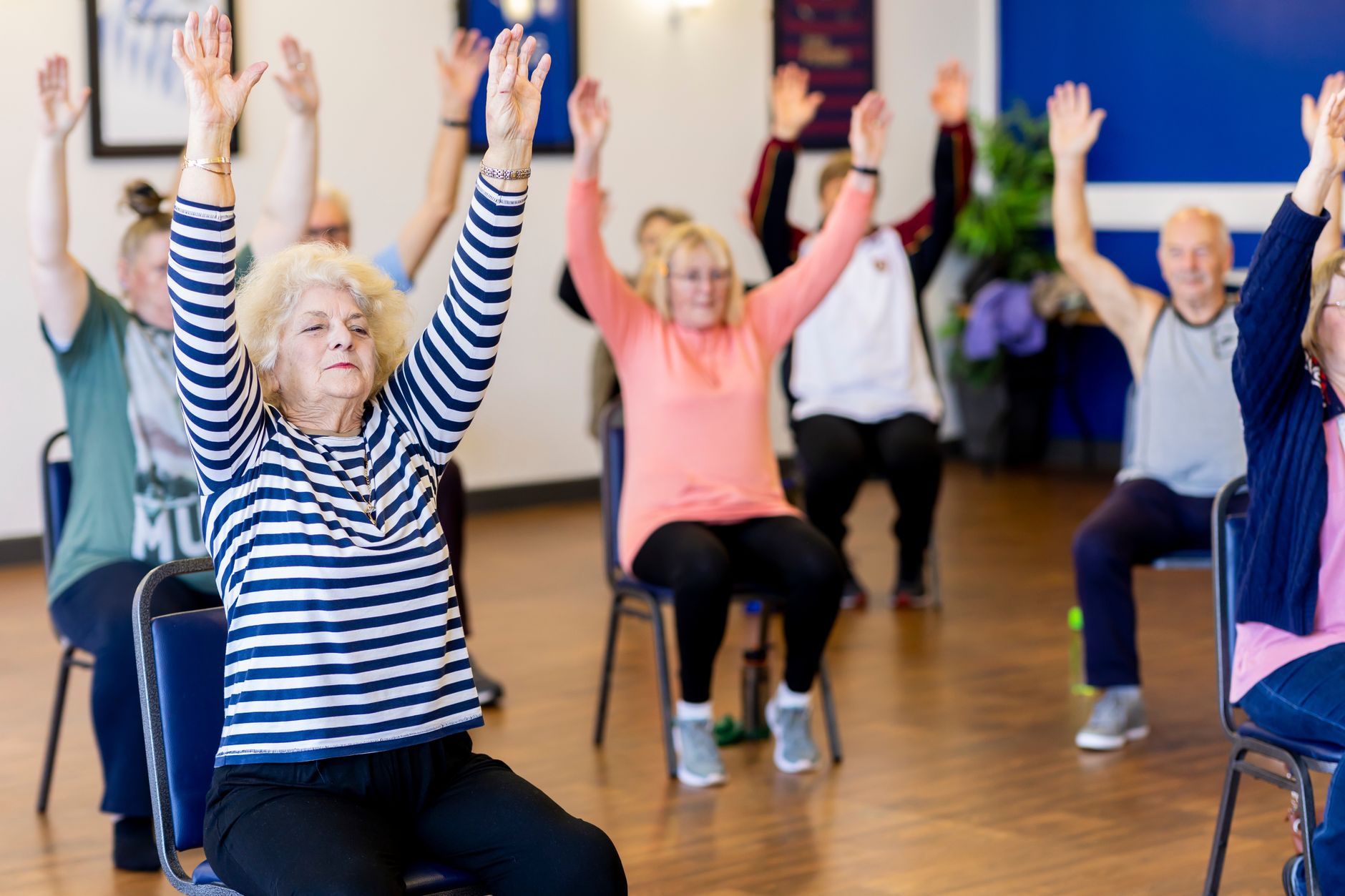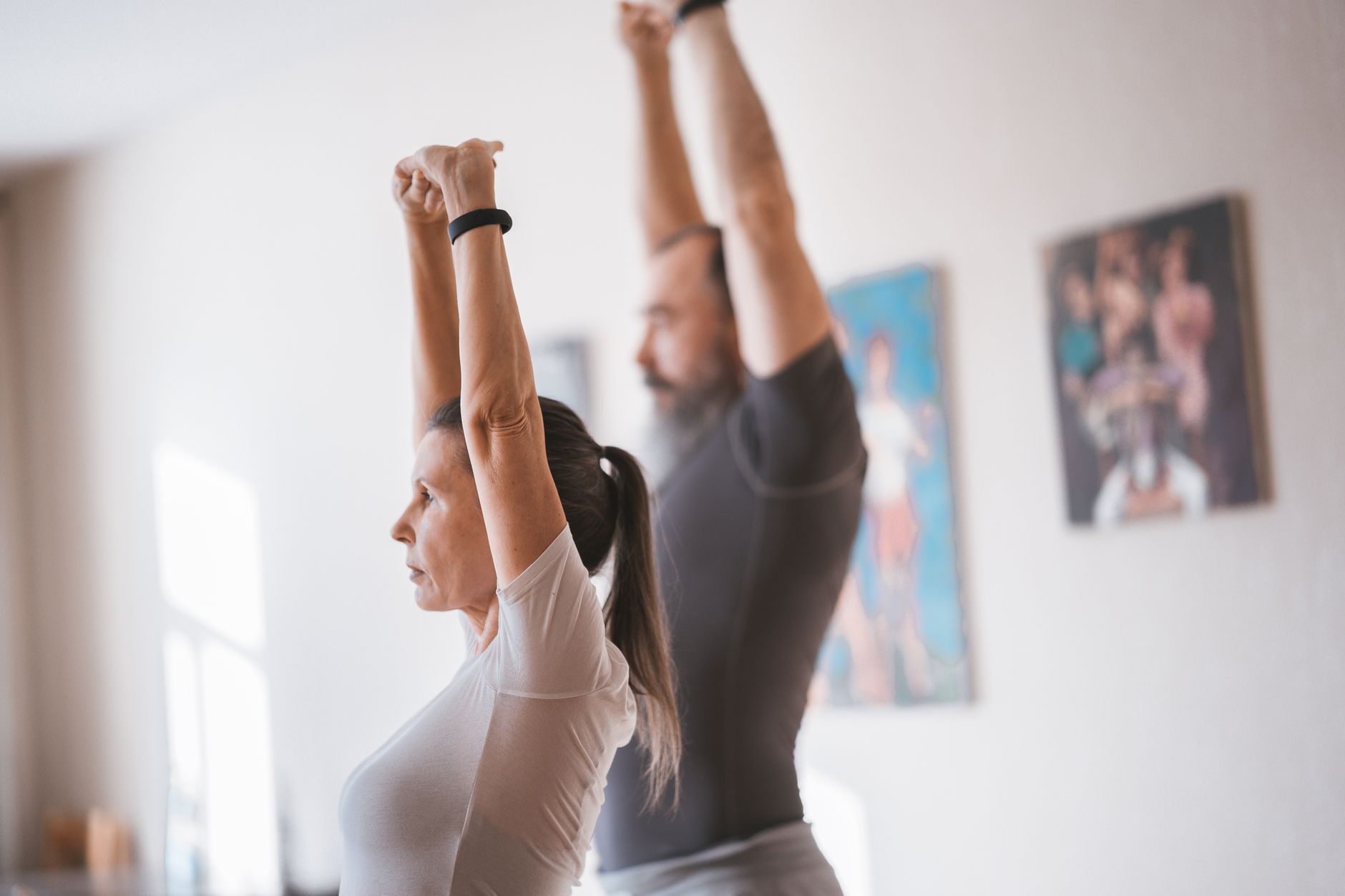
Why a Daily Mobility Routine Matters
Many older adults accept stiffness and limited movement as normal parts of aging. While some changes are natural, staying mobile is one of the best ways to maintain your independence and quality of life. Research suggests that regular movement helps preserve muscle strength, joint health, and balance as the years pass..
A daily mobility routine does not need to be complicated or time-consuming. Even 10 minutes of gentle movement each day can help counteract stiffness, maintain range of motion, and support your ability to do everyday activities.
The key is consistency. Regular, gentle movement each day is more beneficial than occasional intense workouts.
Before You Begin
Safety reminders:
- Move within a comfortable range; never force a movement
- Have a sturdy chair nearby for support
- Wear comfortable clothing that does not restrict movement
- Keep water nearby and stay hydrated
- Stop if you feel sharp pain or dizziness
The 10-Minute Morning Mobility Routine
Minute 1-2: Gentle Warm-Up
Begin with slow, controlled movements to wake up your body.
Marching in Place:
- Stand tall near a counter or wall for support
- Lift your right knee toward your chest
- Lower and lift your left knee
- Continue alternating at a comfortable pace
- Keep swinging your arms naturally
- Continue for 1-2 minutes
This increases blood flow, loosens joints, and prepares your body for stretching..
Minute 3-4: Neck and Shoulder Mobility
Neck Rolls:
- Drop your chin to your chest
- Slowly roll your head to the right
- Continue rolling back, bringing your ear toward your right shoulder
- Complete a full circle
- Reverse direction
- Do 3-4 circles each direction
Keep movements slow and gentle. Never force the range.
Shoulder Circles:
- Lift your shoulders toward your ears
- Roll them back and down in a circle
- Complete 8-10 circles
- Reverse direction for 8-10 circles
Minute 5-6: Hip and Trunk Mobility
Hip Circles:
- Stand with feet hip-width apart, holding a counter for balance 2.. Place your hands on your hips
- Make large circles with your hips, clockwise
- Complete 8-10 circles
- Reverse direction for 8-10 circles
Keep your upper body still and let your hips do the work.
Seated Spinal Twist:
- Sit tall in a sturdy chair
- Place your right hand on your left knee
- Gently twist your torso to the left
- Hold for 15-20 seconds
- Return to center
- Repeat on the other side
- Do 2-3 repetitions each side
Minute 7-8: Lower Body Mobility
Standing Knee Lifts:
- Stand behind a sturdy chair, holding it for support
- Slowly lift your right knee toward your chest
- Hold for 1-2 seconds
- Lower and repeat with your left leg
- Alternate for 10-12 lifts each leg
Ankle Circles:
- Stand or sit with one leg lifted slightly
- Rotate your right ankle clockwise 10 times
- Rotate counterclockwise 10 times
- Switch to your left ankle
- Complete 2-3 sets on each ankle
Minute 9-10: Cool Down and Stretch
Standing Back Stretch:
- Stand with feet hip-width apart
- Slowly bend forward at your hips
- Let your arms hang toward your toes
- Keep your knees slightly bent
- Hold for 15-20 seconds
- Slowly roll back up to standing
Use the chair for support as needed.
Chest Opener:
- Stand tall, feet hip-width apart
- Clasp your hands behind your back
- Squeeze your shoulder blades together
- Lift your chest and open your front body
- Hold for 15-20 seconds
- Release and relax
Tips for Making This Routine Daily
- Link it to an existing habit: Do your mobility routine right after waking up, before breakfast, or after your morning shower
- Start small: Even 5 minutes is valuable if that is what you can manage
- Track your progress: Mark a calendar each day you complete the routine
- Make it enjoyable: Listen to music or an audiobook while moving
- Be patient with yourself: Some days will feel easier than others
Benefits You May Notice
Short-term benefits:
- Reduced morning stiffness
- Easier movement first thing in the day
- Improved mood and energy
- Better posture
Long-term benefits:
- Maintained range of motion
- Stronger muscles and joints
- Reduced risk of injuries
- Greater independence in daily activities
Research indicates that older adults who maintain regular mobility routines often report better quality of life and greater confidence in their physical abilities.
Modifications for Different Abilities
If you need more support:
- Perform most exercises seated in a sturdy chair
- Keep one hand on a counter or wall at all times
- Reduce the range of motion to what feels comfortable
If you want more challenge:
- Hold each stretch a bit longer
- Add more repetitions
- Move at a slightly faster pace
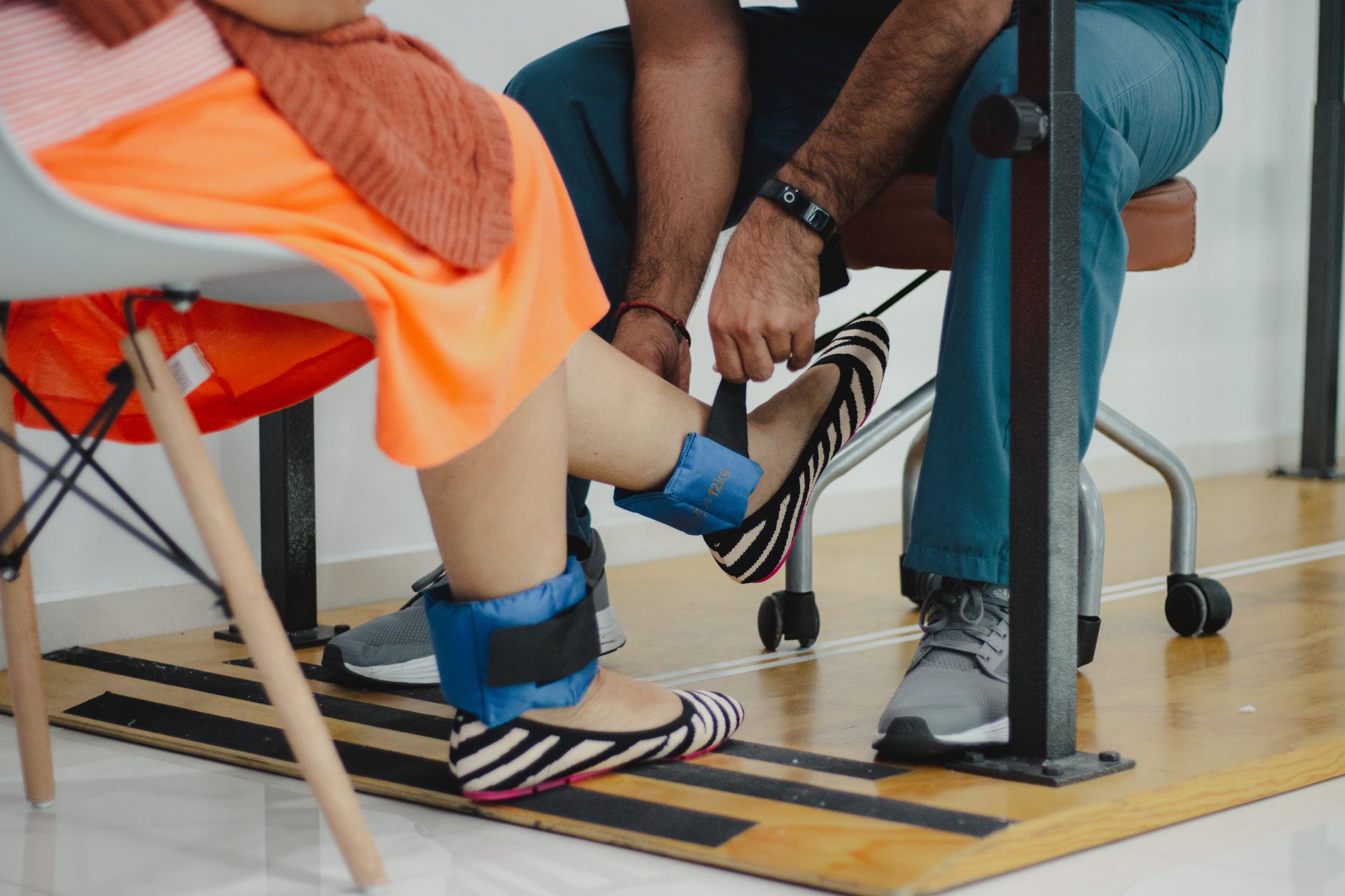
- Add light ankle weights
FAQ: Daily Mobility for Seniors
Is 10 minutes enough exercise for seniors?
Ten minutes of focused mobility work is a good starting point. Research suggests that short, daily sessions are more sustainable than occasional longer ones. You can gradually increase duration as you build the habit.
When is the best time to do this routine?
The best time is whenever you can do it consistently. Many seniors prefer morning because it reduces stiffness from sleep and sets a positive tone for the day.
I have arthritis. Is this routine safe?
Gentle mobility exercises are often recommended for arthritis. Move within a comfortable range and stop if you feel sharp pain. Consult your healthcare provider if you have concerns.
Should I do this routine before or after walking?
This routine works well before walking. The gentle movements warm up joints and muscles, preparing your body for activity.
I feel very stiff in the morning. How long should I wait before exercising?
Some stiffness after sitting is normal. Start very gently and give your body time to loosen up. A warm shower before exercising can help with severe morning stiffness.
Can I do this routine more than once per day?
Yes. Some seniors find that a short session in the morning and another in the afternoon helps manage stiffness throughout the day.
Will this routine help with my balance?
This routine includes movements that challenge balance slightly, which can help.. For more targeted balance work, consider adding specific balance exercises on other days..
Related Articles
- Daily Stretching Routine for Seniors
- Exercises to Improve Walking Speed After 70
- Balance Exercises for Seniors with Neuropathy
- Foot Strengthening Exercises for Older Adults
- Healthy Morning Routine After Age 70