Why Standing Up From a Chair Can Become Difficult
Many adults notice that getting out of a chair feels harder as the years pass. This is a common experience. The muscles in your legs and hips lose some of their strength over time, and joint flexibility can decrease. For many older adults, what once felt effortless now requires real effort or even assistance from a family member or the chair's armrest.
The challenge is that difficulty standing often leads to reduced activity, which then leads to even weaker muscles. This cycle can gradually limit independence.
The good news is that specific exercises can break this cycle. Building strength in the right muscle groups can help you stand up more easily and with more confidence.
The Key Muscles for Standing
When you stand up from a seated position, several muscle groups work together:
- Quadriceps: The large muscles in the front of your thighs are the primary drivers of standing
- Hip flexors: These muscles pull your torso forward as you rise
- Gluteal muscles: Your buttocks muscles help push you upward
- Core muscles: Abdominal and back muscles stabilize your trunk
- Ankle muscles: These provide a stable base and help shift your weight forward
Targeting these muscle groups with the right exercises can make a real difference in how easily you can get out of a chair.
Effective Exercises for Standing Strength
1. Chair Sit-to-Stand Practice
This exercise directly trains the motion of standing up.
How to do it:
- Sit in a sturdy chair with your feet flat on the floor
- Position your feet shoulder-width apart, slightly behind your knees
- Lean forward slightly so your nose is over your toes
- Push through your feet and stand up smoothly
- Pause at the top for a moment
- Slowly lower yourself back down
- Repeat 8-12 times
- Rest and do 2-3 sets
If standard height chairs feel too challenging, start with a higher surface like a dining chair instead of a low sofa chair.
2. Assisted Squat Holds
This builds strength in your quadriceps and improves your ability to rise from a seated position.
How to do it:
- Stand in front of a sturdy chair, holding its arms for support
- Lower yourself halfway down toward the chair
- Hold this position for 5-10 seconds
- Use the chair arms to help push yourself back up
- Repeat 6-8 times
- Gradually decrease the assistance as you get stronger
As your strength improves, try lowering yourself a bit further before standing back up.
3. Seated Leg Extensions
This isolation exercise strengthens the quadriceps without requiring you to stand.
How to do it:
- Sit tall in a sturdy chair
- Extend your right leg straight out in front of you
- Hold for 3-5 seconds
- Slowly lower your foot back down
- Repeat with your left leg
- Alternate legs for 10-12 repetitions each
- Do 2-3 sets
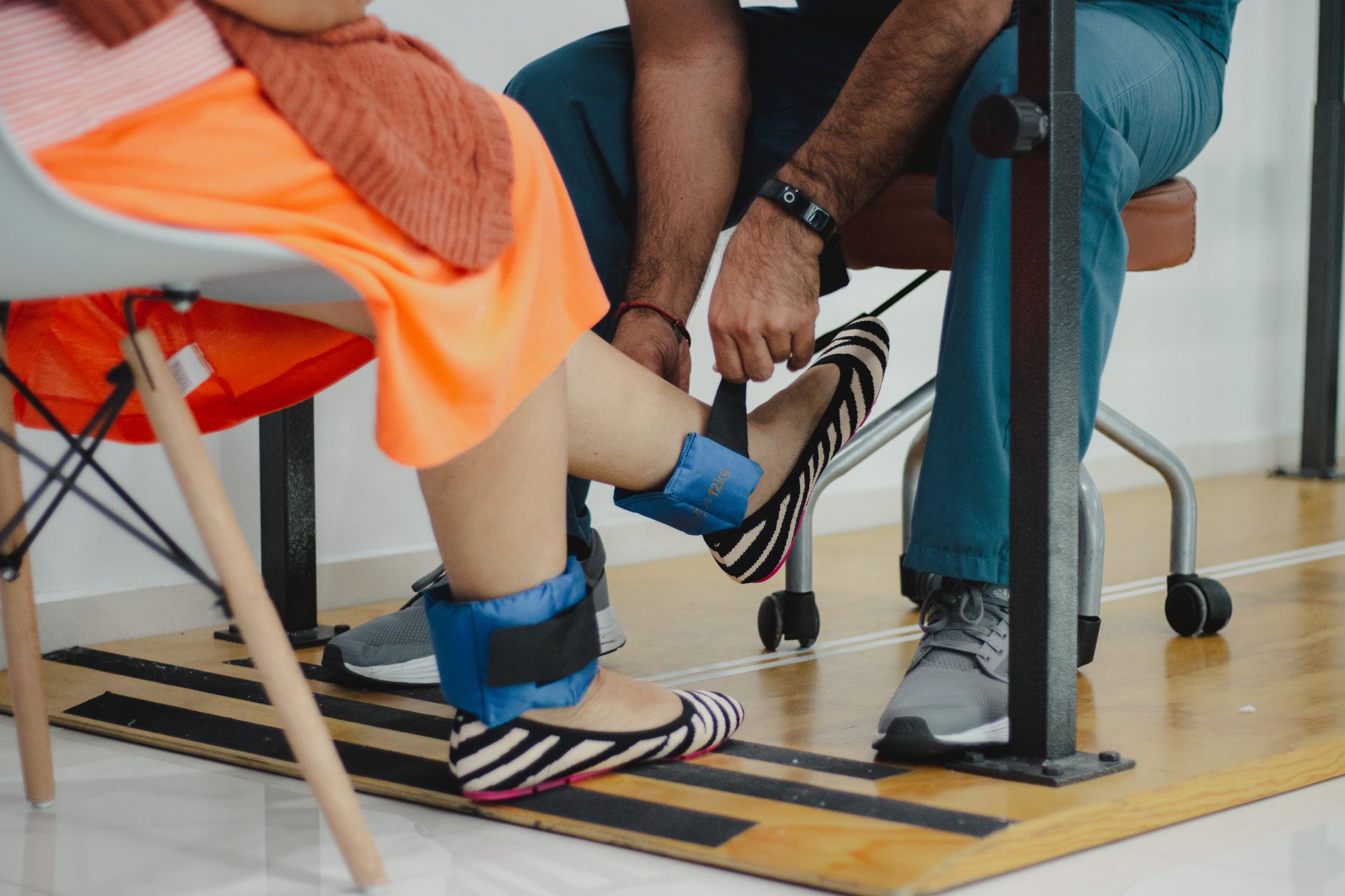
Adding a light ankle weight can increase the challenge once you build initial strength.
4. Step-Ups
This functional exercise mimics everyday stair climbing and chair standing.
How to do it:
- Stand in front of a sturdy step or bottom stair
- Hold onto a railing or wall for balance 3.. Step up with your right foot
- Bring your left foot up to meet it
- Step down with your left foot
- Bring your right foot down
- Repeat 8-10 times
- Lead with the opposite leg in the next set
Use a low step (4-6 inches) at first. As you build strength, you can use a higher step.
5. Heel Raises
Strong ankles help you push through the floor when standing.
How to do it:
- Stand behind a sturdy chair, holding it for balance 2.. Rise up onto your toes, lifting your heels off the ground
- Hold for 1-2 seconds
- Slowly lower your heels back down
- Repeat 10-15 times
- Rest and do 2-3 sets
6. Hip Flexor Stretches
Tight hip flexors can make it harder to lean forward when standing. Stretching them helps..
How to do it:
- Stand beside a chair for balance 2.. Take a large step backward with your right foot
- Keep your right heel off the ground
- Bend your left knee and push your hips forward gently
- You should feel a stretch in the front of your right hip
- Hold for 20-30 seconds
- Switch sides and repeat
- Do 2-3 stretches on each side
Tips for Standing Up More Easily Every Day
- Choose the right chair: Higher, firmer chairs with armrests make standing easier
- Position your feet properly: Place feet slightly behind your knees, shoulder-width apart
- Lean forward before rising: This shifts your weight forward and engages the right muscles
- Push through your heels: This activates your quadriceps effectively
- Use armrests when needed: It is okay to use some arm support as you build strength
How Long Before You Notice Improvement
Most older adults who practice these exercises consistently notice improvement within 3-4 weeks. Significant changes typically appear after 6-8 weeks of regular practice. The key is consistency: performing the exercises several times per week, even if just for a few minutes each day.
A Sample Weekly Routine
- Monday: Sit-to-Stand Practice + Heel Raises
- Tuesday: Rest or light walking
- Wednesday: Seated Leg Extensions + Step-Ups
- Thursday: Rest or light walking
- Friday: Assisted Squat Holds + Hip Flexor Stretches
- Saturday: Light walking or gentle activity
- Sunday: Rest
FAQ: Standing Up More Easily
How long does it take to see improvement?
Many seniors notice easier standing after 3-4 weeks of consistent exercise.. More significant improvements typically appear within 6-8 weeks.
Should I exercise every day?
It is best to rest between intense sessions. Aim for 3-4 days per week with these exercises, allowing rest days in between.
I have knee arthritis. Is it safe to do these exercises?
Gentle strengthening exercises are often recommended for arthritis. However, if you experience pain during any exercise, stop and consult your healthcare provider.
My legs feel shaky when I stand. Will these exercises help?
Yes. Shakiness often indicates muscle weakness or joint instability. These exercises build strength and confidence over time.
Is it better to do these exercises in the morning or evening?
Either time works, as long as you are consistent. Some people find that morning practice helps them feel more capable throughout the day.
I live alone and am worried about falling. What should I do?
Start with exercises that have a sturdy chair or wall for support. Consider keeping your phone within reach. As you build strength, your confidence will grow.
Can I add weights to these exercises?
Yes, once you have built basic strength, light ankle weights or holding small dumbbells can increase the challenge. Start very light and increase gradually.
Related Articles
- How to Help Elderly Parent Stand Up Safely
- Exercises to Improve Walking Speed After 70
- Daily Stretching Routine for Seniors
- Balance Exercises for Seniors with Neuropathy
- Foot Strengthening Exercises for Older Adults