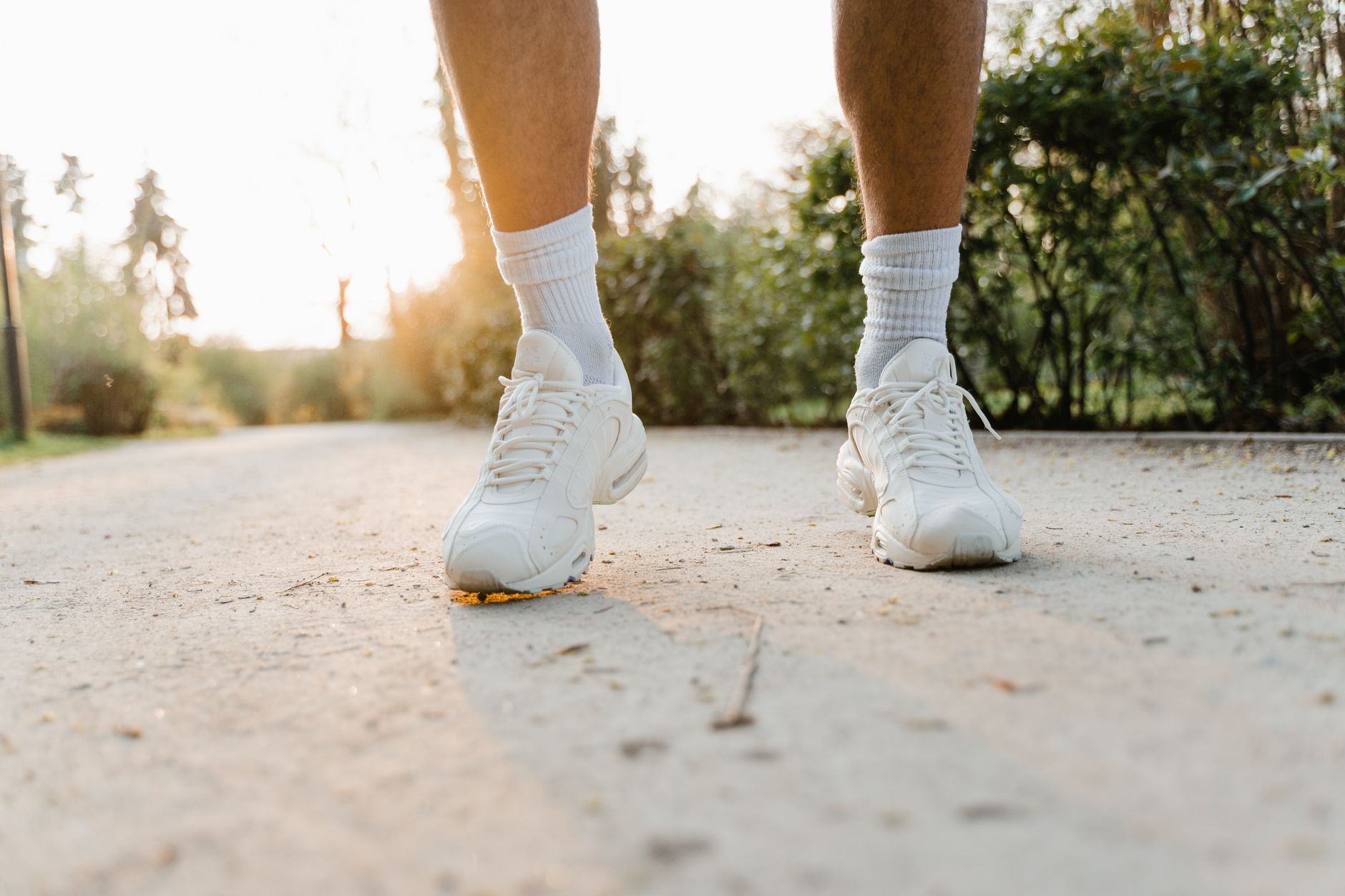
Best Walking Shoes for Seniors with Arthritis
Arthritis affects over 54 million adults in the United States, according to the CDC. For many seniors with arthritis, walking can become painful and difficult—but movement is actually essential for managing arthritis symptoms. The right shoes can make a significant difference, transforming uncomfortable walks into manageable, even enjoyable activity.
Arthritis causes inflammation in joints, leading to pain, stiffness, and reduced mobility. Osteoarthritis, the most common form in seniors, involves the gradual breakdown of joint cartilage. Rheumatoid arthritis causes inflammation throughout the body. Both types affect how you walk and require thoughtful footwear choices.
Walking is one of the best exercises for arthritis. It's low-impact, accessible, and helps maintain joint flexibility, muscle strength, and overall health. However, walking in improper shoes can increase pain, worsen symptoms, and discourage activity. Conversely, well-designed arthritis-friendly shoes can reduce joint stress and make walking possible again.
The best walking shoes for arthritis provide:
- Excellent cushioning to absorb impact and reduce joint stress
- Supportive soles to maintain proper alignment and reduce strain
- Roomy toe boxes to accommodate swollen, sensitive feet
- Flexible construction for natural, comfortable movement
- Lightweight design to reduce fatigue
This comprehensive guide covers what to look for, provides specific recommendations, and offers practical tips to help you find shoes that make walking comfortable again.
Understanding Arthritis and Footwear Needs
How Arthritis Affects Walking
Arthritis changes how your feet and legs function, which affects your footwear needs:
Joint Pain and Sensitivity Arthritic joints are sensitive to impact. Every step sends forces through your feet, knees, hips, and spine. Without adequate cushioning, these forces aggravate already painful joints. Shoes with good shock absorption can significantly reduce this discomfort.
Foot Swelling and Shape Changes Many seniors with arthritis experience foot swelling, especially later in the day. Arthritis can also cause structural changes like bunions, hammer toes, and widened feet. Standard shoe sizes may no longer fit properly. Roomy, adjustable shoes accommodate these changes.
Balance and Stability Concerns Arthritis in knees, hips, or feet can affect balance. Some seniors with arthritis feel unsteady while walking. Stable shoes with good traction help prevent falls while providing confidence during movement.
Stiffness and Limited Flexibility Arthritis causes joint stiffness, especially in the morning or after sitting. Shoes that are too rigid can make walking more difficult during these stiff periods. Flexible yet supportive shoes adapt to your changing mobility.
What Podiatrists Recommend
The American Podiatric Medical Association emphasizes several principles for arthritis footwear:
- Choose shoes with excellent shock absorption
- Look for wide toe boxes that don't squeeze toes
- Ensure proper arch support for alignment
- Avoid high heels that stress knees and hips
- Replace shoes regularly as cushioning degrades
- Consider custom orthotics if recommended by your doctor
For exercise guidance beyond walking, see our Exercises for Seniors with Arthritis resource.
What to Look for in Walking Shoes for Arthritis
Key Features
1. Excellent Cushioning
- Thick, shock-absorbing midsoles reduce impact on joints
- Gel or air cushioning in heel and forefoot areas
- Memory foam or EVA foam provides comfort
- Look for "maximum cushioning" or "plush" shoe categories
Cushioning is the most critical feature for arthritis sufferers. The more impact your shoes absorb, the less your joints experience. According to Arthritis Foundation recommendations, cushioning should be substantial—not thin or firm.
2. Supportive Arch
- Proper arch support helps distribute weight evenly across feet
- Reduces stress on knees, hips, and lower back
- Orthotic-friendly shoes allow custom inserts
- Built-in arch support works for many arthritis patients
Arch support maintains alignment from foot through your entire kinetic chain. Poor arch support causes overpronation, which can worsen knee and hip arthritis.
3. Roomy Toe Box
- Arthritis often causes foot swelling—roomy toe boxes prevent pressure
- Round or wide toe shapes are better than pointed ones
- Shoes should accommodate bunions comfortably
- Extra depth options available for severe swelling
A cramped toe box causes pain and alters gait, potentially worsening arthritis symptoms elsewhere. The toe box should allow toes to spread naturally.
4. Flexible Sole
- A flexible sole allows natural foot movement
- Stiff soles can increase joint stress
- Look for soles that bend at the ball of foot
- Balance flexibility with overall support
5. Lightweight Construction
- Heavy shoes tire legs quickly and increase joint strain
- Lightweight materials reduce fatigue during walking
- Modern synthetics offer support without heaviness
6. Adjustable Fit
- Laces or straps allow customization for swollen feet
- Hook-and-loop closures easier for those with hand arthritis
- Elastic laces provide adjustable fit without tying
Features to Avoid
- Very flat shoes with no arch support (flip-flops, ballet flats)
- Shoes with thin soles that don't absorb impact
- Narrow toe boxes that squeeze toes and bunions
- Rigid soles that don't flex with your foot
- Heavy shoes that add strain to already painful joints
- High heels (over 1 inch) that stress knees and hips
- Slip-on shoes without fastening that can slip or cause instability
Top Walking Shoe Recommendations for Arthritis
1. Brooks Addiction Walker
Best for: Overall arthritis comfort and stability
The Brooks Addiction Walker is a favorite among seniors with arthritis:
- BioMoGo DNA cushioning adapts to your stride for personalized comfort
- Extended Progressive Diagonal Rollbar provides stability without restricting movement
- Roomy toe box accommodates swollen feet and bunions
- Medicare-approved for diabetic footwear coverage
- Durable construction for long-lasting use
- Available in multiple widths
The Addiction Walker's adaptive cushioning responds to your individual needs, providing support exactly where required.
2. Orthofeet Coral
Best for: Seniors with severe foot pain or sensitivity
Orthofeet specializes in orthotic-friendly footwear for medical conditions:
- Anatomical orthotic insole provides excellent arch support
- Extra padding around heel and ankle reduces pressure points
- Mild rocker sole promotes natural walking motion and reduces stress
- Multiple width options including extra-wide
- Soft, breathable upper material for comfort
- Seamless interior prevents irritation
Orthofeet's design prioritizes comfort for sensitive, painful feet common with arthritis.
3. New Balance 928v3
Best for: Seniors with overpronation or requiring motion control
This shoe offers excellent motion control and support:
- Rollbar technology helps control rear-foot movement
- Abzorb cushioning absorbs shock effectively
- Medicare-approved for diabetic footwear
- Durable rubber outsole with good traction
- Lightweight yet supportive construction
- Multiple width options
New Balance's width range accommodates feet that have changed due to arthritis.
4. SAS Journey Mesh
Best for: Seniors who want breathability and handmade quality
SAS is known for exceptional comfort and craftsmanship:
- Soft mesh upper for breathability—important for swollen feet
- SAS CoolStep footbed keeps feet cool and dry
- Triple-density midsole for graduated cushioning
- Stable heel counter for support
- Hand-finished for quality attention to details
- Wide toe box design
SAS shoes are handmade in America with arthritis sufferers' needs considered.
5. Ryka Devotion Plus 3
Best for: Women with arthritis needing female-specific design
Designed specifically for women's feet:
- Impact-Rite cushioning in heel reduces joint stress
- Anatomical Precise-Return footbed for arch support
- Re-zorb Lite foam for lightweight cushioning
- Flexible sole for natural movement
- Wide toe box option available
- Stylish design without sacrificing comfort
Women's feet differ from men's in shape and arch structure. Ryka designs accommodate these differences.
For additional foot health, explore Foot Strengthening Exercises for Older Adults to complement your walking routine.
Finding the Right Fit
Proper fit is essential for arthritis comfort:
Additional Tips for Walking with Arthritis
1. Start Slow and Build Gradually
Begin with short walks (5-10 minutes) and gradually increase distance as tolerated. Pushing too hard early can cause pain and discourage continuation.
2. Choose the Right Surface
Walk on smooth, even surfaces to reduce joint impact. Avoid uneven ground, steep hills, and hard surfaces like concrete when possible. Grass, dirt paths, and rubberized tracks are gentler on joints.
3. Use Walking Poles
Walking poles distribute weight through your arms, reducing stress on knees and hips by up to 20-30%. They also improve stability and balance.
4. Warm Up Before Walking
Do gentle stretches and range-of-motion exercises before walking to loosen stiff joints. Warm muscles and joints respond better to activity.
5. Cool Down After Walking
Walk slowly at the end and stretch gently. This allows muscles to relax and prevents stiffness after activity.
6. Listen to Your Body
If pain increases beyond mild discomfort, stop and rest. Never push through severe pain—this can worsen arthritis. Some discomfort is normal, but sharp or increasing pain signals overexertion.
7. Time Your Walks Wisely
Many arthritis sufferers are stiffest in the morning. Afternoon walks may be easier when joints have loosened. Anti-inflammatory medications taken as prescribed can help before walking.
8. Stay Consistent
Regular, moderate walking is better than occasional intense sessions. Establish a routine that you can maintain comfortably.
For joint-friendly exercise options, see our Chair Exercises for Elderly guide for alternatives on difficult days.
When to Replace Your Shoes
Replace walking shoes when you notice:
- The treads are worn smooth (loss of traction and stability)
- The midsole feels compressed or less cushioned (less shock absorption)
- The upper has stretched or no longer fits securely
- You notice increased joint pain during or after walking
- Shoes are over a year old with regular use
- Visible wear patterns or asymmetry
For arthritis sufferers, consider replacing shoes earlier than standard recommendations. Your joints need maximum protection, and even slightly worn cushioning can increase discomfort.
Common Mistakes to Avoid
Mistake 1: Choosing Fashion Over Comfort Stylish shoes may be tempting, but for arthritis, comfort must come first. Prioritize features that reduce joint stress over appearance.
Mistake 2: Wearing Worn Shoes Arthritis demands fresh cushioning. Worn shoes lose their shock-absorption capacity, increasing joint stress.
Mistake 3: Ignoring Foot Changes Arthritis can change foot size and shape. Measure your feet regularly and don't assume your size hasn't changed.
Mistake 4: Skipping Orthotics If your doctor recommends custom orthotics, use them. Generic shoe insoles cannot match custom support for your specific needs.
Mistake 5: Walking Too Much Too Soon Start gradually and build slowly. Overdoing walking can cause setbacks and discourage continuation.
Mistake 6: Walking on Hard Surfaces Concrete and asphalt transmit maximum impact to joints. Choose softer surfaces when possible.
For comprehensive support, consider Best Resistance Bands for Seniors with Arthritis for additional strengthening exercises.
FAQ: Walking Shoes for Arthritis
Q: Can the right shoes really help with arthritis pain? A: Yes, absolutely. Proper cushioning and support significantly reduce joint stress and pain during walking. Research shows that well-designed shoes can decrease knee joint loading by up to 15%. Many arthritis sufferers report dramatic improvement with appropriate footwear.
Q: Should I wear running shoes or walking shoes? A: Both can work well for arthritis. Walking shoes often provide more stability for slower-paced walking. Running shoes typically offer more cushioning for impact absorption. The key is choosing a shoe with the features you need—cushioning, support, roomy toe box—regardless of category.
Q: Are expensive shoes worth it for arthritis? A: Quality shoes with good cushioning and support often cost more than basic options, but the investment is worthwhile for arthritis management. However, price alone doesn't guarantee suitability—focus on features rather than brand or price. Some moderately priced shoes offer excellent arthritis-friendly features.
Q: Can I use orthotics with arthritis-friendly shoes? A: Most recommended shoes are orthotic-friendly with removable insoles. Custom orthotics provide personalized support that generic insoles cannot match. If your podiatrist recommends orthotics, choose shoes that accommodate them easily.
Q: My feet swell during the day. What should I do? A: Shop for shoes in the afternoon when feet are largest. Choose shoes with adjustable closures (laces, straps) that can be loosened as needed. Look for extra-depth or extra-width options. Some brands offer specifically designed shoes for swelling feet.
Q: Are there specific shoes for knee vs. hip arthritis? A: All recommended shoes help general arthritis by reducing impact and improving alignment. For knee arthritis, prioritize maximum cushioning and stability. For hip arthritis, ensure excellent arch support and shock absorption. Consult your orthopedist for personalized recommendations.
Q: How often should arthritis sufferers replace walking shoes? A: Consider replacing every 6-12 months with regular use, or sooner if cushioning feels compromised. Arthritis demands maximum protection, so don't wait until shoes are visibly worn. Pay attention to any increase in joint pain during walking—a signal that shoes may need replacement.
Q: Can I wear sandals with arthritis? A: Supportive sandals with cushioned soles and adjustable straps can work for arthritis in warm weather. Avoid flat, thin sandals with no support. Look for sandals with arch support and shock absorption. However, for extended walking, closed shoes typically provide better protection.
Related Articles
- Best Walking Shoes for Seniors with Balance Problems
- Best Walking Shoes for Wide Feet Seniors
- Exercises for Seniors with Arthritis
- Chair Exercises for Elderly
- Best Resistance Bands for Seniors with Arthritis
- Foot Strengthening Exercises for Older Adults