📌Key Takeaways
- For most adults, the general sodium limit is 2,300 mg per day; many adults with high blood pressure benefit from aiming closer to 1,500 mg.
- Most dietary sodium comes from packaged, prepared, and restaurant foods rather than the salt shaker at home.
- Older adults may become more sensitive to sodium because blood vessels and kidney function change with age.
- You do not have to make food bland: lemon, vinegar, garlic, herbs, spices, and other flavor-building ingredients can replace much of the added salt.
- Small, repeatable changes usually work better than trying to eliminate sodium overnight.
Introduction
Picture an ordinary day before anyone reaches for a shaker: two slices of bread folded around deli turkey at lunch, a bowl of canned soup, a handful of crackers in the afternoon, soy sauce with dinner, and a restaurant meal waiting on the weekend calendar. None of it tastes especially salty.
The salt shaker is, in fact, the smallest sodium source in the average kitchen. Bread and rolls, sliced deli meat, canned soups and bottled sauces, and meals cooked outside the home do most of the work—the sodium was already in the food before it came through your door.
The path from that food to your blood pressure is fairly direct. Sodium holds water in the bloodstream, so a salty day leaves more fluid moving through the same network of vessels. More fluid pushes harder against the vessel walls, which is the pressure a cuff reads on your arm. Kept up for years, that steady push stiffens arteries and forces the heart to pump against a heavier load, raising the long-term risk of stroke, heart disease, and other cardiovascular problems.
This matters more with age, when blood vessels and kidneys handle excess sodium less efficiently.
The good news is that reducing sodium does not mean giving up enjoyable food.
You do not need to eat flavorless vegetables and plain rice for the rest of your life.
The most useful approach is to understand where sodium is hiding, learn how to read food labels, and replace a few high-sodium foods with better options.
This guide walks through where sodium hides, how much to aim for, and how to shop, order, and cook so dinner is still something to look forward to.
Quick Facts About Salt, Sodium, and Heart Health
Salt vs. Sodium: What Is the Difference?
The words "salt" and "sodium" are often used as if they mean the same thing, but they are not exactly the same.
Sodium is a mineral that your body needs in small amounts. It helps regulate fluid balance, nerve signals, and muscle function.
Salt is sodium chloride. Regular table salt contains roughly 40% sodium by weight.
For example, if a food contains 1 gram of salt, that is roughly 400 mg of sodium.
But you usually do not need to calculate this yourself.
When you are shopping, the number that matters is the sodium amount listed on the Nutrition Facts label.
A simple rule for sodium
Do not worry about whether a food uses sea salt, Himalayan salt, or regular table salt first. Look at the total sodium in the food.
- •Check sodium in milligrams (mg)
- •Check the serving size
- •Compare similar products
- •Pay attention to sauces and seasonings
- •Look at your total daily intake, not just one meal
How Much Sodium Should Seniors Eat?
There is no single sodium target that is perfect for every older adult.
For most adults, 2,300 mg of sodium per day is the general upper limit used by major U.S. health authorities.
The American Heart Association recommends an ideal limit of 1,500 mg per day for most adults with high blood pressure, although individual recommendations can vary.
If you are over 65 and have:
- High blood pressure
- Heart failure
- Kidney disease
- Diabetes
- Swelling or fluid retention
- A history of stroke
your healthcare professional may recommend a specific sodium target.
Do not assume that "less is always better."
Extremely restrictive diets can be difficult to maintain and may not be appropriate for everyone. People taking certain medications or living with kidney or heart conditions should discuss major dietary changes with their healthcare team.
What Does 2,300 mg Actually Look Like?
Two thousand three hundred milligrams sounds like a large number.
It becomes much easier to understand when you look at ordinary foods.
A day could look something like this:
- Breakfast: bread + cheese = 400 mg
- Lunch: deli turkey sandwich = 900 mg
- Snack: crackers = 250 mg
- Dinner: canned soup = 700 mg
- Sauce or dressing = 300 mg
That already adds up to about 2,550 mg, without adding much salt at the table.
This is why the salt shaker is often not the biggest problem.
Why Sodium Matters More as We Age
Your body has several systems that help keep sodium and fluid levels balanced.
The kidneys play a major role by removing excess sodium through urine.
Blood vessels also adjust their tone to control blood pressure.
Both systems change with age.
Older adults are more likely to experience changes in kidney function, blood vessel stiffness, and blood pressure regulation. This does not mean every senior is automatically "salt-sensitive," but it does mean sodium reduction can be particularly useful for older adults with hypertension.
Sodium and Blood Pressure
When you consume more sodium than your body needs, sodium can contribute to water retention.
That extra fluid increases the amount of blood circulating through your blood vessels.
In some people, this contributes to higher blood pressure.
Over time, uncontrolled high blood pressure places additional stress on the heart and blood vessels.
This is one reason sodium reduction works best inside a broader blood-pressure plan. Regular movement, a healthy weight, plenty of fruits and vegetables, adequate sleep, limited alcohol, stress management, and prescribed medications taken as directed all work on the same system from different angles.
You cannot adjust all of them today. Sodium is simply one of the easier levers to reach first.
How Much Can Lowering Sodium Lower Blood Pressure?
So how far will cutting salt actually move the number on the cuff?
The honest answer is it depends.
Some people respond strongly to sodium reduction, while others see a smaller change.
People who are particularly salt-sensitive may experience a noticeable reduction in blood pressure after reducing sodium.
Clinical research, including the DASH-Sodium trial and later studies, has consistently shown that reducing dietary sodium can lower blood pressure.
The effect tends to be greater in people with:
- Existing hypertension
- Older age
- Higher baseline sodium intake
- Greater salt sensitivity
Rather than promising that cutting sodium will lower your blood pressure by a specific number, it is better to think of it as an experiment:
Eat less sodium consistently for several weeks and track your blood pressure.
That gives you useful information about how your body responds.
Your blood pressure can change for many reasons
Do not assume that every change in your blood pressure is caused by sodium. Stress, sleep, caffeine, exercise, medications, pain, illness, and even the way you measure your blood pressure can affect your readings.
The Hidden Sodium Problem
If the shaker accounts for only a small share, where does the rest come from?
Mostly from food that was prepared before it reached you—packaged, preserved, or cooked in someone else's kitchen. Manufacturers and restaurants add sodium to preserve food, improve texture, and boost flavor, which is why a single meal can carry well over a day's worth without tasting salty.
Here are the biggest sources to watch.
10 common hidden sodium sources
These foods can add hundreds or even more than 1,000 mg of sodium to a meal or snack.
- •Deli turkey, ham, roast beef, bacon, and sausage
- •Canned soups and broths
- •Frozen dinners
- •Pizza
- •Bread, rolls, bagels, and tortillas
- •Cheese and processed cheese products
- •Crackers and savory snacks
- •Soy sauce, teriyaki sauce, and bottled dressings
- •Pickles, olives, and other brined foods
- •Restaurant meals and takeout
1. Deli Meat
Deli meat is convenient.
It is also one of the easiest ways to accidentally add a large amount of sodium to lunch.
Turkey may sound healthy.
But deli turkey can contain substantially more sodium than plain turkey roasted at home.
The same is true for:
- Ham
- Salami
- Bologna
- Bacon
- Sausage
- Cured beef
- Smoked meat
A Better Swap
Instead of relying on deli meat every day, try:
- Home-roasted chicken
- Home-roasted turkey
- Low-sodium tuna
- Egg salad made at home
- Unsalted beans
- Hummus in a moderate portion
- Leftover grilled chicken
You do not have to eliminate deli meat completely.
Simply making it an occasional food instead of an everyday staple can make a meaningful difference.
2. Canned Soup
Soup is often considered a healthy senior-friendly meal.
And it can be.
The problem is that many canned soups contain a surprising amount of sodium.
A single bowl can consume a large portion of your daily sodium target.
Better Options
Look for:
- Low-sodium soup
- No-salt-added soup
- Reduced-sodium broth
Or make a simple soup at home with:
- Beans
- Lentils
- Chicken
- Carrots
- Celery
- Tomatoes
- Spinach
- Garlic
- Onion
- Herbs
- Lemon
You can build a very flavorful soup without relying on large amounts of salt.
3. Bread
Bread does not taste particularly salty.
That is exactly why it is easy to overlook.
A slice of bread may contain only a modest amount of sodium, but two slices every day can add up.
Then add:
- Cheese
- Deli meat
- Pickles
- Mustard
- Mayonnaise
- Chips
Suddenly a simple sandwich can become a high-sodium meal.
The Better Approach
When buying bread, compare several brands.
Look at:
Sodium per serving → serving size → total sodium in your meal
Do not automatically assume that whole-wheat bread or multigrain bread is low in sodium.
Healthy ingredients and low sodium are not the same thing.
4. Sauces and Condiments
Sauces are small.
Their sodium content may not be.
Soy sauce, teriyaki sauce, barbecue sauce, bottled salad dressing, gravy, and many prepared marinades can contribute a surprising amount of sodium.
Instead of pouring sauce over an entire meal, try putting a small amount in a dipping dish.
You get the flavor without covering every bite.
5. Restaurant Food
Restaurants have one major advantage over home cooking:
They need food to taste consistently good.
Salt is an inexpensive and effective way to increase flavor.
Restaurant meals can therefore contain much more sodium than you expect.
This is especially true for:
- Soups
- Sauces
- Pasta dishes
- Pizza
- Fried foods
- Asian-style dishes with soy sauce
- Processed meats
- Sandwiches
- Breakfast combinations
Why Food Tastes Different as We Get Older
Have you ever noticed that a favorite meal does not taste as flavorful as it used to?
You are not imagining it.
Aging dulls taste and smell, cuts saliva production, and can shift both appetite and the simple comfort of eating. Some medications and medical conditions change how food tastes, too.
When food seems bland, adding more salt can feel like the obvious solution.
But there is another way.
Train Your Taste Buds Again
Your palate can adapt.
If you reduce sodium gradually, foods that initially seem bland can become more flavorful again.
Instead of removing every source of salt overnight, try reducing it step by step.
For example:
Week 1: Stop adding salt automatically at the table.
Week 2: Replace one high-sodium packaged food.
Week 3: Experiment with herbs, garlic, lemon, and vinegar.
Week 4: Compare your favorite products and choose lower-sodium versions.
You may discover that foods you once considered "normal" now taste surprisingly salty.
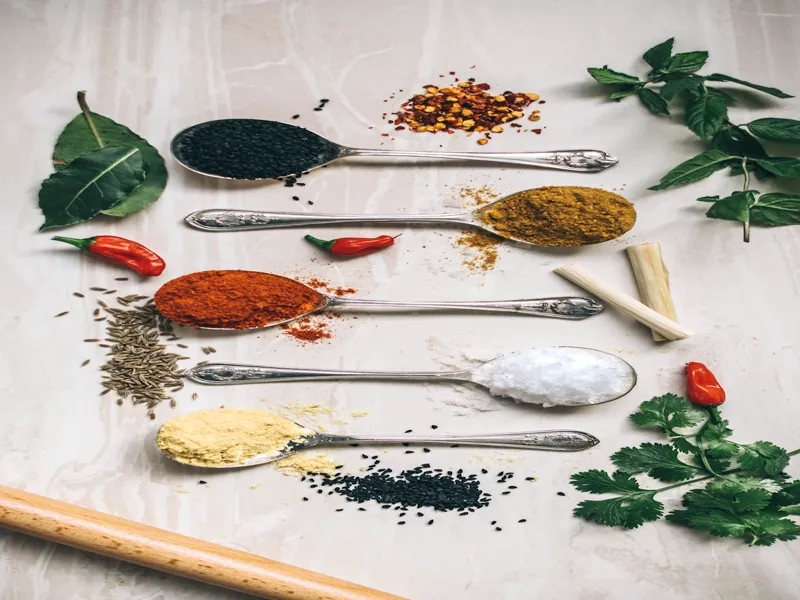
8 Flavor Boosters That Do Not Rely on Salt
Reducing sodium does not mean reducing flavor.
Try:
- Lemon juice
- Lemon or orange zest
- Garlic
- Fresh ginger
- Black pepper
- Rosemary
- Basil
- Oregano
- Vinegar
- Smoked paprika
Other ingredients can also add depth:
- Onion
- Mushrooms
- Tomatoes
- Unsalted nuts
- Fresh herbs
- Chili peppers
- Toasted spices
Think in Layers
Instead of asking:
"How much salt should I add?"
ask:
"What flavor is missing?"
If food tastes flat, it may need acidity.
Try lemon or vinegar.
If it tastes weak, try garlic or onion.
If it needs warmth, try pepper or paprika.
If it lacks freshness, try herbs.
This simple change can make low-sodium cooking much easier.
How to Read a Nutrition Label
Your taste buds cannot count milligrams, but the Nutrition Facts panel can.
Find it on the package, then follow these four steps.
📝Step-by-Step Guide
- 1The sodium number applies to the listed serving size. Make sure you know how many servings you actually eat.
- 2Look for the line labeled Sodium. This is the number that matters most.
- 3The sodium number applies to the listed serving size. Make sure you know how many servings you actually eat.
- 4Look for the line labeled Sodium. This is the number that matters most.
- 5Put two or three brands next to each other. Choose the lower-sodium option when the other ingredients and taste are acceptable.
What Does "Low Sodium" Mean?
Food labels use specific terms that can be confusing.
Low sodium has a regulated meaning and generally means 140 mg of sodium or less per serving.
Reduced sodium does not necessarily mean low sodium.
It means the product contains less sodium than the regular version.
A reduced-sodium soup could still contain a substantial amount of sodium.
No salt added means salt was not added during processing, but the food may still contain naturally occurring sodium.
Always check the actual number.
A Simple Sodium Shopping Rule
When buying a packaged food, ask yourself three questions:
How much sodium is in one serving?
How many servings will I eat?
Is there a similar product with less sodium?
You do not need to memorize hundreds of numbers.
You simply need to become comfortable comparing labels.
DASH: More Than Just "Eating Less Salt"
The DASH diet stands for Dietary Approaches to Stop Hypertension.
It was developed to help lower blood pressure through the whole eating pattern rather than any single magic food.
DASH emphasizes:
- Vegetables
- Fruits
- Whole grains
- Beans
- Nuts
- Seeds
- Fish
- Poultry
- Lower-fat dairy
- Less saturated fat
- Less sodium
- Fewer highly processed foods
Sodium cuts pay off most when the rest of the way you eat is sound too.
The simple DASH plate
You do not need to follow a complicated meal plan. Think about what goes on your plate.
- •About half the plate: vegetables and fruit
- •About one quarter: whole grains or another high-fiber carbohydrate
- •About one quarter: fish, poultry, beans, tofu, or another lean protein
- •Add a small amount of healthy fat such as olive oil or unsalted nuts
- •Use herbs, citrus, garlic, and spices instead of heavy sauces
Senior-Friendly Low-Sodium Food Swaps
You do not need to completely redesign your diet.
Start by replacing the foods you eat most often.
| Instead of | Try |
|---|---|
| Deli turkey | Home-roasted turkey |
| Regular canned soup | Homemade or low-sodium soup |
| Salted canned beans | No-salt-added beans, rinsed |
| Regular soy sauce | Low-sodium soy sauce used sparingly |
| Salted nuts | Unsalted nuts |
| Processed cheese | Lower-sodium cheese in smaller portions |
| Frozen high-sodium dinner | Frozen vegetables + simple protein |
| Potato chips | Unsalted nuts or fresh fruit |
| Bottled dressing | Olive oil + lemon or vinegar |
| Bacon every morning | Eggs, oatmeal, fruit, or unsalted nuts |
Rinsing Canned Foods: Does It Really Help?
Yes.
If you use canned beans, vegetables, or other foods packed in salty liquid, draining and rinsing them can reduce some of the sodium on the food surface.
Place the food in a strainer and rinse under running water.
This does not remove all sodium.
But it is a simple improvement that requires almost no extra effort.
Restaurant Ordering: 5 Simple Tricks
Eating out does not mean your low-sodium plan has failed.
You simply need to order differently.
📝Step-by-Step Guide
- 1Look for grilled, baked, steamed, or roasted dishes rather than cured, smoked, heavily sauced, or highly seasoned choices.
- 2This gives you control over how much sauce you actually eat.
- 3Restaurants cannot always accommodate special requests, but it is worth asking.
- 4Try steamed vegetables, plain rice, baked potato, or a simple salad instead of fries or heavily seasoned sides.
- 5Restaurant portions are often large. Eat a comfortable amount and take the rest home.
A Useful Restaurant Sentence
Instead of giving a long explanation, simply say:
"Could you prepare this without added salt and put the sauce on the side?"
That is usually enough.
What About Salt Substitutes?
Some salt substitutes replace sodium chloride with potassium chloride.
For some people, this can be a useful way to reduce sodium while maintaining a salty taste.
But they are not appropriate for everyone.
Ask your healthcare professional before using a potassium-based salt substitute if you:
- Have kidney disease
- Have elevated potassium
- Take an ACE inhibitor
- Take an ARB
- Take spironolactone
- Take another medication that can increase potassium
Do not assume that a product labeled "healthy salt" is automatically safe for you.
Sodium and Heart Failure
People living with heart failure often receive advice about sodium and fluid intake.
The reason is simple:
Excess sodium can contribute to fluid retention.
For someone already struggling with fluid balance, this may worsen:
- Swelling in the legs
- Rapid weight gain
- Shortness of breath
- Abdominal bloating
- Breathing difficulty when lying down
However, heart failure diets should be individualized.
If you have heart failure, follow the sodium and fluid recommendations from your cardiologist or healthcare team.
Do not suddenly adopt an extremely restrictive diet without medical guidance.
When sodium restriction needs medical guidance
If you have heart failure, kidney disease, significant swelling, or take diuretics or medications that affect sodium or potassium levels, ask your healthcare professional before making a major change to your diet.
What About Pickles, Olives, and Fermented Foods?
These foods can be nutritious.
They can also be very high in sodium.
Common examples include:
- Pickles
- Olives
- Sauerkraut
- Miso
- Soy sauce
- Kimchi
- Brined vegetables
You do not necessarily have to eliminate them.
Instead, treat them as small flavor ingredients rather than unlimited side dishes.
A few olives can add plenty of flavor to a salad.
A small amount of miso can add depth to soup.
A little pickle can make a sandwich more enjoyable.
The goal is not "zero sodium."
The goal is to control the total amount.
What About Sea Salt and Himalayan Salt?
This is one of the most common questions.
Sea Salt
Sea salt is still salt.
Himalayan Salt
Himalayan salt is still salt.
Kosher Salt
Kosher salt is still a significant source of sodium.
These products may differ in texture, crystal size, and trace minerals.
But switching from table salt to another type of salt is not a meaningful strategy for lowering sodium unless you actually use less sodium overall.
If your doctor has told you to reduce sodium, focus on quantity rather than marketing claims.
Can Sodium Come From Medication?
Yes.
Some medications and over-the-counter products can contain sodium.
Effervescent or soluble medicines are a particularly important example because sodium may be included to help the tablet dissolve.
Some antacids and other products may also contain sodium.
You do not need to stop taking a medication because of this.
Instead:
Ask your pharmacist whether your medication contains a meaningful amount of sodium.
This is especially useful if you have been prescribed a strict sodium limit.
A Practical One-Day Low-Sodium Example
You do not need an elaborate diet plan.
Here is one simple example.
Breakfast
- Oatmeal
- Blueberries
- Banana
- Unsalted walnuts
- Plain yogurt
Flavor with cinnamon instead of sugar or salt.
Lunch
- Homemade chicken and vegetable soup
- Whole-grain bread
- Fresh fruit
Use garlic, pepper, herbs, and lemon to flavor the soup.
Afternoon Snack
- Apple
- Unsalted peanut butter
Dinner
- Baked salmon
- Brown rice
- Steamed broccoli
- Mixed greens
- Olive oil and lemon
Evening
If you are hungry:
- Plain yogurt
- Fresh berries
The exact sodium amount depends on the products and portions you choose, but the pattern is more important:
Mostly fresh foods + fewer packaged foods + simple seasoning + careful portions.
7-Day Low-Sodium Meal Starter
Here is a simple framework you can adapt to your own preferences.
| Day | Breakfast | Lunch | Dinner |
|---|---|---|---|
| Monday | Oatmeal + berries + walnuts | Homemade bean soup | Salmon + broccoli + brown rice |
| Tuesday | Greek yogurt + fruit | Chicken salad wrap | Tofu + vegetables + rice |
| Wednesday | Eggs + spinach + fruit | Lentil salad | Roasted chicken + sweet potato |
| Thursday | Overnight oats + banana | Low-sodium tuna sandwich | Baked cod + vegetables |
| Friday | Yogurt + berries + unsalted nuts | Homemade vegetable soup | Turkey meatballs + vegetables |
| Saturday | Oatmeal + apple + cinnamon | Chickpea salad | Salmon + quinoa + greens |
| Sunday | Eggs + avocado + fruit | Leftover homemade soup | Chicken + roasted vegetables |
The goal is not to follow this exact menu.
Use it as a starting point.
If you have diabetes, kidney disease, food allergies, heart failure, or another medical condition requiring a specialized diet, your meal plan may need to be adjusted.
A 7-Day Sodium Reduction Challenge
If changing your entire diet feels overwhelming, try this instead.
Day 1: Put Away the Salt Shaker
Do not automatically add salt before tasting your food.
Day 2: Find Your Biggest Sodium Source
Look at what you eat most often.
It might be:
- Deli meat
- Soup
- Frozen meals
- Restaurant food
- Sauces
- Snacks
Day 3: Compare Three Labels
Choose one food you buy regularly.
Compare three brands.
Pick the lower-sodium option that you actually enjoy.
Day 4: Try Three New Flavors
Use:
- Lemon
- Garlic
- Black pepper
Notice whether you still miss the salt.
Day 5: Rinse Canned Foods
Drain and rinse your canned beans or vegetables.
Day 6: Order Differently
If you eat out, ask for:
- No added salt
- Sauce on the side
- A simple vegetable or grain side
Day 7: Check Your Blood Pressure
If you already monitor your blood pressure at home, compare your recent readings.
Do not expect a dramatic overnight change.
The goal is to build a sustainable habit.
📋Your Daily Low-Sodium Checklist
0/10 completed- Check the sodium number on packaged foods
- Compare serving size with the amount you actually eat
- Choose fresh or minimally processed foods when practical
- Use herbs, garlic, citrus, vinegar, and spices for flavor
- Choose lower-sodium versions of foods you eat regularly
- Rinse canned beans and vegetables
- Keep sauces and dressings on the side
- Limit deli meats and heavily processed foods
- Choose simpler meals when eating at restaurants
- Track blood pressure if your healthcare professional has recommended home monitoring
The Biggest Mistake: Trying to Change Everything at Once
A low-sodium diet can feel overwhelming.
You start reading labels.
Suddenly every food seems dangerous.
Bread has sodium.
Cheese has sodium.
Soup has sodium.
Even healthy foods contain some sodium.
That is not the point.
You do not need to eliminate every milligram of sodium.
Instead, look for the biggest opportunities.
If you eat deli meat every day, changing that may matter more than worrying about the small amount of sodium in fresh vegetables.
If you drink canned soup several times a week, switching to homemade soup may make a much larger difference than removing a tiny pinch of salt from your eggs.
Think 80/20
Ask:
"Which two or three foods contribute most of the sodium in my diet?"
Start there.
That approach is easier to maintain and much less frustrating.
When to Talk With Your Doctor
Most people can safely make modest improvements to their diet.
But some situations deserve professional guidance.
Talk with your healthcare professional before making major dietary changes if you have:
- Heart failure
- Chronic kidney disease
- Significant liver disease
- Low blood sodium
- Frequent vomiting or diarrhea
- A complicated medication regimen
- Problems with fluid balance
Also talk with your healthcare professional if your blood pressure remains high despite lifestyle changes.
Diet can help.
But it does not replace prescribed blood pressure medication when medication is needed.
The Bottom Line
Salt is not the enemy.
Too much sodium is the problem.
For older adults, reducing sodium can be a useful part of protecting blood pressure and long-term heart health.
The easiest place to start is not the salt shaker.
Start with the foods that contribute the most sodium to your normal diet:
- Deli meat
- Canned soup
- Packaged meals
- Restaurant food
- Sauces
- Salty snacks
Then replace them gradually with simpler foods.
Use lemon instead of extra salt.
Try garlic and herbs.
Choose unsalted nuts.
Rinse canned beans.
Compare food labels.
Ask for sauces on the side.
And give your taste buds time to adjust.
You do not need a perfect diet.
You need a diet that is a little better than yesterday and sustainable enough to keep doing next month.
Frequently Asked Questions
Is sea salt healthier than regular table salt?
Not when it comes to sodium and blood pressure.
Sea salt, Himalayan salt, kosher salt, and regular table salt all provide substantial amounts of sodium.
The more important question is how much you consume.
How much sodium should adults over 65 eat?
For most adults, 2,300 mg per day is the general upper limit.
The American Heart Association recommends an ideal limit of 1,500 mg per day for most adults with high blood pressure.
Your individual target may be different depending on your health and medications.
Why does my food taste bland as I get older?
Changes in taste, smell, saliva production, medications, and oral health can all affect flavor perception.
Instead of automatically adding more salt, try stronger flavors from lemon, vinegar, garlic, ginger, herbs, pepper, and spices.
How long does it take to get used to less salt?
It varies.
Many people find that their palate gradually adjusts over several weeks.
The important thing is consistency.
If you reduce sodium for one meal but return to a high-sodium diet the next day, your taste preferences may not change much.
Can I eat pickles on a low-sodium diet?
You can, but portion size matters.
Pickles and other brined foods can contain substantial amounts of sodium.
Think of them as a flavor accent rather than a large side dish.
Is low-sodium soy sauce actually low in sodium?
It usually contains less sodium than regular soy sauce, but it can still contain a meaningful amount.
Use the Nutrition Facts label to compare products.
Should I stop eating cheese?
Not necessarily.
Cheese can provide protein and calcium.
The better strategy is to compare sodium levels, control portions, and avoid combining several high-sodium foods in the same meal.
Can I use potassium chloride salt substitutes?
Some people can.
But potassium-based salt substitutes may be unsafe for people with certain kidney problems or people taking medications that increase potassium.
Ask your healthcare professional before using them if you have any concerns.
What is the easiest sodium reduction for seniors?
Replace the highest-sodium foods you eat most frequently.
For many people, that means reducing deli meat, canned soup, packaged meals, salty sauces, or frequent restaurant meals.
Does drinking more water remove sodium?
Your kidneys normally regulate sodium and water balance, but simply drinking excessive amounts of water is not a safe strategy for "flushing out" sodium.
Drink according to your normal thirst and your healthcare professional's recommendations, especially if you have heart failure or kidney disease.
Related Articles
- Heart Disease Risk Factors for Seniors
- Healthy Blood Pressure Lifestyle
- Low Sodium Recipes for Seniors
- Heart-Healthy Foods for Over 60
- Omega-3 Fatty Acids for Seniors
- Best Blood Pressure Monitors
- Mediterranean Diet Beginner Guide
- Blood Pressure Log (Downloadable PDF)
References
-
World Health Organization. WHO Guideline for Sodium Intake for Adults and Children. Geneva: World Health Organization.
-
U.S. Department of Agriculture and U.S. Department of Health and Human Services. Dietary Guidelines for Americans, 2025–2030.
-
Appel LJ, Moore TJ, Obarzanek E, et al. A clinical trial of the effects of dietary patterns on blood pressure. New England Journal of Medicine. 1997;336:1117–1124.
-
Sacks FM, Svetkey LP, Vollmer WM, et al. Effects on blood pressure of reduced dietary sodium and the Dietary Approaches to Stop Hypertension (DASH) diet. New England Journal of Medicine. 2001;344:3–10.
-
He FJ, Li J, MacGregor GA. Effect of longer-term modest salt reduction on blood pressure. Cochrane Database of Systematic Reviews.
-
Whelton PK, Carey RM, Aronow WS, et al. 2017 ACC/AHA guideline for the prevention, detection, evaluation, and management of high blood pressure in adults. Hypertension. 2018;71:e13–e115.
-
American Heart Association. Sodium and heart health guidance for adults.
This article is for educational purposes only and does not replace personalized medical advice. If you have heart failure, kidney disease, abnormal sodium or potassium levels, or take medications that affect fluid or electrolyte balance, consult your healthcare professional before making major dietary changes.