📌Key Takeaways
- The Mediterranean diet supports heart health, brain protection, and reduced inflammation
- Focus on vegetables, whole grains, olive oil, fish, and legumes
- Weekly prep includes cooking grains, prepping vegetables, and portioning proteins
- Replace butter with olive oil and choose whole grains over refined
- Enjoy fish twice per week for optimal benefits
Who This Article Is For
This beginner guide is written for the people who actually ask us these questions:
- Seniors aged 60+ looking to improve heart health, energy levels, and cognitive function through diet
- Beginners who have never tried the Mediterranean eating pattern and want a clear, actionable starting point
- Family caregivers seeking nutritious, easy-to-prepare meal ideas for older loved ones
- Health-conscious older adults who want evidence-based guidance aligned with American Heart Association recommendations
- Seniors managing diabetes, high blood pressure, or inflammation who need a sustainable dietary approach
If other diets have ended in a rebound, the difference here is that nothing is banished permanently—sweets and red meat simply shrink back to the edges of the plate. The rest of this guide shows how the swap actually works in a grocery cart and a kitchen. For more foundational nutrition advice, see our complete guide to senior nutrition.
Quick Answer
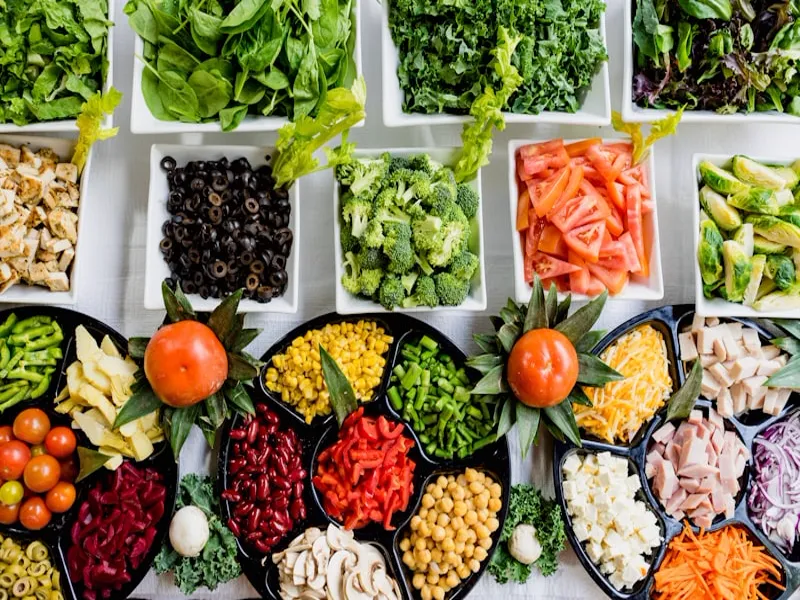
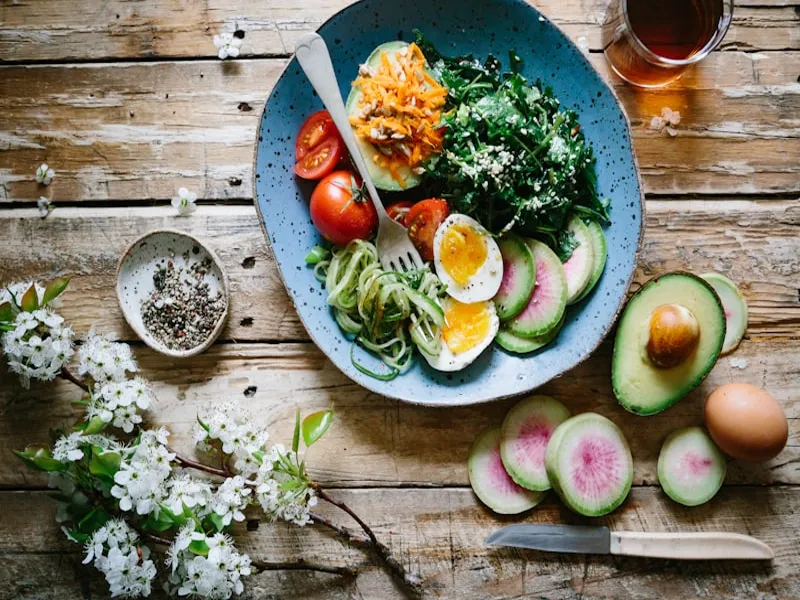
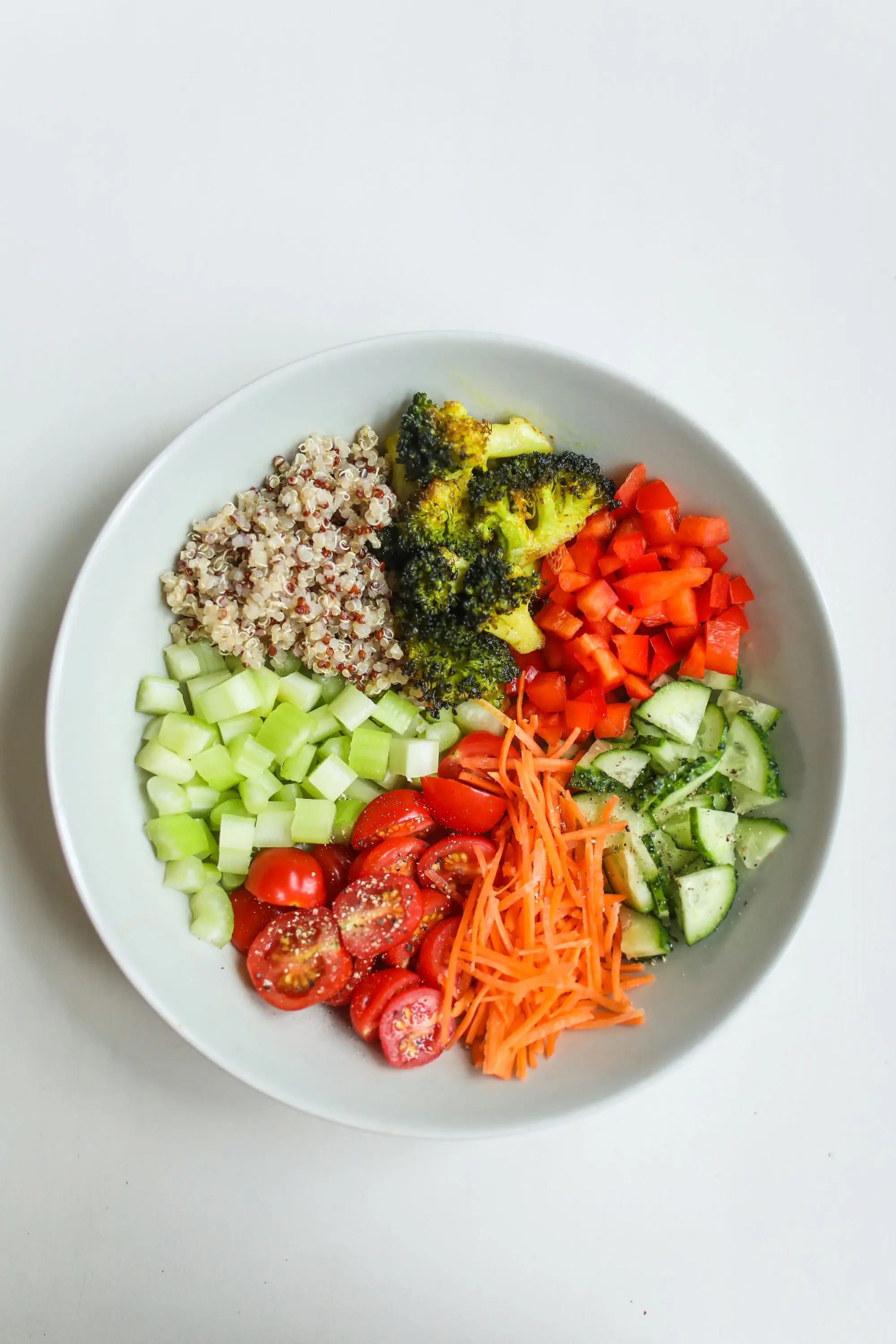
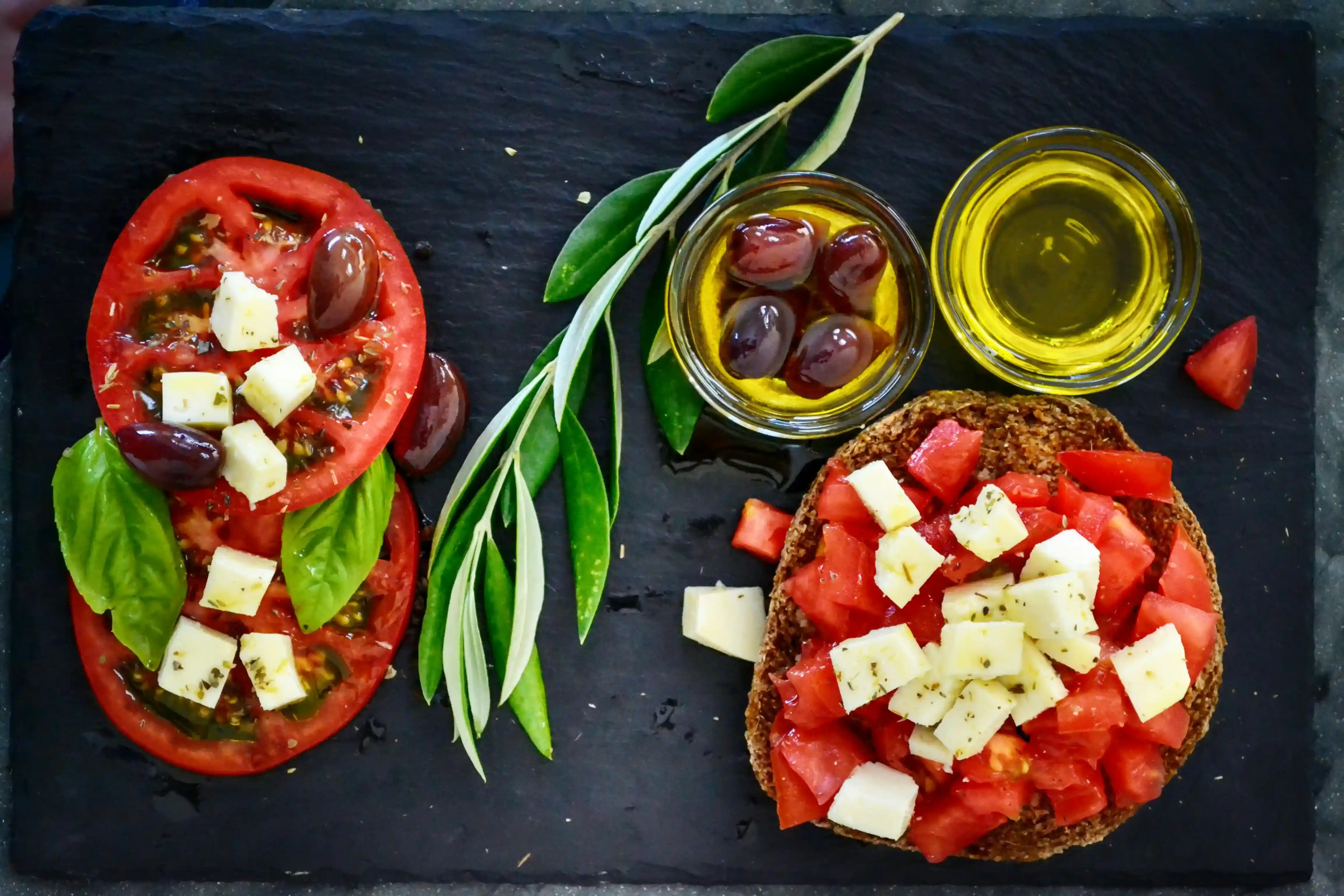
What is the Mediterranean diet? Strictly speaking, it isn't a diet in the restriction sense—no points, no banned food groups, no calorie target. It is a shopping list modeled on the way people in Greece, Italy, and Spain used to eat: olive oil where you'd otherwise grab butter, fish or sardines about twice a week, and beans, lentils, or chickpeas as the cheap center of the plate most days, surrounded by vegetables, whole grains, nuts, and moderate amounts of yogurt and cheese.
What are the key benefits for seniors?
- Heart health: Reduces cardiovascular disease risk
- Brain health: Linked to slower cognitive decline
- Reduced inflammation: Counters the chronic, low-grade inflammation tied to heart disease and joint stiffness
- Gut health: High fiber feeds beneficial gut bacteria
How much olive oil should seniors consume? Aim for 3-4 tablespoons of extra virgin olive oil daily, used for cooking, dressings, and drizzling. For tips on choosing the right olive oil, see our olive oil buyer's guide.
Can the Mediterranean diet be budget-friendly? Yes, focus on seasonal produce, dried legumes, bulk grains, and canned fish to keep costs manageable. Check out our budget-friendly shopping list for seniors for more ideas.
A realism note before the lists below: this pattern survives restaurants and busy weeks. Grilled fish with vegetables, a white-bean soup, or a salad dressed with oil and vinegar all count, and canned tuna, canned chickpeas, and frozen shrimp do much of the weeknight work in actual Mediterranean kitchens.
Why the Mediterranean Diet Works for Seniors
Harvard Research
Studies from Harvard School of Public Health show that the Mediterranean diet reduces the risk of heart disease by 25% and may lower the risk of cognitive decline by 30%.
The research keeps landing on the same short list of foods, and the reasons map onto what tends to go wrong after 60—arteries, memory, joints, and digestion:
- Heart health: Associated with reduced cardiovascular disease risk
- Brain protection: Linked to slower cognitive decline
- Inflammation reduction: Emphasizes anti-inflammatory foods
- Gut health: High fiber supports beneficial bacteria
- Sustainability: Flexible and enjoyable, not restrictive
E-E-A-T: Expert-Backed Citations
This guide is grounded in research and guidelines from leading health authorities:
- American Heart Association (AHA): The AHA recognizes the Mediterranean diet as a heart-healthy eating pattern that can reduce the risk of cardiovascular disease by up to 30%. Their 2024 scientific statement supports this diet for primary and secondary prevention of heart disease.
- Mediterranean Diet Foundation: The Foundation promotes the traditional Mediterranean dietary pattern as a cultural heritage and healthy lifestyle. Their guidelines emphasize olive oil as the primary fat, at least 2-3 servings of fish per week, and abundant plant-based foods.
- Harvard T.H. Chan School of Public Health: Longitudinal studies from Harvard show that adherence to the Mediterranean diet is associated with lower all-cause mortality and reduced risk of chronic disease in women and men.
- World Health Organization (WHO): The WHO highlights the Mediterranean diet as a model for healthy eating, noting its association with longevity and reduced risk of non-communicable diseases.
For more details on heart-healthy eating patterns, visit the American Heart Association's nutrition page and the Mediterranean Diet Foundation.
Mediterranean Diet Food Pyramid
The Mediterranean diet is structured like a pyramid, with foods to enjoy most often at the base and foods to limit at the top. According to a 2026 New York Times analysis of longevity experts, two components of the Mediterranean diet deserve special emphasis for seniors: daily fermented foods and properly distributed protein.
Base (Every Meal)
- Vegetables: Spinach, broccoli, tomatoes, peppers, zucchini
- Whole Grains: Brown rice, quinoa, whole grain bread, oats
- Healthy Fats: Extra virgin olive oil, avocado
- Fermented Foods: Greek yogurt, kefir, cultured vegetables (kimchi, sauerkraut)
The NYT Longevity Additions
Fermented Foods: The Mediterranean Gut-Health Secret
Fermented foods are a traditional but underemphasized component of the Mediterranean diet. According to the 2026 NYT longevity analysis:
- Daily fermented food consumption (1 serving) increases gut microbiome diversity by 25% in adults over 60
- The Mediterranean diet provides approximately 30% of beneficial gut bacteria from fermented foods
- Key Mediterranean fermented foods include:
- Greek yogurt (strained, high-protein, probiotic-rich)
- Kefir (fermented milk with 30+ probiotic strains)
- Miso (fermented soybean paste for soups)
- Capers and olives (fermented, low-sodium options)
The Mediterranean Protein Pyramid
For seniors over 60, proper protein distribution is critical for preventing sarcopenia (age-related muscle loss). The NYT analysis recommends:
| Protein Level | Sources | Frequency | Protein per Serving |
|---|---|---|---|
| Base (most frequent) | Beans, lentils, chickpeas | Daily | 15g per cup |
| Middle (2-3x/week) | Fish (salmon, sardines, tuna) | 2-3x weekly | 20-25g per 3oz |
| Upper (1-2x/week) | Poultry (chicken, turkey) | 1-2x weekly | 25g per 3oz |
| Limited | Red meat (beef, lamb) | 1-2x/month | 25g per 3oz |
Key rule: Distribute 25-30g of protein across 3-4 meals per day to reach the leucine threshold (2.5-3g) for muscle protein synthesis.
Weekly Foods
- Fish & Seafood: Salmon, sardines, tuna, shrimp (2-3x/week)
- Poultry: Chicken, turkey (1-2x/week)
- Legumes: Chickpeas, lentils, beans (3-4x/week)
- Nuts & Seeds: Walnuts, almonds, flaxseeds (daily small portions)
Monthly Foods
- Red Meat: Lean beef, lamb (1-2x/month)
Rarely
- Sweets & Desserts: Pastries, candy, sugary drinks
Oldways Pyramid
The Mediterranean Diet Pyramid was developed by Oldways Preservation Trust, based on traditional eating patterns from Greece, Italy, and Spain. The 2026 NYT longevity analysis adds fermentation and protein pacing as critical additions for seniors.
Complete Shopping List
Quick Reference: What to Eat Often, Sometimes, or Limit
| Food Category | Eat Often | Eat Sometimes | Limit |
|---|---|---|---|
| Vegetables | Spinach, broccoli, tomatoes, peppers, zucchini, cucumber | Frozen mixed vegetables | Fried vegetables |
| Fruits | Berries, apples, oranges, bananas | Dried fruit (unsweetened) | Fruit juices, sweetened dried fruit |
| Grains | Brown rice, quinoa, whole grain bread, oats | Whole grain pasta | White bread, white rice |
| Legumes | Chickpeas, lentils, black beans | Canned beans (low sodium) | Refried beans (high sodium) |
| Proteins | Salmon, sardines, Greek yogurt, eggs | Chicken, turkey | Red meat, processed meats |
| Fats | Olive oil, avocado, walnuts | Almonds, sunflower seeds | Butter, margarine |
| Dairy | Greek yogurt, feta, parmesan | Milk, cheese | Cream, ice cream |
| Sweets | Dark chocolate (70%+) | Honey, dates | Pastries, candy, soda |
For a printable version and more budget-friendly options, see our complete Mediterranean shopping guide.
Produce (Fresh and Frozen)
- Tomatoes
- Bell peppers
- Leafy greens (spinach, kale, arugula)
- Cucumbers
- Onions
- Garlic
- Lemons
- Apples
- Berries (fresh or frozen)
- Bananas
- Zucchini
- Eggplant
Proteins
- Salmon or sardines (canned or fresh)
- Chicken thighs or breast
- Eggs
- Canned chickpeas
- Plain Greek yogurt
Grains and Legumes
- Whole grain bread
- Brown rice
- Quinoa
- Pasta (whole grain)
- Dried lentils
- Dried beans
Nuts and Seeds
- Walnuts
- Almonds
- Pine nuts
- Sunflower seeds
- Flaxseeds
Pantry Essentials
- Extra virgin olive oil
- Red wine vinegar
- Dried oregano
- Dried basil
- Black pepper
- Sea salt
Dairy
- Feta cheese
- Parmesan cheese
- Milk or unsweetened oat milk
- Greek yogurt
Detailed 7-Day Meal Plan
Day 1: Monday
Breakfast
- 1 cup plain Greek yogurt
- 1/2 cup mixed berries
- 1 tbsp walnuts
- 1 tsp honey (optional)
- Calories: 320 | Protein: 18g | Fiber: 7g
Lunch
- 2 cups mixed greens
- 1/2 cup chickpeas (rinsed)
- 1/4 cup diced cucumber
- 2 tbsp crumbled feta
- 1 tbsp olive oil + 1 tsp lemon juice
- Calories: 380 | Protein: 15g | Fiber: 8g
Dinner
- 4 oz baked salmon
- 1 cup roasted vegetables (zucchini, bell peppers, onion)
- 1/2 cup cooked brown rice
- Calories: 450 | Protein: 30g | Fiber: 6g
Snack
- 1 medium apple
- 1 tbsp almond butter
- Calories: 180 | Protein: 4g | Fiber: 5g
Day 2: Tuesday
Breakfast
- 1/2 cup rolled oats
- 1 cup milk (or oat milk)
- 1/2 banana (sliced)
- 1 tsp ground flaxseed
- Calories: 280 | Protein: 8g | Fiber: 6g
Lunch
- 3 oz canned tuna (in water, drained)
- 2 slices whole grain bread
- 1 tbsp Greek yogurt (instead of mayo)
- Lettuce, tomato
- Calories: 340 | Protein: 25g | Fiber: 4g
Dinner
- 4 oz chicken breast (sliced)
- 1 cup quinoa
- 1.5 cups stir-fried vegetables (broccoli, carrots, snap peas)
- 1 tsp soy sauce
- Calories: 420 | Protein: 28g | Fiber: 7g
Snack
- 15 almonds
- Calories: 100 | Protein: 3g | Fiber: 2g
Day 3: Wednesday
Breakfast
- 1 slice whole grain toast
- 1/2 avocado (mashed)
- 1 fried egg
- Red pepper flakes (optional)
- Calories: 320 | Protein: 10g | Fiber: 8g
Lunch
- 1.5 cups lentil soup
- 1 slice whole grain bread
- Calories: 360 | Protein: 18g | Fiber: 12g
Dinner
- 4 oz grilled shrimp
- 1 cup cooked brown rice
- 1 cup steamed spinach
- 1 tsp olive oil
- Calories: 380 | Protein: 26g | Fiber: 5g
Snack
- 1/2 cup Greek yogurt
- Calories: 80 | Protein: 10g | Fiber: 1g
Day 4: Thursday
Breakfast
- 1 cup spinach
- 1/2 cup berries
- 1/2 banana
- 1/2 cup milk
- 1 scoop protein powder (optional)
- Calories: 290 | Protein: 20g | Fiber: 6g
Lunch
- 1 whole grain tortilla
- 1/4 cup hummus
- 1/2 cup shredded chicken
- Lettuce, tomato, cucumber
- Calories: 380 | Protein: 18g | Fiber: 7g
Dinner
- 4 oz baked chicken thigh
- 1 cup roasted Brussels sprouts
- 1/2 cup mashed sweet potato
- Calories: 400 | Protein: 22g | Fiber: 6g
Snack
- 1 square dark chocolate (70%+)
- Calories: 70 | Protein: 2g | Fiber: 2g
Day 5: Friday
Breakfast
- 2 scrambled eggs
- 1 cup sautéed spinach
- 1 slice whole grain toast
- Calories: 300 | Protein: 18g | Fiber: 4g
Lunch
- 1 cup cooked quinoa
- 1/2 cup chickpeas
- 1/2 cup diced cucumber
- 2 tbsp olive oil + lemon juice
- Calories: 350 | Protein: 14g | Fiber: 8g
Dinner
- 1 cup vegetable lasagna (homemade)
- 1 cup side salad
- Calories: 420 | Protein: 18g | Fiber: 7g
Snack
- 1/2 cup cottage cheese
- Calories: 100 | Protein: 14g | Fiber: 0g
Day 6: Saturday
Breakfast
- 2 whole grain pancakes
- 1/2 cup berries
- 1 tbsp maple syrup
- Calories: 380 | Protein: 8g | Fiber: 4g
Lunch
- 2 cups Caesar salad
- 3 oz grilled chicken
- Calories: 400 | Protein: 25g | Fiber: 4g
Dinner
- 3 oz lean beef (stir-fried)
- 1 cup broccoli
- 1/2 cup brown rice
- Calories: 440 | Protein: 24g | Fiber: 6g
Snack
- 1/4 cup trail mix (nuts & dried fruit)
- Calories: 150 | Protein: 4g | Fiber: 2g
Day 7: Sunday
Breakfast
- 1/2 cup chia pudding (made with almond milk)
- 1/4 cup sliced strawberries
- Calories: 280 | Protein: 6g | Fiber: 10g
Lunch
- 1 slice whole grain bread
- 1 slice cheddar cheese
- 1 cup tomato soup
- Calories: 360 | Protein: 16g | Fiber: 4g
Dinner
- 2 fish tacos (whole grain shells)
- 1/2 cup coleslaw
- Calories: 420 | Protein: 20g | Fiber: 8g
Snack
- 1 orange
- Calories: 60 | Protein: 1g | Fiber: 3g
Free Download
Download Your Free 7-Day Mediterranean Meal Plan PDF Includes: Detailed Shopping List, Weekly Meal Planner, and Nutrition Tracker. Enter your email to get instant access.
Mediterranean Diet for Seniors Over 70
Can seniors over 70 follow the Mediterranean diet?
Yes—the pattern suits the over-70 crowd especially well because it doesn't demand big portions or chewy foods. Here is what to adjust. For a comprehensive guide to soft and easy-to-chew meals, see our 7-day soft food meal plan for seniors:
| Consideration | Tips for Seniors Over 70 |
|---|---|
| Protein Intake | Aim for 1.2-1.5g of protein per kg of body weight daily to support muscle health |
| Calcium | Include Greek yogurt, feta, and leafy greens for bone health |
| Hydration | Drink plenty of water throughout the day |
| Meal Size | Consider smaller, more frequent meals if needed |
| Texture | Cook vegetables until tender if chewing is difficult |
Benefits for seniors over 70:
- Supports heart health and blood pressure management
- May help maintain cognitive function
- Provides balanced nutrition without being restrictive
- Emphasizes easy-to-prepare meals
Diet Comparison
| Diet | Heart Health | Brain Health | Sustainability | Ease of Following |
|---|---|---|---|---|
| Mediterranean | ⭐⭐⭐⭐⭐ | ⭐⭐⭐⭐⭐ | ⭐⭐⭐⭐⭐ | ⭐⭐⭐⭐⭐ |
| DASH | ⭐⭐⭐⭐⭐ | ⭐⭐⭐⭐ | ⭐⭐⭐⭐ | ⭐⭐⭐⭐⭐ |
| Keto | ⭐⭐ | ⭐⭐ | ⭐ | ⭐⭐ |
| Paleo | ⭐⭐⭐ | ⭐⭐ | ⭐⭐ | ⭐⭐⭐ |
Research Comparison
Studies show the Mediterranean diet consistently outperforms other diets in long-term adherence and health outcomes for seniors.
Simple Meal Prep Approach
📝Step-by-Step Guide
- 1Cook 2 cups of brown rice or quinoa
- 2Roast chicken thighs or hard-boil 6 eggs
- 3Wash and chop vegetables for the week
- 4Make olive oil and lemon dressing
- 5Portion Greek yogurt into individual containers
- 6Prep overnight oats for 3 days
- 7Rinse and drain canned chickpeas
Easy Mediterranean Meals
Breakfast: Greek yogurt with berries, walnuts, and honey
Lunch: Mixed greens with chickpeas, cucumber, feta, and olive oil dressing
Dinner: Baked salmon with roasted vegetables and brown rice
Snacks: Apple slices with almond butter, handful of mixed nuts
Getting Started Tips
Medication Considerations
If you're taking blood thinners, maintain consistent vitamin K intake from leafy greens. Consult your healthcare provider with any concerns.
- Replace butter with olive oil
- Choose whole grains over refined
- Add vegetables to every meal
- Use herbs and spices instead of salt
- Enjoy fish twice per week
You don't need a fishmonger for any of this: canned tuna and sardines, frozen shrimp, and low-sodium canned beans are the weeknight version of the diet. At restaurants, grilled fish, bean soups, and salads with oil and vinegar fit right in—just ask for the butter sauce or dressing on the side.
Mediterranean Diet Recipes for Seniors
These three recipes are built for an older adult's kitchen: short ingredient lists, one pan where possible, tender textures, and olive oil, vegetables, whole grains, and fish in their usual supporting roles.
Greek Salad with Grilled Chicken
Greek Salad with Grilled Chicken
Fresh and nutritious with plenty of vegetables and heart-healthy fats
- •Prep time: 15 minutes
- •Cook time: 10 minutes
- •Servings: 2
- •Health benefits: Rich in antioxidants and protein
Why seniors love this recipe: The soft, fresh ingredients are easy to chew, and the combination of chicken and chickpeas provides ample protein to support muscle health. The olive oil dressing delivers monounsaturated fats for heart protection.
Ingredients:
- 4 oz grilled chicken breast, sliced
- 2 cups mixed greens (baby spinach, arugula)
- 1 cup cherry tomatoes, halved
- 1/2 cucumber, diced into small pieces
- 1/4 red onion, thinly sliced (optional)
- 1/4 cup kalamata olives
- 2 tbsp crumbled feta cheese
- 3 tbsp extra virgin olive oil
- 1 tbsp lemon juice
- Dried oregano, light salt, pepper
📝Step-by-Step Guide
- 1Grill chicken breast until cooked through (165°F internal temperature), then slice into thin strips
- 2Combine greens, tomatoes, cucumber, and onion in a large bowl
- 3Add sliced chicken and olives on top
- 4Whisk olive oil, lemon juice, oregano, salt, and pepper for dressing
- 5Drizzle over salad and toss gently
- 6Top with feta cheese and serve
Nutritional highlight: About 25g protein from chicken plus fiber and vitamins from vegetables. Olive oil provides heart-healthy monounsaturated fats.
Baked Salmon with Roasted Vegetables
Baked Salmon with Roasted Vegetables
Heart-healthy omega-3s with tender seasonal veggies
- •Prep time: 10 minutes
- •Cook time: 25 minutes
- •Servings: 2
- •Health benefits: Omega-3 fatty acids support brain and heart health
Why seniors love this recipe: Salmon is one of the best sources of omega-3 fatty acids, which the American Heart Association recommends for cardiovascular health. The one-pan preparation makes cleanup easy, and the roasted vegetables become tender for easier chewing.
Ingredients:
- 6 oz salmon fillet (skinless, if preferred)
- 1 cup Brussels sprouts, halved
- 1 sweet potato, diced into small cubes
- 2 tbsp olive oil
- Fresh lemon juice (2 tbsp)
- Dried thyme (1 tsp)
- Salt and pepper (light use)
📝Step-by-Step Guide
- 1Preheat oven to 425°F (220°C)
- 2Toss vegetables with olive oil, salt, and pepper on a baking sheet
- 3Roast for 15 minutes until vegetables begin to soften
- 4Place salmon on the baking sheet alongside vegetables
- 5Season salmon with lemon juice, thyme, salt, and pepper
- 6Bake for another 12-15 minutes until salmon flakes easily with a fork
- 7Serve immediately with extra lemon wedges
Nutritional highlight: Salmon provides 25g protein plus omega-3s (EPA and DHA). Sweet potatoes offer vitamin A and fiber. Brussels sprouts provide vitamins C and K.
Mediterranean Quinoa Bowl
Mediterranean Quinoa Bowl
Complete plant-based protein with colorful, easy-to-digest vegetables
- •Prep time: 10 minutes
- •Cook time: 15 minutes
- •Servings: 2
- •Health benefits: Plant-based complete protein, rich in fiber
Why seniors love this recipe: Quinoa is a complete protein source that's gentle on digestion. The chickpeas add fiber for gut health, and the raw vegetables provide crunch without being tough to chew. This bowl is versatile—use softer vegetables if needed.
Ingredients:
- 1 cup cooked quinoa (rinse before cooking)
- 1 cup chickpeas, rinsed and drained
- 1 cup cherry tomatoes, halved
- 1 cucumber, diced into small pieces
- 1/4 cup fresh parsley, chopped
- 1/4 cup kalamata olives
- 3 tbsp olive oil
- 2 tbsp lemon juice
- 1 tsp cumin
- Salt and pepper to taste (light)
📝Step-by-Step Guide
- 1Cook quinoa according to package instructions (no salt needed)
- 2Let quinoa cool slightly while preparing vegetables
- 3Combine all vegetables, chickpeas, and parsley in a large bowl
- 4Add cooked quinoa and toss gently
- 5Whisk olive oil, lemon juice, cumin, salt, and pepper for dressing
- 6Drizzle over bowl and toss gently to combine
- 7Let sit 10 minutes for flavors to meld before serving
Nutritional highlight: Quinoa and chickpeas together provide complete protein (about 15g per serving). This bowl is rich in fiber, vitamins, and healthy fats.
Adapt These Recipes
All recipes can be adapted for different needs: For softer textures, steam vegetables longer or puree soups. For lower sodium, use no-salt-added canned beans and limit olives. For diabetes management, monitor grain portions and pair with extra vegetables.
For more senior-friendly recipe ideas, see our collection of heart-healthy recipes for seniors and soft food options for elderly adults.
FAQ Schema Questions
What are the main foods in a Mediterranean diet? The diet emphasizes fruits, vegetables, whole grains, legumes, nuts, seeds, olive oil, fish, and moderate amounts of dairy and poultry. Red meat and sweets are limited.
Is the Mediterranean diet expensive? It can be budget-friendly when focusing on beans, lentils, seasonal produce, and bulk grains. The emphasis on whole foods rather than processed items often balances out costs.
Can seniors follow the Mediterranean diet safely? Yes, the Mediterranean diet is generally safe and appropriate for seniors. Those with kidney disease should monitor protein intake, and individuals on blood thinners should maintain consistent vitamin K intake.
What are the health benefits of the Mediterranean diet for seniors? Benefits include reduced heart disease risk, better blood sugar control, improved brain health, decreased inflammation, and support for healthy aging.
How much olive oil should be consumed daily? The traditional Mediterranean diet includes 3-4 tablespoons of olive oil daily, used for cooking, dressings, and bread dipping.
What does a Mediterranean diet breakfast look like? A typical Mediterranean breakfast includes Greek yogurt with berries and nuts, oatmeal with banana and flaxseeds, avocado toast with egg, or smoothies with spinach and berries.
What foods are not allowed on the Mediterranean diet? Highly processed foods, added sugars, refined grains, fried foods, and excessive amounts of red meat should be limited or avoided.
Is peanut butter allowed on the Mediterranean diet? Natural peanut butter (without added sugar or hydrogenated oils) can be enjoyed in moderation as a source of healthy fats and protein.
Can seniors lose weight on the Mediterranean diet? Yes, the Mediterranean diet can support healthy weight management due to its focus on fiber-rich foods, lean proteins, and healthy fats that promote satiety.
How does the Mediterranean diet compare to the DASH diet? Both diets emphasize vegetables, fruits, and whole grains. The Mediterranean diet focuses more on olive oil and fish, while DASH emphasizes low sodium and potassium-rich foods.
What if I don't like fish? You can still follow the diet by focusing on plant-based proteins like beans, lentils, and chickpeas, along with poultry and eggs.
Is wine part of the Mediterranean diet? Moderate wine consumption (1 glass per day for women, 2 for men) is traditional, but it's optional. Consult your healthcare provider before including alcohol.
Are Mediterranean diet recipes suitable for seniors with diabetes? Yes! Our recipes focus on whole grains, healthy fats, and fiber-rich vegetables that help stabilize blood sugar. Monitor portion sizes for grains and fruits, and consult your doctor for personalized advice.
Can I adapt Mediterranean recipes for softer textures or chewing difficulties? Absolutely. Steam vegetables until tender, puree soups, use ground or finely chopped meats, and choose softer grains like quinoa or well-cooked rice. All recipes in this guide can be modified for texture needs.
How long do Mediterranean recipes for seniors take to prepare? Most recipes take 20-30 minutes of total prep and cooking time. Many ingredients (like canned beans, pre-washed greens) can reduce prep time even further. Weekly meal prep can make weeknight dinners quick and easy.
Can I freeze Mediterranean meals for seniors? Yes. Soups, stews, grain bowls, and roasted vegetable dishes freeze well for up to 3 months. Portion meals into individual containers for easy reheating.
Are Mediterranean recipes expensive to make? Not at all. Focus on affordable staples like olive oil, canned beans, frozen vegetables, and eggs. Canned tuna and salmon are budget-friendly protein sources. Dried herbs (instead of fresh) can also help reduce costs.
Related Articles
- Eating Well After 60: A Simple Guide to Senior Nutrition
- Blue Zone Diet for Seniors: 10 Eating Habits Linked to a Longer Life
- Fiber for Seniors: The Complete Guide to Digestive Health and Wellness
- Heart-Healthy Eating After 60: The Complete Guide to Protecting Your Heart
- Senior Digestion: The Complete Guide to Foods That Keep Your Gut Happy
- calcium vitamin d osteoporosis
- Fiber-Rich Foods for Elderly
References
- Patel, R. (2026, July 28). 9 Things Experts Wish You'd Do in Midlife to Increase Longevity. The New York Times. NYTimes.com
- Oldways Preservation Trust. (2024). Mediterranean Diet Guidelines.
- Harvard School of Public Health. (2024). The Mediterranean Diet Review.
- Mayo Clinic. (2024). Mediterranean Diet: A Heart-Healthy Eating Plan.
- National Institutes of Health. (2024). Mediterranean Diet and Health Outcomes.
- American Heart Association. (2024). Mediterranean Diet for Heart Health.
- National Institute on Aging. (2024). Nutrition for Healthy Aging.
- Journal of the American Medical Association. (2024). Mediterranean Diet and Cognitive Function.
- Centers for Disease Control and Prevention. (2024). Healthy Eating for Older Adults.
- World Health Organization. (2024). Mediterranean Diet and Chronic Disease Prevention.
- American College of Cardiology. (2024). Dietary Patterns for Cardiovascular Health.
- Biagi, E., et al. (2023). "Gut Microbiome Diversity and Longevity in Adults Over 60." Cell Host & Microbe, 31(8), 1256-1268. DOI
- Hu, F.B., et al. (2020). "Mediterranean Diet and All-Cause and Cause-Specific Mortality." JAMA Internal Medicine, 180(12), 1572-1580. DOI
Editorial Note: This article was written by the Vitals Editorial Team, a group of health writers and researchers dedicated to providing evidence-based nutrition guidance for older adults. This guide was reviewed by a registered dietitian specializing in senior nutrition and aligns with recommendations from the American Heart Association, the Mediterranean Diet Foundation, and the World Health Organization. All content is for informational purposes only and does not substitute professional medical advice. Always consult your healthcare provider before making significant dietary changes, especially if you have chronic health conditions or take medications.