📌Key Takeaways
- Seniors should limit sodium to 1,500mg daily for optimal heart health
- Fresh herbs and spices can replace salt without sacrificing flavor
- Cooking at home is the best way to control sodium intake
- Gradual reduction helps taste buds adjust over time
Why Low Sodium Matters for Seniors
Many seniors have heard from their doctors that they should cut back on salt. But the thought of bland, flavorless meals can be discouraging. "Everything will taste like cardboard," is a common concern.
The truth is, flavor leaves with the salt at first—salt amplifies aroma and masks bitterness, so food does taste flat for a week or two. It does not have to stay that way. Lemon juice, garlic, black pepper, and a handful of fresh basil hit the same targets from different angles, and many people find they start tasting the food itself—tomato, egg, salmon—for the first time.
The American Heart Association recommends that seniors limit sodium to less than 1,500 mg per day—about half a teaspoon of salt. This recommendation is especially important for those with high blood pressure, heart disease, or kidney problems.
Daily Sodium Recommendation
For most seniors, the ideal limit is 1,500 mg per day. However, your individual needs may vary based on your health conditions. Always consult your healthcare provider for personalized advice. Many seniors find that reducing sodium helps them feel better overall—less bloating, better blood pressure control, and improved energy.
Give it 2-4 weeks. Palates recalibrate as the salt habit fades, and natural flavors come forward; many people reach a point where an old favorite tastes overseasoned rather than satisfying.
For more on sodium and blood pressure, see foods to avoid with high blood pressure.
Understanding Sodium Sources
Before the recipes, it helps to know where sodium actually hides, because surprisingly little of it comes from the salt shaker:
Natural sodium: Found naturally in foods like milk, celery, and beets. This accounts for about 10% of most people's intake.
Added salt: Salt added during cooking or at the table. About 15% of intake.
Processed and restaurant foods: The biggest source—about 75% of sodium intake comes from processed foods, canned goods, and restaurant meals. This is where you can make the biggest impact.
Two quiet culprits are worth knowing by name. A bouillon cube is mostly salt, which is why a bowl of "homemade" soup built on one can quietly undo a day's budget; canned beans sit in salty brine that adds sodium you never taste directly. Rinse beans under cold water for a minute and much of that brine washes away; use no-salt-added broth or a pot of homemade stock in place of bouillon.
Key strategy: This is exactly why cooking at home pays off—you decide whether the beans get rinsed and whether salt goes into the pot, rather than paying a factory to decide for you.
Breakfast: Herb Scrambled Eggs
Start your day with protein-packed eggs seasoned with fresh herbs instead of salt.
Herb Scrambled Eggs
Quick and protein-rich breakfast with fresh herbs
- •Prep time: 5 minutes
- •Cook time: 5 minutes
- •Servings: 2
- •Sodium per serving: <100 mg
Ingredients:
- 3 eggs
- 2 tablespoons milk or cream
- Fresh chives and parsley (1 tbsp each)
- Black pepper to taste
- 1 teaspoon butter
📝Step-by-Step Guide
- 1Whisk eggs with milk until well combined and slightly frothy
- 2Melt butter in a non-stick pan over medium-low heat
- 3Add eggs and gently stir with a spatula, keeping them soft and creamy
- 4Remove from heat when just set—they'll continue cooking off the heat
- 5Top with fresh herbs and freshly ground black pepper (no salt needed)
Why this works: Fresh herbs provide bright flavor without sodium. The creamy texture comes from milk and gentle cooking, not salt.
Nutritional benefit: Eggs provide complete protein (about 18g for 3 eggs) and keep you full through the morning—the chives and parsley are doing the seasoning job salt usually handles.
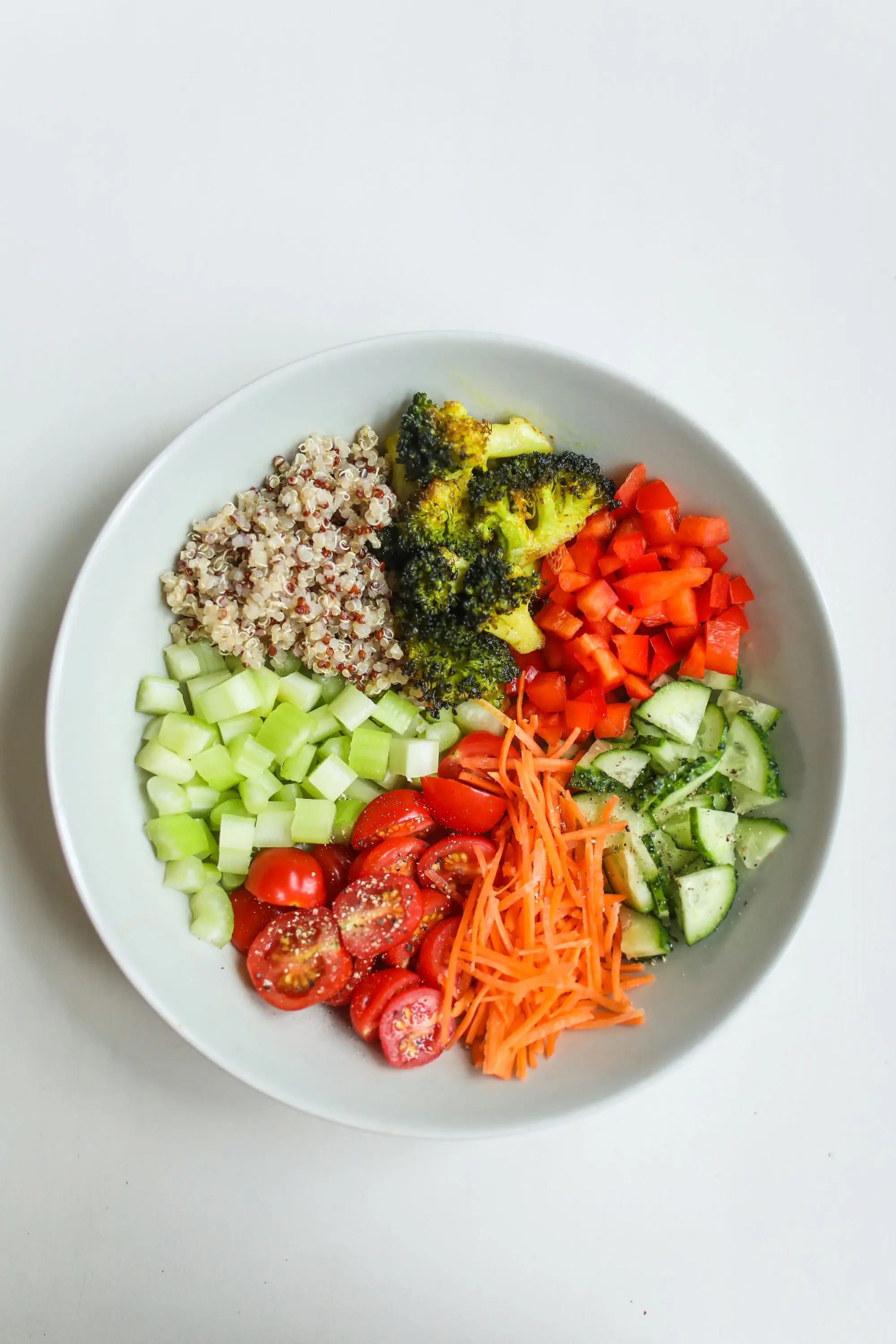
Lunch: Mediterranean Quinoa Bowl
Mediterranean Quinoa Bowl
Nutritious and satisfying lunch with fresh vegetables
- •Prep time: 10 minutes
- •Cook time: 15 minutes
- •Servings: 2
- •Sodium per serving: ~200 mg
Why Quinoa? Quinoa is a complete protein containing all nine essential amino acids. It's also high in fiber and rich in minerals like magnesium and iron—nutrients many seniors need more of.
Ingredients:
- 1 cup cooked quinoa (cook without salt)
- Cherry tomatoes, halved (1 cup)
- Cucumber, diced (1/2 cup)
- Feta cheese (2 tbsp—use sparingly for flavor)
- Kalamata olives (4-5 olives, rinsed to remove brine)
- Lemon juice (2 tbsp)
- Extra virgin olive oil (2 tbsp)
- Dried oregano (1 tsp)
- Fresh parsley (1 tbsp)
📝Step-by-Step Guide
- 1Cook quinoa according to package directions without added salt
- 2Combine quinoa with cherry tomatoes and diced cucumber in a bowl
- 3Whisk olive oil, lemon juice, oregano, and black pepper for dressing
- 4Drizzle dressing over the bowl and toss gently
- 5Top with small amount of feta cheese and rinsed olives for garnish
Why this works: Lemon juice provides acidity that mimics salt's flavor-enhancing effect. Oregano adds Mediterranean flavor without sodium.
Nutritional benefit: This bowl provides about 10g protein from quinoa plus fiber, vitamins, and healthy fats from olive oil.
For more Mediterranean-style meals, see Mediterranean diet recipes for seniors.
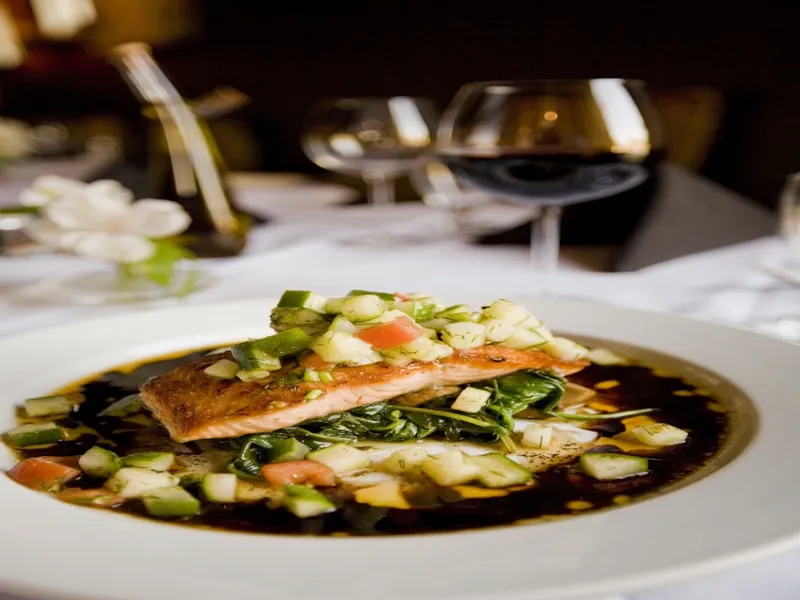
Dinner: Herb-Crusted Baked Salmon
Herb-Crusted Baked Salmon
Heart-healthy dinner rich in omega-3 fatty acids
- •Prep time: 5 minutes
- •Cook time: 15 minutes
- •Servings: 2
- •Sodium per serving: ~150 mg
Heart-Healthy Benefits of Salmon Salmon is rich in omega-3 fatty acids, which research suggests may help lower blood pressure, reduce inflammation, and support cardiovascular health. The American Heart Association recommends eating fish twice weekly.
Ingredients:
- 6 oz salmon fillet
- Fresh dill (2 tbsp)
- Lemon zest (1 tsp)
- Garlic powder (no salt added, 1 tsp)
- Black pepper (1/2 tsp)
- 1 tablespoon olive oil
📝Step-by-Step Guide
- 1Preheat your oven to 400°F (200°C)
- 2Place salmon fillet on a lined baking sheet
- 3Drizzle with olive oil
- 4Mix dill, lemon zest, garlic powder, and pepper; press onto salmon
- 5Bake for 12-15 minutes until salmon flakes easily with a fork
- 6Squeeze fresh lemon juice over the top before serving
Why this works: The combination of herbs and lemon creates robust flavor without salt. Garlic powder (check label for no added salt) adds savory depth.
Nutritional benefit: Salmon provides about 25g protein plus omega-3 fatty acids. This dinner supports heart health naturally.
For more heart-healthy options, see heart-healthy foods for over 60.
Snack: Apple Slices with Unsalted Peanut Butter
Quick Snack
Simple and satisfying between meals
- •Prep time: 2 minutes
- •Servings: 1
- •Sodium per serving: <50 mg
Ingredients:
- 1 medium apple, sliced
- 1 tablespoon unsalted peanut butter
- Sprinkle of cinnamon (optional)
Why this works: Natural sweetness from the apple satisfies without added sugar. Peanut butter provides protein and healthy fats.
Nutritional benefit: About 4g protein from peanut butter plus fiber from the apple—sweet and filling, with sodium barely in the picture.
Flavor Without Salt: The Complete Guide
Salt does two jobs in the kitchen: it amplifies aroma and it masks bitterness. The ingredients below split those jobs between them. Herbs supply the aroma, acid from lemon and vinegar brightens everything on the plate, and alliums—garlic, onions, shallots—carry the savory weight that salt used to. Combine all three and the shaker stops being missed:
Fresh Herbs
- Basil: Sweet and aromatic—great for tomatoes, pasta, eggs
- Cilantro: Fresh and citrusy—perfect for salads, beans, chicken
- Parsley: Clean and mild—adds freshness to almost anything
- Dill: Anise-like flavor—excellent with fish, eggs, yogurt
- Rosemary: Piney and robust—works with roasted vegetables, chicken
- Thyme: Earthy and subtle—good for soups, stews, meat
Dried Spices
- Cumin: Earthy warmth—excellent for beans, rice, vegetables
- Paprika: Mild heat and color—good for meats, stews
- Turmeric: Warm and slightly bitter—anti-inflammatory properties
- Cinnamon: Sweet warmth—not just for desserts; try with chicken
- Black pepper: Classic flavor enhancer—use generously
Acidic Ingredients
- Lemon juice: Brightens all flavors, mimics salt's effect
- Lime juice: Fresh and tart—great for Mexican-style dishes
- Vinegars: Balsamic, apple cider, white wine—all add depth
Other Flavor Boosters
- Garlic: Fresh or powder (check no salt added)
- Onions: Sautéed for depth, raw for brightness
- Mushrooms: Umami richness—sautéed mushrooms add savory depth
- Tomatoes: Natural acidity and umami
| Instead of... | Try This... |
|---|---|
| Table salt | Fresh herbs (basil, cilantro, parsley) |
| Garlic salt | Fresh garlic or garlic powder (no salt) |
| Soy sauce | Low-sodium soy sauce or lemon juice |
| Salted butter | Unsalted butter + herbs |
| Seasoned salt | Black pepper, paprika, or cumin |
| Bouillon cubes | Low-sodium broth or homemade stock |
7-Day Low-Sodium Meal Plan
Printable Meal Plan
This weekly meal plan can help you stay within 1,500 mg sodium daily. All meals use herbs, spices, and natural flavors instead of salt.
Day 1
- Breakfast: Herb Scrambled Eggs with fresh chives
- Lunch: Mediterranean Quinoa Bowl
- Dinner: Herb-Crusted Baked Salmon with roasted vegetables
- Snack: Apple with unsalted peanut butter
Day 2
- Breakfast: Oatmeal with berries and cinnamon (no salt)
- Lunch: Turkey lettuce wraps with avocado and herbs
- Dinner: Grilled chicken with roasted vegetables and herbs
- Snack: Greek yogurt (unsweetened) with berries
Day 3
- Breakfast: Whole grain toast with avocado and herbs
- Lunch: Lentil soup (homemade, herbs only)
- Dinner: Baked cod with quinoa and steamed broccoli
- Snack: Carrot sticks with herb hummus
Day 4
- Breakfast: Smoothie with spinach, banana, and almond milk
- Lunch: Chicken salad (herbs and olive oil dressing)
- Dinner: Turkey meatballs with zucchini noodles
- Snack: Unsalted almonds
Day 5
- Breakfast: Veggie omelet with mushrooms and spinach (herbs only)
- Lunch: Quinoa salad with roasted vegetables
- Dinner: Baked chicken breast with sweet potato
- Snack: Fresh fruit salad
Day 6
- Breakfast: Chia pudding with berries
- Lunch: Vegetable stir-fry with tofu and ginger
- Dinner: Grilled shrimp with brown rice and asparagus
- Snack: Unsalted popcorn (air-popped)
Day 7
- Breakfast: Whole grain pancakes with cinnamon
- Lunch: Spinach salad with grilled chicken
- Dinner: Vegetable lasagna (homemade, low sodium)
- Snack: Greek yogurt with honey
For complete meal planning, see healthy diet for seniors.
Shopping List
Low-Sodium Shopping List
Essentials for stocking your pantry:
Proteins
- Fresh chicken breast
- Fresh salmon, cod, and other fish
- Unsalted turkey breast
- Firm tofu
- Dried beans and lentils
- Eggs
Produce
- Leafy greens (spinach, kale, lettuce)
- Fresh tomatoes, cucumbers, bell peppers
- Berries, apples, bananas
- Sweet potatoes, regular potatoes
- Broccoli, asparagus, green beans
- Avocados, garlic, onions
- Fresh herbs (basil, cilantro, parsley, dill, rosemary)
Pantry Staples
- Low-sodium or no-salt-added broth
- Dried herbs and spices (basil, oregano, rosemary, thyme, paprika, cumin, cinnamon)
- Extra virgin olive oil
- Whole grains (quinoa, brown rice, oats, whole wheat bread)
- Unsalted nuts and seeds
- Vinegars (apple cider, balsamic, white wine)
- Lemon and lime juice
Dairy & Alternatives
- Low-sodium Greek yogurt (plain)
- Unsalted butter
- Small amounts of natural cheese (Parmesan, feta—use sparingly)
FAQ: Low Sodium Cooking
Q: How long does it take to adjust to less salt? A: Most people's taste buds adapt within 2-4 weeks. Start gradually—reduce salt by half for a week, then continue reducing. You'll eventually find that salty foods taste too salty!
Q: Can I use salt substitutes? A: Salt substitutes containing potassium chloride can be safe for many people, but those with kidney problems or on certain medications should consult their doctor first.
Q: What about sea salt or Himalayan salt? A: All salts contain similar amounts of sodium by weight. Trace minerals in specialty salts don't reduce sodium content enough to make them "healthy" alternatives.
Q: How do I flavor food at restaurants? A: Ask for dressings and sauces on the side, request that food be prepared without added salt, and use lemon juice or bring your own herb blend.
Q: Is all sodium bad? A: Some sodium is essential for bodily functions. The goal is to avoid excess—more than 1,500 mg daily for most seniors.
Q: Can I ever eat salty foods? A: Occasional higher-sodium meals are fine for most people. The key is moderation and choosing low-sodium options most of the time.
Q: How do I know if packaged food is low sodium? A: Check nutrition labels. "Low sodium" means 140 mg or less per serving. "Very low sodium" means 35 mg or less. "No salt added" is your best option.
Q: What if my family doesn't want low-sodium meals? A: Cook without salt and let them add their own at the table. You'll still benefit from the reduced sodium base.
Related Articles
- Foods to Avoid with High Blood Pressure
- Heart-Healthy Foods for Over 60
- Mediterranean Diet Recipes for Seniors
- Healthy Diet for Seniors
- 7-Day Soft Food Meal Plan for Seniors
- Anti-Inflammatory Foods for Seniors
- Vitamins and Supplements for Seniors
Conclusion
None of these recipes ask you to eat less—they ask you to season differently. Rinse the beans, squeeze the lemon, smash a clove of garlic, and the 1,500 mg limit stops feeling like a restriction. Pick one recipe this week; in a month, your taste buds will have done half the work for you.
Start Your Low-Sodium Journey Today
Making small changes today can lead to significant health improvements over time. Try one new recipe this week and gradually build heart-healthy habits.
Consult with your doctor or a registered dietitian before making significant dietary changes, especially if you have existing health conditions.