📌Key Takeaways
- Heart-healthy eating significantly reduces cardiovascular disease risk
- Limit sodium to 1,500 mg daily and increase potassium-rich foods
- Focus on omega-3 fish, fiber-rich grains, and colorful produce
- Avoid processed meats, fried foods, and excessive added sugars
- Balance potassium and sodium for optimal blood pressure health
Quick Answer
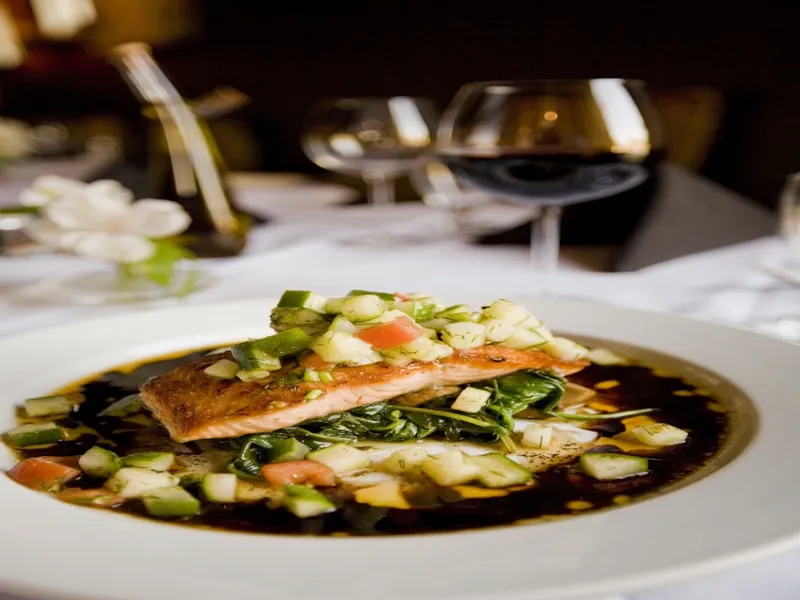
What are the best heart-healthy foods for seniors over 60? No single food protects the heart on its own—what matters is the eating pattern you return to day after day. The pattern with the strongest evidence behind it is built around omega-3 fatty fish, soluble fiber-rich grains, colorful fruits and vegetables, nuts and seeds, and unsaturated oils, with heavily processed foods pushed to the edges. Taken together, those choices lower cholesterol and blood pressure and reduce heart disease risk.
How can seniors lower blood pressure through diet? Limit sodium to 1,500 mg daily, eat potassium-rich foods (sweet potatoes, spinach, bananas), follow the DASH diet, reduce added sugars, and limit alcohol. Studies show dietary changes alone can lower blood pressure by 8-14 mmHg.
What foods should seniors avoid for heart health? Avoid or limit: processed meats (bacon, salami), fried foods, sugary drinks, high-sodium canned goods, trans fats, and excessive alcohol.
How much potassium do seniors need? Seniors need 2,600-3,000 mg of potassium daily. Good sources include sweet potatoes (694 mg), spinach (839 mg), white beans (639 mg), avocado (485 mg), and salmon (384 mg).
Heart-Healthy Diet At-a-Glance
| Aspect | Details |
|---|---|
| Best For | Lowering blood pressure, reducing cholesterol, preventing heart disease |
| Key Nutrients | Omega-3s, potassium, soluble fiber, antioxidants |
| Difficulty | Easy — no special cooking skills needed |
| Cost | $ — mostly whole foods, cost-effective |
| Time Required | 30 mins/day for meal prep |
| Evidence Level | ⭐⭐⭐⭐⭐ (AHA, NIH, CDC guidelines) |
| Results Timeline | Blood pressure: 2-4 weeks; Cholesterol: 3-6 months |
Who This Article Is For
This guide is for anyone 60 or older who wants to eat in a way that protects the heart—whether that means rebuilding breakfast after a blood pressure diagnosis or simply learning which grocery aisles to spend the most time in. It's especially helpful if you:
- Have been diagnosed with high blood pressure or high cholesterol
- Have a family history of heart disease
- Want to prevent heart attack or stroke through food
- Are looking for practical, science-based eating guidelines
- Need to understand which foods to enjoy and which to limit
Whether you are newly diagnosed or simply planning ahead, the guidance below follows the clinical recommendations of the American Heart Association, Centers for Disease Control and Prevention (CDC), and National Institutes of Health (NIH).
Understanding Heart Disease Risk Factors
What Increases Heart Disease Risk?
- High LDL (bad) cholesterol
- Low HDL (good) cholesterol
- High blood pressure
- Inflammation
- Obesity
- Diabetes
- Smoking
- Physical inactivity
- Poor diet
The Good News
Every factor on that list responds, in some degree, to what you eat. A bowl of oats shifts cholesterol. A sandwich stacked with deli turkey shifts sodium. And the pattern of those meals, repeated week after week, shifts blood pressure, inflammation, and weight.
Heart Disease is Not Inevitable
Even if heart disease runs in your family, a heart-healthy diet can significantly reduce your risk. Your fork is more powerful than your genes.
- •Lower LDL cholesterol through soluble fiber
- •Reduce inflammation with omega-3 fatty acids
- •Lower blood pressure with DASH diet principles
- •Manage weight with high-fiber, protein-rich foods
The Best Heart-Healthy Foods
Category 1: Omega-3 Fatty Fish (The Heart Protectors)
Fatty fish is the food that shows up in nearly every heart-healthy eating pattern, and the reason is omega-3 fatty acids. For a deeper dive, see our omega-3 guide for seniors.
Why Omega-3s Matter:
- Reduce triglyceride levels
- Lower blood pressure
- Decrease inflammation
- Reduce blood clotting risk
- Keep heart rhythm steady
Best Sources:
| Fish | Omega-3s (per 3 oz) | Best Preparation |
|---|---|---|
| Salmon | 1.8-2.3 g | Baked, grilled |
| Mackerel | 2.5-3.0 g | Baked, grilled |
| Sardines | 1.3-2.0 g | Grilled, canned |
| Herring | 1.5-2.0 g | Pickled, smoked |
| Anchovies | 0.9-1.0 g | Crimp, sauces |
Recommendation: Eat fatty fish 2-3 times per week.
Category 2: Fiber-Rich Foods (The Cholesterol Lowerers)
Soluble fiber binds to cholesterol in your digestive system and removes it from your body. Learn more in our cholesterol lowering foods guide.
Top Soluble Fiber Sources:
| Food | Soluble Fiber (per serving) |
|---|---|
| Oats | 2-4 g per 1/2 cup |
| Barley | 2-3 g per 1/2 cup |
| Apples | 4 g per medium apple |
| Beans | 4-6 g per 1/2 cup |
| Lentils | 4 g per 1/2 cup |
| Psyllium | 5 g per tbsp |
Category 3: Colorful Fruits and Vegetables
The color on your plate is a rough map of the compounds inside: lycopene in red produce, anthocyanins in purple and blue, lutein in dark greens, beta-carotene in orange.
Red (Lycopene):
- Tomatoes
- Watermelon
- Red peppers
- Pink grapefruit
Purple/Blue (Anthocyanins):
- Blueberries
- Blackberries
- Grapes
- Eggplant
Green (Lutein & Nitrites):
- Spinach
- Kale
- Broccoli
- Avocado
Orange (Beta-Carotene):
- Carrots
- Sweet potatoes
- Butternut squash
- Cantaloupe
Category 4: Nuts and Seeds (The Healthy Fats)
A small handful of nuts swaps in monounsaturated and polyunsaturated fats in place of the saturated fat in butter or cured meat. Portion size matters here—the calories add up quickly.
Best Heart-Healthy Nuts:
| Nut | Heart Benefit | Serving |
|---|---|---|
| Walnuts | Omega-3s, lowers cholesterol | 1 oz (14 halves) |
| Almonds | Fiber, lowers cholesterol | 1 oz (23 almonds) |
| Pistachios | Antioxidants | 1 oz (49 nuts) |
| Cashews | Healthy fats | 1 oz (18 nuts) |
| Chia seeds | Omega-3s, fiber | 2 tbsp |
| Flaxseeds | Omega-3s, fiber | 2 tbsp (ground) |
Category 5: Heart-Healthy Oils and Fats
Best Choices:
- Extra Virgin Olive Oil: Contains polyphenols that protect the heart. Rich in healthy monounsaturated fats.
- Avocado Oil: High smoke point, heart-healthy fats
- Canola Oil: Low in saturated fat
- Coconut Oil: Controversial—moderate use only
Oils to Avoid:
- Vegetable/seed oils (high in omega-6)
- Partially hydrogenated oils (trans fats)
- Palm oil (high in saturated fat)
Foods That Damage Your Heart
The same pattern works in reverse. Eating regularly from the rows below tends to raise blood pressure and worsen cholesterol:
| Food | Why It's Harmful | Heart Risk |
|---|---|---|
| Processed meats | High sodium, nitrates | ↑ Heart disease |
| Fried foods | Trans fats, oxidized oils | ↑ Heart disease |
| Sugary drinks | Added sugars | ↑ Heart disease |
| Refined carbs | Low fiber, spike blood sugar | ↑ Heart disease |
| Excessive alcohol | Raises blood pressure | ↑ Heart disease |
| High-sodium foods | Raises blood pressure | ↑ Heart disease |
The Sodium Connection
High sodium intake directly raises blood pressure, a major risk factor for heart disease. Most Americans eat 3,400+ mg sodium daily, when the recommended limit is 2,300 mg (or 1,500 mg for seniors and those with high blood pressure, per the American Heart Association).
Foods to Avoid for Heart Health
Below is what to limit—and what to reach for instead.
The "Avoid" List
| Food Category | Specific Foods | Why to Avoid |
|---|---|---|
| Processed meats | Bacon, salami, hot dogs, deli meats | High sodium, nitrates, linked to heart disease |
| Fried foods | Fried chicken, French fries, tempura | Trans fats, oxidized oils, raise cholesterol |
| Sugary drinks | Soda, sweetened coffee, energy drinks | Added sugars spike blood sugar, raise blood pressure |
| Refined carbs | White bread, pastries, white rice | Low fiber, spike blood sugar quickly |
| Trans fats | Margarine, shortening, processed baked goods | Raise LDL cholesterol, lower HDL |
| Excessive alcohol | More than 1 drink/day | Raises blood pressure, triglycerides |
| High-sodium canned goods | Canned soups, beans, vegetables | 600-1,500 mg sodium per serving |
| Butter and lard | Saturated fat sources | Raise cholesterol levels |
Better Swaps to Make
| Instead of... | Try... |
|---|---|
| Bacon or sausage | Grilled chicken or turkey |
| French fries | Baked sweet potato fries |
| Soda | Sparkling water with lemon |
| White bread | Whole grain bread |
| Butter | Olive oil or avocado spread |
| Processed snacks | Unsalted nuts, fresh fruit |
| Canned soup | Homemade or low-sodium soup |
Heart-Healthy Breakfast Ideas for Seniors
Breakfast is where many people spend most of their sodium or added-sugar budget before 8 a.m.—and one of the easiest meals to rebuild. All six of these take 5 to 10 minutes:
1. Oatmeal with Berries and Nuts
- Time: 10 minutes
- Heart benefits: Soluble fiber lowers cholesterol; berries provide antioxidants; walnuts add omega-3s
- Ingredients: 1/2 cup oats, 1 cup milk, 1/2 cup berries, 1 tbsp walnuts
2. Greek Yogurt Parfait
- Time: 5 minutes
- Heart benefits: Low-fat dairy supports blood pressure; granola adds fiber
- Ingredients: 1 cup Greek yogurt, 1/4 cup low-sugar granola, 1/2 cup mixed fruit
3. Veggie Egg Scramble
- Time: 10 minutes
- Heart benefits: Eggs provide protein; vegetables add potassium and antioxidants
- Ingredients: 2 eggs, 1/2 cup spinach, 1/4 cup tomatoes, 1 tbsp olive oil
4. Whole Grain Toast with Avocado
- Time: 5 minutes
- Heart benefits: Whole grain fiber; avocado provides healthy fats and potassium
- Ingredients: 1 slice whole grain bread, 1/4 avocado, pinch of red pepper flakes
5. Berry Smoothie
- Time: 5 minutes
- Heart benefits: Berries are rich in polyphenols; spinach adds nutrients without changing flavor
- Ingredients: 1 cup frozen berries, 1/2 banana, 1/2 cup Greek yogurt, 1 cup spinach
6. Chia Pudding with Almond Butter
- Time: 5 min prep + overnight
- Heart benefits: Chia seeds provide omega-3s and fiber; almond butter adds healthy fats
- Ingredients: 2 tbsp chia seeds, 1 cup almond milk, 1 tbsp almond butter, honey to taste
Heart-Healthy Snacks for Seniors
A snack between meals is mainly a chance to add fiber, potassium, or protein without the sodium that comes from a vending machine. Options that fit the pattern:
Heart-Healthy Snack Ideas
| Snack | Heart Benefit | Prep Time |
|---|---|---|
| Apple with almond butter | Fiber + healthy fats | 2 min |
| Hummus with carrot sticks | Plant protein + potassium | 2 min |
| Hard-boiled egg with salt-free seasoning | Protein without sodium | 5 min prep |
| Mixed unsalted nuts (1 oz) | Omega-3s + fiber | Ready to eat |
| Greek yogurt with berries | Protein + antioxidants | 2 min |
| Banana with peanut butter | Potassium + protein | 2 min |
| Cottage cheese with cucumber | Protein + low sodium | 2 min |
| Edamame (steamed) | Plant protein + fiber | 10 min |
| Dark chocolate (70%+, 1 square) | Polyphenols for heart | Ready to eat |
| Seeds (pumpkin, sesame) | Magnesium + healthy fats | Ready to eat |
Heart-Healthy Lunch and Dinner Recipes
Recipe 1: Baked Salmon with Roasted Vegetables
Serves 2 | Prep time: 15 min | Cook time: 25 min
Ingredients:
- 2 salmon fillets (4 oz each)
- 2 cups mixed vegetables (broccoli, bell peppers, zucchini)
- 1 tbsp olive oil
- Garlic powder, lemon juice, dill
Instructions:
- Preheat oven to 400°F (200°C)
- Toss vegetables with olive oil and seasonings on a sheet pan
- Place salmon on the pan, skin-side down
- Bake 20-25 minutes until salmon flakes with a fork
- Squeeze fresh lemon over everything before serving
Heart benefits: Salmon provides 3.5+ g of omega-3s per serving; vegetables add potassium and fiber.
Recipe 2: Lentil Soup with Vegetables
Serves 4 | Prep time: 15 min | Cook time: 35 min
Ingredients:
- 1 cup dried lentils, rinsed
- 1 onion, diced
- 2 carrots, diced
- 2 celery stalks, diced
- 4 cups low-sodium vegetable broth
- 1 tsp cumin, 1 tsp turmeric
- Fresh parsley for garnish
Instructions:
- Sauté onion, carrots, and celery in olive oil until softened
- Add lentils, broth, and spices
- Bring to a boil, then simmer 25-30 minutes until lentils are tender
- Blend half the soup for creaminess (optional)
- Garnish with fresh parsley
Heart benefits: Lentils provide 18 g protein and 16 g fiber per cup; low sodium; potassium from vegetables.
Recipe 3: Grilled Chicken Quinoa Bowl
Serves 2 | Prep time: 15 min | Cook time: 20 min
Ingredients:
- 2 chicken breasts (4 oz each)
- 1 cup cooked quinoa
- 2 cups mixed greens
- 1/2 cucumber, diced
- 1/4 red onion, thinly sliced
- 1 tbsp olive oil
- Lemon juice, herbs, salt-free seasoning
Instructions:
- Grill chicken seasoned with herbs until cooked through (165°F internal)
- Slice chicken thinly
- Divide quinoa between two bowls
- Top with greens, cucumber, red onion, and sliced chicken
- Drizzle with olive oil and lemon juice
Heart benefits: Lean protein from chicken; quinoa provides fiber and magnesium; greens add potassium and antioxidants.
Recipe 4: Turkey Meatballs with Zucchini Noodles
Serves 4 | Prep time: 15 min | Cook time: 20 min
Ingredients:
- 1 lb ground turkey (93% lean)
- 1/4 cup whole grain breadcrumbs
- 1 egg
- 2 cloves garlic, minced
- 1 tsp Italian herbs
- 3 cups zucchini noodles
- 1 cup low-sodium tomato sauce
Instructions:
- Mix turkey, breadcrumbs, egg, garlic, and herbs
- Form into 1-inch balls
- Bake at 400°F for 15 minutes
- Sauté zucchini noodles for 3 minutes
- Toss meatballs with sauce and serve over zucchini noodles
Heart benefits: Lean turkey is low in saturated fat; zucchini provides potassium and fiber; tomato sauce adds lycopene.
Heart-Healthy Eating Checklist
Use this checklist every week to stay on track:
- Eat fatty fish (salmon, mackerel, sardines) 2-3 times this week
- Limit sodium to 1,500 mg per day
- Add potassium-rich foods (sweet potatoes, spinach, bananas) at every meal
- Include soluble fiber (oats, beans, apples) daily
- Eat 5 or more servings of colorful fruits and vegetables
- Choose whole grains over refined carbs
- Use olive oil instead of butter or vegetable oil
- Avoid processed meats, fried foods, and sugary drinks
- Read nutrition labels on all packaged foods
- Cook at home instead of eating out
- Snack on nuts, fruit, or yogurt instead of processed snacks
- Limit alcohol to 1 drink or less per day
Best Products for Heart-Healthy Eating
These are the tools and staples that come up most often in a low-sodium kitchen:
Essential Kitchen Tools
| Product | Why It Helps | Best For |
|---|---|---|
| Air fryer | Cook without oil, reduce fried food cravings | Busy seniors wanting crispy textures without the guilt |
| Food scale | Measure portions and track sodium intake | Precision when following the DASH diet |
| Glass storage containers | Prep healthy meals ahead, avoid plastic | Meal prep for the week |
| Herb garden (windowsill) | Fresh herbs for salt-free cooking | Adding flavor without sodium |
| Steamer basket | Steam vegetables without added fat | Quick, healthy side dishes |
Heart-Healthy Pantry Essentials
| Product | Heart Benefit | Why We Recommend |
|---|---|---|
| Extra virgin olive oil | Polyphenols protect the heart | Choose cold-pressed, single-origin |
| Canned salmon (no salt added) | Omega-3s for heart health | Affordable, shelf-stable protein |
| Rolled oats | Soluble fiber lowers cholesterol | Quick breakfast, overnight oats |
| Canned beans (low sodium) | Plant protein and fiber | Add to soups, salads, chili |
| Frozen mixed vegetables | Nutrient-preserved, no waste | Microwave-ready side dishes |
| Unsalted nuts and seeds | Healthy fats and omega-3s | Smart snacking |
| Greek yogurt (plain) | Protein and calcium | Breakfast, snack, cooking |
| Whole grain bread | Fiber for cholesterol management | Toast, sandwiches |
Dietitian Tips for Seniors Over 65
Dietitians who work with older adults tend to give the same handful of recommendations:
1. Prioritize protein at every meal Aim for 25-30 g of protein at each meal to preserve muscle mass. Good sources include fish, poultry, eggs, Greek yogurt, and beans.
2. Choose softer cooking methods Steam, bake, braise, and slow-cook instead of frying. These methods preserve nutrients without adding unhealthy fats.
3. Boost potassium naturally Add a banana to your morning oatmeal, toss spinach into smoothies, and snack on sweet potato wedges. Small additions add up to meet your 2,600-3,000 mg daily target.
4. Don't fear frozen vegetables Frozen vegetables are picked at peak ripeness and often more nutrient-dense than fresh. They're also cheaper and reduce food waste.
5. Make water your default drink Sugary drinks are the #1 source of added sugars in the American diet. Choose water, herbal tea, or sparkling water with lemon.
6. Read labels — but only the right parts Focus on: sodium (aim for less than 200 mg per serving), fiber (aim for 5+ g), and avoid products with "hydrogenated" or "partially hydrogenated" oils.
7. Batch cook on Sundays Prepare 2-3 proteins, roast vegetables, and cook grains in advance. This ensures healthy meals are ready when you're short on time.
Foods to Avoid with High Blood Pressure
High blood pressure (hypertension) affects nearly half of American adults, according to the CDC. Diet is one of the levers with the best evidence behind it: lower sodium, higher potassium, and an eating pattern like DASH consistently show up alongside lower readings.
Why Sodium Matters for Blood Pressure
Sodium—most of it eaten as salt—is the dietary factor with the largest and most direct effect on blood pressure. When sodium runs high, the body holds on to extra water to flush it through the kidneys. That extra volume presses harder against blood vessel walls and forces the heart to work more with every beat.
After 60, the sodium worth watching rarely comes from the salt shaker. It arrives quietly in the sliced deli turkey layered on a lunch sandwich and in a can of soup warmed for a quick meal—a single serving of canned soup can carry 800 to 1,500 mg before anything else is added to the bowl.
The American Heart Association recommends that seniors and those with high blood pressure limit sodium intake to no more than 1,500 mg per day—about 2/3 teaspoon of salt. Most Americans consume far more, averaging about 3,400 mg daily.
The target matters more with age. Blood vessels become less flexible over the years, the kidneys may clear sodium less efficiently, and common medications—including some blood pressure drugs—interact with sodium balance. Left unmanaged, the added pressure raises the risk of heart disease and stroke.
High-Sodium Foods to Limit
High-Sodium Foods to Limit
Sodium is the primary culprit in raising blood pressure. Be mindful of these common sources:
- •Canned soups and vegetables
- •Processed meats (salami, bacon, hot dogs)
- •Fast food and restaurant meals
- •Frozen dinners and processed meals
- •Salted snacks (chips, pretzels, crackers)
- •Condiments like soy sauce, ketchup, and salad dressing
Sodium Comparison: What to Avoid
| Food Category | High Sodium Food | Sodium per Serving |
|---|---|---|
| Soups | Canned chicken noodle soup | 800-1,500 mg |
| Meats | Bacon (3 slices) | 600-900 mg |
| Snacks | Salted potato chips (1 oz) | 300-500 mg |
| Frozen meals | Frozen pizza | 1,000-2,000 mg |
| Bread | White bread (1 slice) | 100-200 mg |
| Condiments | Soy sauce (1 tbsp) | 900-1,000 mg |
| Canned goods | Canned beans (1 cup) | 400-800 mg |
| Cheese | Processed cheese (1 slice) | 300-500 mg |
Hidden Sodium Sources to Watch For
Hidden Sodium Sources
Many foods you wouldn't suspect contain high levels of sodium. Always check nutrition labels:
- •Bread and rolls — top source of sodium in the American diet
- •Canned vegetables — even 'no salt added' can have sodium
- •Pickled vegetables and olives
- •Processed cheeses and cheese spreads
- •Breakfast cereals — check labels carefully
- •Instant noodles and ramen
- •Cottage cheese and flavored yogurts
- •Cured meats like ham and turkey deli meat
Other Foods to Limit for Blood Pressure
Beyond sodium, several other food categories can negatively affect blood pressure:
Added Sugars and Refined Carbohydrates: Research suggests that high sugar intake may contribute to elevated blood pressure. Limit sugary drinks, candy, processed baked goods, and white bread.
Alcohol: While moderate alcohol consumption (one drink per day for women, two for men) may have some cardiovascular benefits, excessive drinking raises blood pressure significantly. Heavy drinkers should gradually reduce intake.
Caffeine: Caffeine can cause a short-term spike in blood pressure. For most people, moderate coffee consumption (1-2 cups daily) is safe, but those with uncontrolled hypertension may need to limit caffeine.
Trans Fats and Saturated Fats: These unhealthy fats contribute to heart disease and may indirectly affect blood pressure by damaging blood vessels. Limit fried foods, processed baked goods with hydrogenated oils, high-fat dairy, and fatty cuts of red meat.
Safer Alternatives: Blood Pressure-Friendly Swaps
| Food to Avoid | Healthy Alternative | Sodium Reduction |
|---|---|---|
| Canned soup | Homemade soup with fresh ingredients | 80-90% less |
| Processed meats | Fresh chicken, fish, or lean beef | 90% less |
| Frozen dinners | Home-cooked meals with fresh produce | 85-95% less |
| Salted snacks | Unsalted nuts, fresh fruit | 95% less |
| Sugary drinks | Water, herbal tea, infused water | 100% less sugar |
| Canned beans | Dried beans, rinsed canned beans | 50-80% less |
| Pickles | Fresh cucumber slices | 95% less |
| White bread | Whole grain bread (check sodium) | 30-50% less |
Foods That Help Lower Blood Pressure
Incorporate potassium-rich foods (bananas, sweet potatoes, leafy greens), magnesium-rich foods (spinach, almonds, dark chocolate), and calcium-rich foods (low-fat dairy, fortified alternatives) into your diet. These nutrients help counteract sodium's effects.
The DASH Diet Approach
The Dietary Approaches to Stop Hypertension (DASH) diet is a well-researched eating plan from the NIH specifically designed to lower blood pressure. It emphasizes:
- Vegetables, fruits, and whole grains
- Fat-free or low-fat dairy products
- Fish, poultry, beans, nuts, and vegetable oils
- Limited saturated fats, red meats, and sweets
- Reduced sodium (1,500 mg or less daily)
Research shows that following the DASH diet can lower blood pressure by 8-14 mmHg within weeks. The diet is also associated with reduced risk of heart disease, stroke, and certain cancers. For heart-healthy recipes, see our low sodium recipes for seniors guide.
Shopping Tips for Lower Sodium
📝Step-by-Step Guide
- 1Read nutrition labels carefully — look for '140 mg or less per serving' for low sodium
- 2Choose 'no salt added' or 'low sodium' versions when available
- 3Shop the perimeter of the grocery store for fresh produce and meats
- 4Avoid processed foods in the center aisles
- 5Stock up on fresh or frozen vegetables instead of canned
- 6Rinse canned beans and vegetables under running water to remove 30-40% of sodium
- 7Choose unsalted nuts and seeds
- 8Buy fresh meats instead of processed ones like deli meats
- 9Look for 'low sodium' or 'no salt added' canned soups and broths
Cooking Without Salt: Flavor Alternatives
Low-sodium cooking does not have to mean bland food. The ingredients below replace salt with acidity, heat, and aroma:
| Flavor Need | Salt-Free Solution |
|---|---|
| Savory depth | Garlic, onions, mushrooms |
| Brightness | Lemon juice, vinegar |
| Heat | Fresh peppers, cayenne, paprika |
| Earthiness | Cumin, turmeric, coriander |
| Freshness | Fresh herbs: basil, cilantro, parsley |
| Sweetness | Natural fruits, small amounts of honey |
| Umami | Tomato paste (no salt added), nutritional yeast |
Potassium-Rich Foods for Seniors
Potassium is an electrolyte mineral that carries an electrical charge, essential for heart function, blood pressure regulation, muscle contraction, and nerve signaling. Studies show that increasing potassium intake by 1,640 mg daily can reduce stroke risk by 21%, according to the American Heart Association.
How Much Potassium Do Seniors Need?
| Group | Recommended Daily Potassium |
|---|---|
| Adults (19+) | 2,600-3,400 mg |
| Women (51+) | 2,600 mg |
| Men (51+) | 3,000 mg |
| Those with hypertension | 3,500-4,700 mg |
Who Should Be Careful About Potassium?
Consult your doctor before increasing potassium if you have:
- Kidney disease
- Heart disease
- Are taking diuretics (water pills)
- Are on ACE inhibitors or ARBs
- Have Addison's disease
Important Medical Note
If you're on blood pressure medication, especially diuretics, talk to your doctor before changing your potassium intake. Some medications affect potassium levels.
The Best Potassium-Rich Foods
Superstars: Highest Potassium Foods
| Food | Serving Size | Potassium (mg) |
|---|---|---|
| Sweet potato | 1 medium | 694 |
| Tomato paste | 1/4 cup | 664 |
| White beans | 1/2 cup | 639 |
| Beet greens | 1 cup cooked | 644 |
| Swiss chard | 1 cup cooked | 961 |
| Spinach | 1 cup cooked | 839 |
| Banana | 1 medium | 422 |
| Avocado | 1/2 avocado | 485 |
| Cantaloupe | 1 cup | 427 |
| Lentils | 1 cup cooked | 731 |
| Kidney beans | 1 cup cooked | 713 |
| Yogurt | 1 cup plain | 579 |
| Salmon | 3 oz | 384 |
| Coconut water | 1 cup | 600 |
Surprise fact: A baked potato has 926 mg of potassium—more than a banana!
Category 1: Vegetables (The Potassium Champions)
Leafy Greens:
- Spinach: 839 mg per cup cooked
- Swiss chard: 961 mg per cup cooked
- Beet greens: 644 mg per cup cooked
- Kale: 296 mg per cup cooked
- Collard greens: 284 mg per cup cooked
Root Vegetables:
- Sweet potato: 694 mg per medium
- Potato: 926 mg per medium
- Carrots: 689 mg per cup
- Beets: 518 mg per cup
Other Vegetables:
- Tomatoes: 400+ mg per cup
- Zucchini: 512 mg per cup
- Pumpkin: 564 mg per cup
- Artichoke: 344 mg per medium
How to use: Add spinach or Swiss chard to smoothies, roast root vegetables, make kale chips.
Category 2: Fruits
Citrus Fruits:
- Orange: 237 mg per medium
- Grapefruit: 417 mg per medium
- Clementine: 131 mg per small
Berries & Melons:
- Banana: 422 mg per medium
- Cantaloupe: 427 mg per cup
- Honeydew: 388 mg per cup
- Kiwi: 252 mg per medium
- Strawberries: 254 mg per cup
How to use: Add berries to oatmeal, make fruit salads, snack on bananas with peanut butter.
Category 3: Legumes
- Lentils: 731 mg per cup
- White beans: 639 mg per half cup
- Kidney beans: 713 mg per cup
- Chickpeas: 477 mg per cup
- Black beans: 611 mg per cup
How to use: Add to soups, make bean salads, create veggie burgers.
Category 4: Proteins
- Salmon: 384 mg per 3 oz
- Tuna: 448 mg per 3 oz
- Yogurt: 579 mg per cup
- Cottage cheese: 299 mg per cup
Category 5: Other Sources
- Coconut water: 600 mg per cup
- Dried apricots: 1,101 mg per half cup
- Molasses: 879 mg per tablespoon
- Nuts (almonds, cashews): 200+ mg per ounce
How to Easily Add More Potassium
Breakfast Upgrades:
- Add spinach or kale to morning smoothies
- Top oatmeal with banana slices and almonds
- Choose whole grain toast with avocado
Lunch Strategies:
- Make bean-based soups (lentil, white bean)
- Add roasted beets or sweet potatoes to salads
- Use tomato-based sauces over whole grain pasta
Dinner Ideas:
- Serve salmon with roasted root vegetables
- Make vegetarian chili with multiple bean varieties
- Include a leafy green side salad with every dinner
Snack Swaps:
- Banana with peanut butter instead of chips
- Hummus with vegetables instead of crackers
- Yogurt with fruit instead of ice cream
Potassium vs. Sodium: The Key Difference
Many people take a daily pill for blood pressure without realizing how strongly two ordinary minerals—potassium and sodium—steer the readings. Research from the American Heart Association treats this electrolyte balance as a central factor in managing hypertension through diet.
The Role of Sodium in the Body
Sodium serves several vital functions:
- Fluid balance: Helps regulate body water levels by controlling how much water is retained or excreted
- Nerve function: Essential for transmitting nerve impulses
- Muscle contraction: Needed for proper muscle movement, including heart function
While sodium is necessary for health, most Americans consume far more than needed. The typical daily intake ranges from 3,000 to 4,000 mg, while the body only requires about 500 mg for basic functions.
How Sodium Affects Blood Pressure:
- Water retention: High sodium causes the kidneys to retain more water, increasing blood volume
- Increased blood volume: More fluid in blood vessels creates higher pressure on vessel walls
- Vessel stiffening: Chronic high sodium may contribute to arterial stiffness over time
The NIH reports that reducing sodium intake by 1,000 mg daily can lower blood pressure by approximately 5-6 mmHg in people with hypertension.
The Role of Potassium in the Body
Potassium works in opposition to sodium, creating a crucial balance:
- Fluid balance: Works with sodium to regulate water levels, but promotes excretion of excess fluid
- Nerve function: Essential for proper nerve signaling and electrical conductivity
- Muscle function: Needed for muscle contraction, including maintaining normal heart rhythm
- Cellular health: Helps maintain proper cell function throughout the body
Potassium is the primary intracellular electrolyte, meaning most of the body's potassium is inside cells, while sodium is primarily outside cells.
How Potassium Affects Blood Pressure:
- Counteracts sodium: Helps the kidneys excrete excess sodium through urine
- Relaxes blood vessels: May help blood vessels relax and widen, improving blood flow
- Reduces arterial tension: Can decrease the tension in blood vessel walls
Research published in the Journal of the American College of Cardiology suggests that increasing potassium intake may reduce stroke risk by up to 24% in people with high blood pressure.
The Critical Balance: Potassium-to-Sodium Ratio
The ratio between these two electrolytes may be more important than the absolute amounts:
- High sodium, low potassium: Creates significant hypertension risk, strains the cardiovascular system
- Low sodium, high potassium: Supports healthy blood pressure and overall heart health
- Ideal ratio: Research suggests a potassium-to-sodium ratio of at least 4:1 or 5:1
A study from the Archives of Internal Medicine found that people with the highest potassium intake relative to sodium had the lowest risk of cardiovascular disease.
The Potassium-to-Sodium Ratio
For optimal blood pressure, aim for a ratio of about 5:1 (potassium to sodium). Most Americans have a ratio of about 1:2 — the opposite of what's healthy.
- •Processed foods: 1:2 ratio (bad)
- •Whole foods: 10:1 ratio (good)
- •Goal: 5:1 ratio or higher
- •This means: more whole foods, less processed foods
How the Ratio Works in Your Body
The body constantly works to maintain electrolyte balance:
- Sodium retention triggers potassium loss: When you consume excess sodium, the kidneys excrete more potassium
- Potassium promotes sodium excretion: Adequate potassium helps kidneys eliminate excess sodium
- Balance affects blood vessel function: Proper ratio supports healthy blood vessel relaxation
Practical Tips for Improving the Balance
- Increase potassium-rich foods: Add fruits, vegetables, and legumes to every meal
- Decrease sodium intake: Limit processed foods, choose low-sodium options
- Read labels carefully: Compare sodium content across brands, aim for products with less than 200 mg per serving
- Cook at home more often: Restaurant meals typically contain much more sodium than home-cooked food
- Use herbs and spices: Replace salt with flavor alternatives like garlic, herbs, lemon, or vinegar
Real Stories: Heart Health Transformation
Margaret, 71: "My father died young from heart disease. I thought it was my fate too. But when I changed my diet—more fish, more vegetables, less processed food—my cholesterol dropped dramatically. I'm proving that family history doesn't have to be destiny."
Robert, 79: "I had high blood pressure for years. Then I started the DASH diet—more fruits, vegetables, whole grains, less meat. My blood pressure normalized. I'm on fewer medications now."
Dorothy, 77: "I thought heart-healthy food would be bland and boring. I was wrong. My new diet is more delicious than my old one. I make salmon with mango salsa, colorful salads, and vegetable stir-fries. Healthy can be tasty."
Thomas, 81: "I've been on a diuretic for years, and my potassium was always low. Instead of a supplement, my doctor suggested I eat more beans and potatoes. My levels are perfect now."
Heart-Healthy Meal Planning
The Heart-Healthy Plate Method
Quarter of your plate: Lean protein (fish, poultry, beans)
Quarter of your plate: Whole grains (oats, brown rice, quinoa)
Half of your plate: Colorful vegetables
Small amount: Healthy fats (olive oil, avocado, nuts)
7-Day Heart-Healthy Meal Plan
| Day | Breakfast | Lunch | Dinner |
|---|---|---|---|
| 1 | Oatmeal with berries | Salmon salad | Baked chicken with roasted vegetables |
| 2 | Greek yogurt with walnuts | Mediterranean quinoa bowl | Grilled mackerel with brown rice |
| 3 | Veggie omelet | Lentil soup | Stir-fried tofu with vegetables |
| 4 | Whole grain toast with avocado | Tuna salad plate | Baked salmon with sweet potato |
| 5 | Smoothie with berries | Chickpea salad | Turkey meatballs with zucchini |
| 6 | Oatmeal with banana | Grilled chicken wrap | Shrimp stir-fry |
| 7 | Eggs with spinach | Bean and grain bowl | Roasted chicken with vegetables |
Heart-Protective Compounds in Food
Phytosterols
Found in: nuts, seeds, vegetable oils, whole grains
Plant versions of cholesterol that block absorption of dietary cholesterol.
Polyphenols
Found in: olive oil, berries, dark chocolate, tea, red wine
Powerful antioxidants that reduce inflammation.
Omega-3 Fatty Acids
Found in: fatty fish, walnuts, flaxseeds, chia seeds
Reduce inflammation, lower triglycerides, stabilize heart rhythm.
Nitric Oxide Boosters
Found in: leafy greens, beets, garlic
Help blood vessels relax and dilate, improving blood flow.
The Heart-Healthy Pantry
Stock these essentials for heart-healthy cooking:
- •Extra virgin olive oil
- •Canned salmon and sardines
- •Oats and barley
- •Canned beans (low sodium)
- •Nuts (almonds, walnuts)
- •Seeds (chia, flax)
Conclusion: Your Heart-Healthy Future
Heart disease is not a foregone conclusion, even when it runs in the family or cholesterol is already high. The pattern of meals matters more than any single "perfect" food.
The evidence is unusually consistent: the American Heart Association estimates that proper nutrition could prevent 80% of heart disease.
Perfection is not required. Make fish, vegetables, whole grains, beans, and olive oil the default; keep processed meats, fried food, and sugary drinks rare; and keep an eye on the potassium-sodium balance—starting with the deli turkey and canned soup already in your kitchen.
Start This Week
This week, add one heart-protective food to your daily diet: a serving of fish, a handful of nuts, or an extra serving of vegetables. Small changes compound into heart health.
Frequently Asked Questions
Q: What are the best heart-healthy foods for seniors over 60? A: The best heart-healthy foods for seniors include fatty fish (salmon, mackerel), colorful fruits and vegetables, whole grains, nuts and seeds, and healthy oils like olive oil. These foods lower cholesterol, reduce blood pressure, and protect against heart disease.
Q: How can seniors lower blood pressure through diet? A: Seniors can lower blood pressure by limiting sodium to 1,500 mg daily, eating potassium-rich foods (sweet potatoes, spinach, bananas), following the DASH diet, reducing added sugars, and limiting alcohol. Studies show dietary changes alone can lower blood pressure by 8-14 mmHg.
Q: Why is potassium important for seniors heart health? A: Potassium helps regulate blood pressure by counteracting sodium effects, relaxing blood vessel walls, and supporting normal heart rhythm. Seniors need 2,600-3,000 mg daily. Good sources include sweet potatoes, spinach, white beans, avocado, and salmon.
Q: What is the difference between potassium and sodium? A: Sodium increases blood pressure by retaining water and constricting blood vessels, while potassium lowers blood pressure by promoting sodium excretion and relaxing blood vessels. The ideal ratio is at least 4:1 (potassium to sodium). Most Americans consume the opposite ratio.
Q: Which foods should seniors avoid for heart health? A: Seniors should avoid or limit: processed meats (bacon, salami), fried foods, sugary drinks, high-sodium canned goods, trans fats, and excessive alcohol. These foods raise cholesterol, increase blood pressure, and damage blood vessels.
Q: Can diet alone prevent heart disease in seniors? A: Yes. The American Heart Association estimates that 80% of heart disease is preventable through lifestyle changes including diet. A heart-healthy diet rich in omega-3s, fiber, and potassium while low in sodium and saturated fat can dramatically reduce cardiovascular risk.
Related Articles
- Low Sodium Recipes for Seniors — Delicious low-sodium meal ideas
- Senior Nutrition Handbook — Complete guide to senior nutrition
- Omega-3 Fatty Acids for Seniors — Heart-protective nutrients
- Cholesterol Lowering Foods — Targeted cholesterol reduction
- Anti-Inflammatory Foods for Seniors — Reduce inflammation
- Best Foods for Elderly Digestion — Support digestive health
- Intermittent Fasting for Brain Health — Eating pattern considerations
- Mediterranean Diet Beginner Guide — Heart-healthy eating pattern with meal plan
- Budget Meal Prep for Seniors — Affordable healthy eating
- Soft Foods for Seniors — Heart-healthy soft food options
E-E-A-T: Expert Sources Behind This Article
This article is based on guidelines and research from leading health authorities. The sources ensure the recommendations here are evidence-based, peer-reviewed, and aligned with current clinical practice.