📌Key Takeaways
- Potassium helps regulate blood pressure and supports heart function
- Seniors need 2,000-3,000 mg of potassium daily
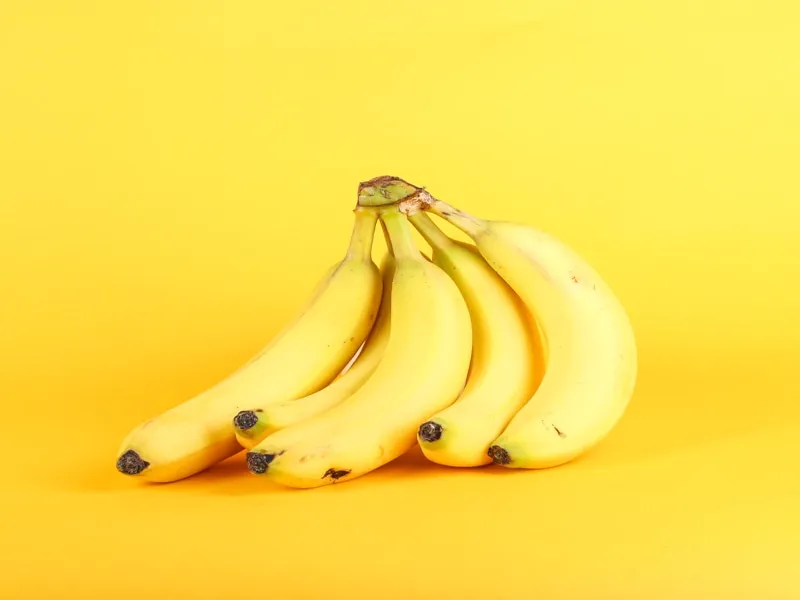
- Many vegetables have more potassium than bananas
- Adequate potassium intake reduces stroke risk significantly
The Hidden Story of Potassium
Let me tell you about Margaret, a 74-year-old who was put on blood pressure medication. "My doctor said my pressure was too high and I needed to cut salt and maybe take medication," she told me. "I didn't want to go on pills if I could avoid it."
Margaret's doctor recommended she try dietary changes first—specifically, increasing potassium while decreasing sodium. "I thought that meant eating bananas every day," Margaret laughed. "But my dietitian taught me there's so much more to potassium than bananas. And now my blood pressure is normal without medication."
Margaret's story is a powerful reminder that food is medicine. The right nutrients, in the right amounts, can have profound effects on our health.
The Research Behind Potassium
Studies show that increasing potassium intake by 1,640 mg daily can reduce stroke risk by 21%. The American Heart Association recommends potassium as a key component of heart-healthy eating.
Understanding Potassium: Your Body's Electrical System
What Potassium Does
Potassium is an electrolyte—a mineral that carries an electrical charge. This charge is essential for:
Heart Function: Potassium helps your heart beat regularly. Too much or too little causes irregular heartbeats.
Blood Pressure Regulation: Potassium helps balance sodium levels. It tells your kidneys to excrete more sodium, which relaxes blood vessels.
Muscle Contraction: Every muscle movement—from walking to digesting food—requires potassium.
Nerve Signals: Your nerves use potassium to transmit messages throughout your body.
Fluid Balance: Potassium works with sodium to maintain the right fluid balance in and around your cells.
What Happens When You're Low
Potassium deficiency (hypokalemia) can cause:
- Fatigue and weakness
- Muscle cramps
- Constipation
- Irregular heartbeat
- Tingling or numbness
- Difficulty breathing
What Happens When You Have Too Much
Hyperkalemia (too much potassium) is dangerous, especially for those with kidney disease. Always consult your doctor before taking potassium supplements.
Potassium and Sodium: The Balance
These two minerals work together. Too much sodium increases blood pressure; potassium helps counter that effect.
- •The ideal ratio: More potassium than sodium
- •Processed foods: High sodium, low potassium
- •Whole foods: High potassium, low sodium
- •This is why whole foods matter
How Much Potassium Do Seniors Need?
Daily Requirements
| Group | Recommended Daily Potassium |
|---|---|
| Adults (19+) | 2,600-3,400 mg |
| Women (51+) | 2,600 mg |
| Men (51+) | 3,000 mg |
| Those with hypertension | 3,500-4,700 mg |
Who Should Be Careful?
Consult your doctor before increasing potassium if you have:
- Kidney disease
- Heart disease
- Are taking diuretics (water pills)
- Are on ACE inhibitors or ARBs
- Have Addison's disease
Important Medical Note
If you're on blood pressure medication, especially diuretics, talk to your doctor before changing your potassium intake. Some medications affect potassium levels.
The Best Potassium-Rich Foods for Seniors
Superstars: Highest Potassium Foods
| Food | Serving Size | Potassium (mg) |
|---|---|---|
| Sweet potato | 1 medium | 694 |
| Tomato paste | 1/4 cup | 664 |
| White beans | 1/2 cup | 639 |
| Beet greens | 1 cup cooked | 644 |
| Swiss chard | 1 cup cooked | 961 |
| Spinach | 1 cup cooked | 839 |
| Banana | 1 medium | 422 |
| Avocado | 1/2 avocado | 485 |
| Cantaloupe | 1 cup | 427 |
| Lentils | 1 cup cooked | 731 |
| Kidney beans | 1 cup cooked | 713 |
| Yogurt | 1 cup plain | 579 |
| Salmon | 3 oz | 384 |
| Coconut water | 1 cup | 600 |
Surprise fact: A baked potato has 926 mg of potassium—more than a banana!
Category 1: Vegetables (The Potassium Champions)
Leafy Greens:
- Spinach: 839 mg per cup cooked
- Swiss chard: 961 mg per cup cooked
- Beet greens: 644 mg per cup cooked
- Kale: 296 mg per cup cooked
- Collard greens: 284 mg per cup cooked
Root Vegetables:
- Sweet potato: 694 mg per medium
- Potato: 926 mg per medium
- Carrots: 689 mg per cup
- Beets: 518 mg per cup
Other Vegetables:
- Tomatoes: 400+ mg per cup
- Zucchini: 512 mg per cup
- Pumpkin: 564 mg per cup
- Artichoke: 344 mg per medium
How to use: Add spinach or Swiss chard to smoothies, roast root vegetables, make kale chips.
Category 2: Fruits
Citrus Fruits:
- Orange: 237 mg per medium
- Grapefruit: 417 mg per medium
- Clementine: 131 mg per small
Berries:
- Banana: 422 mg per medium
- Cantaloupe: 427 mg per cup
- Honeydew: 388 mg per cup
- Kiwi: 252 mg per medium
- Strawberries: 254 mg per cup
How to use: Add berries to oatmeal, make fruit salads, snack on bananas with peanut butter.
Category 3: Legumes
- Lentils: 731 mg per cup
- White beans: 639 mg per half cup
- Kidney beans: 713 mg per cup
- Chickpeas: 477 mg per cup
- Black beans: 611 mg per cup
How to use: Add to soups, make bean salads, create veggie burgers.
Category 4: Proteins
- Salmon: 384 mg per 3 oz
- Tuna: 448 mg per 3 oz
- Yogurt: 579 mg per cup
- Cottage cheese: 299 mg per cup
Category 5: Other Sources
- Coconut water: 600 mg per cup
- Dried apricots: 1,101 mg per half cup
- Molasses: 879 mg per tablespoon
- Nuts (almonds, cashews): 200+ mg per ounce
Real Stories: Potassium Success
Margaret, 74: "I was on the verge of blood pressure medication. Now I'm not. I eat sweet potatoes several times a week, lots of leafy greens, and I replaced white bread with whole grain. My doctor is amazed."
Thomas, 81: "I've been on a diuretic for years, and my potassium was always low. Instead of a supplement, my doctor suggested I eat more beans and potatoes. My levels are perfect now."
Patricia, 77: "I always knew bananas had potassium. But learning about all the other sources opened up a whole new world of cooking for me. I make lentil soup every week now."
FAQ: Potassium Questions
Q: Can I get too much potassium from food? A: It's very difficult to get too much potassium from food alone. The risk comes from supplements and potassium-containing salt substitutes. Always consult your doctor.
Q: Should I take a potassium supplement? A: Almost never. Food sources are safer and come with other beneficial nutrients. Only take supplements if your doctor prescribes one.
Q: Does cooking affect potassium content? A: Boiling can cause some potassium to leach into water. Use cooking methods that retain water (steaming, roasting) or use the cooking liquid in soups.
Q: I take diuretics. How do I manage potassium? A: Work closely with your doctor. Some diuretics cause potassium loss; others cause retention. Your dosage and diet need to be individualized.
Q: Are salt substitutes safe? A: Some contain potassium chloride instead of sodium chloride. These can cause dangerous potassium buildup. Never use them without medical supervision.
How to Easily Add More Potassium
Breakfast Upgrades
- Add spinach or kale to morning smoothies
- Top oatmeal with banana slices and almonds
- Choose whole grain toast with avocado
Lunch Strategies
- Make bean-based soups (lentil, white bean)
- Add roasted beets or sweet potatoes to salads
- Use tomato-based sauces over whole grain pasta
Dinner Ideas
- Serve salmon with roasted root vegetables
- Make vegetarian chili with multiple bean varieties
- Include a leafy green side salad with every dinner
Snack Swaps
- Banana with peanut butter instead of chips
- Hummus with vegetables instead of crackers
- Yogurt with fruit instead of ice cream
The Potassium-to-Sodium Ratio
For optimal blood pressure, aim for a ratio of about 5:1 (potassium to sodium). Most Americans have a ratio of about 1:2—the opposite of what's healthy.
- •Processed foods: 1:2 ratio (bad)
- •Whole foods: 10:1 ratio (good)
- •Goal: 5:1 ratio or higher
- •This means: more whole foods, less processed foods
Conclusion: Margaret's New Normal
Margaret's blood pressure is now consistently in the normal range—without medication. "I eat delicious food, I feel better, and I'm not on drugs," she told me. "My doctor calls me his success story. I call it eating smarter."
The science is clear: potassium matters, especially as we age. It protects our hearts, regulates our blood pressure, and supports countless body functions.
But here's the key insight: you don't need to think about potassium specifically. You just need to eat more whole foods—vegetables, fruits, legumes, whole grains—and fewer processed foods. This naturally balances your potassium and sodium intake.
When you reach for a sweet potato instead of chips, when you add spinach to your smoothie, when you choose lentil soup over a frozen meal, you're not just eating well—you're actively protecting your heart.
Margaret puts it best: "Food is medicine. I know that sounds like a cliché. But when I see my blood pressure numbers and I know I achieved that with food? It's the best feeling in the world."
Start Today
This week, add one high-potassium food to your daily diet. A banana at breakfast. Sweet potato at dinner. Lentil soup for lunch. Small changes, big results.
Always consult with your healthcare provider or dietitian for personalized dietary advice, especially if you have kidney disease, heart conditions, or take medications that affect potassium levels.