📌Key Takeaways
- Soluble fiber can lower LDL cholesterol by 5-10%
- Plant sterols reduce LDL by blocking cholesterol absorption
- Omega-3 fatty acids lower triglycerides and reduce inflammation
- The Mediterranean diet lowers heart disease risk by 30%
- Small dietary changes lead to significant cholesterol improvements
The Cholesterol Journey
Let me tell you about Arthur, an 80-year-old who lowered his cholesterol without medication. "My LDL was 160 mg/dL—way too high," Arthur said. "My doctor wanted to put me on statins, but I wanted to try diet first. I started eating oatmeal every morning, added beans to my meals, and started snacking on nuts. In three months, my LDL dropped to 128."
Arthur's 32-point drop is real, but it is worth knowing the ceiling it represents. Studies show dietary changes typically move LDL by 10-20%; Arthur's 128 was better than 160, but still above the sub-100 target. For many people, medication does most of the lowering, and food works at the margins. "I didn't have to give up the foods I loved," he says. "I just added more of the right foods to my diet."
Cholesterol Statistics
High cholesterol affects 47% of adults over 65. For every 10 mg/dL reduction in LDL, heart disease risk drops by 20-25%.
Understanding Cholesterol
What Is Cholesterol?
Cholesterol is a waxy, fat-like substance found in every cell. Your liver manufactures most of what you need, and food contributes a smaller share. The body puts it to work:
- Building cell membranes
- Producing hormones (estrogen, testosterone, cortisol)
- Making vitamin D
- Aiding digestion (bile acids)
The Two Main Types
| Type | Nickname | Function | Ideal Level |
|---|---|---|---|
| LDL | "Bad" cholesterol | Transports cholesterol to cells | <100 mg/dL |
| HDL | "Good" cholesterol | Removes excess cholesterol from blood | >60 mg/dL |
| Triglycerides | - | Energy storage form of fat | <150 mg/dL |
Why High LDL Matters
When LDL stays high, particles drift into the artery wall and lodge there. Once they oxidize, they draw immune cells that build into plaque. Over time:
- Plaque narrows arteries (atherosclerosis)
- Blood flow to the heart is restricted
- Risk of heart attack and stroke increases
Cholesterol Levels Explained
What your cholesterol numbers mean
- •Optimal LDL: <100 mg/dL
- •Near optimal: 100-129 mg/dL
- •Borderline high: 130-159 mg/dL
- •High: 160-189 mg/dL
- •Very high: >190 mg/dL
The Science of Cholesterol-Lowering Foods
How Diet Affects Cholesterol
Your liver sends cholesterol into the gut every day packaged in bile, and the intestines reabsorb a large share of it back into the bloodstream. Soluble fiber interrupts that recycling loop: it dissolves into a gel in the small intestine, traps the cholesterol in bile, and carries it out in the stool. Plant sterols pull a related trick—their molecular shape is close enough to cholesterol's that they occupy the same absorption sites in the gut and crowd it out. Swapping butter and fatty meats for unsaturated healthy fats signals the liver to clear more LDL from circulation, which also nudges the LDL-HDL balance in a better direction. Antioxidants play a supporting role by quieting the inflammation that helps plaque take hold in artery walls.
Key Nutrients for Cholesterol Control
| Nutrient | How It Works | Best Sources |
|---|---|---|
| Soluble fiber | Binds to LDL, excretes it | Oats, beans, apples, psyllium |
| Plant sterols/stanols | Blocks cholesterol absorption | Nuts, seeds, vegetable oils |
| Omega-3 fatty acids | Lowers triglycerides, reduces inflammation | Fatty fish, flaxseeds, walnuts |
| Monounsaturated fats | Raises HDL, lowers LDL | Olive oil, avocado, almonds |
Top Cholesterol-Lowering Foods
1. Soluble Fiber Sources
Picture soluble fiber as a sponge in your small intestine: it soaks up cholesterol carried in bile and holds it until it leaves the body, so less gets reabsorbed into the blood. Studies show it can reduce LDL by 5-10%.
| Food | Serving | Soluble Fiber | LDL Reduction |
|---|---|---|---|
| Oatmeal | 1 cup cooked | 4 g | 5-8% |
| Oat bran | ½ cup | 3.5 g | 5-10% |
| Barley | 1 cup cooked | 3 g | 5-8% |
| Chia seeds | 1 tbsp | 5 g | 5-10% |
| Flaxseeds | 1 tbsp ground | 2 g | 3-5% |
| Kidney beans | ½ cup cooked | 2.5 g | 5-7% |
| Lentils | ½ cup cooked | 2 g | 4-6% |
| Apples | 1 medium | 4 g | 3-5% |
| Pears | 1 medium | 3 g | 3-5% |
| Psyllium husk | 1 tbsp | 5 g | 7-10% |
Arthur's Oatmeal Recipe: "I make oatmeal with rolled oats, a sprinkle of chia seeds, and sliced banana. It keeps me full until lunch and gives me a great start to the day."
2. Plant Sterol Sources
Plant sterols are compounds found in plants with a structure close enough to cholesterol's that the intestine mistakes one for the other. Eaten with a meal, when cholesterol and bile are moving through the gut, they occupy the absorption sites and block cholesterol from entering the blood, reducing LDL by 7-15%.
| Food | Serving | Sterol Content |
|---|---|---|
| Walnuts | 1 oz | 14 mg |
| Almonds | 1 oz | 13 mg |
| Pistachios | 1 oz | 12 mg |
| Sunflower seeds | 1 oz | 10 mg |
| Canola oil | 1 tbsp | 9 mg |
| Olive oil | 1 tbsp | 7 mg |
Tip: Look for fortified foods like margarine, yogurt, and orange juice that contain added plant sterols. Have the fortified serving with a meal—sterols work while the gut is busy absorbing food—and 2 grams daily can reduce LDL by 10-15%.
3. Omega-3 Rich Foods
Omega-3 fatty acids barely move LDL—their main job in the lipid panel is lowering triglycerides, and they also calm inflammation in blood vessel walls.
| Food | Serving | Omega-3 Content |
|---|---|---|
| Salmon | 3 oz | 1,500-2,500 mg |
| Mackerel | 3 oz | 1,800-2,400 mg |
| Sardines | 3 oz | 1,000-1,500 mg |
| Flaxseeds | 1 tbsp | 4,870 mg (ALA) |
| Chia seeds | 1 tbsp | 5,050 mg (ALA) |
| Walnuts | 1 oz | 2,570 mg (ALA) |
4. Heart-Healthy Fats
When monounsaturated and polyunsaturated fats replace saturated fat on the plate instead of just joining it, the liver responds by pulling more LDL out of circulation, and HDL tends to tick upward.
| Food | Type of Fat | Benefits |
|---|---|---|
| Olive oil | Monounsaturated | Raises HDL, reduces inflammation |
| Avocado | Monounsaturated | Improves cholesterol ratio |
| Almonds | Monounsaturated | Lowers LDL, raises HDL |
| Peanut butter (natural) | Monounsaturated | Improves lipid profile |
| Sunflower oil | Polyunsaturated | Lowers LDL |
5. Antioxidant-Rich Fruits and Vegetables
LDL does most of its damage after it oxidizes inside the artery wall. Polyphenols in berries and the vitamins in leafy greens blunt that oxidation and the inflammation that follows it.
Berries: Blueberries, strawberries, raspberries - rich in polyphenols Leafy greens: Spinach, kale, Swiss chard - rich in vitamins and antioxidants Citrus fruits: Oranges, grapefruits - rich in vitamin C and soluble fiber
Foods to Limit or Avoid
Certain foods can raise LDL cholesterol and should be limited:
| Category | Examples | Why They Matter |
|---|---|---|
| Saturated fats | Fatty meats, butter, cheese | Raises LDL significantly |
| Trans fats | Fried foods, processed snacks | Raises LDL, lowers HDL |
| Cholesterol-rich foods | Egg yolks, organ meats | Directly increases blood cholesterol |
| Added sugars | Soda, pastries, candy | Raises triglycerides |
| Refined carbs | White bread, pasta, pastries | Converts to triglycerides |
Note: For most people, dietary cholesterol has less impact on blood cholesterol than saturated and trans fats. The American Heart Association recommends limiting dietary cholesterol to 300 mg daily.
Building a Cholesterol-Lowering Meal Plan
Sample Daily Meal Plan
Breakfast:
- 1 cup oatmeal with 1 tbsp chia seeds and sliced banana
- 1 cup skim milk or almond milk
- 1 hard-boiled egg (optional)
Mid-morning snack:
- 1 small apple with 10 almonds
Lunch:
- Grilled chicken salad with mixed greens, cherry tomatoes, cucumber
- ¼ cup chickpeas
- 1 tbsp olive oil + balsamic vinegar dressing
- 1 slice whole-grain bread
Afternoon snack:
- ½ cup Greek yogurt with ¼ cup blueberries
- 1 tbsp walnuts
Dinner:
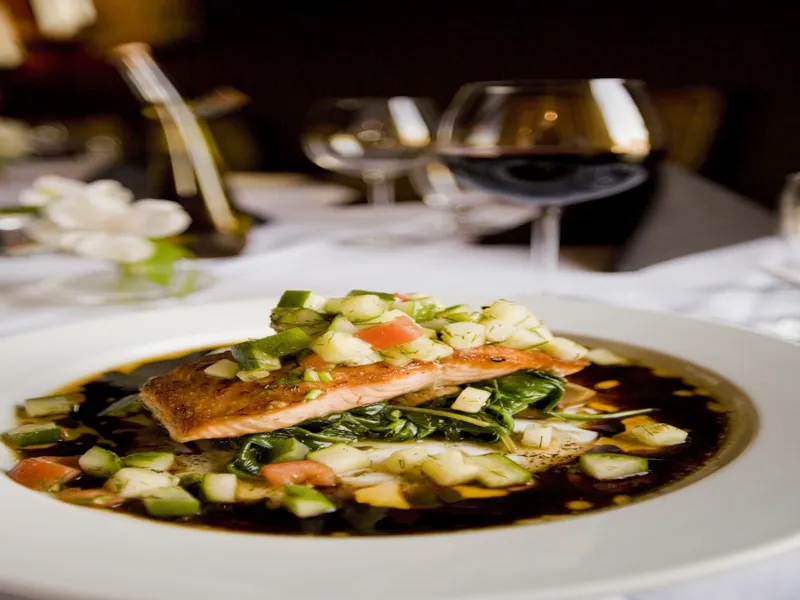
- 4 oz baked salmon
- 1 cup quinoa
- 1 cup roasted broccoli
- ½ avocado sliced
Arthur's Weekly Routine: "I plan my meals on Sundays. I cook a big pot of lentil soup, bake salmon, and roast vegetables. That way, I have healthy options ready all week."
Practical Tips for Success
📝Step-by-Step Guide
- 1Start your day with oatmeal or oat bran
- 2Add beans or lentils to soups, salads, and casseroles
- 3Snack on unsalted nuts instead of chips or cookies
- 4Use olive oil for cooking and salad dressings
- 5Eat fatty fish at least twice weekly
- 6Choose whole-grain bread, pasta, and cereals
- 7Add a handful of berries to breakfast or snacks
- 8Limit red meat to once or twice monthly
- 9Avoid fried foods and processed snacks
- 10Stay hydrated with water, herbal tea, or black coffee
Combining Diet with Other Lifestyle Changes
Food rarely does all the work on its own, and these habits multiply what the plate accomplishes:
Exercise: 150 minutes of moderate activity weekly Weight management: Losing 5-10% of body weight improves cholesterol Quit smoking: Smoking damages blood vessels and lowers HDL Limit alcohol: Excessive drinking raises triglycerides
Arthur's Success Formula
"I combined diet changes with walking 30 minutes daily. My LDL dropped from 160 to 128, and I lost 15 pounds. I feel better than I have in years!"
Real Stories: Cholesterol Success
Arthur, 80: "I didn't want to take medication. By adding oatmeal, beans, and nuts to my diet, I lowered my LDL by 32 points without drugs."
Diana, 76: "I started eating salmon twice a week and using olive oil instead of butter. My triglycerides dropped from 220 to 145."
Robert, 79: "I snack on walnuts every day and take a psyllium supplement. My LDL went from 145 to 118 in six months."
FAQ: Cholesterol and Diet
Q: Can diet alone lower cholesterol enough? A: For many people, yes! Studies show dietary changes can lower LDL by 10-20%. If that's not enough, medication may be needed.
Q: Are eggs bad for cholesterol? A: For most people, one egg daily is fine. The cholesterol in eggs has minimal impact compared to saturated fat.
Q: Is coconut oil good for cholesterol? A: Coconut oil is high in saturated fat, which raises LDL. It's better to choose olive oil or canola oil.
Q: How long does it take to see results? A: Most people see changes in 4-6 weeks with consistent dietary changes.
Q: Do I need to avoid all fat? A: No! Healthy fats (olive oil, avocado, nuts) improve cholesterol ratios. It's saturated and trans fats that are problematic.
Q: Should I take supplements? A: Talk to your doctor about fish oil or plant sterol supplements if you can't get enough from food.
Conclusion: Arthur's Cholesterol Victory
Arthur's doctor is impressed with his progress. "Arthur is proof that diet can work," his doctor says. "He didn't just lower his cholesterol—he improved his overall health and energy levels."
Arthur's advice: "Don't be overwhelmed. Start small. Add one cholesterol-lowering food to your diet each week. Before you know it, you'll see a difference."
Arthur's 32-point drop is the kind of gain food buys at the margins: meaningful, and most durable when oatmeal, beans, and nuts become the daily default rather than a three-month project. If LDL stays high despite consistent changes—or starts above 190 mg/dL—medication is the tool that does the heavy lifting. If your doctor has already prescribed a statin, keep taking it; these foods work alongside the pill, not in its place.
Your Cholesterol Action Plan
This week, add one cholesterol-lowering food to your daily routine: oatmeal for breakfast, nuts for snacks, or beans to your dinner. Small changes lead to big results.
Always consult with your healthcare provider or dietitian for personalized dietary advice. This article is for informational purposes only and does not constitute medical advice.