📌Key Takeaways
- High blood pressure is the leading cause of heart disease and stroke
- Lifestyle changes can lower blood pressure as effectively as medication
- DASH diet, exercise, and stress management are key strategies
- Regular monitoring helps track progress and catch problems early
The Wake-Up Call
Let me tell you about Robert, a 74-year-old who learned he had high blood pressure at a routine checkup. "My doctor said my blood pressure was dangerously high," Robert told me. "He wanted me to start medication immediately. But he also said I could try lifestyle changes first."
Robert chose the lifestyle route. He overhauled his diet, started walking daily, learned stress-management techniques, and began checking his blood pressure at home instead of trusting the occasional office reading. Six months later, his blood pressure dropped significantly. His doctor was impressed.
"I didn't want to be on medication for the rest of my life," Robert said. "So I committed to changing how I live. It wasn't easy, but it worked."
Blood Pressure Statistics
High blood pressure affects nearly 70% of American adults over age 65. It's called the "silent killer" because it often has no symptoms. But the good news: lifestyle changes can lower blood pressure by 10-20 mmHg or more.
Understanding Blood Pressure
What is Blood Pressure?
Blood pressure is the force of blood pushing against your artery walls as your heart pumps blood. It's measured in two numbers:
- Systolic pressure (top number): Pressure when your heart beats
- Diastolic pressure (bottom number): Pressure when your heart rests between beats
Blood Pressure Categories
| Category | Systolic | Diastolic |
|---|---|---|
| Normal | Less than 120 | Less than 80 |
| Elevated | 120-129 | Less than 80 |
| High Stage 1 | 130-139 | 80-89 |
| High Stage 2 | 140+ | 90+ |
Know Your Numbers
Get your blood pressure checked regularly. If it's elevated, take action. The longer high blood pressure goes uncontrolled, the more damage it does to your arteries.
The DASH Diet: Your Blood Pressure Solution
The DASH diet (Dietary Approaches to Stop Hypertension) is scientifically proven to lower blood pressure. Research in the New England Journal of Medicine found that the DASH diet lowered systolic blood pressure by 11 mmHg.
DASH Diet Principles
What to Eat:
- Grains: 6-8 servings daily (whole grains preferred)
- Vegetables: 4-5 servings daily
- Fruits: 4-5 servings daily
- Dairy: 2-3 servings daily (low-fat)
- Lean meats: 6 oz or less daily
- Nuts, seeds, legumes: 4-5 per week
What to Limit:
- Sodium: Less than 2,300 mg daily (1,500 mg ideally)
- Added sugars: Less than 5 servings weekly
- Saturated fats: Less than 6% of calories
DASH Diet Shopping List
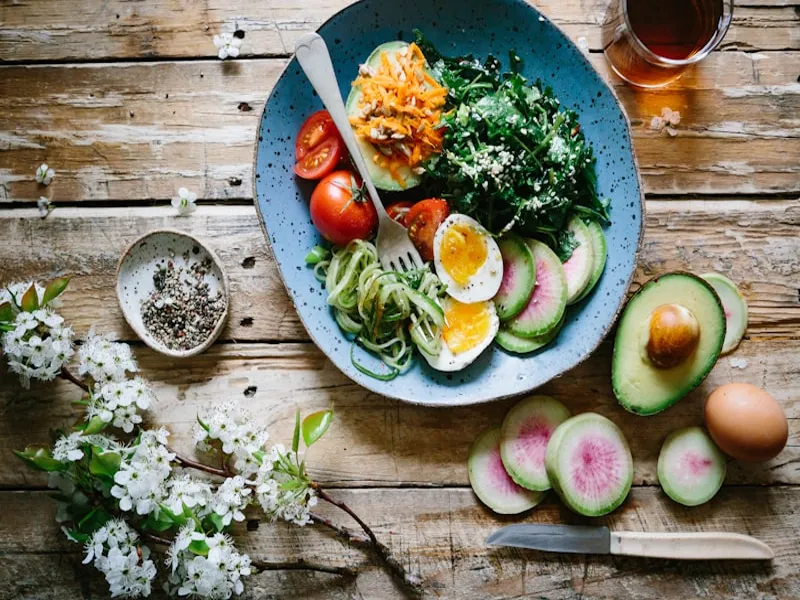
DASH Diet Essentials
Stock your kitchen with these blood pressure-friendly foods
- •Low-fat dairy: milk, yogurt, cheese
- •Whole grains: oats, brown rice, whole wheat bread
- •Colorful vegetables: leafy greens, tomatoes, peppers
- •Fresh fruits: bananas, berries, citrus
- •Lean proteins: chicken, fish, beans
- •Healthy fats: olive oil, avocados, nuts
DASH-Friendly Recipes
Breakfast: Oatmeal with banana and walnuts
- 1/2 cup oats cooked with water
- 1 sliced banana
- 1/4 cup chopped walnuts
- Dash of cinnamon
Lunch: Mediterranean Quinoa Bowl
- 1 cup cooked quinoa
- 1/2 cup chickpeas
- Mixed vegetables
- Lemon-olive oil dressing
Dinner: Baked Salmon with Vegetables
- 4 oz salmon fillet
- 1 cup roasted vegetables
- 1/2 cup brown rice
Sodium: The Blood Pressure Enemy
Understanding Sodium's Impact
Every extra gram of sodium you consume can increase blood pressure by 2-3 mmHg. For seniors, who are more salt-sensitive, the effect is even greater.
High-Sodium Foods to Avoid
| Food | Sodium Content | Healthy Alternative |
|---|---|---|
| Canned soup | 800-1,500 mg | Homemade broth-free soup |
| Deli meat | 500-1,000 mg | Fresh roasted chicken |
| Restaurant pizza | 1,000-2,000 mg | Homemade with fresh toppings |
| Soy sauce | 900 mg per tbsp | Lemon juice, herbs |
Low-Sodium Flavor Boosters
- Fresh herbs: basil, cilantro, parsley
- Spices: cumin, paprika, turmeric
- Garlic and onions
- Citrus juices
- Vinegars
Flavor Without Salt
With practice, you'll find that herbs and spices make food more flavorful than salt ever could. Your taste buds will adapt within 2-3 weeks of reducing sodium.
Exercise: Moving Your Way to Lower Blood Pressure
Why Exercise Works
With every aerobic session, the lining of the blood vessels gets a signal to relax and widen. Repeat that often enough and the vessels stay more pliable between workouts, so the heart pumps against less resistance. Regular exercise can lower systolic blood pressure by 5-8 mmHg.
Best Exercises for Blood Pressure
Aerobic Exercise (Best for Lowering BP):
- Walking: 30 minutes most days
- Swimming: Gentle on joints
- Cycling: Stationary or outdoor
- Dancing: Social and fun
Start Where You Are:
If 30 minutes seems overwhelming, break it into three 10-minute walks. The total minutes matter more than whether you do it all at once.
Robert's Walking Routine
"I started with 10 minutes around my block," Robert said. "Now I walk 30-45 minutes every morning. I feel better, my blood pressure is down, and I've made new friends in my neighborhood walking group."
📝Step-by-Step Guide
- 1Start with 10-15 minutes of walking
- 2Gradually increase to 30 minutes daily
- 3Choose a pace where you can talk but feel challenged
- 4Walk at the same time each day to build habit
- 5Track your progress with a simple log
Stress Management: Calming Your System
Stress and Blood Pressure Connection
When stress hits, adrenaline and related hormones speed the heart and clamp down on small arteries—a leftover from a body primed to run or fight. An isolated spike is normal and passes. Months of unrelenting tension are the problem: the system stays dialed up and readings stay elevated day after day, even when nothing alarming is happening.
Effective Stress-Reduction Techniques
Technique 1: Deep Breathing
- Inhale slowly for 4 counts
- Hold for 4 counts
- Exhale slowly for 6 counts
- Repeat 5-10 times
Technique 2: Progressive Muscle Relaxation
- Tense and release each muscle group
- Start with toes, work up to head
- Practice for 15-20 minutes
Technique 3: Mindfulness Meditation
- Sit quietly, focus on breath
- When thoughts arise, gently return to breath
- Start with 5 minutes, work up to 20
Stress Relief Activities
Find what works for you
- •Deep breathing exercises
- •Gentle yoga or tai chi
- •Listening to calming music
- •Spending time in nature
- •Journaling or reading
Weight Management: Every Pound Counts
The Blood Pressure-Weight Connection
Extra pounds mean extra miles of tiny vessels to feed, so the heart must push more blood through a wider network; weight carried around the middle also shifts the hormones and nerve signals that set vessel tone. Losing just 10 pounds can reduce blood pressure by 5-20 mmHg.
Healthy Weight Loss Tips
Aim to lose weight gradually, at 1-2 lbs per week—faster losses tend not to stick. Put vegetables and protein at the center of the plate so portions shrink without hunger, keep processed foods and sugary drinks rare rather than forbidden, and let regular walking carry the other half of the effort.
Limiting Alcohol and Quitting Smoking
Alcohol and Blood Pressure
Alcohol acts on the hormones and nerve signals that set blood-vessel tone. Drink past the limits below on a regular basis and systolic readings climb, often within hours of the drinks themselves. Limit to:
- Women: 1 drink or less daily
- Men: 2 drinks or less daily
Smoking and Blood Pressure
Smoking damages artery walls and increases heart rate. Quitting smoking is one of the best things you can do for your heart.
Cold Medicine, Snoring, and Other Hidden Lifts
Readings that rise for no clear reason sometimes trace back to the medicine cabinet. Oral decongestants such as pseudoephedrine and phenylephrine—the active ingredients in many cold, sinus, and allergy pills—tighten blood vessels the same way adrenaline does and can push readings up noticeably for hours. Read the label, ask the pharmacist for a decongestant-free option, and never start or stop a medicine without checking with the clinician who prescribes it.
The other common culprit announces itself at night: obstructive sleep apnea, in which the airway collapses again and again during sleep. Loud snoring, gasping awake, morning headaches, and exhaustion despite a full night in bed are the warning signs. Apnea keeps the nervous system in overdrive and drives both nighttime and daytime readings upward; treating it, often with a CPAP machine, can bring them back down. Mention these symptoms to your doctor rather than writing them off as poor sleep.
Monitoring Your Progress
Home Blood Pressure Monitoring
The Key to Success
Regular monitoring is essential. It helps you track progress, stay motivated, and catch problems early.
The home log also settles the most common disagreement in blood-pressure care. There is the reading that's perfectly calm in the exam room but high at the kitchen table—masked hypertension—and its mirror image, the number that spikes only at the doctor's office, known as white-coat hypertension. Neither pattern shows up from a single office visit, and both matter: a few weeks of correctly taken home readings, brought along to your next appointment, give your clinician the truer picture and keep a one-day fluke from driving a treatment decision.
What You Need:
- Automatic upper arm monitor
- Something to rest your arm on
- A log to record readings
How to Measure Correctly:
- Sit quietly for 5 minutes
- Use the bathroom first (full bladder affects readings)
- Sit with feet flat on floor, back supported
- Rest arm on table at heart level
- Take 2-3 readings, average them
- Record date, time, and reading
When to Call Your Doctor
Contact your healthcare provider if:
- Blood pressure rises above 180/120
- You experience chest pain or shortness of breath
- Readings are consistently elevated despite lifestyle changes
- You experience dizziness or fainting
Real Stories: Lowering Blood Pressure Naturally
Robert, 74: "My doctor gave me a choice: medication or lifestyle changes. I chose to change my life. Now my blood pressure is normal, I've lost 15 pounds, and I feel 10 years younger."
Dorothy, 79: "Walking changed my life. I started with 10 minutes and now I do 45 minutes every morning. My blood pressure dropped from 150/95 to 128/82."
Harold, 82: "I thought I had to give up everything I enjoyed. But learning to cook with herbs instead of salt actually made my food more delicious. My blood pressure is under control and I've discovered new flavors."
FAQ: Blood Pressure Management
Q: How long does it take for lifestyle changes to work? A: Some changes (like deep breathing) can lower blood pressure immediately. Dietary changes show results in 2-4 weeks. Full benefits of exercise typically appear in 4-12 weeks.
Q: Can I stop my medication if my blood pressure improves? A: NEVER stop medication without your doctor's approval. You may be able to reduce dosage with your doctor's guidance, but only under medical supervision.
Q: Is the DASH diet difficult to follow? A: It takes about 2-3 weeks to adjust. Many people find the food is actually more flavorful than their old diet. The more you follow it, the easier it becomes.
Q: Do I need to exercise every day? A: Most days is ideal, but even 5 days per week is beneficial. Missing a day occasionally is fine—consistency over time is what matters.
Q: Can I have coffee with high blood pressure? A: Moderate coffee consumption (1-2 cups) is generally safe. Caffeine can cause temporary spikes, but doesn't seem to increase long-term blood pressure in most people.
Conclusion: Robert's Legacy
Robert's doctor calls him a success story. "He did what most patients don't do," the doctor said. "He actually committed to lifestyle changes and stuck with them."
Robert's advice: "Start small. You don't have to change everything at once. Maybe this week you add one walk per day. Next week, you reduce sodium by one serving. Build from there."
He adds: "I feel better than I have in decades. My blood pressure is normal, I've made exercise a habit, and I've learned that healthy living isn't about sacrifice—it's about gaining a better life."
Your First Step
This week, choose ONE change from this guide. Maybe it's a 10-minute walk. Maybe it's using herbs instead of salt. One small step leads to big results.
Always consult with your healthcare provider for personalized advice on managing blood pressure. This article is for informational purposes only and does not constitute medical advice.