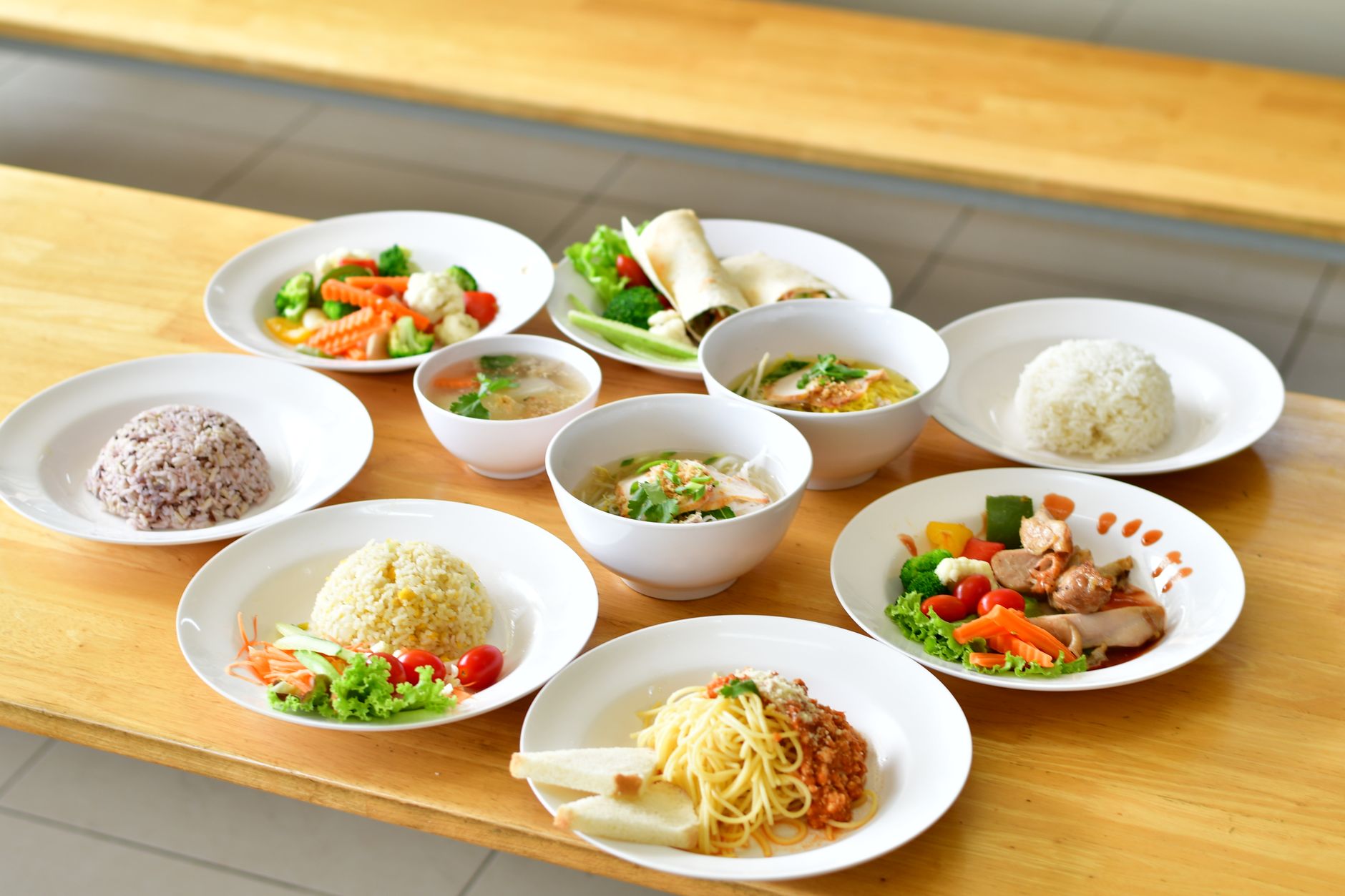
Why a Soft Food Meal Plan Matters
Many adults over 65 face challenges with chewing or swallowing. According to the National Institute on Aging, approximately 15% of seniors experience some form of chewing difficulty, whether due to dental issues, dentures, or age-related muscle weakness.
A well-planned soft food diet ensures you get the nutrition you need without sacrificing flavor or enjoyment. Research suggests that maintaining proper nutrition is essential for healthy aging, supporting muscle strength, immune function, and overall well-being.
This 7-day plan is designed to:
- Provide balanced nutrition every day with adequate protein, fiber, and essential vitamins
- Offer variety to keep meals interesting and prevent taste fatigue
- Use simple ingredients that are easy to find at any grocery store
- Include meals that are gentle on teeth, dentures, and sensitive gums
- Support healthy digestion with moist, easy-to-swallow options
Consult Your Healthcare Provider
Always check with your doctor or dietitian before starting any new meal plan, especially if you have specific health conditions, dietary restrictions, or swallowing difficulties. For those with dysphagia, a speech therapist can provide personalized texture recommendations.
Nutritional Considerations for Soft Food Diets
When following a soft food diet, it's important to ensure you're still getting all essential nutrients. Seniors need adequate protein (1.0-1.2 grams per kilogram of body weight), calcium for bone health, vitamin D, and fiber for digestive health.
Many seniors worry that soft foods lack nutrition, but that's not the case. Soft foods like eggs, Greek yogurt, fish, and pureed vegetables are packed with vitamins, minerals, and protein. The key is choosing nutrient-dense options rather than empty-calorie soft foods like pudding or white bread alone.
For more information on senior nutrition basics, see our guide on healthy diet for seniors.
Day 1: Monday
Breakfast: Creamy Oatmeal with Berries
- 1 cup cooked oatmeal
- 1/2 cup fresh or frozen berries
- 1 tbsp honey
- 1/4 cup chopped walnuts (optional - omit if nuts are difficult to chew)
Nutritional benefit: Oatmeal provides fiber for digestive health and sustained energy throughout the morning.
Snack: Greek Yogurt with Honey
- 1 cup plain Greek yogurt
- 1 tsp honey
- Cinnamon to taste
Nutritional benefit: Greek yogurt contains approximately 15-20 grams of protein per cup, supporting muscle maintenance.
Lunch: Creamy Butternut Squash Soup
- 1 bowl butternut squash soup (pureed)
- 1 slice soft bread
Nutritional benefit: Butternut squash is rich in vitamin A and fiber. The pureed texture makes it easy to swallow.
Snack: Apple Sauce
- 1/2 cup unsweetened applesauce
Nutritional benefit: Applesauce provides gentle fiber and natural sweetness without added sugar.
Dinner: Braised Chicken Thighs with Mashed Potatoes
- 2 boneless chicken thighs, braised until tender
- 1 cup creamy mashed potatoes
- 1/2 cup steamed carrots
Nutritional benefit: Chicken provides approximately 25 grams of protein per serving. Slow cooking ensures the meat is tender and easy to chew.
Day 2: Tuesday
Breakfast: Scrambled Eggs with Soft Toast
- 3 scrambled eggs (soft and creamy)
- 1 slice soft whole-grain toast
- 1/4 avocado, mashed
Nutritional benefit: Eggs are a complete protein source with all essential amino acids. Avocado adds healthy fats and makes the meal more moist.
Snack: Cottage Cheese with Pineapple
- 1/2 cup cottage cheese
- 1/2 cup canned pineapple (in juice)
Nutritional benefit: Cottage cheese provides 12-15 grams of protein per half-cup.
Lunch: Tuna Salad on Soft Bread
- 1 can tuna mixed with mayonnaise
- 2 slices soft bread
- Side of cucumber salad
Nutritional benefit: Tuna is rich in omega-3 fatty acids, which support heart and brain health.
Snack: Smoothie
- 1 banana
- 1/2 cup frozen mango
- 1/2 cup milk
Nutritional benefit: Smoothies provide hydration and nutrients in an easy-to-consume form.
Dinner: Salmon Patties with Quinoa
- 2 salmon patties
- 1 cup cooked quinoa
- 1/2 cup steamed broccoli (chopped small)
Nutritional benefit: Salmon is one of the best sources of omega-3 fatty acids. Quinoa is a complete plant protein with fiber.
For more protein-rich soft food ideas, see high protein soft foods for elderly.
Day 3: Wednesday
Breakfast: Banana Pancakes
- 2 small banana pancakes (made with ripe bananas)
- 2 tbsp maple syrup
Nutritional benefit: Bananas add natural sweetness and moisture, making pancakes softer.
Snack: Rice Pudding
- 1/2 cup creamy rice pudding
Nutritional benefit: Rice pudding provides carbohydrates and calcium from milk.
Lunch: Cream of Tomato Soup with Grilled Cheese
- 1 bowl cream of tomato soup
- 1 soft grilled cheese sandwich
Nutritional benefit: Tomato soup contains lycopene, an antioxidant that supports heart health.
Snack: Peanut Butter on Crackers
- 2 butter crackers
- 1 tbsp smooth peanut butter
Nutritional benefit: Peanut butter provides protein and healthy fats.
Dinner: Slow-Cooked Beef Stew
- 1 bowl beef stew (meat and vegetables cooked until very tender)
- 1 slice crusty bread
Nutritional benefit: Slow cooking makes beef tender and easily chewable. The variety of vegetables provides vitamins and minerals.
Day 4: Thursday
Breakfast: Chia Pudding
- 1 cup chia pudding (made with milk and chia seeds)
- 1/4 cup fresh blueberries
Nutritional benefit: Chia seeds are rich in omega-3 fatty acids, fiber, and antioxidants.
Snack: Soft Fruit Compote
- 1/2 cup mixed fruit compote
Nutritional benefit: Mixed fruits provide a variety of vitamins and antioxidants.
Lunch: Chicken Noodle Soup
- 1 bowl chicken noodle soup (with soft noodles)
- 1/2 cup steamed green beans
Nutritional benefit: Chicken soup is hydrating and provides protein in an easy-to-eat form.
Snack: Yogurt Smoothie
- 1/2 cup yogurt
- 1/2 cup orange juice
- 1/2 banana
Nutritional benefit: This smoothie provides calcium, vitamin C, and potassium.
Dinner: Turkey Meatloaf with Sweet Potatoes
- 4 oz turkey meatloaf (soft texture)
- 1 cup mashed sweet potatoes
- 1/2 cup steamed spinach
Nutritional benefit: Turkey is lean protein. Sweet potatoes are rich in vitamin A and fiber.
Day 5: Friday
Breakfast: Oatmeal Smoothie
- 1/2 cup cooked oatmeal
- 1 banana
- 1/2 cup milk
- 1 tbsp peanut butter
Nutritional benefit: This smoothie combines fiber from oats with protein from peanut butter.
Snack: Graham Crackers
- 2 graham crackers
- 1/4 cup applesauce
Nutritional benefit: Graham crackers are softer than regular crackers and pair well with applesauce.
Lunch: Grilled Chicken Salad (Soft Version)
- 4 oz grilled chicken (cut into small pieces)
- Mixed greens (chopped fine)
- Cherry tomatoes (halved)
- Creamy dressing
Nutritional benefit: Chicken salad provides protein and vegetables in a moist, easy-to-eat form.
Snack: Cheese and Crackers
- 1 slice soft cheese
- 2 butter crackers
Nutritional benefit: Cheese provides calcium and protein.
Dinner: Shrimp and Grits
- 4 oz cooked shrimp
- 1 cup creamy grits
- 1/2 cup sautéed spinach
Nutritional benefit: Shrimp is low-fat protein. Grits are soft and comforting.
Day 6: Saturday
Breakfast: French Toast (Soft Version)
- 2 slices soft French toast
- 2 tbsp maple syrup
- 1/4 cup fresh strawberries
Nutritional benefit: French toast made with soft bread is easy to chew and provides protein from eggs.
Snack: Smoothie Bowl
- 1 cup blended frozen fruit
- Granola (crushed fine)
- Coconut flakes
Nutritional benefit: Smoothie bowls provide antioxidants from fruit and texture from crushed granola.
Lunch: Creamy Chicken Salad
- 1 cup chicken salad (made with Greek yogurt)
- 2 slices soft bread
- Side of coleslaw
Nutritional benefit: Greek yogurt-based chicken salad is higher in protein than mayonnaise-based versions.
Snack: Trail Mix (Soft)
- 1/4 cup trail mix (without hard nuts)
Nutritional benefit: Trail mix with dried fruit and soft ingredients provides energy and nutrients.
Dinner: Lasagna (Soft Version)
- 1 serving soft lasagna (noodles cooked extra soft)
- 1/2 cup steamed cauliflower
Nutritional benefit: Lasagna provides protein from meat and cheese, plus carbohydrates from pasta.
Day 7: Sunday
Breakfast: Avocado Toast
- 1 slice soft bread
- 1/2 avocado, mashed
- Pinch of salt and pepper
Nutritional benefit: Avocado provides healthy monounsaturated fats and makes bread moist and easy to chew.
Snack: Pudding
- 1/2 cup vanilla pudding
Nutritional benefit: Pudding provides calcium and is an easy-to-eat sweet treat.
Lunch: Turkey Chili
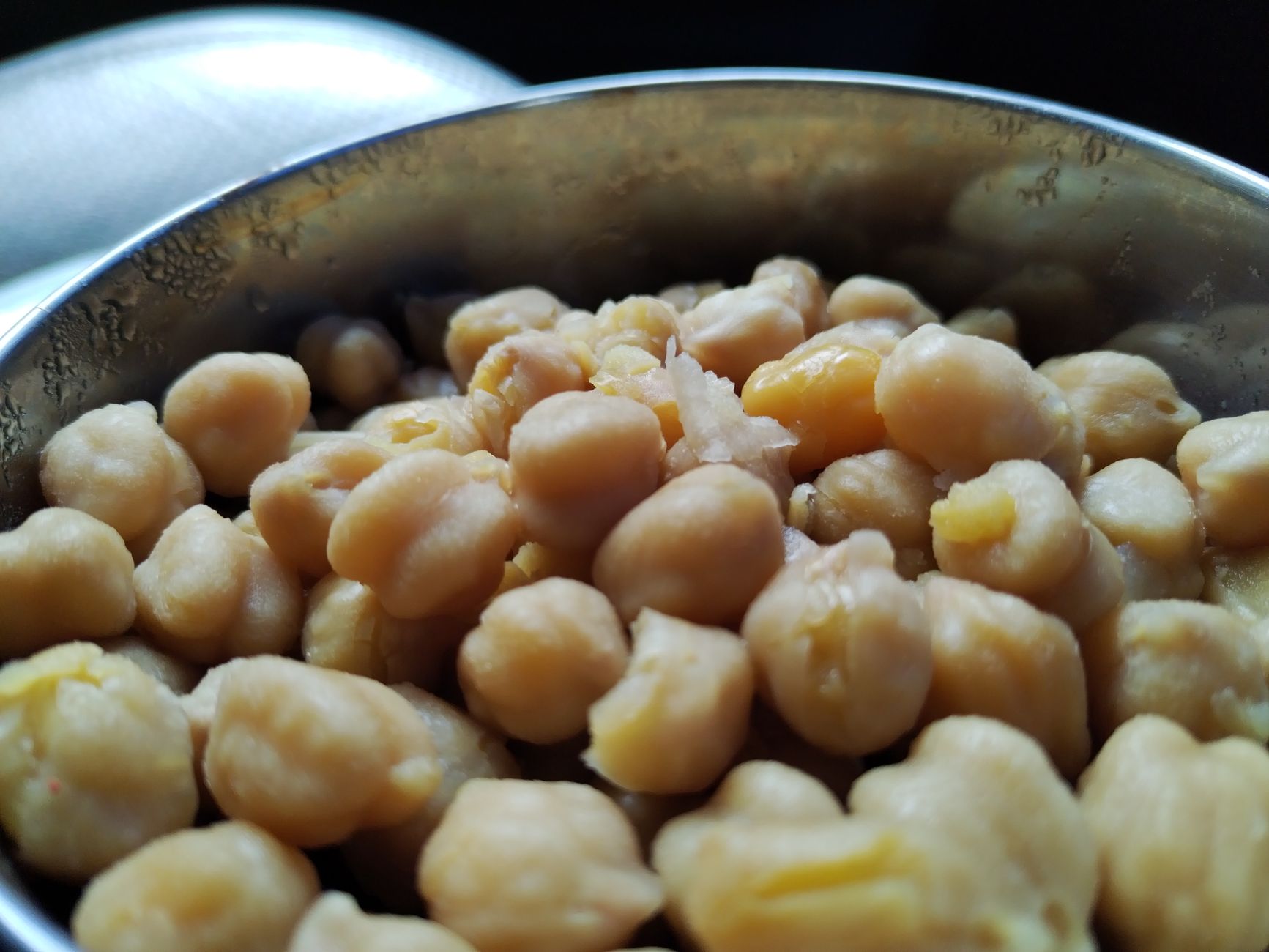
- 1 bowl turkey chili (with beans mashed if needed)
- 1 small cornbread muffin
Nutritional benefit: Turkey chili is high in protein and fiber. Beans can be mashed for easier chewing.
Snack: Fruit Smoothie
- 1 cup blended fruit
- 1/2 cup yogurt
Nutritional benefit: Smoothies provide hydration and vitamins in an easily digestible form.
Dinner: Stuffed Bell Peppers (Soft)
- 1 stuffed bell pepper (with ground turkey and rice)
- 1/2 cup mashed potatoes
Nutritional benefit: Stuffed peppers provide protein, vegetables, and carbohydrates in one dish.
For seniors with dentures, see our guide on soft foods for seniors with dentures.
Meal Prep Tips
Make the week easier with these meal prep strategies:
Tips for Success
1. Adjust Texture as Needed
If you find certain foods still challenging, try:
- Pureeing soups and stews completely
- Cutting food into smaller pieces (no larger than 1/2 inch)
- Mashing soft foods with a fork or blending briefly
- Adding sauces or gravies to moisten dry foods
2. Stay Hydrated
Drink water throughout the day. Soup and smoothies also count toward your fluid intake. Proper hydration helps with swallowing and digestion. Seniors should aim for 8-10 cups of fluids daily unless otherwise directed by their healthcare provider.
3. Add Flavor
Soft foods don't have to be bland. Use herbs, spices, citrus juice, and sauces to enhance flavor without relying on salt. Try:
- Fresh herbs like basil, parsley, or cilantro
- Spices like cinnamon, nutmeg, or paprika
- Lemon or lime juice for brightness
- Low-sodium sauces and gravies
For heart-healthy seasoning ideas, see low sodium recipes for seniors.
4. Eat Regularly
Small, frequent meals help maintain energy levels and prevent overeating. This approach is especially helpful for seniors who may feel full quickly or have reduced appetite.
5. Include Protein at Every Meal
Protein is essential for maintaining muscle mass. Include at least 20-30 grams of protein at each main meal. Good soft protein sources include eggs, Greek yogurt, cottage cheese, fish, and ground meats.
6. Make Meals Appealing
Use colorful plates, garnish with fresh herbs, and serve meals at attractive temperatures. Presentation matters—even simple soft foods can look appetizing with the right presentation.
FAQ: Soft Food Meal Plan Questions
Q: Can I substitute ingredients in this plan? A: Absolutely! Feel free to swap proteins, vegetables, or grains based on your preferences and what's available. The key is maintaining similar texture and nutritional value.
Q: How do I make meals more appealing? A: Use colorful plates, garnish with fresh herbs, and serve meals at attractive temperatures. Try varying textures within safe limits—some crunch from finely crushed crackers can add interest without being difficult to chew.
Q: Can I freeze leftovers? A: Yes, most soups, stews, and casseroles freeze well for up to 3 months. Label containers with dates so you know when to use them. Thaw completely before reheating.
Q: What if I'm still hungry after meals? A: Add snacks between meals or increase portion sizes slightly. Nutritious snacks like yogurt, cottage cheese, or smoothies are great options. You can also add more vegetables or protein to your main meals.
Q: How do I ensure I'm getting enough protein? A: Include protein at every meal—eggs, Greek yogurt, chicken, fish, cottage cheese, and legumes are all excellent soft food protein sources. Track your intake for a few days to ensure you're meeting your needs.
Q: Is this plan suitable for people with dentures? A: Yes! All meals are designed to be gentle on dentures. You may want to cut food into smaller pieces if needed. For specific denture tips, see soft foods for seniors with dentures.
Q: Can I use this plan if I have swallowing difficulties? A: This plan can be adapted for dysphagia. Puree foods as needed and follow texture recommendations from your speech therapist. See easy-to-swallow meals for seniors for more guidance.
Q: How much does this meal plan cost? A: The ingredients in this plan are affordable and commonly available. Using bulk grains, seasonal produce, and frozen options can reduce costs. See meal prep for seniors on budget for budget tips.
Related Articles
- Soft Food Recipes for Seniors
- High Protein Soft Foods for Elderly
- Easy-to-Swallow Meals for Seniors
- Soft Foods for Seniors with Dentures
- Healthy Diet for Seniors
- Best Foods for Elderly Digestion
- Meal Prep for Seniors on Budget
- Vitamins and Supplements for Seniors