What to Expect After Dental Surgery
Dental surgery—whether it's a tooth extraction, implant placement, gum surgery, or root canal—requires a period of recovery. During this time, your mouth will be sensitive, and eating normal foods can be painful or even damaging to the surgical site.
The American Dental Association recommends following a soft food diet for 1-2 weeks after most dental procedures, depending on the type and extent of surgery. Proper nutrition during this time is crucial for healing, as your body needs protein, vitamins, and minerals to repair tissues.
Follow Your Dentist's Instructions
Always follow your dentist's specific recommendations for post-surgery care. These are general guidelines—your individual needs may vary based on the type of procedure and your overall health.
Why Soft Foods Are Essential for Healing
After dental surgery, your mouth needs time to heal. Soft foods help by:
- Preventing injury: Hard or crunchy foods can damage surgical sites, dislodge stitches, or cause bleeding
- Reducing pain: Soft foods require less chewing, minimizing discomfort
- Supporting nutrition: Even soft foods can provide essential nutrients for healing
- Promoting comfort: Easy-to-eat foods reduce mealtime stress during recovery
Protein is particularly important during healing, as it provides the building blocks for tissue repair. For protein-rich soft foods, see high protein soft foods for elderly.
Foods to Avoid After Dental Surgery
During recovery, avoid these foods that can interfere with healing:
First 24-48 Hours (Strictly Avoid)
- Hot foods: Can irritate sensitive tissues and increase bleeding
- Spicy foods: May cause pain and inflammation
- Crunchy/hard foods: Can damage surgical sites (chips, nuts, raw vegetables)
- Sticky foods: Can dislodge stitches or blood clots (caramel, gum)
- Carbonated drinks: Can cause pain or swelling
- Alcohol: Slows healing and increases infection risk
- Tobacco: Significantly delays healing and increases complications
Days 3-7 (Continue to Limit)
- Chewy meats
- Crusty bread
- Raw fruits and vegetables
- Seeds and nuts
- Foods with small pieces that can get stuck
For those with ongoing eating challenges, see soft foods for seniors with dentures.
Best Soft Foods for Dental Surgery Recovery
First 24-48 Hours: Very Soft Foods
During the first couple of days, stick to foods that require no chewing:
Drinks:
- Water (cool, not ice cold)
- Milk
- Smoothies (blended well, no fruit chunks)
- Protein shakes
- Herbal tea (cooled to room temperature)
- Broth (cooled)
Foods:
- Applesauce
- Yogurt (plain or flavored)
- Pudding (rice, chocolate, vanilla)
- Mashed potatoes (smooth, no chunks)
- Cream of wheat or oatmeal
- Soft scrambled eggs
- Pureed soups
- Jello or gelatin
Nutritional focus: Hydration and easy-to-digest foods. Protein shakes can help maintain protein intake.
Days 3-7: Soft, Moist Foods
As healing progresses, you can gradually introduce foods that require minimal chewing:
Breakfast:
- Creamy oatmeal with honey and berries (mashed)
- Soft scrambled eggs with cheese
- Greek yogurt with berries
- Smoothie bowls
- Soft pancakes
Lunch:
- Tuna salad (extra creamy, no chunks)
- Cream of tomato soup
- Soft pasta with creamy sauce
- Chicken salad (with yogurt instead of mayo)
- Pureed vegetable soup
Dinner:
- Braised chicken (pulled apart, small pieces)
- Baked fish (flaked)
- Mashed sweet potatoes
- Lentil soup (pureed)
- Soft meatloaf with gravy
Snacks:
- Cottage cheese
- Soft banana
- Avocado (mashed)
- Rice cakes (soft)
- Pureed fruit compote
For more meal ideas, see 7-day soft food meal plan for seniors.
After 1 Week: Gradually Introduce Textures
Once your dentist gives approval, slowly add more texture:
- Cooked vegetables (chopped small)
- Soft bread or rolls
- Ground meats
- Soft-cooked pasta
- Tender casseroles
Hydration Tips
Staying hydrated is crucial for healing:
Tips for Eating After Dental Surgery
1. Eat on the Opposite Side
If only one side of your mouth was operated on, chew on the other side to protect the surgical site.
2. Cut Food into Small Pieces
Even soft foods should be cut into tiny pieces to minimize chewing effort.
3. Chew Slowly and Carefully
Take your time and chew gently. Don't rush through meals.
4. Rinse Your Mouth After Eating
Use warm salt water to gently rinse and keep the surgical site clean. Follow your dentist's instructions for rinsing frequency.
5. Stay Hydrated
Drink plenty of water—dehydration slows healing and can cause discomfort.
6. Avoid Straws
Sucking through a straw creates negative pressure that can dislodge blood clots, which are essential for healing. This is especially important after tooth extractions.
7. Take Pain Medication as Needed
If prescribed, take pain medication before meals to make eating more comfortable. Always follow dosing instructions.
8. Rest After Eating
Give your mouth time to rest after meals. Avoid talking or straining immediately after eating.
Sample Recovery Meal Plan
Day 1 (Very Soft):
- Breakfast: Cream of wheat with milk
- Lunch: Pureed vegetable soup
- Dinner: Applesauce with yogurt
- Snacks: Pudding, broth, protein shake
Day 3 (Soft, Moist):
- Breakfast: Soft scrambled eggs
- Lunch: Tuna salad on soft bread
- Dinner: Mashed potatoes with gravy
- Snacks: Cottage cheese, banana
Day 5 (Increasing Texture):
- Breakfast: Oatmeal with berries
- Lunch: Creamy chicken soup
- Dinner: Baked salmon with rice
- Snacks: Smoothie, soft crackers
Day 7 (Approaching Normal):
- Breakfast: Soft pancakes
- Lunch: Chicken salad
- Dinner: Meatloaf with mashed potatoes
- Snacks: Yogurt with soft fruit
For ongoing soft food needs, see easy-to-swallow meals for seniors.
Nutritional Considerations for Healing
Proper nutrition accelerates healing after dental surgery:
Protein
Essential for tissue repair. Aim for 20-30g per meal from soft sources like eggs, yogurt, fish, and protein shakes.
Vitamin C
Supports collagen production for wound healing. Include soft vitamin C sources like pureed oranges, mashed berries, or smoothies with citrus.
Zinc
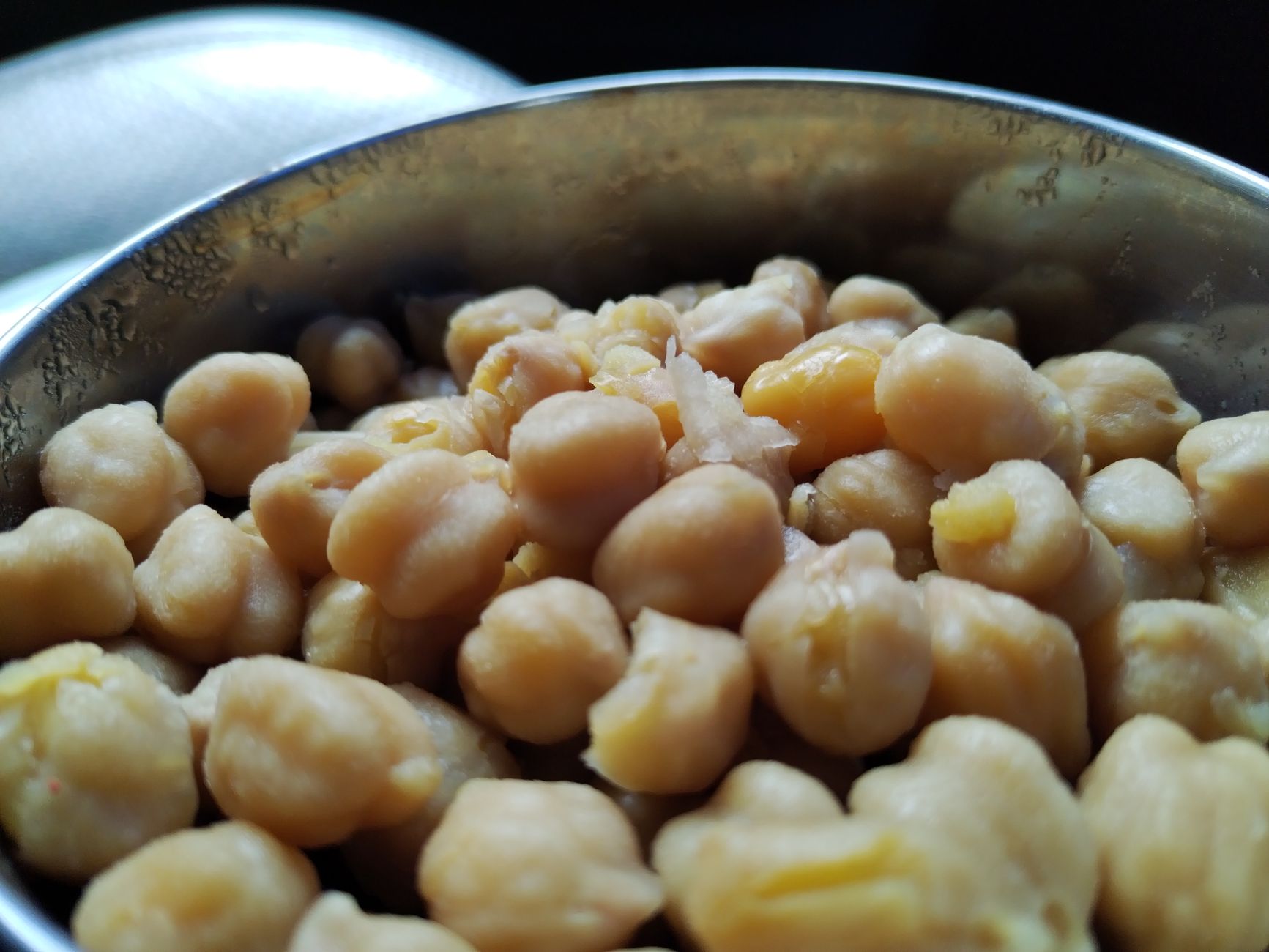
Helps with wound healing. Soft sources include yogurt, pureed beans, and soft-cooked poultry.
Hydration
Critical for healing. Drink water, broths, and other fluids throughout the day.
For comprehensive nutrition guidance, see healthy diet for seniors.
FAQ: Eating After Dental Surgery
Q: How long do I need to eat soft foods? A: Typically 1-2 weeks for most procedures, but follow your dentist's specific instructions. Complex surgeries like implant placement may require longer soft food periods.
Q: Can I drink coffee after dental surgery? A: Wait at least 24 hours and avoid hot coffee. Cold or iced coffee is usually fine after the first day, but check with your dentist.
Q: What if I'm not hungry? A: Healing requires energy, so try to eat even if appetite is low. Focus on nutrient-dense soft foods like protein shakes and yogurt. Small, frequent meals can help.
Q: Can I use a blender for food? A: Yes! Blenders are excellent for creating smooth, easy-to-eat meals. Puree soups, smoothies, and even soft meats for easier consumption.
Q: When can I eat solid food again? A: Ask your dentist. Usually after 1-2 weeks when healing has progressed. Start with soft solid foods before returning to normal texture.
Q: Is there anything I can do to make food taste better? A: Use herbs and mild spices (avoid spicy seasonings). Room temperature foods often taste better than cold ones. Add flavor with honey, cinnamon, or soft fruit.
Q: What about protein supplements? A: Protein shakes are excellent during dental surgery recovery. Choose low-sugar options and blend smooth. They provide nutrition without requiring chewing.
Q: Can I eat ice cream? A: Soft ice cream or frozen yogurt is usually fine after the first day. Avoid hard ice cream with nuts or chunks. Cool (not freezing) temperatures are most comfortable.
Related Articles
- Soft Food Recipes for Seniors
- 7-Day Soft Food Meal Plan for Seniors
- High Protein Soft Foods for Elderly
- Soft Foods for Seniors with Dentures
- Best Foods for Elderly Digestion
- Healthy Diet for Seniors
- Vitamins and Supplements for Seniors