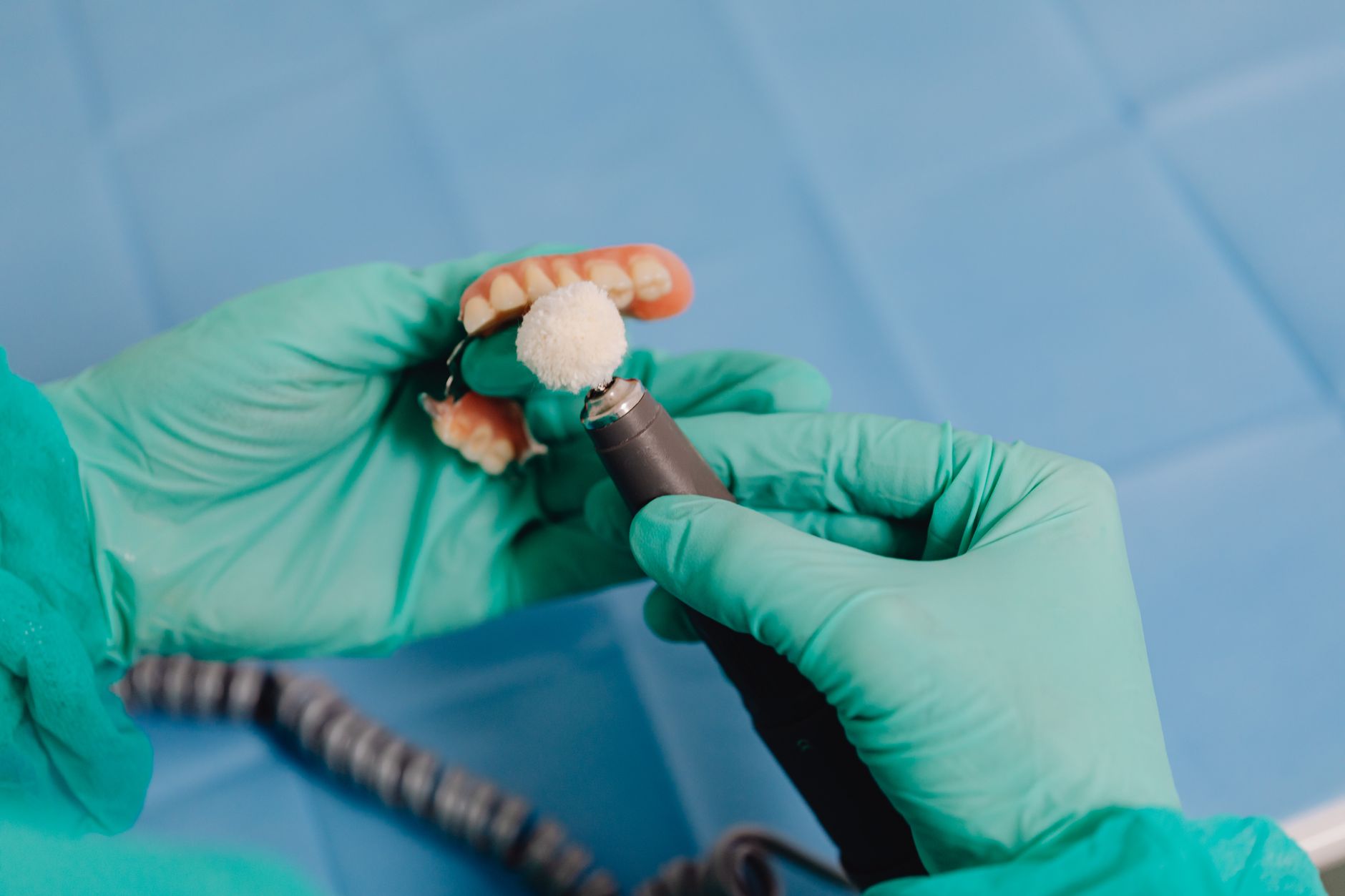
Adjusting to Dentures: A Common Challenge
For many seniors, getting dentures is a significant adjustment. Suddenly, favorite foods may become difficult or painful to eat. Approximately 1 in 5 adults over 65 wear dentures, according to the American Dental Association.
The adjustment period typically lasts 2-4 weeks for most people, during which eating certain foods can be challenging. However, with the right food choices and techniques, mealtime can remain enjoyable and nutritious.
Denture Care Tip
Always ensure your dentures fit properly. Ill-fitting dentures can cause pain, sores, and difficulty eating. Visit your dentist regularly for adjustments—typically every 1-2 years, or sooner if you notice discomfort.
Why Eating with Dentures Is Different
Dentures change how you eat in several ways:
Reduced Biting Force
Dentures provide only about 20-25% of the biting force of natural teeth. This means hard or crunchy foods are much more difficult to manage.
Temperature Sensitivity
Dentures can make gums more sensitive to hot and cold temperatures. Very hot foods may cause discomfort.
Altered Taste Perception
Dentures cover some taste buds on the palate, which may slightly affect taste sensation. Many denture wearers report food tastes different initially.
Stability Issues
New denture wearers may worry about dentures slipping while eating, especially with certain foods.
Soreness During Adjustment
New dentures can cause gum soreness, making chewing uncomfortable initially.
The key to successful eating with dentures is choosing foods that are gentle on both dentures and gums while still providing nutrition and enjoyment.
For comprehensive guidance on soft foods, see 7-day soft food meal plan for seniors.
What Makes Food Denture-Friendly?
Denture-friendly foods share these characteristics:
1. Moist, Not Dry
Why: Dry foods stick to dentures and can cause friction and discomfort. Moist foods slide more easily and are more comfortable.
Examples:
- Mashed potatoes with gravy ✓
- Dry crackers without spread ✗
2. Soft, Not Hard
Why: Hard foods can damage dentures, dislodge them, or cause pain. Soft foods are gentle on dentures and gums.
Examples:
- Baked fish ✓
- Raw nuts ✗
3. Smooth, Not Sticky
Why: Sticky foods (caramel, gum, toffee) can dislodge dentures and be very difficult to remove.
Examples:
- Smooth pudding ✓
- Sticky caramel ✗
4. Small Pieces, Not Large
Why: Cutting food into small pieces reduces chewing effort and risk of denture movement.
Examples:
- Meat cut into small pieces ✓
- Large steak requiring heavy chewing ✗
5. Moderate Temperature
Why: Extreme temperatures can cause gum discomfort with dentures.
Examples:
- Soup at comfortable temperature ✓
- Very hot soup ✗
Best Soft Foods for Denture Wearers
Breakfast Options
Oatmeal and Porridge
- Creamy oatmeal with fruit
- Cream of wheat with milk
- Rice pudding
- Why works: Soft, warm, easy to swallow, no chewing required
Eggs
- Soft scrambled eggs (cooked slowly with milk)
- Poached eggs
- Soft omelets
- Egg salad on soft bread
- Why works: Protein-rich, soft texture, easy to chew
Yogurt and Dairy
- Greek yogurt with soft fruit
- Cottage cheese with pineapple
- Soft smoothies
- Why works: High protein, soft texture, cooling on gums
Soft Pancakes and Toast
- Pancakes made with ripe bananas
- Soft French toast
- Whole grain toast with avocado spread
- Why works: Soft bread products are easy to chew
Lunch Options
Soups
- Creamy butternut squash soup (pureed)
- Cream of tomato soup
- Chicken noodle soup (with soft noodles)
- Potato soup
- Lentil soup (pureed)
- Why works: Moist, easy to swallow, nutritious
Salads (Modified)
- Chicken salad on soft bread
- Tuna salad (extra creamy)
- Egg salad sandwich
- Pasta salad with soft vegetables
- Why works: Protein-rich, soft texture, moist
Soft Sandwiches
- Egg salad on soft bread
- Tuna salad sandwich
- Soft grilled cheese
- Avocado toast
- Why works: Soft bread with soft fillings
Dinner Options
Fish
- Baked salmon (flaked)
- Baked cod or tilapia
- Salmon patties
- Fish cakes with mashed potato
- Why works: Naturally soft, breaks easily, nutritious
Meat (Prepared Soft)
- Slow-cooked pot roast (cut small)
- Braised chicken thighs
- Ground meat dishes (meatloaf, meatballs)
- Stews with tender meat
- Why works: Slow cooking makes meat tender and easy to chew
Pasta and Grains
- Pasta with creamy sauce
- Soft rice with sauce
- Quinoa with vegetables
- Risotto
- Why works: Soft texture, moist, easy to chew
Vegetables
- Steamed carrots (tender)
- Mashed potatoes
- Mashed sweet potatoes
- Pureed vegetables
- Cooked squash
- Why works: Soft when cooked properly, nutritious
Snacks and Desserts
Soft Snacks
- Applesauce
- Cottage cheese
- Soft fruit (banana, peaches)
- Pudding
- Custard
- Soft cookies (shortbread)
- Graham crackers
- Why works: Easy to eat, satisfying
For protein-focused options, see high protein soft foods for elderly.
Foods to Avoid with Dentures
These foods can damage dentures or cause discomfort:
Tips for Eating with Dentures
1. Start Slowly
Begin with very soft foods and gradually introduce more textures as you adjust to your dentures. Give yourself 2-4 weeks to build confidence.
2. Cut Food into Small Pieces
Always cut food into bite-sized pieces (no larger than 1/2 inch). This reduces chewing effort and prevents denture movement.
3. Chew Carefully and Evenly
Chew slowly, using both sides of your mouth to distribute pressure evenly. This helps keep dentures stable.
4. Avoid Front-Biting
Don't bite into foods with your front teeth (like biting an apple whole). This can dislodge dentures. Cut foods into pieces instead.
5. Stay Hydrated
Drink water with meals to help food move smoothly and keep mouth moist. Dry mouth makes eating with dentures more difficult.
6. Use Denture Adhesive if Needed
Denture adhesive can provide extra security, especially for new wearers. Consult your dentist about appropriate products.
7. Remove and Clean After Eating
Rinse dentures after meals to remove food particles. Clean thoroughly at night to maintain hygiene and comfort.
8. Practice at Home
Practice eating at home before attempting challenging foods in public settings. Build confidence gradually.
Overcoming Common Challenges
Challenge: Food Gets Stuck Under Dentures
Solutions:
- Rinse mouth with water after eating
- Use denture adhesive for better seal
- Avoid small seeds and sticky foods
- Remove and rinse dentures after meals
Challenge: Dentures Slip When Eating
Solutions:
- Check fit with dentist—may need adjustment
- Use denture adhesive
- Chew slowly and evenly
- Avoid slippery foods without cutting
Challenge: Food Tastes Different
Solutions:
- Add more seasoning and herbs
- Try new flavor combinations
- Give time—taste usually adjusts within weeks
- Experiment with different textures
Challenge: Chewing Fatigues Your Jaw
Solutions:
- Choose softer foods
- Take breaks during meals
- Cut food into smaller pieces
- Eat slowly
Challenge: Soreness While Eating
Solutions:
- Visit dentist for adjustment
- Choose very soft foods during sore periods
- Rinse with warm salt water after meals
- Take breaks between bites
For dental surgery recovery, see soft foods after dental surgery.
FAQ: Eating with Dentures
Q: How long does it take to adjust to eating with dentures? A: Most people adjust within 2-4 weeks. Be patient and start with soft foods, gradually adding more variety.
Q: Can I ever eat steak with dentures? A: Many denture wearers can eat steak eventually. Choose tender cuts, cut into small pieces, and chew slowly. Slow-cooked meat is easiest.
Q: What if my dentures hurt when eating? A: Visit your dentist. Pain indicates poor fit or need for adjustment. Don't try to "get used to" pain.
Q: Can I eat fresh fruits and vegetables? A: Yes, but choose softer varieties and cut into pieces. Cooked vegetables are often easier. Avoid raw crunchy vegetables like raw carrots.
Q: Is there a special diet for denture wearers? A: No special diet required. Focus on soft, moist foods initially, then gradually expand. Most foods can be eaten with proper preparation.
Q: How do I keep dentures clean while eating out? A: Rinse with water after eating. Carry a small denture cleaning kit for thorough cleaning later. Avoid sticky foods when dining out.
Q: Can I eat popcorn? A: Popcorn can be problematic—hulls get stuck and kernels can be hard. If you eat popcorn, choose "hull-less" varieties and chew carefully.
Q: What about peanut butter? A: Smooth peanut butter is fine. Avoid chunky varieties with nuts. Spread thinly on soft bread.
Related Articles
- Soft Food Recipes for Seniors
- 7-Day Soft Food Meal Plan for Seniors
- High Protein Soft Foods for Elderly
- Soft Foods After Dental Surgery
- Easy-to-Swallow Meals for Seniors
- Best Foods for Elderly Digestion
- Healthy Diet for Seniors
- Vitamins and Supplements for Seniors