Why Protein Matters for Seniors
As we age, maintaining muscle mass becomes increasingly important. Sarcopenia—the age-related loss of muscle mass and strength—affects approximately 10% of adults over 60 and increases to over 50% for those over 80.
Protein provides the building blocks for muscle repair and growth. The National Institute on Aging recommends that older adults consume 1.0-1.2 grams of protein per kilogram of body weight daily—slightly more than younger adults who typically need 0.8 grams per kilogram.
The challenge? Many traditional high-protein foods like steak, nuts, and hard cheeses can be difficult to chew for seniors with dental issues, dentures, or swallowing problems.
The good news? There are plenty of delicious, high-protein soft foods that are easy to eat while still supporting muscle health.
Protein Needs
A 150-pound senior should aim for approximately 68-82 grams of protein daily. This may seem like a lot, but it's achievable with careful meal planning. For example, 3 eggs at breakfast (18g), Greek yogurt at lunch (15g), and chicken at dinner (25g) provides 58g—add snacks like cottage cheese or protein shakes to reach the goal.
The Importance of Protein Distribution
Research suggests that spreading protein intake throughout the day may be more effective than consuming most protein at dinner. The body can only utilize about 25-30 grams of protein at one time for muscle synthesis.
Recommended distribution:
- Breakfast: 20-25 grams
- Lunch: 20-25 grams
- Dinner: 20-25 grams
- Snacks: 10-15 grams each
This approach ensures your body has protein available for muscle maintenance throughout the day.
For complete meal planning, see 7-day soft food meal plan for seniors.
Top High Protein Soft Foods
Eggs: Nature's Perfect Protein
Eggs are a complete protein source containing all essential amino acids. They're also incredibly versatile and can be prepared in many soft textures.
Soft preparations:
- Scrambled eggs: Cook slowly with milk or cream for soft, creamy texture (6-7g protein per egg)
- Soft-boiled eggs: Cooked until the yolk is still soft (6-7g per egg)
- Egg salad: Mix chopped eggs with mayonnaise for sandwich filling (18-20g per 3-egg serving)
- Poached eggs: Gentle cooking keeps eggs soft (6-7g per egg)
- Egg custard: Baked eggs with milk create a silky texture (12-15g per serving)
Tip: Add cottage cheese or Greek yogurt to scrambled eggs for extra protein and creaminess.
Greek Yogurt: Protein Powerhouse
Greek yogurt has nearly twice the protein of regular yogurt because it's strained to remove liquid whey.
Protein content: 15-20 grams per cup
Soft preparations:
- Plain Greek yogurt: Serve with honey, fruit, or soft granola
- Yogurt smoothies: Blend with fruit for drinkable protein
- Yogurt-based dips: Use as base for vegetable dips
- Yogurt parfaits: Layer with soft fruit and crushed graham crackers
- Yogurt bowls: Top with mashed banana and honey
Tip: Choose plain Greek yogurt to avoid added sugars. Sweeten naturally with fruit or small amounts of honey.
Cottage Cheese: Soft and Protein-Rich
Cottage cheese has a unique texture—small curds in a creamy base—that makes it easy to eat while providing substantial protein.
Protein content: 12-15 grams per half-cup
Soft preparations:
- Plain cottage cheese: Serve with pineapple, peaches, or berries
- Cottage cheese pancakes: Blend with eggs for extra-soft pancakes
- Cottage cheese spread: Mix with herbs for a creamy spread
- Cottage cheese smoothie: Blend until smooth for those who dislike curds
- Cottage cheese bowl: Add mashed avocado and soft vegetables
Tip: If the curd texture bothers you, blend cottage cheese until smooth—it maintains all the protein.
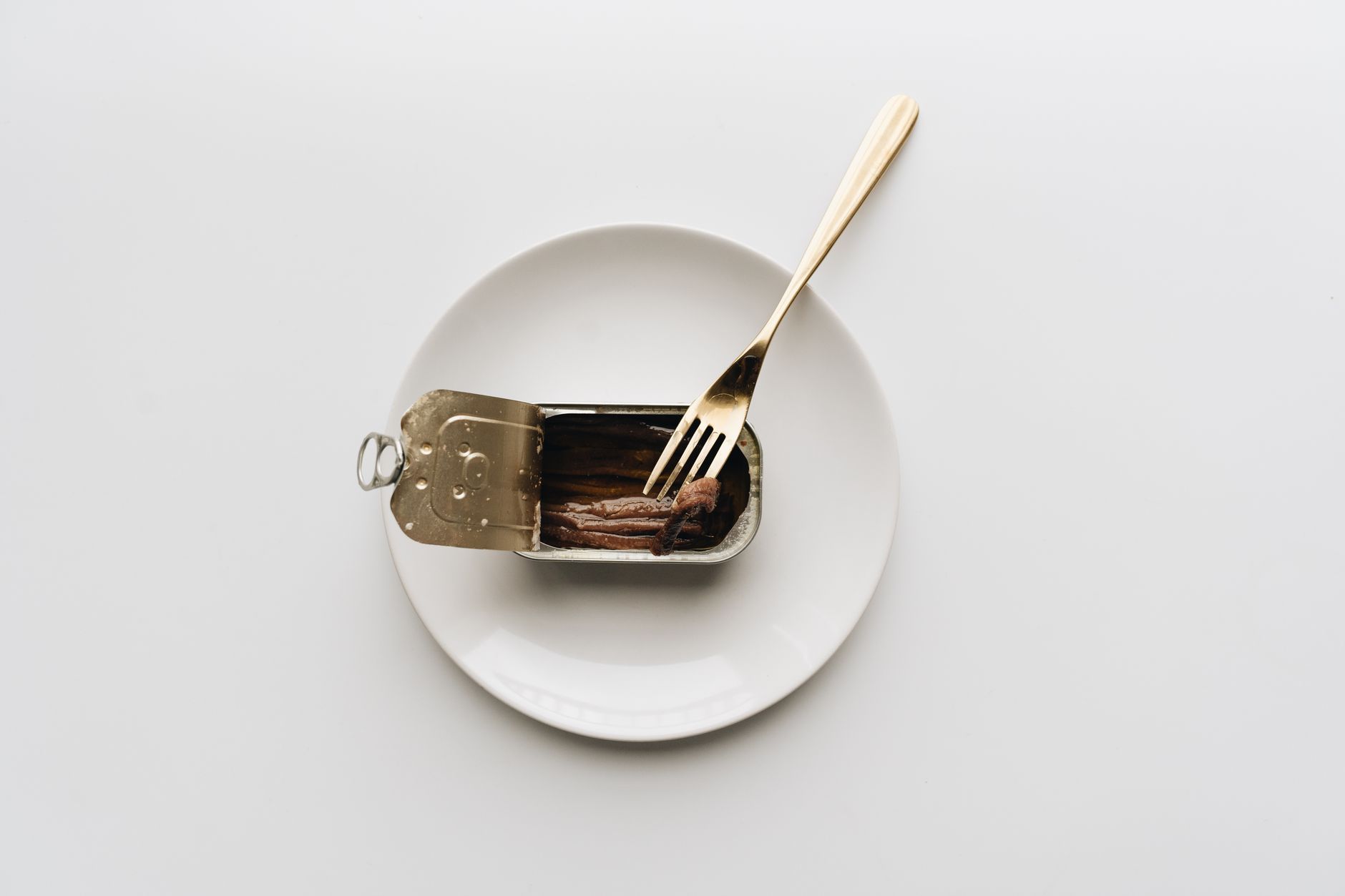
Fish: Omega-3s Plus Protein
Fatty fish like salmon provide both high-quality protein and heart-healthy omega-3 fatty acids, which research suggests may also support muscle health.
Protein content: 20-25 grams per 4-ounce serving
Soft preparations:
- Baked salmon: Flaky and easy to eat; serve with sauce for moisture
- Salmon patties: Soft and flavorful; made with breadcrumbs for tenderness
- Cod cakes: Combined with mashed potatoes for extra softness
- Tuna salad: Mix thoroughly with mayonnaise or Greek yogurt
- Fish stew: Cook until fish falls apart easily
- Poached fish: Gentle cooking maintains soft texture
Tip: Always remove skin and bones. Serve fish with sauce, gravy, or lemon butter to add moisture.
For heart-healthy fish recipes, see Mediterranean diet recipes for seniors.
Chicken and Turkey: Lean and Versatile
Poultry is lean protein that becomes very tender when cooked properly.
Protein content: 20-25 grams per 4-ounce serving
Soft preparations:
- Braised chicken thighs: Slow-cooked until fall-off-the-bone tender
- Chicken salad: Made with Greek yogurt instead of mayonnaise for extra protein
- Chicken soup: With soft noodles and finely chopped chicken
- Ground chicken meatloaf: Soft texture, easy to chew
- Chicken and rice casserole: Baked until very tender
- Slow-cooker chicken: 8+ hours of cooking creates very soft meat
Tip: Use a slow cooker or pressure cooker to make chicken exceptionally tender. Always add sauce or gravy for moisture.
Legumes: Plant-Based Protein
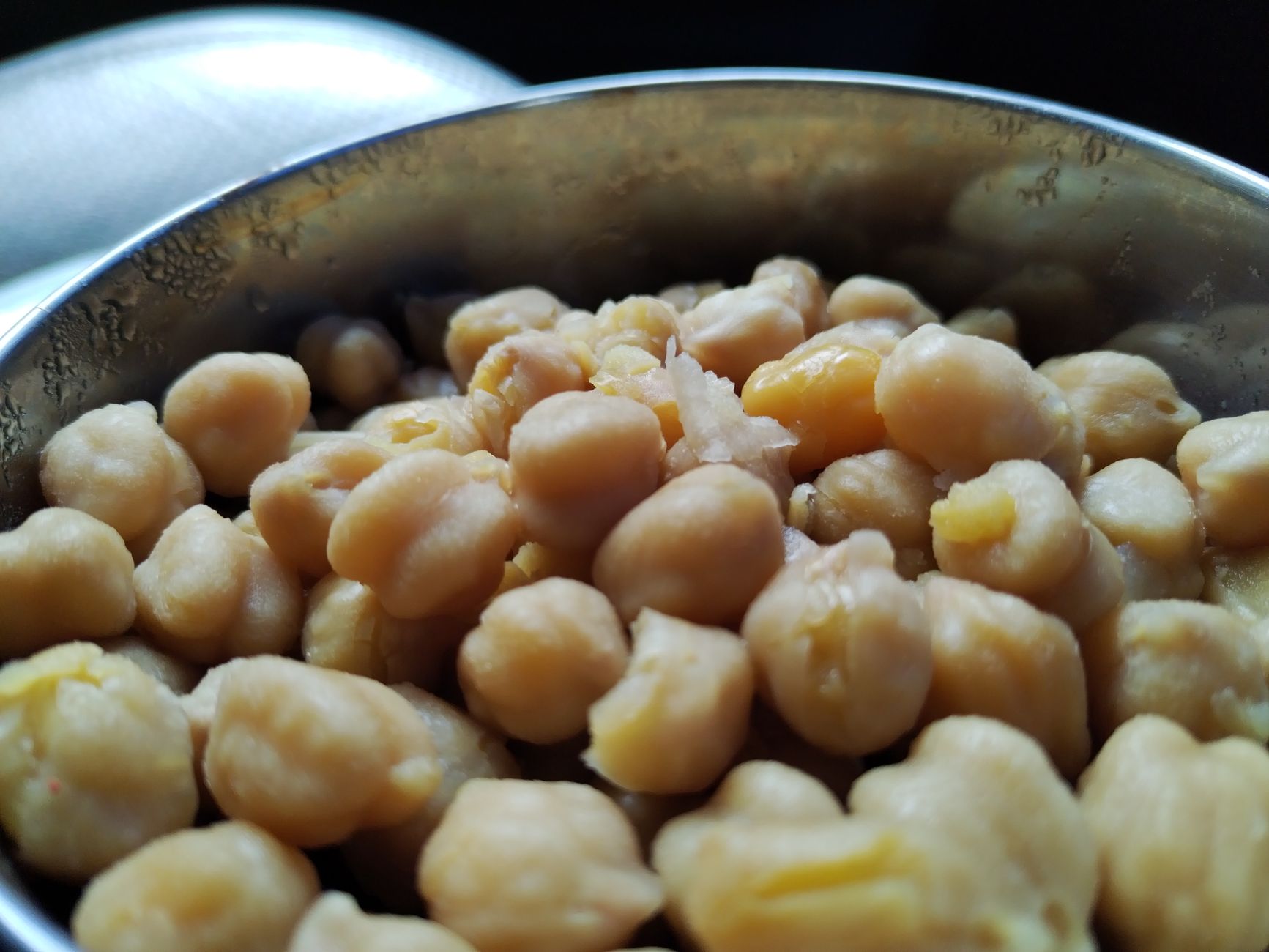
Beans, lentils, and chickpeas are excellent plant-based protein sources that can be prepared in many soft textures.
Protein content: 7-10 grams per half-cup (varies by type)
Soft preparations:
- Lentil soup: Pureed for completely smooth texture
- Mashed beans: Use as spread or side dish
- Hummus: Serve with soft pita or crackers
- Bean puree: Blend with olive oil and herbs
- Refried beans: Soft and flavorful
- Chickpea curry: Cook until very soft
Tip: Start with dried beans rather than canned—they're more economical and you can control sodium. Cook until very soft before mashing or pureeing.
Soft Cheeses: Protein and Calcium
Certain cheeses are naturally soft and easy to eat, providing both protein and calcium for bone health.
Protein content: 5-8 grams per ounce (varies by type)
Soft cheese options:
- Cream cheese: Spread on soft bread or use in recipes
- Mascarpone: Creamy Italian cheese, perfect for desserts
- Brie: Soft and spreadable
- Ricotta: Mild and creamy; great in pasta or as dip
- Goat cheese: Soft varieties are easy to eat
Tip: Soft cheeses are higher in fat, so use in moderation. Pair with fruit or vegetables for balanced nutrition.
Tofu: Versatile Plant Protein
Tofu, especially silken tofu, is exceptionally soft and absorbs flavors well.
Protein content: 15-20 grams per 4-ounce serving
Soft preparations:
- Silken tofu: Blend into smoothies or soups for protein boost
- Tofu scramble: Soft alternative to eggs
- Marinated tofu: Cooked until tender
- Tofu pudding: Sweetened with fruit for dessert
- Soft stir-fry: Tofu with vegetables in sauce
Tip: Choose soft or silken tofu varieties for easiest eating. Firm tofu can be used if cooked until very tender.
Protein-Packed Meal Ideas
Here are quick meal ideas that combine multiple protein sources:
Tips for Increasing Protein Intake
1. Add Protein to Every Meal
Don't wait until dinner—include protein at breakfast and lunch too. Greek yogurt at breakfast, tuna salad at lunch, and chicken at dinner spreads protein throughout the day.
2. Use Protein-Rich Toppings and Add-ins
- Add blended nuts to oatmeal (if tolerated)
- Mix cottage cheese into scrambled eggs
- Add Greek yogurt to soups for creaminess and protein
- Use protein powder in smoothies (whey or plant-based)
3. Try Protein Supplements (With Caution)
If you struggle to get enough protein from food alone, consider:
- Whey protein powder: Mix into smoothies, oatmeal, or yogurt (20-25g per scoop)
- Pea protein powder: Plant-based alternative (15-20g per scoop)
- Ready-to-drink protein shakes: Convenient but check sugar content
- Protein pudding: Soft texture with high protein content
Consult Your Healthcare Provider
Before adding protein supplements, talk to your doctor—especially if you have kidney disease, as excess protein can strain kidneys.
4. Focus on Quality Sources
Choose lean proteins like fish, poultry, eggs, and legumes over processed meats like hot dogs or bologna. Processed meats often contain high sodium and preservatives.
5. Be Creative with Combinations
Combine proteins for maximum benefit:
- Greek yogurt + cottage cheese = extra creamy, extra protein
- Eggs + cheese in omelet = 20-25g protein
- Fish + beans in stew = diverse amino acids
6. Add Moisture to Protein Foods
Dry protein foods are harder to chew. Always add:
- Sauce, gravy, or dressing to meats
- Yogurt or milk to eggs
- Olive oil or broth to beans
- Butter or cream to fish
For more soft food tips, see soft foods for seniors with dentures.
Common Mistakes to Avoid
Mistake 1: Not Eating Enough Protein
Many seniors unintentionally skimp on protein, thinking they need less food overall. While calories may decrease, protein needs actually increase. Track your intake for a few days to see if you're meeting your needs.
Mistake 2: Choosing Only One Protein Source
Variety ensures you get all essential amino acids and prevents boredom. Mix animal and plant proteins throughout the week.
Mistake 3: Making Protein Foods Too Dry
Dry chicken, fish without sauce, or plain eggs can be difficult to chew and swallow. Always add moisture—sauce, gravy, dressing, or cooking liquids.
Mistake 4: Ignoring Fat Intake
Healthy fats help with protein absorption and add moisture. Include olive oil, avocado, nuts (if tolerated), and moderate amounts of dairy fat.
Mistake 5: Eating All Protein at Dinner
Spreading protein across meals maximizes muscle synthesis. Aim for 20-25g at each meal rather than 50g at dinner.
FAQ: High Protein Soft Foods
Q: How much protein do I need daily? A: Aim for 1.0-1.2 grams per kilogram of body weight. For a 150-pound person, that's 68-82 grams daily. Spread this across meals rather than eating most at dinner.
Q: Are protein supplements safe for seniors? A: Most protein supplements are safe for healthy seniors, but check with your doctor first—especially if you have kidney issues. Choose supplements with minimal added sugar and fillers.
Q: Can I get enough protein from plant sources? A: Yes! Legumes, tofu, and even Greek yogurt (for vegetarians) can provide adequate protein. Combine different plant sources to ensure complete amino acid profile.
Q: What if I don't like Greek yogurt? A: Try cottage cheese, regular yogurt (less protein but still good), protein smoothies with milk, or silken tofu blended into shakes.
Q: How can I make meat softer? A: Slow cooking, braising, pressure cooking, and grinding are great methods. Always add sauce or gravy. Cook meat until it falls apart easily.
Q: Are there high protein snacks for seniors? A: Yes! Greek yogurt cups, cottage cheese, soft boiled eggs, hummus with soft crackers, protein shakes, and protein pudding are excellent options.
Q: What if I have trouble swallowing? A: Choose completely pureed proteins like protein shakes, pureed soups with meat, and blended cottage cheese. See easy-to-swallow meals for seniors for more guidance.
Q: Does protein help with bone health too? A: Yes! Research suggests protein supports bone health along with calcium and vitamin D. Combine protein-rich foods with calcium sources like yogurt and soft cheeses.
Related Articles
- Soft Food Recipes for Seniors
- 7-Day Soft Food Meal Plan for Seniors
- Protein Foods for Senior Citizens
- Best Foods for Elderly Digestion
- Healthy Diet for Seniors
- Easy Meals for One Person Elderly
- Soft Foods for Seniors with Dentures
- Vitamins and Supplements for Seniors