Diabetic Snacks for Seniors: Healthy and Delicious Options
It's 3 p.m., the vending machine is down the hall, and the cookie in it has your name on it. Eaten alone, it runs a familiar course: a quick rise, a sharper crash, and another round of hunger before dinner. A snack's real job in diabetes is to head that cycle off—to pair a carbohydrate with protein or fat so glucose rises gently and stays put. Done right, the between-meal bite keeps glucose steady, takes the edge off before dinner, and adds the nutrients the day is missing.
The formula is the same every time: protein, fiber, or fat rides along with the carb. According to the American Diabetes Association, this kind of strategic snacking can help manage blood glucose while still providing satisfaction and nutrition.
Key Principles for Diabetic Snacks
1. Include Protein
Protein is the missing half of most vending-machine snacks. A cracker by itself is just a carb; a cracker with cheese is a plan. Protein earns its place three ways:
- Keeps you full longer: Protein takes longer to digest than carbohydrates, helping you feel satisfied
- Slows digestion: This delays the absorption of carbohydrates into the bloodstream
- Stabilizes blood sugar: Prevents rapid glucose spikes after eating
Research from the National Institutes of Health suggests that including protein with every meal and snack can help improve glycemic control in older adults with type 2 diabetes.
2. Add Fiber
Fiber pulls in the same direction from inside the carbohydrate itself. Seniors need about 21-25 grams of fiber daily, depending on gender:
- Low-glycemic options: Choose whole foods over processed options
- Whole grains, fruits, vegetables: Natural sources that provide sustained energy
- Helps slow sugar absorption: Fiber creates a physical barrier that slows digestion
The Mayo Clinic recommends that people with diabetes focus on high-fiber foods to help regulate blood sugar levels naturally.
3. Healthy Fats
Fat is what makes a snack last until the next meal, and it also carries the fat-soluble vitamins—A, D, E, and K—out of the food and into the body:
- Avocado, nuts, seeds: Rich in monounsaturated and polyunsaturated fats
- Provides satiety: Helps prevent overeating later
- Supports overall health: Important for brain function and heart health
4. Portion Control
Seniors with diabetes need to be particularly mindful of portion sizes:
- Small, manageable portions: Typically 100-200 calories per snack
- Avoid overeating: Even healthy foods can cause blood sugar spikes in large quantities
- Balance with meals: Consider your total daily carbohydrate intake
Carbohydrate Counting Basics
For most seniors with diabetes, a snack should contain 15-30 grams of carbohydrates. The exact amount depends on your individual meal plan, activity level, and medications. Work with a registered dietitian or certified diabetes educator to determine your personalized carbohydrate goals.
Best Diabetic Snack Ideas
Vegetable-Based Snacks
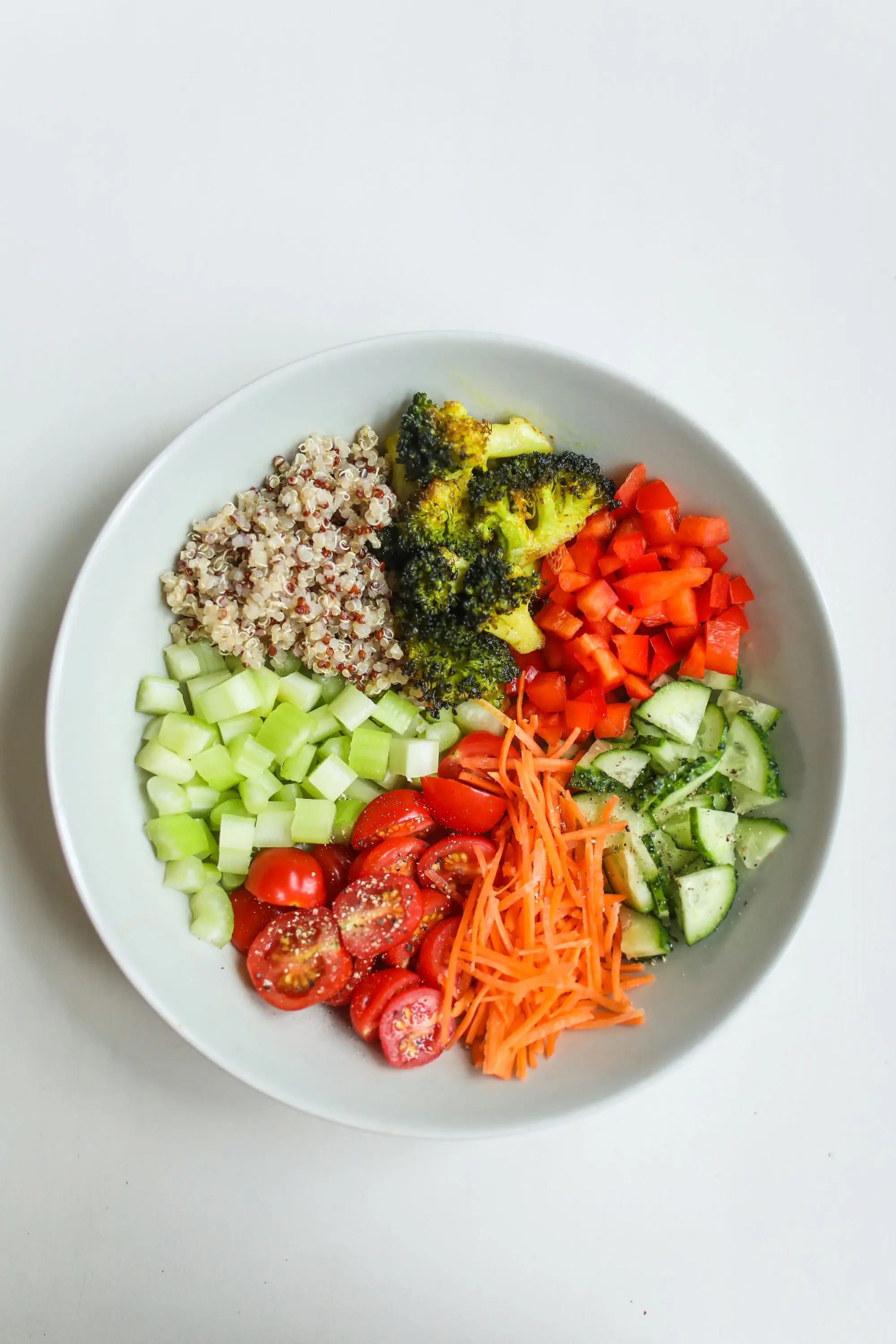
Vegetables do the pairing job almost by themselves: so few carbs that the dip can supply the fat and protein without tipping the count, along with the vitamins and minerals packed inside.
- Carrot sticks with hummus: High fiber and protein, about 15 grams of carbs
- Celery with peanut butter: Crunchy and satisfying, approximately 10 grams of carbs
- Cucumber slices with tzatziki: Refreshing and low calorie, around 8 grams of carbs
- Bell pepper strips with guacamole: Healthy fats and fiber, about 12 grams of carbs
These options align well with the principles discussed in Healthy Diet for Seniors, providing nutrients without excessive carbohydrates.
Fruit-Based Snacks
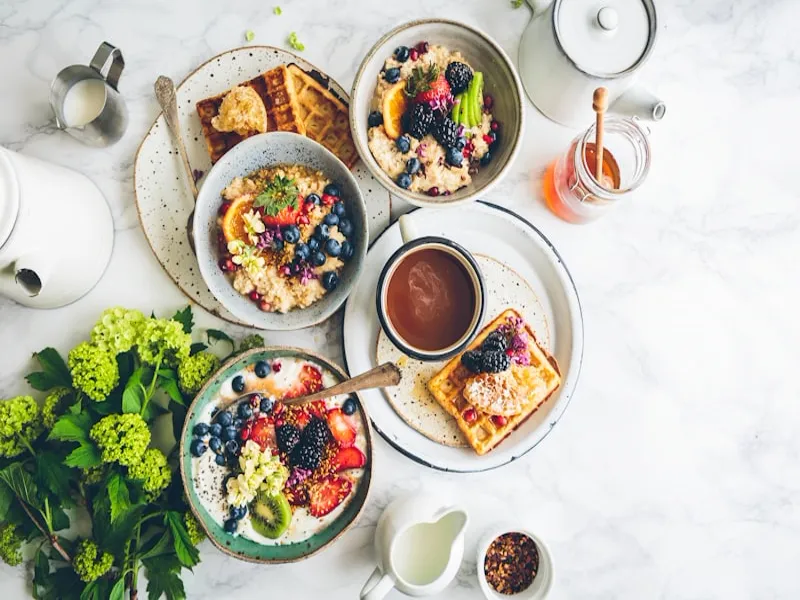
Fruit carries real sugars, but it also carries the fiber that juice is missing—and it belongs in the plan as long as protein or fat shares the plate:
- Apple slices with almond butter: Fiber and healthy fats, about 20 grams of carbs
- Berries with Greek yogurt: Antioxidants and protein, approximately 15 grams of carbs
- Orange segments: Natural sweetness and vitamin C, around 15 grams of carbs
- Pear with cottage cheese: Fiber and protein combination, about 22 grams of carbs
The key is to choose whole fruits rather than fruit juices, which lack fiber and can cause rapid blood sugar spikes. Learn more about balanced eating in Best Breakfast for Diabetics Over 60.
Protein-Rich Snacks
These are the direct answer to the 3 p.m. vending machine—satisfying, with barely a blip in blood sugar:
- Hard-boiled egg: Portable protein, less than 1 gram of carbs
- Greek yogurt with chia seeds: High protein and omega-3s, about 10 grams of carbs
- Cottage cheese with pineapple: Creamy and satisfying, approximately 15 grams of carbs
- Turkey roll-ups: Lean protein, minimal carbohydrates
Whole Grain Snacks
Grains work in a snack only when they bring fiber—and a companion to slow them down:
- Whole grain crackers with cheese: Fiber and calcium, about 15-20 grams of carbs
- Oatmeal cookie (low sugar): Whole grains and fiber, approximately 20 grams of carbs
- Rice cakes with almond butter: Light and crunchy, around 15 grams of carbs
- Popcorn (air-popped): Whole grain snack, about 6 grams of carbs per cup
Snacks to Avoid
These are the snacks that run the spike-then-crash cycle—carbohydrates with nothing along for the ride to slow them down:
- Sugary snacks: Candy, cookies, pastries - can raise blood sugar rapidly
- Processed snacks: Chips, pretzels, cheese puffs - often high in refined carbs and sodium
- Sweetened drinks: Soda, juice, sweetened tea - liquid sugars are absorbed quickly
- High-fat snacks: Fried foods, fatty meats - can affect insulin sensitivity
For seniors concerned about cardiovascular health, these foods also pose risks. Learn more in Foods to Avoid with High Blood Pressure.
Timing Your Snacks
When the snack happens matters nearly as much as what's in it:
Best Times for Snacking
- Between breakfast and lunch: If your morning meal was light or early
- Mid-afternoon: When energy naturally dips, usually 3-4 hours after lunch
- Before bed: If you take insulin or medications that may cause nighttime low blood sugar
When to Avoid Snacking
- Right before meals: Can lead to overeating
- When not hungry: Emotional eating can disrupt blood sugar control
- Late at night: Unless medically necessary to prevent nighttime hypoglycemia
Tips for Healthy Snacking
1. Plan Ahead
Hunger makes the 3 p.m. decision at the vending machine; prep makes it Sunday evening:
- Pre-portion snacks: Use small containers or bags
- Keep healthy options visible: Place them at eye level in the refrigerator
- Stock your pantry wisely: Remove temptations and keep alternatives on hand
2. Stay Hydrated
Sometimes thirst masquerades as hunger:
- Drink water with snacks: Helps with portion control
- Avoid sugary beverages: Choose water, unsweetened tea, or black coffee
- Monitor intake: Seniors need about 8 cups of fluids daily
3. Listen to Your Body
Eat mindfully and pay attention to hunger cues:
- Eat when hungry: Don't skip snacks if you need them
- Stop when satisfied: Not stuffed
- Check blood sugar: Monitor how different snacks affect your glucose levels
4. Read Labels Carefully
The label tells you whether a snack is actually paired or just dressed up to look that way:
- Check serving sizes: They may be smaller than you think
- Look for total carbohydrates: Not just sugar content
- Note added sugars: Many "healthy" snacks contain hidden sugars
Individual Needs Vary
Always consult your healthcare provider or dietitian for personalized snack recommendations based on your specific health needs, medications, and blood sugar patterns.
Special Considerations for Seniors
Dental Health
Many seniors face dental challenges that can make certain snacks difficult:
- Choose softer options: Yogurt, cottage cheese, steamed vegetables
- Cut foods into smaller pieces: Makes chewing easier
- Consider nutritional drinks: If chewing is severely impaired
Medication Interactions
Some snacks may interact with medications:
- Grapefruit: Can interact with many medications
- Leafy greens: May affect blood thinners like warfarin
- Timing matters: Some medications require food, others need empty stomach
Understanding these interactions is crucial, as discussed in Medication Management Tips.
Frequently Asked Questions
How many snacks should seniors with diabetes eat per day?
Most seniors with diabetes benefit from 1-3 snacks per day, depending on their meal plan, medications, and activity level. Your healthcare team can help determine the right number for your situation.
What is the ideal carb count for a diabetic snack?
Generally, a diabetic snack should contain 15-30 grams of carbohydrates. However, this varies based on individual meal plans, activity levels, and medications.
Can seniors with diabetes eat fruit as a snack?
Yes, whole fruits can be part of a diabetic diet when eaten in moderation and paired with protein or healthy fats. Berries, apples, and oranges are good choices.
What should I do if my blood sugar is high before a snack?
If your blood sugar is above your target range, consider skipping the snack or choosing a very low-carb option like vegetables with dip or a small handful of nuts.
Are sugar-free snacks safe for diabetics?
Sugar-free doesn't mean carbohydrate-free. Many sugar-free products still contain carbs and calories. Always check the nutrition label and count total carbohydrates.
How can I prevent nighttime low blood sugar?
If you're prone to nighttime hypoglycemia, a small bedtime snack containing both carbohydrates and protein may help. Consult your doctor for personalized advice.
What are the best snacks for seniors with both diabetes and high blood pressure?
Choose low-sodium, potassium-rich snacks like fresh vegetables, unsalted nuts, and low-fat dairy. Learn more in Potassium-Rich Foods for Seniors.
Should I snack before exercise?
Light to moderate exercise may not require a pre-workout snack, but intense or prolonged activity might. Check with your healthcare team about snacking strategies around exercise.
Related Articles
- Best Breakfast for Diabetics Over 60
- Healthy Diet for Seniors
- Foods to Avoid with High Blood Pressure
- Medication Management Tips
- Fiber-Rich Foods for Elderly
References
- American Diabetes Association. (2024). Healthy Snacking. Retrieved from https://www.diabetes.org/nutrition/healthy-food-choices-made-easy/snacking
- Academy of Nutrition and Dietetics. (2023). Diabetic Snack Ideas. Retrieved from https://www.eatright.org/health/diseases-and-conditions/diabetes
- National Institute on Aging. (2024). Healthy Eating for Older Adults. Retrieved from https://www.nia.nih.gov/health/healthy-eating-nutrition-and-diet
- Mayo Clinic. (2024). Diabetes Diet: Create Your Healthy-Eating Plan. Retrieved from https://www.mayoclinic.org/diseases-conditions/diabetes
- Centers for Disease Control and Prevention. (2024). Managing Diabetes. Retrieved from https://www.cdc.gov/diabetes/managing/index.html
Disclaimer: This article is for educational purposes only and should not be considered medical advice. Always consult your healthcare provider before making changes to your diet or diabetes management plan.