📌Key Takeaways
- Zone 2 cardio is moderate exercise where you can still have a conversation
- Walking is one of the easiest Zone 2 activities for seniors
- The goal is improving endurance, not exhausting yourself
- Most seniors can start with 10-20 minute sessions and gradually build up
- The talk test is often more practical than heart rate numbers
Zone 2 Cardio for Seniors: The Gentle Workout That Builds Heart Health
Many seniors want to stay active but worry about doing exercises that are too difficult.
Running may hurt the knees. High-intensity workouts can feel intimidating. Gym equipment may seem complicated.
Zone 2 cardio offers a different approach.
It focuses on steady, comfortable exercise that improves endurance without pushing your body to its limit.
For many older adults, this can simply mean:
- Walking at a purposeful pace
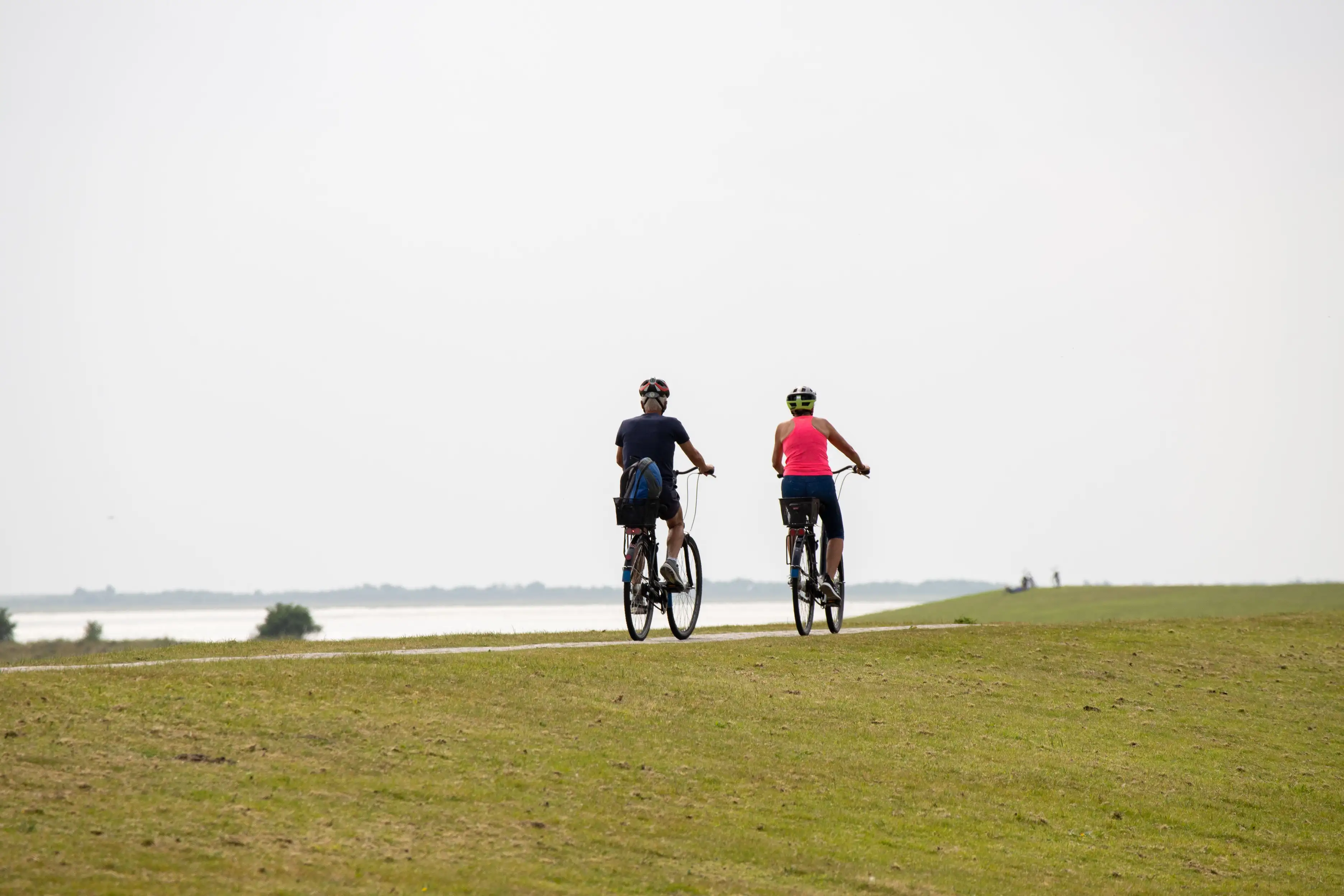
- Cycling comfortably
- Swimming slowly
- Doing water aerobics
The key idea:
You should feel like you are exercising, but you should still be able to talk.
That simple rule makes Zone 2 one of the most practical cardio methods for healthy aging.
Quick Answer: What Is Zone 2 Cardio?
Zone 2 cardio is a moderate exercise intensity where your heart and lungs work harder, but your body can maintain the effort for a long time.
A simple way to recognize it:
✅ Breathing is faster ✅ Heart rate increases ✅ You feel warm ✅ You can speak full sentences ❌ You cannot comfortably sing
For seniors, Zone 2 is often achieved through:
| Activity | Example |
|---|---|
| Walking | Brisk neighborhood walk |
| Cycling | Comfortable stationary bike |
| Swimming | Continuous easy laps |
| Water exercise | Moderate aqua aerobics |
| Elliptical | Comfortable pace |
Unlike intense workouts, Zone 2 training is designed to be sustainable.
The goal is not to finish exhausted.
The goal is to build a stronger cardiovascular system that helps daily activities feel easier.
Why Zone 2 Cardio Matters More After 60
As we age, several changes naturally occur:
- Lower aerobic capacity
- Reduced muscle endurance
- Less efficient energy production
- Increased risk of inactivity-related decline
This can affect everyday activities:
- Walking longer distances
- Carrying groceries
- Climbing stairs
- Playing with grandchildren
- Traveling independently
Regular aerobic exercise helps maintain the ability to do these activities.
For seniors, the biggest benefit of Zone 2 is not athletic performance.
It is maintaining independence.
A stronger heart and better endurance can make everyday movement feel easier.
Zone 2 vs Regular Walking: What's the Difference?
Many seniors already walk every day.
So what makes Zone 2 different?
The difference is intensity.
| Type | Feeling |
|---|---|
| Casual walking | Easy, no effort |
| Zone 2 walking | Purposeful, faster pace |
| Hard exercise | Difficult conversation |
Example:
A casual walk:
"I am walking around the neighborhood and enjoying the scenery."
A Zone 2 walk:
"I am walking with purpose, but I can still talk with someone beside me."
For many older adults, the easiest Zone 2 workout is simply:
Walk slightly faster than normal while passing the talk test.
The Main Benefits of Zone 2 Cardio for Seniors
1. Supports Heart Health
The heart is a muscle.
Like other muscles, it responds to regular training.
Zone 2 exercise helps your cardiovascular system become more efficient, which may help you:
- Walk longer without getting tired
- Recover faster after activity
- Perform daily tasks with less effort
2. Improves Daily Energy
Many seniors notice that regular cardio makes everyday activities easier.
Examples:
- Shopping trips feel less tiring
- Stairs become more manageable
- Longer walks become possible
The goal is not becoming an athlete.
The goal is having more energy for the life you enjoy.
3. Helps Maintain Healthy Metabolism
Regular aerobic activity supports:
- Blood sugar management
- Healthy body weight
- Better energy use
Zone 2 is especially practical because it can be performed regularly without requiring long recovery periods.
How to Find Your Zone 2 Heart Rate
There are two common ways to find your Zone 2 intensity:
- The talk test (recommended for most seniors)
- Heart rate estimation
Method 1: The Talk Test (Simplest Method)
For most older adults, the talk test is more practical than relying only on numbers.
You are likely in Zone 2 if:
✅ You can speak in full sentences
✅ Your breathing is noticeably faster
✅ You feel like you are exercising
✅ You could continue for 30-60 minutes
You are probably too easy if:
- You can sing comfortably
- You feel almost no effort
You are probably too hard if:
- You can only say a few words
- You feel out of breath
- You need frequent breaks
A simple rule:
"Talk, but don't sing."
This makes Zone 2 accessible even if you do not own a smartwatch.
Method 2: Estimate Your Zone 2 Heart Rate
A traditional estimate:
Maximum heart rate = 220 - your age
Zone 2 is often estimated around:
60-70% of maximum heart rate
Example:
A 70-year-old:
Maximum heart rate:
220 - 70 = 150 bpm
Zone 2 estimate:
150 × 60-70%
= approximately 90-105 beats per minute
Estimated Zone 2 Heart Rate by Age
| Age | Estimated Max HR | Zone 2 Range |
|---|---|---|
| 60 | 160 bpm | 96-112 bpm |
| 65 | 155 bpm | 93-108 bpm |
| 70 | 150 bpm | 90-105 bpm |
| 75 | 145 bpm | 87-101 bpm |
| 80 | 140 bpm | 84-98 bpm |
| 85 | 135 bpm | 81-94 bpm |
| 90 | 130 bpm | 78-91 bpm |
Important:
Heart rate numbers are only estimates.
Your actual exercise response can be affected by:
- Fitness level
- Medications (especially beta blockers)
- Heart conditions
- Temperature
- Sleep quality
- Stress levels
For many seniors:
The talk test is more useful than chasing a specific heart rate number.
Best Zone 2 Exercises for Seniors
The best Zone 2 exercise is the one you can do consistently.
You do not need expensive equipment.
1. Walking (Best Starting Point)
Walking is often the easiest way for seniors to begin Zone 2 training.
A Zone 2 walking session:
- Walk slightly faster than your normal pace
- Keep your posture upright
- Swing your arms naturally
- Maintain a conversational pace
Example:
Beginner:
10-15 minutes
3 days per week
Intermediate:
30 minutes
4-5 days per week
Advanced:
45-60 minutes
Most days of the week
Tips:
- Choose flat, safe walking routes
- Wear supportive shoes
- Avoid rushing
- Stop before exhaustion
2. Stationary Cycling
A stationary bike is an excellent option for seniors because it reduces impact on:
- Knees
- Hips
- Ankles
A good Zone 2 cycling session:
- Comfortable resistance
- Smooth pedaling
- Steady breathing
- Conversation possible
A recumbent bike can be helpful for seniors who prefer:
- Back support
- Easier mounting
- More stability
3. Swimming and Water Exercise
Water-based exercise is especially useful for seniors with joint concerns.
Benefits include:
- Reduced impact
- Natural resistance
- Supportive environment
Examples:
- Water walking
- Slow swimming laps
- Aqua aerobics
The goal remains the same:
Move continuously while maintaining a conversational pace.
4. Elliptical Training
Elliptical machines can provide low-impact cardio.
Helpful features:
- Smooth movement
- Less joint impact than running
- Adjustable resistance
If balance is a concern:
- Start slowly
- Use handles if needed
- Avoid increasing intensity too quickly
5. Dancing
Dancing can also become Zone 2 exercise.
Examples:
- Ballroom dancing
- Line dancing
- Active movement classes
The advantage:
It combines exercise with social connection.
For many seniors, enjoyment is what makes a habit last.
A Beginner Zone 2 Plan for Seniors
The biggest mistake is starting too aggressively.
The goal is consistency.
First 4 Weeks Plan
| Week | Session Length | Frequency |
|---|---|---|
| Week 1 | 10-15 minutes | 3 days/week |
| Week 2 | 15-20 minutes | 3-4 days/week |
| Week 3 | 20-30 minutes | 4 days/week |
| Week 4 | 30 minutes | 4-5 days/week |
You should finish feeling:
✅ Energized
✅ Comfortable
✅ Able to continue if needed
You should not finish feeling:
❌ Exhausted
❌ Dizzy
❌ Extremely sore
A Practical Weekly Zone 2 Exercise Schedule for Seniors
Many seniors can start with this balanced weekly routine that combines cardio, strength training, recovery, and mobility work.
| Day | Activity | Duration | Goal |
|---|---|---|---|
| Monday | 🚶 Zone 2 walking | 30 minutes | Build cardiovascular endurance |
| Tuesday | 💪 Strength training | 20-30 minutes | Maintain muscle strength and support independence |
| Wednesday | 🚴 Cycling or swimming | 30 minutes | Improve heart health with low-impact cardio |
| Thursday | 🧘 Rest or gentle stretching | 10-20 minutes | Support recovery and flexibility |
| Friday | 🚶 Zone 2 walking | 30-45 minutes | Increase aerobic capacity and stamina |
| Saturday | 🌿 Enjoyable activity (hiking, dancing, swimming, or longer walk) | 30-60 minutes | Make exercise enjoyable and sustainable |
| Sunday | 😌 Recovery day | — | Allow the body to recover |
This combination supports:
- ❤️ Heart health
- 💪 Muscle maintenance
- ⚖️ Balance and stability
- 🚶 Daily mobility and independence
How Long Before Seniors See Results?
Everyone responds differently, but many people notice changes gradually.
After 2-4 Weeks
Possible improvements:
- More daily energy
- Less tired during walking
- Better exercise confidence
After 8-12 Weeks
Possible improvements:
- Better endurance
- Easier stairs
- Improved exercise tolerance
After 3-6 Months
Long-term benefits may include:
- Better cardiovascular fitness
- Stronger exercise habits
- Improved independence
The most important factor:
Consistency beats intensity.
Common Zone 2 Mistakes Seniors Should Avoid
Mistake 1: Walking Too Fast
Many people accidentally turn Zone 2 into hard exercise.
Signs:
- Cannot talk comfortably
- Heavy breathing
- Need frequent stops
Solution:
Slow down.
Zone 2 should feel sustainable.
Mistake 2: Thinking More Is Always Better
Longer workouts are not automatically better.
A 30-minute session done consistently is more valuable than a 90-minute session that causes fatigue.
Mistake 3: Ignoring Strength Training
Cardio is important, but seniors also need muscle preservation.
A complete healthy aging routine should include:
- Cardio
- Strength training
- Balance exercises
- Flexibility work
Muscle strength supports:
- Walking ability
- Fall prevention
- Independence
Mistake 4: Using Heart Rate Numbers Alone
Smartwatches can help, but they are not perfect.
Factors that affect heart rate:
- Medication
- Stress
- Heat
- Hydration
Combine:
- Heart rate
- Talk test
- How you feel
Safety Guidelines Before Starting Zone 2
Zone 2 is gentle, but seniors should still exercise carefully.
Talk with your healthcare provider before starting if you have:
- Known heart disease
- Chest pain
- Uncontrolled blood pressure
- Recent surgery
- Severe dizziness
- Significant breathing problems
Stop exercising and seek medical advice if you experience:
- Chest discomfort
- Fainting
- Severe shortness of breath
- Unusual dizziness
- Sudden weakness
For most healthy seniors, starting slowly and progressing gradually is the safest approach.
What Equipment Do Seniors Need for Zone 2?
The good news:
You can start with almost nothing.
Essential:
Comfortable Walking Shoes
Look for:
- Good cushioning
- Stable support
- Proper fit
- Slip-resistant outsole
Comfortable Clothing
Choose:
- Breathable materials
- Weather-appropriate layers
- Comfortable movement
Optional:
Fitness Tracker
Helpful for:
- Tracking heart rate
- Measuring progress
- Building habits
Examples:
- Smartwatch
- Chest strap monitor
- Fitness band
However:
A fitness tracker is optional.
The talk test works well for many seniors.
Zone 2 vs HIIT: Which Is Better for Seniors?
Many seniors wonder:
"Should I do harder workouts to improve my health faster?"
The answer:
You do not need intense exercise to improve your fitness.
For most older adults, Zone 2 should be the foundation.
High-intensity interval training (HIIT) can provide additional benefits, but it is more demanding and requires careful progression.
| Feature | Zone 2 Cardio | HIIT |
|---|---|---|
| Intensity | Moderate | High |
| Conversation | Yes | Difficult |
| Recovery needed | Low | Higher |
| Joint stress | Usually lower | Higher |
| Beginner friendly | Excellent | Limited |
| Frequency | 3-5 days/week | 1-2 days/week |
For seniors starting exercise:
Build your Zone 2 foundation first.
After several weeks of consistent training, some people may add short intervals if appropriate.
Should Seniors Add Intervals?
A balanced approach for healthy aging may include:
80-90% Easy Training
Examples:
- Walking
- Cycling
- Swimming
10-20% Higher Effort
Examples:
- Short faster walking periods
- Slight uphill walking
- Brief cycling increases
The goal is not exhausting workouts.
The goal is improving your ability to handle daily activities.
A Senior-Friendly Interval Example
Only consider this after building a regular Zone 2 habit.
Example:
Walking Intervals
- Warm up:
5 minutes comfortable walking
- Faster section:
20-30 seconds slightly faster pace
- Recovery:
2-3 minutes easy walking
- Repeat:
4-6 times
- Cool down:
5 minutes easy walking
The faster section should feel:
"Challenging but controlled."
It should NOT feel like sprinting.
Zone 2 Exercise Recommendations by Age
Every person ages differently, but these examples can help.
For Seniors in Their 60s
Focus:
- Building endurance
- Maintaining strength
- Improving cardiovascular fitness
Example:
- Zone 2 walking: 30-45 minutes, 4-5 days/week
- Strength training: 2 days/week
For Seniors in Their 70s
Focus:
- Maintaining independence
- Protecting joints
- Improving balance
Example:
- Walking: 20-40 minutes, 4 days/week
- Cycling or swimming: 1-2 days/week
- Balance exercises: several times weekly
For Seniors in Their 80s+
Focus:
- Staying mobile
- Maintaining confidence
- Preventing inactivity
Example:
- Multiple shorter sessions
- 10-20 minute walks
- Seated cycling
- Water exercise
Remember:
A shorter workout done consistently is better than a difficult workout that causes fear or injury.
How to Make Zone 2 a Long-Term Habit
The biggest challenge is not knowing what to do.
It is staying consistent.
These strategies help:
1. Choose Activities You Enjoy
The best exercise is one you will repeat.
Good choices:
- Walking with a friend
- Gardening
- Dancing
- Swimming
- Group exercise classes
2. Attach Exercise to Existing Habits
Examples:
After morning coffee:
→ 20-minute walk
After lunch:
→ Short neighborhood walk
After evening news:
→ Stretching routine
Small habits become easier to maintain.
3. Track Progress Beyond Weight
Many seniors focus only on the scale.
Better progress markers:
- Walking farther
- Less fatigue
- Better balance
- Easier stairs
- More confidence
Fitness is about maintaining your life—not just changing numbers.
Frequently Asked Questions About Zone 2 Cardio for Seniors
Is Zone 2 cardio safe for seniors?
For many healthy seniors, moderate-intensity exercise such as Zone 2 cardio is a safe and effective way to improve fitness.
However, people with heart conditions, uncontrolled blood pressure, recent surgery, or significant health concerns should discuss exercise plans with a healthcare professional first.
Can walking be Zone 2 cardio?
Yes.
Walking is one of the most accessible Zone 2 activities for seniors.
The key is intensity.
A Zone 2 walk should feel:
- Faster than a casual stroll
- Comfortable enough for conversation
- Sustainable for 20-60 minutes
How many days a week should seniors do Zone 2?
Many seniors can aim for:
- 3-5 sessions per week
- 30-60 minutes per session
Beginners should start with shorter sessions and increase gradually.
What is the best Zone 2 exercise for seniors with arthritis?
Low-impact options may be easier on joints:
- Swimming
- Water aerobics
- Stationary cycling
- Walking on comfortable surfaces
The best choice depends on your joints, balance, and comfort level.
Do seniors need a smartwatch for Zone 2 training?
No.
A smartwatch can estimate heart rate, but it is not required.
The talk test works well:
"If you can talk but not sing, you are likely near Zone 2."
Can Zone 2 help seniors lose weight?
Zone 2 exercise can support healthy weight management by increasing daily energy use and improving fitness.
However, weight changes also depend on:
- Nutrition
- Sleep
- Muscle mass
- Overall activity level
What should seniors eat before Zone 2 exercise?
For shorter sessions, many people do not need special preparation.
For longer workouts:
Consider:
- Drinking water
- Eating a balanced meal
- Having a small snack if needed
People with diabetes or medication-related concerns should follow their healthcare provider's guidance.
Final Thoughts: Why Zone 2 May Be One of the Best Exercises After 60
The best exercise program is not the hardest one.
It is the one you can continue.
Zone 2 cardio works well for many seniors because it combines:
✓ Heart health benefits
✓ Low joint stress
✓ Simple activities
✓ Easy progression
✓ Long-term sustainability
For most older adults, the journey can begin with something simple:
A comfortable pair of walking shoes.
A safe route.
A 10-minute walk.
Then gradually build from there.
Healthy aging is not about pushing your body to the limit.
It is about keeping your body capable of doing the things you love.
Related Articles
Senior Exercise Guides
-
Ultimate Senior Exercise Guide A complete exercise framework covering cardio, strength, balance, and flexibility.
-
Low Impact Exercises for Seniors Joint-friendly workouts for older adults.
-
Strength Training for Seniors Why muscle preservation becomes increasingly important after 60.
-
Balance Exercises for Seniors Exercises that support stability and confidence.
Walking & Mobility
-
Best Walking Shoes for Seniors How to choose supportive footwear for daily walking.
-
Best Walking Shoes After Knee Replacement Footwear guidance after joint surgery.
-
Best House Shoes for Seniors Safe indoor footwear for fall prevention.
References
-
American Heart Association. Physical Activity Recommendations for Adults. https://www.heart.org/
-
National Institute on Aging. Exercise and Physical Activity. https://www.nia.nih.gov/
-
American College of Sports Medicine. Exercise Guidelines for Older Adults.
-
Mayo Clinic. Aerobic Exercise: Top Benefits.
-
San Millán I, Brooks GA. Assessment of metabolic flexibility during exercise. Sports Medicine.
Disclaimer: This article provides general educational information and is not medical advice. Consult your healthcare provider before starting a new exercise program, especially if you have heart disease, diabetes, balance problems, or other medical conditions.