Upper Arm vs Wrist BP Monitor: Which Is Better?
If your readings at home never quite match the numbers the clinic gets, the cuff's location may be the reason — not your nerves. The first real choice in home monitoring is upper arm versus wrist, and that decision changes both the number on the screen and how much work it takes to get a trustworthy one.
Upper-arm cuffs win on accuracy and are what the American Heart Association recommends for most people, especially seniors. Wrist cuffs win on convenience — they slip on alone, fit in a pocket, and need no sleeve rolled up — but they punish sloppy positioning and cuff-size mistakes. This comparison weighs those trade-offs across accuracy, fit, ease of use, portability, and cost.
The Key Difference: Position and Physiology
Blood pressure measurement depends on measuring pressure in arteries closest to the heart. Upper arm monitors measure brachial artery pressure, which closely reflects central blood pressure. Wrist monitors measure radial artery pressure, which differs from central pressure due to arterial anatomy.
Why position matters: blood pressure is not the same everywhere in the arterial tree. Readings taken closer to the heart track central pressure more faithfully, while the wrist's smaller arteries sit farther downstream — and every inch the cuff rests above or below heart level shifts the number. That positioning burden is the wrist cuff's core weakness.
According to Mayo Clinic guidance, upper arm monitors remain the gold standard for home measurement, particularly for seniors and those managing hypertension.
Comparison: Upper Arm vs Wrist Monitors
Accuracy: The Critical Factor
Upper Arm Monitors:
- Generally more accurate and consistent
- Easier to position correctly at heart level naturally
- Recommended by AHA, ESH, and major health organizations
- Better for detecting hypertension patterns
- Validated models provide readings within 5 mmHg of clinical equipment
Wrist Monitors:
- Less accurate, especially for seniors
- Positioning critical—must be exactly at heart level
- May give false readings if not positioned correctly
- Not recommended by major organizations for primary monitoring
- More susceptible to movement and positioning errors
Winner: Upper arm monitors
That consistency gap matters because home readings often drive medication changes. Research published in the Journal of Clinical Hypertension found that wrist monitors showed greater variability and less accuracy compared to upper arm monitors, particularly for older adults.
Ease of Use
Upper Arm Monitors:
- May require assistance putting on cuff for some seniors
- Larger, bulkier design takes more storage space
- Automatic inflation makes operation simple
- Clear positioning guidelines easier to follow
Wrist Monitors:
- Easy to put on independently without assistance
- Compact, lightweight design convenient for storage
- Quick to apply and use
- No need to remove clothing for measurement
Winner: Wrist monitors for self-application; upper arm for overall operation
For seniors with limited mobility who can't easily wrap a cuff around their upper arm, wrist monitors offer self-application advantage. However, positioning requirements make wrist monitors operationally challenging.
Comfort During Measurement
Upper Arm Monitors:
- Larger cuff may feel restrictive during inflation
- Pressure on upper arm during measurement
- More stable fit once positioned
- Some seniors find upper arm cuff uncomfortable
Wrist Monitors:
- Smaller cuff feels less restrictive
- Less pressure sensation during measurement
- May move or shift during measurement
- Generally more comfortable sensation
Winner: Wrist monitors
Wrist monitors typically feel gentler during inflation. The trade is that a more comfortable reading is worth little if the wrist drifts out of position mid-measurement.
Portability
Upper Arm Monitors:
- Bulkier, harder to transport
- Better suited for home use
- May include carrying cases but still large
- Not ideal for travel or mobile monitoring
Wrist Monitors:
- Compact, easy to carry
- Excellent for travel and mobile use
- Small enough for purse or pocket
- Can measure anywhere with proper positioning
Winner: Wrist monitors
A cuff that fits in a jacket pocket is the one that actually comes along on a two-week trip to visit the grandchildren — the strongest case for owning a wrist model as a second device.
Cost Comparison
Upper Arm Monitors:
- Generally more expensive ($50-$150 typical)
- More features available on premium models
- Higher quality validated monitors cost more
Wrist Monitors:
- Less expensive ($30-$80 typical)
- Basic models very affordable
- Advanced features cost extra
Winner: Wrist monitors for price
The $30 to $50 saved up front buys a less reliable number — a poor bargain when the reading feeds medication decisions.
Best Use Cases
Upper Arm Monitors:
- Daily home monitoring of blood pressure
- Seniors with hypertension requiring accurate tracking
- People needing reliable readings for medication decisions
- Home use with stable environment
- Primary monitoring device
Wrist Monitors:
- Travel and away-from-home monitoring
- Quick checks when upper arm monitor unavailable
- Backup monitoring device
- Situations where upper arm measurement impossible (arm injury)
- Occasional supplementary monitoring
Winner: Upper arm monitors for primary use
Put simply: the cuff that stays on the nightstand and takes two minutes to use every morning should be an upper-arm model.

Omron Platinum Wireless BP5450 Upper Arm Blood Pressure Monitor
The Omron Platinum BP5450 is a top-rated upper arm monitor with wireless syncing, multi-user support, and high accuracy. Typically priced around $90-100 on Amazon.
For specific product recommendations, see our detailed guide to Best Blood Pressure Monitors for Seniors.
Pros and Cons Summary
Quick overview of each type:
- •Upper Arm: More accurate, recommended by doctors, better for daily use
- •Upper Arm: Bulkier, may need help putting on, less portable
- •Wrist: More portable, easier to use alone, better for travel
- •Wrist: Less accurate, positioning critical, not recommended for primary monitoring
Why Upper Arm Monitors Are Recommended for Seniors
The American Heart Association and major hypertension organizations consistently recommend upper arm monitors for seniors. Here's why:
Physiological Reasons
Arterial Anatomy Seniors often have changes in arterial structure—stiffer arteries, calcification, and vascular changes. Upper arm arteries more closely reflect central cardiovascular status, while wrist arteries may show different patterns.
Blood Pressure Variability Seniors typically have more blood pressure variability than younger adults, so a doctor spotting a pattern needs readings taken the same way every time. Upper arm measurements hold up better to that kind of apples-to-apples comparison.
Positioning Challenges Seniors may have difficulty precisely positioning wrist monitors at heart level. Arthritis, limited mobility, or cognitive changes can make the specific positioning requirement difficult. Upper arm positioning is more intuitive—arm at heart level on a surface.
Practical Reasons
Consistent Measurement A log is only useful if every entry was taken under the same conditions. Upper arm readings vary less from session to session, so a month of entries actually shows a trend instead of measurement noise.
Medical Decisions Doctors adjust medication based on these logs. Upper arm readings track more closely with the equipment in the exam room, which makes it easier to reconcile your notebook with the in-office number.
Validation Standards More upper arm monitors are validated by ESH, AHA, and BHS standards. Wrist monitor validation is less common, making it harder to find verified accurate wrist devices.
Omron 10 Series Wireless Upper Arm Blood Pressure Monitor
The Omron 10 Series BP786N offers wireless connectivity, 200-reading memory, and trusted Omron accuracy for senior home monitoring. Priced around $75-85 on Amazon.
When Wrist Monitors Are Appropriate
While upper arm monitors are preferred for primary monitoring, wrist monitors serve legitimate purposes:
Legitimate Use Cases for Wrist Monitors
Travel and Away-from-Home When traveling, visiting family, or away from home for extended periods, wrist monitors allow monitoring without transporting bulky upper arm equipment.
Backup Monitoring A wrist monitor can serve as backup if your primary upper arm monitor malfunctions, loses battery, or becomes unavailable temporarily.
Arm Limitations Seniors with arm injuries, medical devices on upper arms, or conditions preventing upper arm cuff use may need wrist alternatives.
Supplementary Tracking Some people use wrist monitors for occasional supplementary readings alongside primary upper arm monitoring—not replacing but supplementing.
Using Wrist Monitors Effectively
If you use a wrist monitor, maximize accuracy with proper technique:
1. Position at Heart Level This is the critical requirement. Hold your wrist at exactly heart level during measurement—not above or below.
How to achieve heart level:
- Sit with arm supported on table
- Bend elbow so wrist aligns with heart
- Don't hold arm up unsupported
- Use a surface or armrest for positioning
2. Remain Still During Measurement Movement affects wrist readings more than upper arm readings. Stay completely still throughout the measurement.
3. Use the Same Position Every Time Consistency helps with comparability. Use the same positioning technique for each reading.
4. Compare Periodically Periodically compare wrist readings with upper arm monitor or clinical measurements. If differences are significant, upper arm readings are more reliable.
5. Choose Validated Models Some wrist monitors are validated. Look for models with ESH or other validation certifications for better accuracy.
For comprehensive monitoring guidance, see our Blood Pressure Monitor Buying Guide.
How to Get Accurate Readings with Either Type
The device is only half of a good reading — body position and timing do the rest. The rules below apply to both cuff types:
Preparation
- Avoid caffeine, nicotine, and exercise for 30 minutes before
- Empty your bladder before measuring
- Sit quietly for 5 minutes before taking reading
- Avoid measuring during stress or emotional upset
Positioning
For Upper Arm:
- Sit with back supported against the chair
- Plant both feet flat on the floor — one foot dangling or legs crossed can push the reading upward
- Support arm on table or armrest at heart level
- Place cuff on bare skin, not over clothing
- Position cuff 1 inch above elbow
For Wrist:
- Same seated position
- Support wrist at exact heart level
- Use table or surface to maintain position
- Don't hold arm up unsupported
Taking the Measurement
- Stay still and quiet during measurement
- Don't talk or move
- Take 2-3 readings, waiting 1-2 minutes between
- Average multiple readings for better accuracy
Tracking and Sharing
- Record readings with date and time
- Note relevant factors: medication changes, stress, sleep
- Bring records to medical appointments
- Share comprehensive data with your doctor
Common Mistakes to Avoid
Mistake 1: Using Wrist Monitor as Primary Device For daily hypertension management, wrist monitors provide less reliable data. Use upper arm monitors for primary tracking.
Mistake 2: Incorrect Wrist Positioning Hydrostatic pressure works against you here: a wrist held below heart level tends to read high, and above it, low. Rest the forearm on a table and lift only until the cuff sits level with the heart.
Mistake 3: Not Validating Monitor Accuracy Choose monitors validated by ESH, AHA, or BHS. Unvalidated monitors may be inaccurate regardless of type.
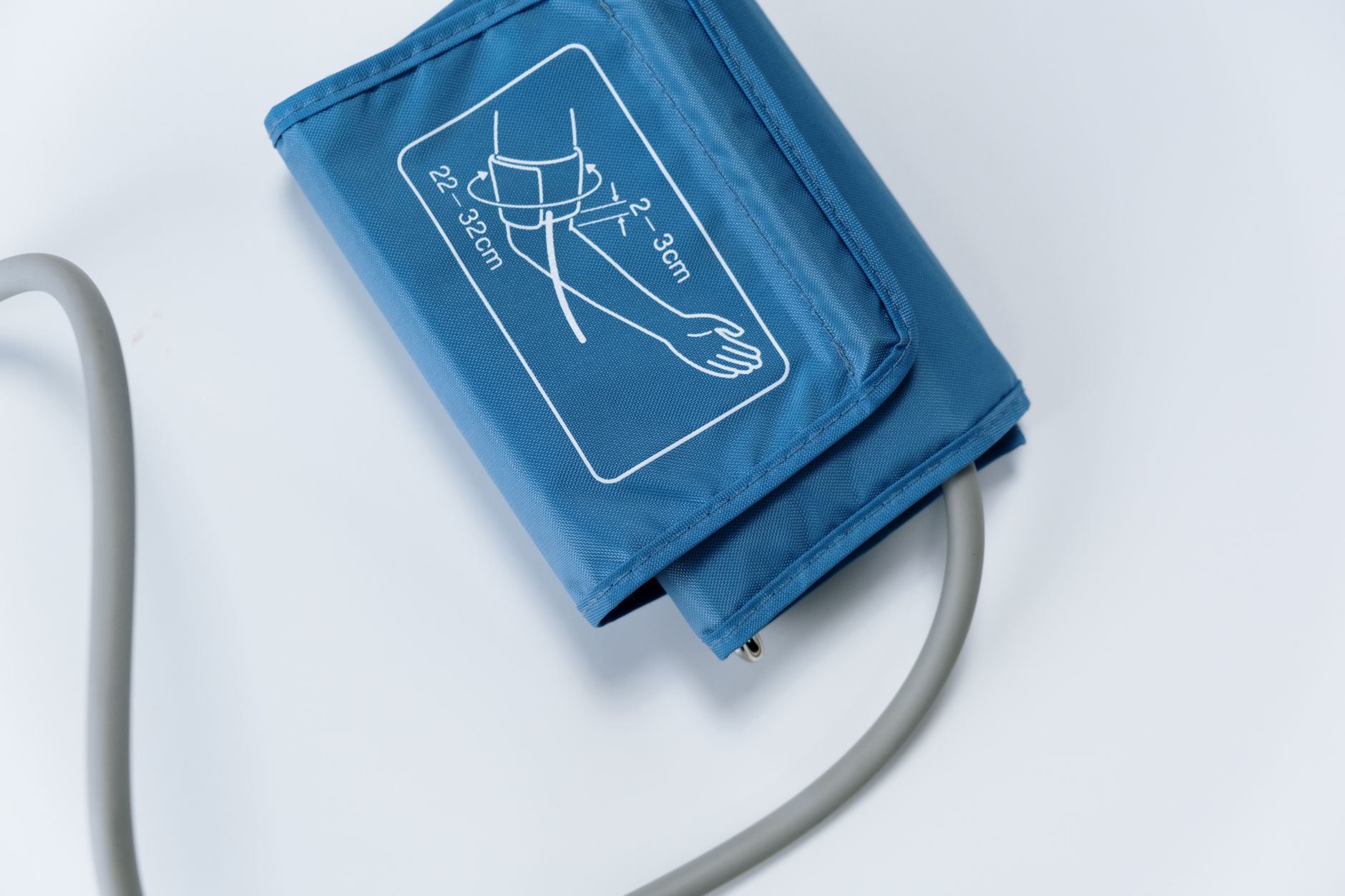
Mistake 4: Ignoring Cuff Size A cuff that does not match the limb is the most common source of avoidable error, on either device — a bladder that is too small overestimates, one that is too loose underestimates. Measure upper-arm (or wrist) circumference with a tape measure first, then match it to the range printed on the cuff box.
Mistake 5: Not Resting Before Measurement Activity immediately before measuring affects readings in both types. Rest 5 minutes for accurate results.
Mistake 6: Single Readings Take multiple readings and average them for reliable data, regardless of monitor type.
FAQ: Upper Arm vs Wrist Monitors
Q: Are wrist monitors ever accurate? A: Wrist monitors can be accurate if used correctly with precise positioning at heart level, if validated by testing organizations, and if you remain completely still during measurement. However, they're generally less reliable than upper arm monitors, especially for seniors. Validation studies show greater variability in wrist monitor readings.
Q: Why are upper arm monitors recommended for seniors? A: Seniors often have conditions (arthritis, limited mobility, cognitive changes) that make precise wrist positioning difficult. Upper arm positioning is more intuitive. Additionally, senior arterial changes make upper arm measurements more representative of central blood pressure. Major health organizations specifically recommend upper arm monitors for older adults.
Q: Can I use both types? A: Yes, many people use upper arm monitors for primary daily home monitoring and wrist monitors for travel or away-from-home situations. This combination provides reliable primary data with convenience for mobile situations. Don't replace upper arm monitoring with wrist monitoring for ongoing health management.
Q: Do wrist monitors work for people with large wrists? A: Most wrist monitors fit wrists up to 8 inches circumference. If your wrist exceeds this, check product specifications for larger cuff options. Some models offer extended wrist sizes. Wrist circumference matters for proper fit, just as upper arm circumference matters for upper arm cuffs.
Q: Which type is covered by insurance? A: Both types may be covered by insurance for diagnosed hypertension. Medicare may cover monitors as durable medical equipment. Coverage depends on your plan and medical documentation. Check with your insurance provider about approved models and coverage requirements.
Q: Can wrist monitors detect irregular heartbeats? A: Some wrist monitors include irregular heartbeat detection features, but this capability is generally more reliable on upper arm monitors. The larger cuff and stable positioning of upper arm monitors provide better conditions for detecting arrhythmias.
Q: Why do my wrist readings differ from my upper arm readings? A: Wrist and upper arm readings may differ for several reasons: incorrect wrist positioning (not at heart level), arterial pressure differences between locations, wrist monitor accuracy limitations, or movement during wrist measurement. Generally, upper arm readings are more accurate—discuss differences with your doctor.
Q: Should I buy the cheapest monitor available? A: Cost shouldn't be the primary factor. Prioritize validated accuracy first, then consider features and convenience. A cheap but inaccurate monitor provides misleading health data. Both upper arm and wrist monitors offer affordable validated options—choose accuracy over lowest price.
Related Articles
- Best Blood Pressure Monitors for Seniors
- Blood Pressure Monitor Buying Guide
- Best Medical Alert Systems for Seniors Living Alone
- Best Foods for Elderly Digestion
- Healthy Diet for Seniors
- Vitamins and Supplements for Seniors
References
- American Heart Association: Blood Pressure Monitoring Recommendations
- National Institute on Aging: Heart Health and Blood Pressure
- Mayo Clinic: Home Blood Pressure Monitoring
- Journal of Clinical Hypertension: Wrist vs Upper Arm Monitor Accuracy
- European Society of Hypertension: Device Validation Guidelines
- American College of Cardiology: Blood Pressure Management