📌Key Takeaways
- Positive thinking improves mental and physical health
- Optimism can be learned and practiced
- Gratitude is a powerful tool for positivity
- Surrounding yourself with positivity matters
The Power of Positive Thinking
Positive thinking isn't about ignoring challenges or pretending everything is perfect. It's about approaching life's difficulties with a constructive outlook and believing in your ability to handle what comes your way.
For seniors, maintaining a positive mindset can make a significant difference in quality of life. Research from the National Institute on Aging shows that older adults with positive attitudes tend to live longer, recover from illness more quickly, and experience better overall health outcomes.
Benefits of Positive Thinking
Studies show that positive thinking can lead to longer lifespans, better immune function, and improved overall well-being. Research published in the Proceedings of the National Academy of Sciences found that people with positive outlooks were significantly more likely to live to age 85 or beyond.
Understanding Positive Thinking vs. Optimism
Positive thinking and optimism are related but not identical concepts. Positive thinking refers to the practice of focusing on the good in situations and expecting favorable results. Optimism is a broader attitude—a general expectation that good things will happen.
Both can be cultivated through practice. The key difference is that positive thinking is a skill you can apply to specific situations, while optimism is a more general worldview that develops over time.
Many seniors find that positive thinking becomes easier with age. Psychologists call this phenomenon "the positivity effect"—a tendency for older adults to focus more on positive information and less on negative information. This natural shift can be harnessed to improve emotional well-being.
The Science Behind Positive Thinking
Research has documented several mechanisms through which positive thinking affects health:
Stress Response: Positive thinkers tend to have lower levels of stress hormones like cortisol. This can reduce the physical effects of stress and protect against stress-related health problems.
Immune Function: Studies show that people with positive outlooks tend to have stronger immune responses. This may help explain why positive thinkers recover more quickly from illness.
Heart Health: Research from Harvard Medical School suggests that positive thinking is associated with a reduced risk of cardiovascular disease. Positive thinkers often have lower blood pressure and healthier cholesterol levels.
Pain Perception: Positive thinking can actually affect how we perceive pain. People with positive outlooks often report lower pain levels and cope better with chronic conditions like arthritis.
Strategies for Cultivating Positive Thinking
Daily Practices
These simple daily practices can help you cultivate a more positive mindset.
- •Practice gratitude: write down 3 things you're grateful for each day
- •Affirmations: repeat positive statements to yourself
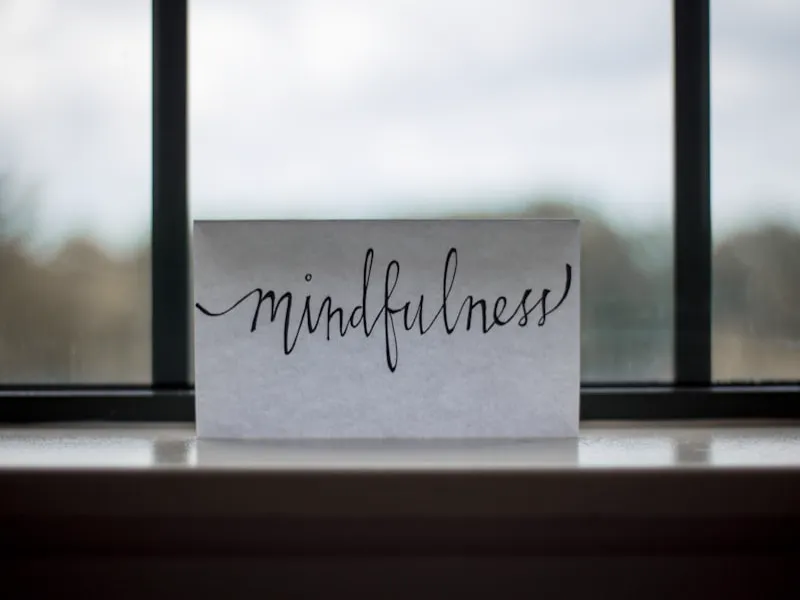
- •Mindfulness: stay present and focus on the good
- •Laugh often: find humor in everyday moments
- •Surround yourself with positive people
Gratitude Practice
Gratitude is one of the most powerful tools for cultivating positive thinking. Research shows that people who regularly practice gratitude experience more positive emotions, feel more alive, sleep better, and even have stronger immune systems.
Start a Gratitude Journal: Each day, write down three things you're grateful for. They can be simple—a good cup of coffee, a phone call from a friend, or a beautiful sunset. The act of writing helps cement these positive moments in your mind.
Express Gratitude to Others: Don't just feel grateful—express it. Thank the people who make your life better. This not only boosts your own positivity but also strengthens your relationships.
Look for Silver Linings: When challenges arise, try to find something positive in the situation. This doesn't mean ignoring difficulties, but rather acknowledging any good that might coexist with them.
Mindfulness and Meditation
Mindfulness exercises help you stay present and focused, reducing negative rumination about the past or worry about the future. This practice naturally supports positive thinking.
Even brief mindfulness sessions—5-10 minutes daily—can make a difference. Focus on your breathing, observe your thoughts without judgment, and gently redirect your attention when negative thoughts arise.
Meditation for beginners doesn't have to be complicated. Many seniors find that simple breathing meditations or guided meditations are easy to start with and provide noticeable benefits.
Reframing Negative Thoughts
Cognitive reframing is a technique for changing how you think about situations. When a negative thought arises, pause and ask yourself:
- Is this thought accurate, or is it an exaggeration?
- Is there another way to look at this situation?
- What would I tell a friend who had this thought?
- Is this thought helpful, or is it just making me feel worse?
This practice takes time to develop, but it becomes easier with practice. Many seniors find that working with a therapist or counselor can help them learn this skill more effectively.
Overcoming Negative Thoughts
| Strategy | How It Works |
|---|---|
| Cognitive reframing | Change negative thoughts to positive ones |
| Mindfulness | Notice negative thoughts without judgment |
| Journaling | Write down and process negative feelings |
| Talking to others | Share your feelings with trusted friends |
| Self-compassion | Be kind to yourself when you make mistakes |
Recognizing Negative Thought Patterns
Negative thinking often follows recognizable patterns. Learning to identify these patterns is the first step in changing them:
All-or-nothing thinking: Seeing things in black and white, with no middle ground. "If I can't do it perfectly, there's no point in trying."
Overgeneralization: Taking one negative event as evidence that everything is negative. "I had one bad day, so my whole life is terrible."
Mental filtering: Focusing exclusively on negative aspects while ignoring positives. "My doctor visit was mostly positive, but one test result was concerning, so the whole visit was bad."
Catastrophizing: Expecting the worst possible outcome. "If I have this symptom, it must be a serious illness."
Learning to recognize these patterns helps you challenge them more effectively.
Building Self-Compassion
Self-compassion—treating yourself with the same kindness you'd offer a good friend—is essential for positive thinking. Many seniors are surprisingly hard on themselves, criticizing themselves for mistakes or perceived shortcomings.
Research by Dr. Kristin Neff at the University of Texas shows that self-compassion is strongly linked to psychological well-being. People with high self-compassion experience less anxiety and depression and more happiness and life satisfaction.
Practice self-compassion by:
- Speaking to yourself kindly, especially when you make mistakes
- Remembering that everyone struggles sometimes—you're not alone
- Accepting your imperfections as part of being human
Tips for Staying Positive
📝Step-by-Step Guide
- 1Start each day with a positive intention
- 2Practice gratitude daily
- 3Limit exposure to negative news and media
- 4Engage in activities that bring you joy
- 5Connect with positive people
- 6Celebrate small wins
Creating a Positive Environment
Your environment significantly influences your mindset. Consider these strategies for creating a more positive daily environment:
Limit Negative Media: Constant exposure to negative news can fuel pessimism. Stay informed, but consider limiting news consumption and balancing it with positive content.
Surround Yourself with Positive People: The people around you affect your outlook. Spend time with people who lift your spirits and support your well-being. This might mean reconnecting with old friends, joining social groups, or finding new communities. Learn more about building social connections.
Engage in Activities You Enjoy: Regular participation in activities that bring you joy naturally fosters positive thinking. Whether it's gardening, reading, crafts, or hobbies for retired people, these activities provide positive experiences and meaning.
Create Positive Morning Routines: How you start your day matters. A healthy morning routine that includes something positive—whether it's gratitude practice, gentle exercise, or simply enjoying a peaceful breakfast—sets a positive tone for the day.
Finding Meaning and Purpose
Having a sense of meaning and purpose strongly supports positive thinking. Many seniors find that retirement brings questions about purpose. Finding new sources of meaning—whether through volunteering, mentoring, creative pursuits, or spiritual practice—can significantly boost positivity.
Research shows that seniors who feel their lives have meaning experience better mental health, more positive emotions, and even better physical health outcomes.
It's a Journey
Cultivating positive thinking takes time and practice. Be patient with yourself as you learn new habits. Small changes accumulate over time, leading to significant shifts in your overall outlook.
Positive Thinking and Physical Health
The mind-body connection is powerful. Positive thinking doesn't just make you feel better emotionally—it can actually affect your physical health.
Better Sleep: Positive thinkers tend to sleep better, which is crucial since sleep problems are common among seniors. Good sleep, in turn, supports positive thinking, creating a beneficial cycle.
Reduced Pain Perception: Studies show that positive thinking can reduce the perception of pain and improve coping with chronic pain conditions. This may be particularly relevant for seniors managing arthritis or other chronic conditions.
Better Heart Health: Positive thinking is associated with better cardiovascular health. Researchers believe this may be because positive thinkers have lower stress levels and often engage in healthier behaviors.
Stronger Immunity: Positive emotions appear to boost immune function, which can help seniors stay healthier and recover more quickly from illness.
When Negative Thoughts Persist
Sometimes, persistent negative thinking can indicate something more serious. If you find that negative thoughts are constant, overwhelming, or interfering with your daily life, it may be worth speaking with a healthcare provider.
Depression in seniors is common but often overlooked. Persistent sadness, hopelessness, or loss of interest in activities you once enjoyed are signs that warrant professional attention. Depression is treatable, and seeking help is a sign of strength, not weakness.
Frequently Asked Questions
Q: Can anyone learn positive thinking? A: Yes, positive thinking is a skill that can be developed at any age. Research shows that people can learn to think more positively through practice, regardless of their starting point.
Q: Is positive thinking the same as pretending everything is fine? A: No. Positive thinking means approaching challenges with a constructive outlook, not denying difficulties. It's about believing you can handle problems and finding the good even in tough situations.
Q: How long does it take to develop positive thinking habits? A: Research suggests that new habits typically take 6-8 weeks to become established. Start with small practices and be consistent. Over time, positive thinking becomes more natural.
Q: What if I've always been a negative thinker? A: Many people who've struggled with negative thinking throughout their lives successfully develop more positive outlooks later. Age often brings wisdom and perspective that can support positive thinking.
Q: Can positive thinking help with chronic health conditions? A: Research suggests that positive thinking can improve quality of life for people with chronic conditions. It may reduce pain perception, improve coping, and support better overall health. However, positive thinking complements medical treatment, not replaces it.
Q: Should I force myself to think positively? A: Forcing positivity isn't helpful and can be counterproductive. Instead, practice gently redirecting negative thoughts and gradually building positive thinking habits. Authentic positivity develops over time.
Q: How does gratitude practice help with positive thinking? A: Gratitude practice trains your brain to notice positive aspects of life. Regular practice literally changes thought patterns, making positive thinking more automatic.
Q: Can positive thinking help me sleep better? A: Yes, positive thinkers tend to have less nighttime rumination and worry, which can significantly improve sleep quality. Better sleep, in turn, supports more positive thinking during the day.
Conclusion
Positive thinking is a powerful tool that can improve your quality of life at any age. By incorporating these practices into your daily routine, you can cultivate optimism and enjoy a happier, healthier life.
Remember that positive thinking isn't about denying challenges or forcing yourself to be happy. It's about developing a balanced, constructive outlook that helps you navigate life's ups and downs with resilience and hope.
Start small—perhaps with a simple gratitude practice or brief mindfulness session. Over time, these small practices accumulate, creating lasting changes in how you think and feel.
Choose Positivity
Every day is a new opportunity to choose positivity. Start small and watch how it transforms your life.
References
-
National Institute on Aging. (2024). Positive Emotions and Health in Older Adults. Retrieved from https://www.nia.nih.gov/health/emotional-well-being/positive-emotions-and-health-older-adults
-
American Psychological Association. (2023). The Science of Positive Thinking. Retrieved from https://www.apa.org/topics/thinking-positive
-
Harvard Medical School. (2023). The Power of Positive Thinking. Retrieved from https://www.health.harvard.edu/staying-healthy/the-power-of-positive-thinking
-
Carstensen, L. L., et al. (2011). Emotional experience improves with age: Evidence from emotional response and emotion regulation. Psychology and Aging, 26(1), 25-39.
-
Neff, K. D. (2011). Self-compassion, self-esteem, and well-being. Social and Personality Psychology Compass, 5(1), 1-12.
-
Mayo Clinic. (2023). Positive Thinking: Stop Negative Self-Talk to Reduce Stress. Retrieved from https://www.mayoclinic.org/healthy-lifestyle/stress-management/in-depth/positive-thinking/art-20043450
Positive thinking is a skill that anyone can learn. With practice, you can develop a more optimistic outlook on life.